Which line items actually move a Waynesville yard quote
Two lots a mile apart in Waynesville can draw quotes $4,000 apart, and it is almost never the dirt. It is the anatomy of the job: how much cut and fill the slope demands, how far the machine has to reach to get soil where it needs to go, how much drainage gets rebuilt while the ground is open, whether the turf gets restored or fully replaced, and how tight the access is between the house and a rhododendron bank.
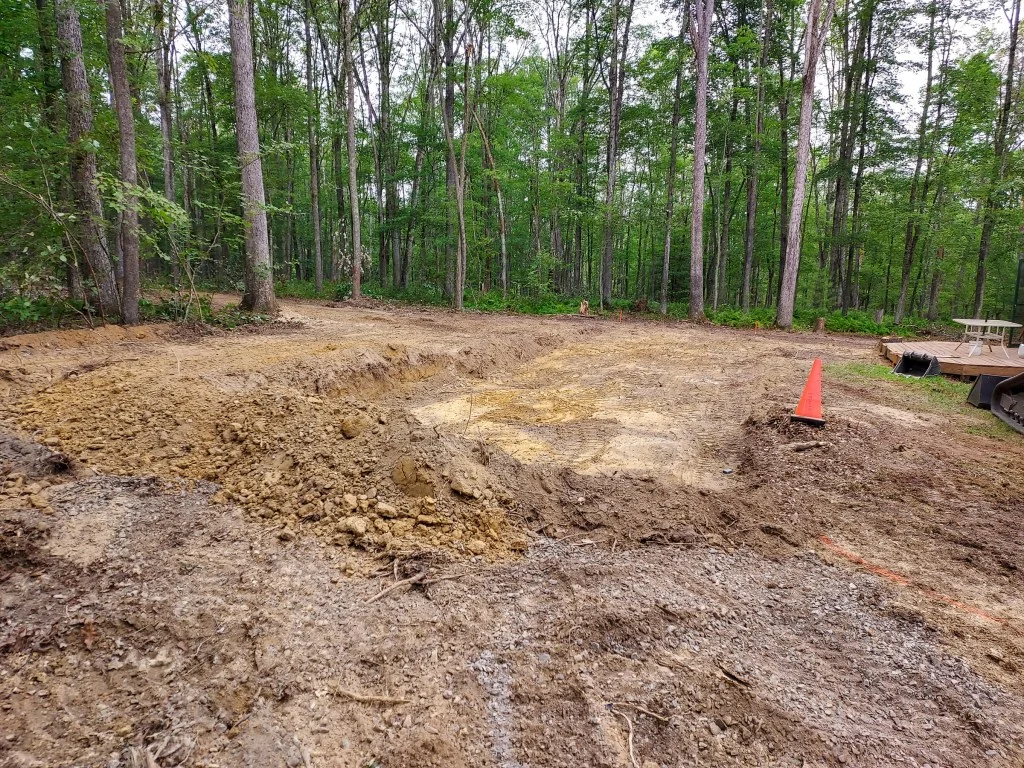
In Haywood County the land itself does most of the talking. Waynesville sits in a bowl of ridges, so a great many yards are cut into a grade rather than laid out flat, and the town's older neighborhoods carry the mature trees and terraced beds that come with them. Leveling on a slope is a cut-and-fill exercise, not a smoothing pass, and that single fact separates the low quotes from the honest ones.
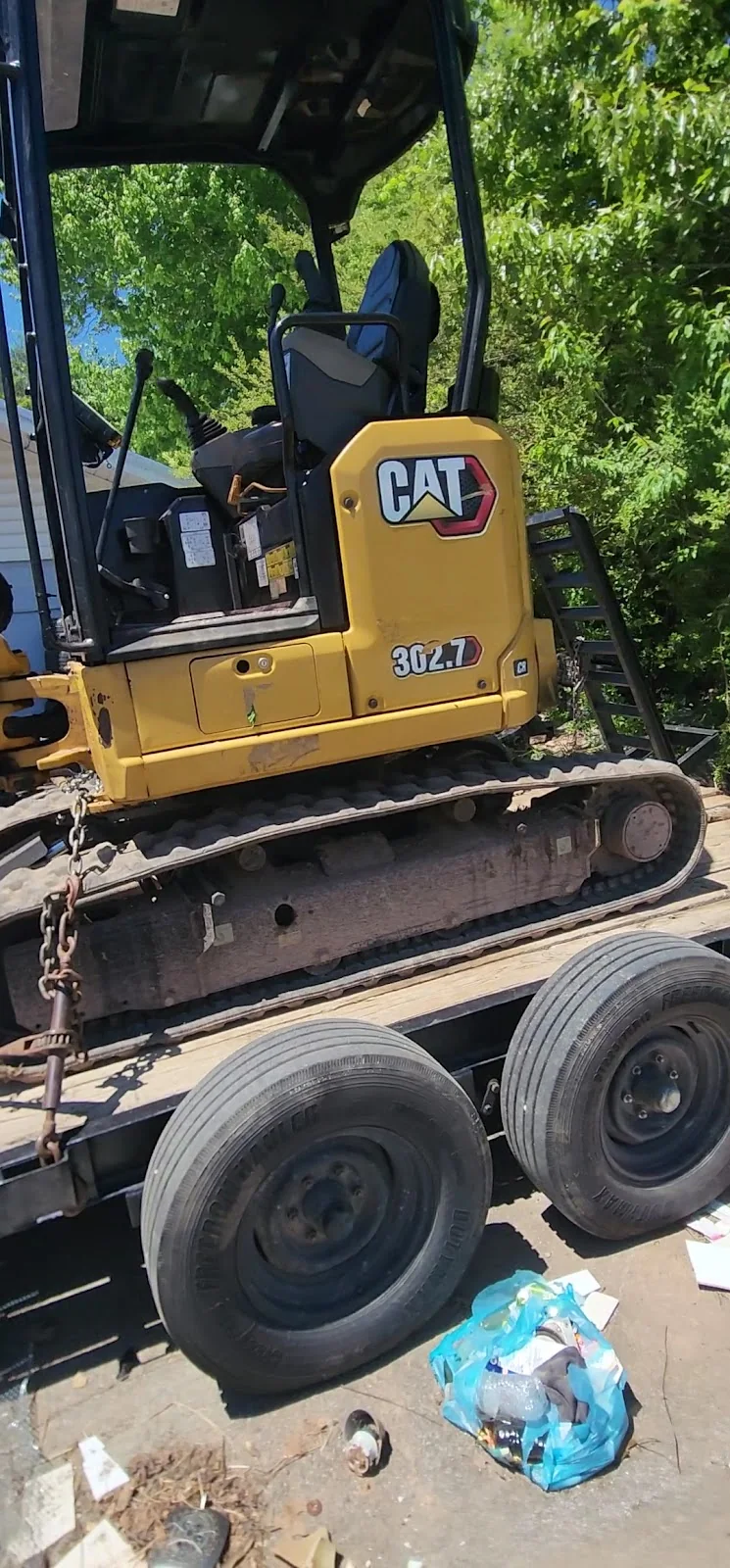
Access is the quiet line item. A lot on a narrow street where the driveway pinches between a stone wall and a hemlock may only fit a compact machine, and every extra pass costs time. Fill is the second quiet line. Some yards can be leveled almost entirely with soil already on site, moved from the high side to the low side. Others are short on material and need screened topsoil trucked in, and in the mountains that haul is rarely a short one, because the nearest supplier may sit down the valley off a two-lane road.
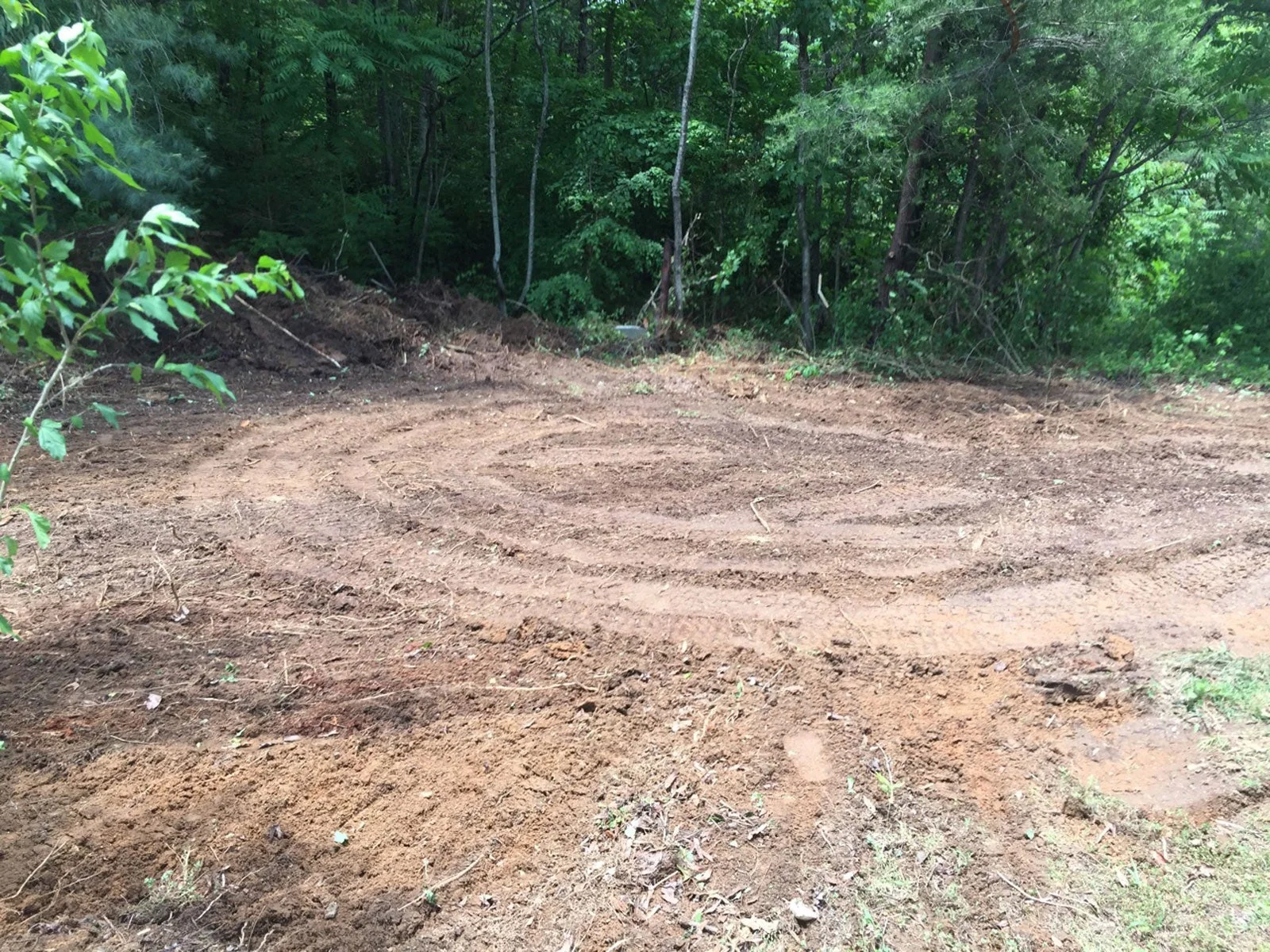
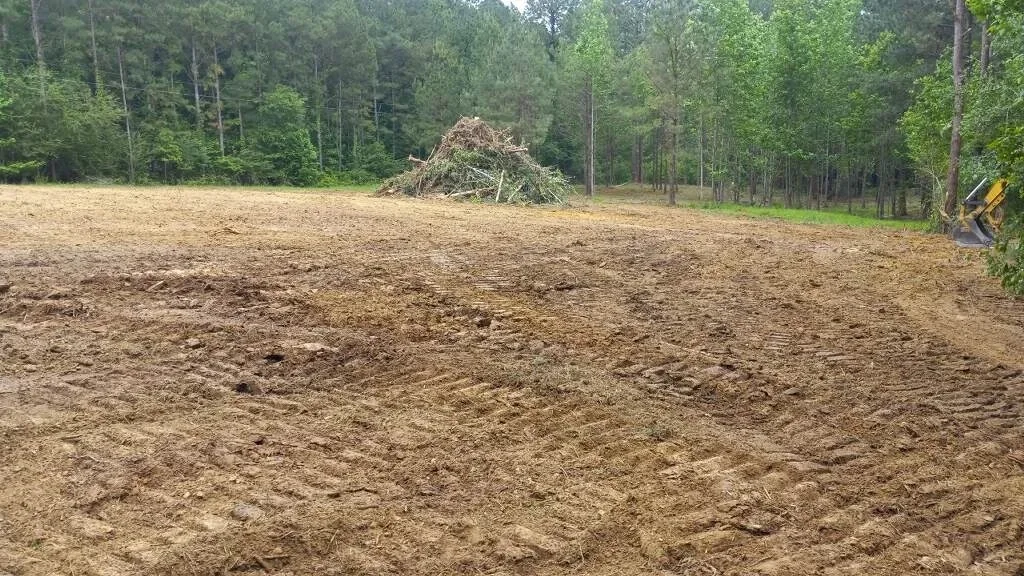
Then there is what happens after the blade stops. A finish pass on turf that is already established is a light job. A full regrade that scalps the lawn to bare dirt means seed, straw, or sod, plus watering through a Haywood County summer that can turn dry in July and soak everything again in August. None of that is a surprise charge on a good quote; it is simply built in.
What the work costs, scope by scope
Use this as a shape, not a promise. Real numbers come from someone standing on your grade with a level.
| Scope | Typical range | What drives it |
|---|---|---|
| Spot leveling, low corner or trench backfill | $1,800 – $2,800 | Small fill volume, easy machine access |
| Full yard regrade, gentle lot | $2,500 – $4,200 | Square footage, turf restoration |
| Slope lot with cut and fill | $4,000 – $7,000 | Haul volume, retaining or terracing |
| Regrade plus drainage rebuild | $5,500 – $9,500 | Swales, french drains, downspout tie-ins |
Notice that drainage is its own line and not a throw-in. A grade that moves water toward the house is worse than the lumpy grade you started with. The wider county picture lives in the Haywood County grading cost breakdown, and the process itself is covered under yard leveling.
The jump from the gentle-lot band to the slope band is where most Waynesville sticker shock happens. Moving a few hundred cubic yards from the uphill side of a lot to the downhill side is a day of machine time and a lot of soil that never leaves the property. Bringing fill in is different: it is a truck, a driver, a load ticket, and a road that has to be safe to back down. That difference alone explains why two neighbors on the same ridge can post quotes that do not look related.
Water, slopes, and why the grade was never the problem
Most Waynesville leveling calls start with a puddle, a soggy patch that never dries, or a low spot that swallows the mower. The grade is often the symptom, not the cause. Summer thunderstorms in the southern Appalachians drop serious rain in short windows, and a yard that was graded correctly when it was built can lose its shape in a few seasons of runoff off a driveway or a neighbor's bank.
The federal record backs up how routine that is here: 19 declared events touch Haywood County across 1973-2026, and they are overwhelmingly storm and flood family. Before soil gets moved, the drainage question has to be answered: where does the uphill water go, do the gutters discharge far enough from the foundation, and will the new grade carry the volume a hard storm delivers. Erosion and stormwater leaving a site are regulated concerns, so it pays to know what applies before dirt moves. The EPA maintains plain-language guidance on stormwater and erosion, and the National Weather Service is the honest source for how much rain this county actually receives.
There is a mountain-specific wrinkle worth naming. On a ridge lot, the water that floods a yard may never have touched that yard's own soil. It came off the bank above, or off a gravel drive that acts like a chute in a downpour. Regrading the low ground without interrupting that flow just moves the puddle downhill, often onto a neighbor, which is a fast way to turn a landscaping project into a boundary dispute. This is why an honest walkthrough starts at the top of the property line and looks up, not at the wet spot in the middle.
Reading a quote on a hillside lot
On a slope, one contractor's number can look wildly cheaper than another's because it quietly leaves dirt unaccounted for. Ask directly: how much soil comes in, how much leaves the site, and where does the excess go? Hauling is where hillside jobs get expensive fast, and in-town lots off the main corridors often cannot take a full-size machine, which means more hand work and more time.
Then ask two more. Who restores the turf, and with what. And does the plan explain how water leaves the property after the work, not just how the surface looks when the machines pull out.
A yard that was graded correctly when the house was built can still go wrong when a driveway is paved, an addition changes the roofline, or a retaining wall on the uphill side stops holding. Those are all drainage events disguised as grading events, and a bid that only addresses the surface will not survive the next heavy rain.
Who can legally take the job, and when it needs a permit
North Carolina draws a line on project value, and above it the general contractor must hold a license. If a bid climbs into that territory, the license check is legitimate and belongs in the conversation. Verify any contractor through the NC Licensing Board for General Contractors before work starts.
Separately from licensing, earth moving that alters drainage or sits near a stream or wetland can pull in permits and setbacks. The practical rule in steep county terrain: if the job changes where water goes, ask the question before the first bucket of soil moves. The International Code Council publishes the model code families that most grading and drainage rules trace back to.
The other thing worth asking about is insurance, not just licensing. Moving soil on a slope involves a machine working above structures, and a wall or a shed that takes a slide is a real risk. A contractor who carries general liability and can produce a certificate is a different proposition from one who only has a truck and a blade, and that difference matters more on a hillside lot than almost anywhere else.
Working with a local crew
Waynesville crews read this ground the same way they read the weather: by looking uphill. Mountain yards hold water differently than piedmont lots, and the fix that works on flat land tends to make things worse on a grade. When you're comparing bids, the Waynesville grading contractors page lays out what to expect from the first walkthrough, and the best ones will walk your property and point out where the water is actually going before they quote a number.
Timing also rewards local knowledge. Spring in Haywood County is wet, and a yard that is half mud will not compact the way a dry one does. Late summer and early fall are often the friendlier window for soil work, which means the honest crews book out, sometimes weeks ahead. The crew that can start tomorrow in the middle of a rainy stretch is worth a second look, not a faster check.
One more honest note: the cheapest path is usually the one where the homeowner has already walked the lot and knows which corner floods, where the gutters dump, and how the neighbor's runoff behaves. That is the information a quote gets built from, and it is free to gather before anyone knocks on the door.