Where the number actually comes from on a Swannanoa lot
Two excavation bids for the same square footage in Swannanoa can differ by three times, and it is almost never the digging. It is the five line items around the digging: spoil removal, shoring, dewatering, engineered backfill, and access. A flat lot off a valley road with a driveway a tri-axle can back into prices like a routine job. A lot climbing toward the ridge with a narrow gravel approach and a water table two feet down prices like a different trade entirely.
Plain volume of dirt is the least interesting variable. What matters is where the dirt goes when it leaves, whether the walls of the cut hold themselves up, and whether the hole fills with water overnight. Those three questions produce most of the spread between a $4,000 footer job and a $16,000 full-basement dig.
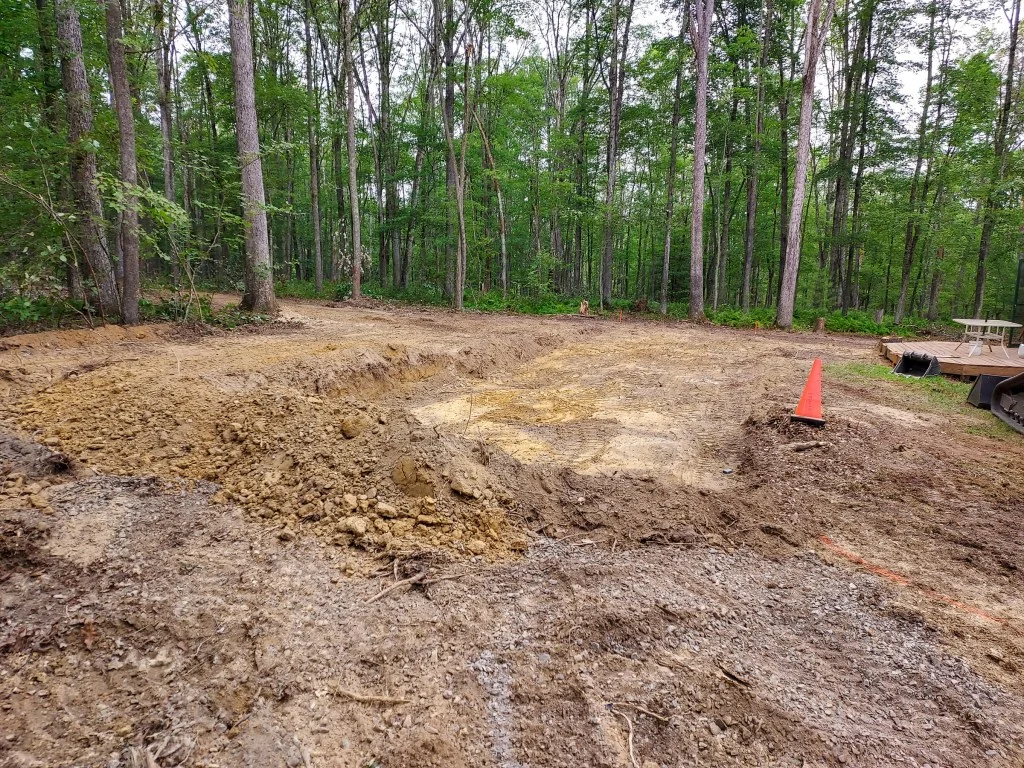
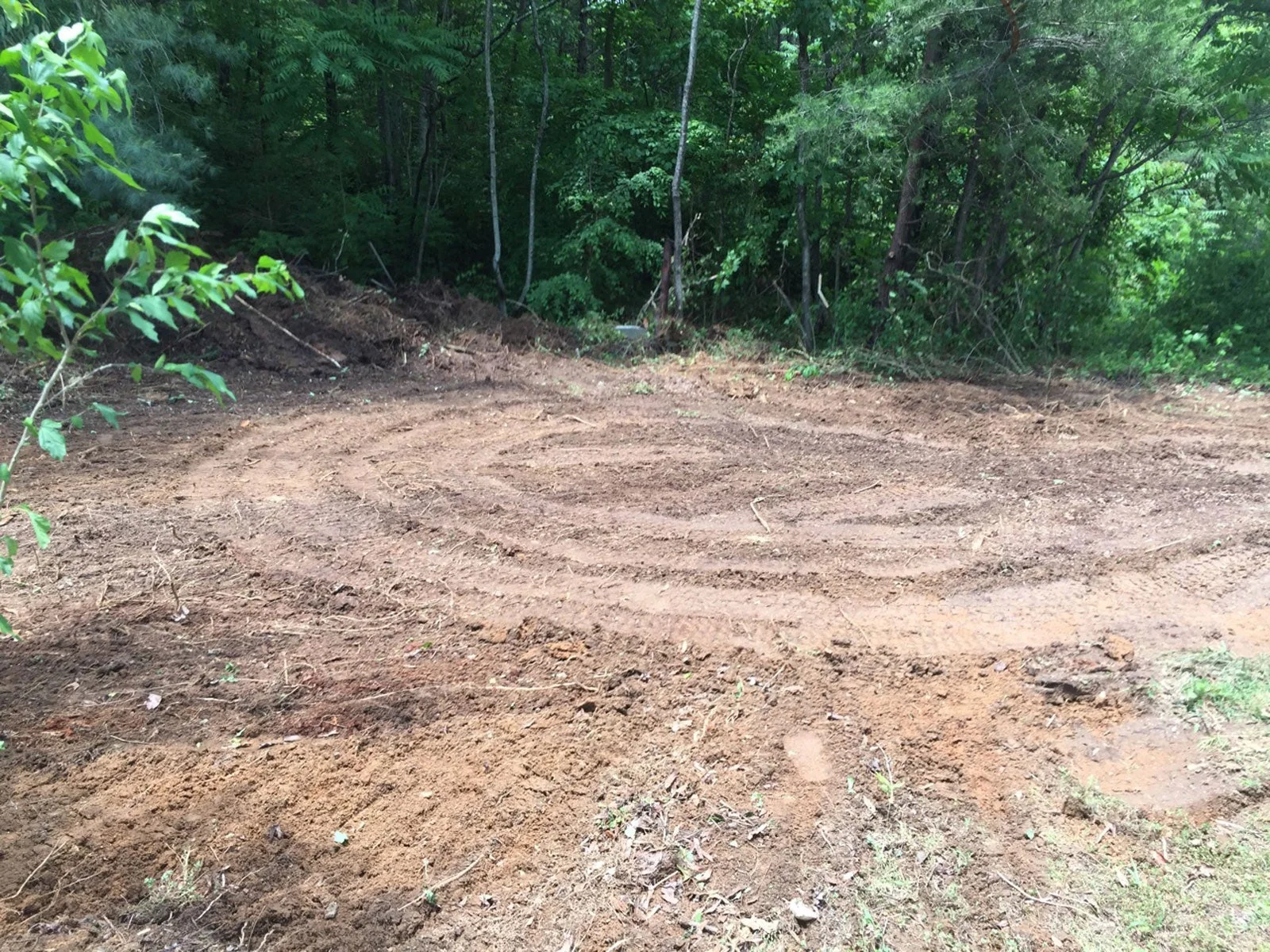
Swannanoa sharpens that spread because the town sits on a narrow shelf of valley floor between the river and the first steep rise of the Black Mountains. Lots on that shelf are small, level, and often already cut into the hillside by whoever built the original house. Lots a few hundred feet up the slope are graded pads carved out of rock and clay with retaining walls on two sides. The same plan set — same footprint, same wall heights — behaves completely differently on those two lots, and the excavation bid should reflect that before a machine ever shows up.
The line items that move a Swannanoa excavation bid
Ask any contractor to break the quote into these rows. If a bid is one lump number, you cannot tell whether you are being sold depth, dirt hauling, or the slope. The full procedure and what each phase involves is covered in the foundation excavation service guide.
| Scope | Typical range | What drives it here |
|---|---|---|
| Footing-only dig, shallow, machine access | $1,200–$4,500 | Flat valley-floor lot, spoils stay on site |
| Stem-wall / crawl-space excavation | $3,500–$9,000 | Depth, whether a truck can reach the cut |
| Full basement dig with haul-off | $9,000–$18,000 | Dirt trucked out, shoring, engineered backfill |
| Dewatering adder | Quoted as a line, not a range | Water table height after spring rain |
| Shoring adder | Quoted as a line, not a range | Neighbor's foundation, slope stability, depth |
The dewatering and shoring rows are where Swannanoa separates from flatland markets. A hole that stands dry for a contractor in Raleigh can pump for a week here.
Spoil removal deserves its own paragraph because it surprises people. In much of Buncombe County a contractor can push the spoil into a corner of the lot and dress it out later. In Swannanoa the lots off the valley roads are frequently too tight for that, or the finished grade has to drain away from the house, or the spoil is wet clay that will not compact into a usable slope. When the only option is loading a tri-axle and hauling across the river bottoms to a permitted site, that is a real line item, not a rounding error. Ask up front whether the quote assumes on-site spoil and what the trip charge looks like if the dirt has to leave.
Backfill quality is the quiet line item nobody questions until the driveway cracks two years later. Engineered backfill under a slab or a foundation drain means select material placed and compacted in lifts, sometimes tested, rather than whatever soil came out of the hole. Using native clay as backfill around a basement wall is how you get a wet basement in this valley — the wall wants free-draining material and a footing drain, and the contractor who prices that in is doing you a favor even when the bid looks higher.
Why this valley digs wetter than the map suggests
Swannanoa sits where the river and its tributaries have been dropping sediment for a very long time. That means a lot of ground here is layered — good bearing soil sitting on top of looser material, with the water table riding higher than a buyer expects. A footing dug in August can look perfect and turn into a sump pit after a wet spring.
The county's disaster record is the honest frame: 19 declared events touch this area (1973-2026), and the pattern is storm and flood, not earthquake and drought. Check current flood outlook and rainfall before scheduling a dig through the National Weather Service, and treat any excavation quote that assumes a dry hole as optimistic rather than thrifty.
Practical consequence for a homeowner: the soil boring or test pit that feels like an unnecessary expense on a flat lot is genuinely useful here. A test pit dug before the bid tells you where rock starts, where the water sits, and whether the soils report will call for over-excavation and engineered fill. Contractors who quote a Swannanoa basement without ever probing the ground are guessing, and you are the one who pays for the guess when the machine hits water or rock a foot below the bench.
What a complete scope looks like before you sign
A real Swannanoa excavation scope names the cut depth, the spoil destination, whether shoring is included or excluded, the dewatering plan, and who compacts and tests the backfill. Anything unstated becomes a change order once the machine is on site, which is why the cheapest bid so often finishes as the most expensive job.
Verify the contractor's standing through the NC Licensing Board for General Contractors — excavation and grading work crosses the licensing threshold on many residential jobs, and the board's lookup is free. If the scope touches site drainage or utility work, the plan also has to satisfy the state's environmental rules; the EPA maintains the stormwater and erosion guidance that local inspectors work from.
Two more credentials worth checking on any Swannanoa job that includes plumbing rough-in or fire protection tied to the foundation: the NC State Board of Examiners of Plumbing, Heating and Fire Sprinkler Contractors handles those trades, and residential fire sprinkler work in North Carolina runs through the Department of Insurance Office of State Fire Marshal. They are not excavation credentials, but they tell you whether the people coordinating the hole are licensed for the trades that follow it.
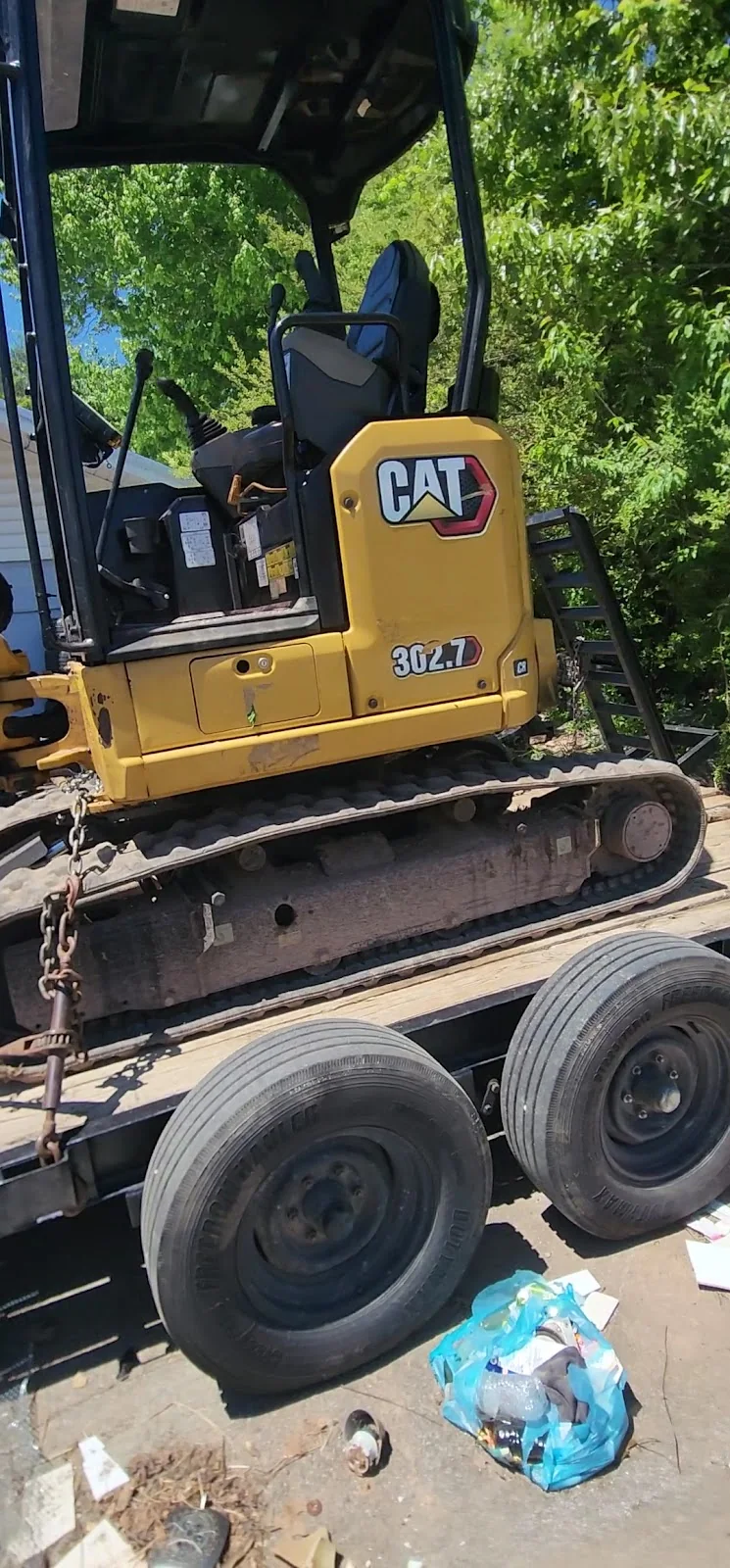
Finally, get the insurance question answered in writing. General liability and workers' compensation certificates should be in hand before anyone digs, and the certificates should name the correct legal entity doing the work. On a steep lot, a wall collapse or a machine tip-over is a real hazard, and you do not want to learn after the fact that the operator was a subcontracted laborer with no coverage. This is a low-effort check that separates a professional outfit from a guy with a borrowed excavator.
Sequencing excavation with the grading and foundation crews
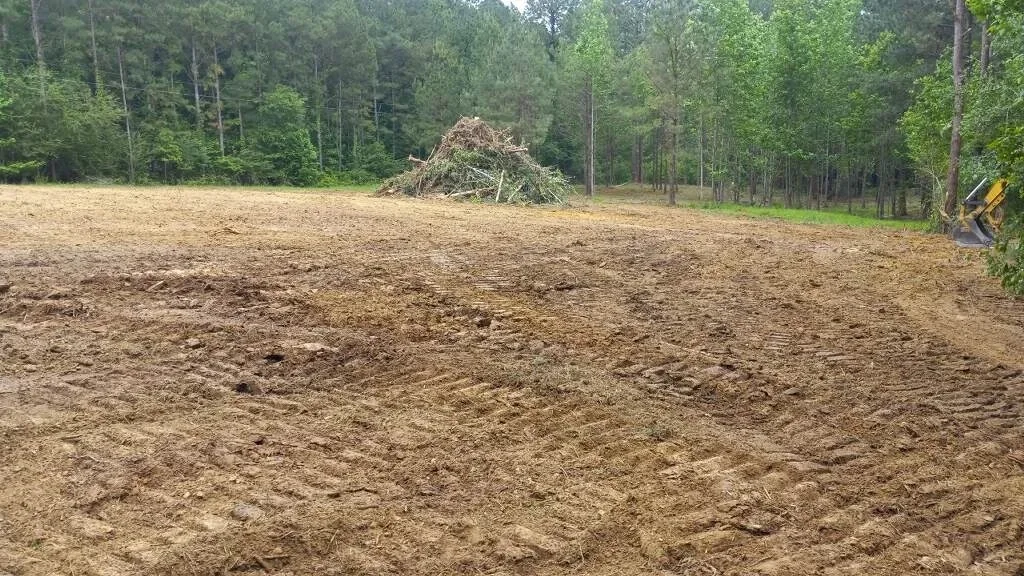
Excavation is never the whole job. The dirt has to be shaped so water leaves the site afterward, and that shaping is a separate scope with its own budget. Before you hire a digger, get a grading number too so you can see the combined cost rather than discovering it later — the Buncombe County grading cost breakdown lays out those line items, and our Swannanoa grading contractors page covers how the finish work pairs with the dig. The crews that think about drainage while they dig save you a second mobilization.
On a typical Swannanoa lot the sequence looks like this: clearing and layout, the cut itself with the spoil staged or hauled, then footing trenches, then the masonry or concrete crew sets the footings while the excavator waits or comes back, then backfill and rough grade. Each handoff is a chance for something to sit wet or open too long. A crew that plans the dig around the concrete schedule keeps the trenches from filling with rain and the footings from being poured into mud, and the finished grade ties the whole thing together so runoff leaves the pad instead of pooling against a new foundation wall.