Read the site before you price the dig
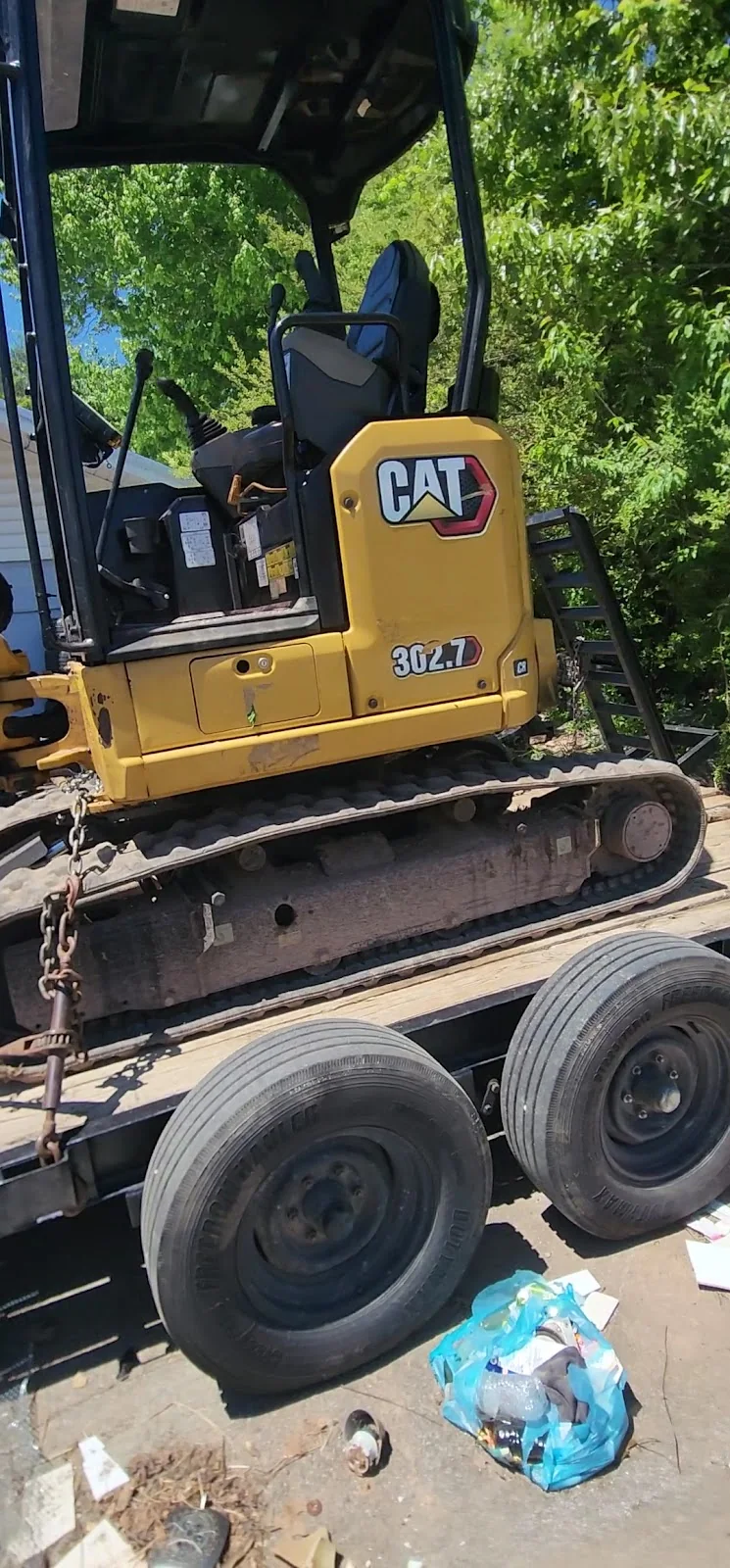
Almost every expensive excavation quote in Maggie Valley traces back to a decision somebody already made: a gravel driveway that was never built for a loaded machine, a poured pad that now sits exactly where a foundation wall needs to go, or a drainage swale that dumps roof water right at the uphill corner of the house. Before you price a single yard of dirt, walk the access route, look at how the current grade sheds water, and check what a track hoe or mini excavator actually has to cross to reach the cut. If the only route in crosses a culvert you can't identify the depth of, that's a conversation to have before the machine shows up, not after.
Haywood County's terrain makes this sharper than in flatland markets. Lots around the valley and off the steep hollows toward the parkway frequently have one viable access lane and no room to stockpile spoils, which changes the whole arithmetic of a job. In Waynesville proper, older in-town lots can be tighter still: alley access, mature trees with root plates that extend past the trunk line, and a neighbor's retaining wall within a few feet of the property line. None of that shows up in a phone quote, but all of it shows up in the final invoice.
It helps to think in terms of three separate questions: Can a machine get in and out reliably? Can spoils stay on site, or do they have to leave by truck? And does the existing grade already move water where you want to build? Answer those three honestly and the price band you're actually shopping becomes obvious before anyone puts a number on paper.
What footing and foundation digging looks like here
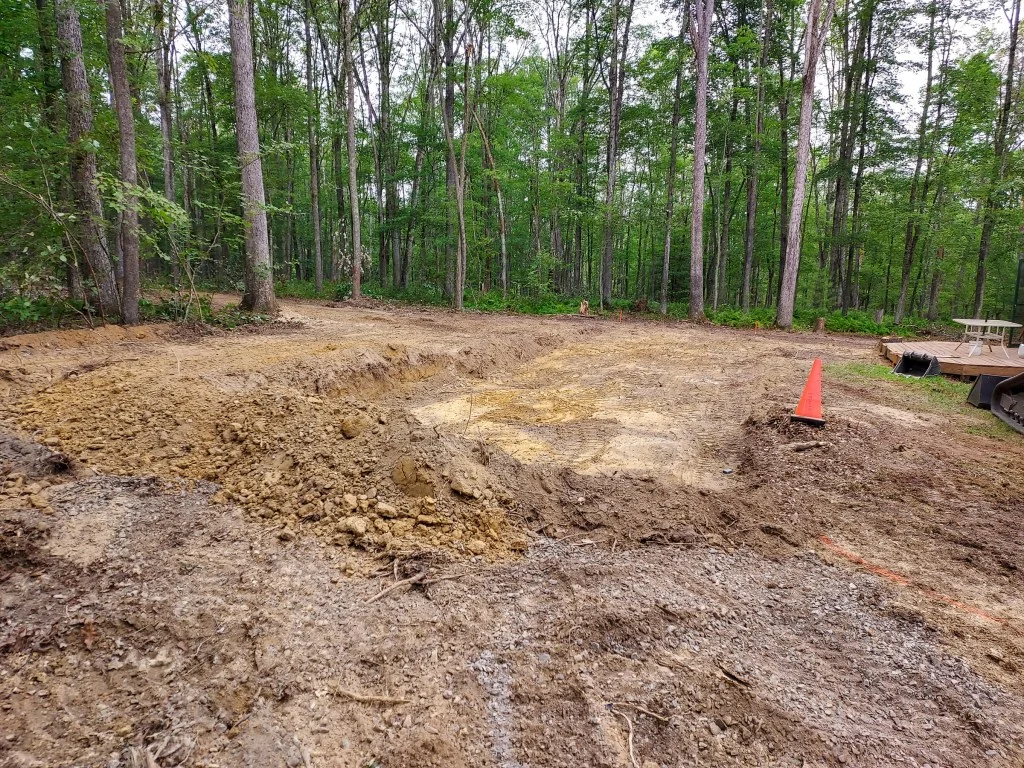
Foundation excavation covers three distinct operations that get quoted together but price very differently: stripping and cutting the footprint, digging continuous or pad footings to bearing depth, and hauling or spreading what comes out. In Maggie Valley, the third one is often the wildcard. Valley clay-heavy soils can be reused on-site for grading if you have a place to put them; when you don't, every yard becomes a truck-and-tip cost. Footings themselves need to reach undisturbed or engineered bearing, which on a sloped lot can mean a stepped pour rather than a single flat one, adding time without adding much visible footprint.
Slope changes everything about how a cut behaves. On a shallow valley-floor lot, a footing trench may hold its shape all day. On a steeper hollow-side lot, the uphill wall of the trench is bearing against soil that wants to move, and the downhill wall has less support than it looks like it does. That's where stepped footings, temporary shoring, and a slower dig schedule come from. A crew that has actually cut footings on these hills will usually walk the uphill side first, because that's where the surprise tends to be.
Where utilities cross the dig, NC law brings in licensed trades. The NC Licensing Board for General Contractors sets the thresholds for who can contract the work, and anything touching a septic line or water service pulls in plumbing licensing under the NC State Board of Examiners of Plumbing, Heating and Fire Sprinkler Contractors. Know which side of those lines your quote sits on. A foundation dig that clips a septic line on a lot with a permitted system is a very different job the morning it happens.
One more local reality: rock. Much of Haywood County sits on bedrock that shows up at depths that vary lot to lot, sometimes within the same subdivision. When a machine hits it, the hourly meter keeps running while the operator switches methods. A quote that assumes soil conditions without a site visit is a quote that may not survive the first afternoon.
Redo first: when the old driveway is the real problem
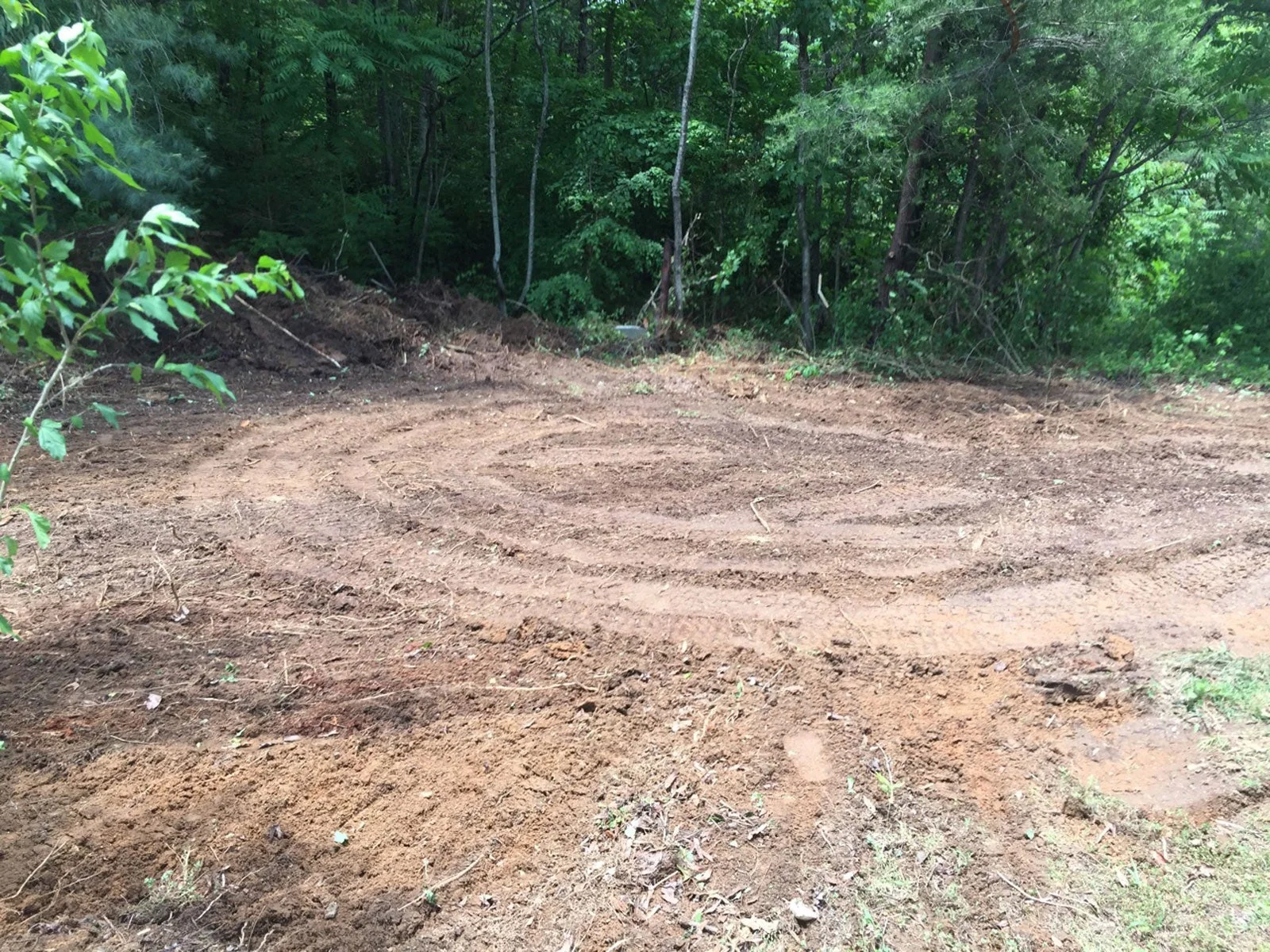
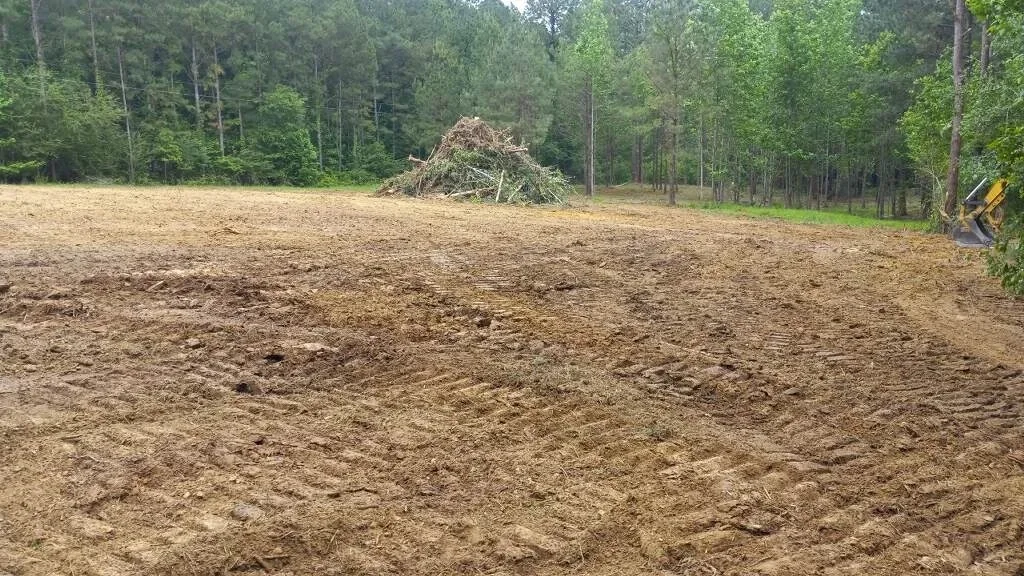
A surprising share of excavation projects here should start with fixing or redoing an existing driveway, pad, or drainage run instead of digging something new. If the access road fails under a half-loaded dump truck, you'll spend more repairing it than the haul would have cost. If the pad you want to build on sheds water toward the cut, you're excavating into a drainage problem you'll be fighting for years. Fixing grade, building a proper turnaround, and correcting where runoff goes before breaking ground is frequently the cheapest money on the job. That's the kind of work covered in the Haywood County grading cost breakdown, and it's worth reading before you commit to a dig scope that assumes the site is already ready.
Driveway problems on Maggie Valley lots tend to follow a few patterns. A long gravel run that was fine for a passenger car ruts out fast under a loaded tri-axle. A culvert pipe sized for a normal rain backs up in a storm and washes the roadbed downhill. A steep pitch that was never crowned sheds water straight down the center instead of to the shoulders. Each of these is a grading fix, not an excavation fix, and each one is cheaper to solve before the heavy equipment arrives than after.
The pad is the same story. If an older home, a garage slab, or a gravel parking area already occupies the footprint you want to build on, breaking it out and hauling it is real cost, and it should be a line item, not a surprise. If the pad is usable but its grade pushes water toward the dig, the fix is often a shallow swale or a small regrade, not a full teardown. And if the property already has a drainage line, curtain drain, or downspout run, find out where it discharges before you dig through it.
The point isn't to postpone the foundation work. It's to sequence it correctly. On a lot with a failing driveway and a wet uphill corner, spending on access and drainage first usually lowers the foundation excavation bid, not raises it, because the machine gets a clean route in and a dry footprint to work.
Scope versus price, honestly
The table below shows how the pieces separate. Site conditions in this county push individual line items toward the top of the band, not past it — if a quote comes in above $18,000 for excavation alone, ask what's actually in it.
| Scope | Typical range |
|---|---|
| Footing excavation only (continuous or pad) | $1,200 to $4,500 |
| Full foundation excavation, easy access | $3,500 to $9,000 |
| Excavation with slope, shoring, or stepped footings | $9,000 to $15,000 |
| Excavation plus haul-off and access repair | $12,000 to $18,000 |
If soil needs to move off-site, ask per-load pricing in writing. Valley jobs commonly get bid as a package with foundation excavation because the haul and the dig are one operation on a tight lot. On a lot with a usable bench, the same spoils might be spread on-site for grading credit, which is where the low end of a full-foundation bid usually comes from.
It's worth knowing what typically sits inside each band. Easy access means a straight, firm route a loaded truck can use, room to turn, and enough space to stockpile without blocking the dig. Slope, shoring, or stepped footings means the cut is deeper than a single pass, the trench needs protection, or the footing has to step down the hill in sections. Haul-off and access repair means spoils leave the site and the route in gets fixed afterward, which is the most common reason a valley job lands in the top band.
Safety, code, and the weather window
Excavations deeper than a few feet need shoring and safe access under OSHA rules, and the EPA governs where stripped soil and any construction runoff is allowed to go — worth knowing before a crew spreads spoils on a hillside above a creek. Locally, the National Weather Service records for this region make the point better than any sales pitch: 19 federal disaster declarations touch this county across 1973-2026, overwhelmingly flood and storm related. That means open excavations here should never be left exposed overnight without protection, and any dig near a drainage path deserves a plan for a real rain event, not a hope.
Crews with genuine local experience quote a weather contingency into the schedule. When you're comparing bids, the Maggie Valley grading and excavation contractor page covers how to weigh machine access and references on valley lots. It's also fair to ask a bidder how they protect an open dig: barricades and covers matter, but so does knowing which way the water comes off the hill when a storm stalls over the valley.
The practical takeaway is simple. Schedule foundation excavation with room on both sides for weather days, keep the route in usable even when it's wet, and don't leave a trench open longer than the next pour actually requires. On these lots, patience during the dig is cheaper than repair after it.