Getting the machine to the back of a Lake Junaluska yard
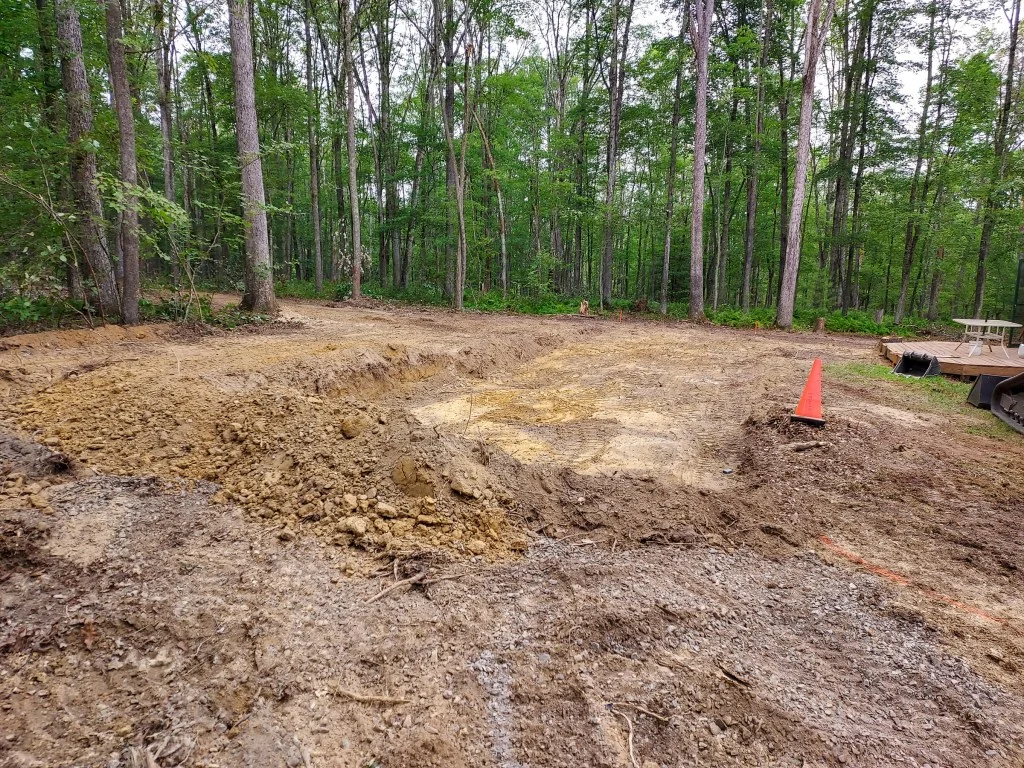
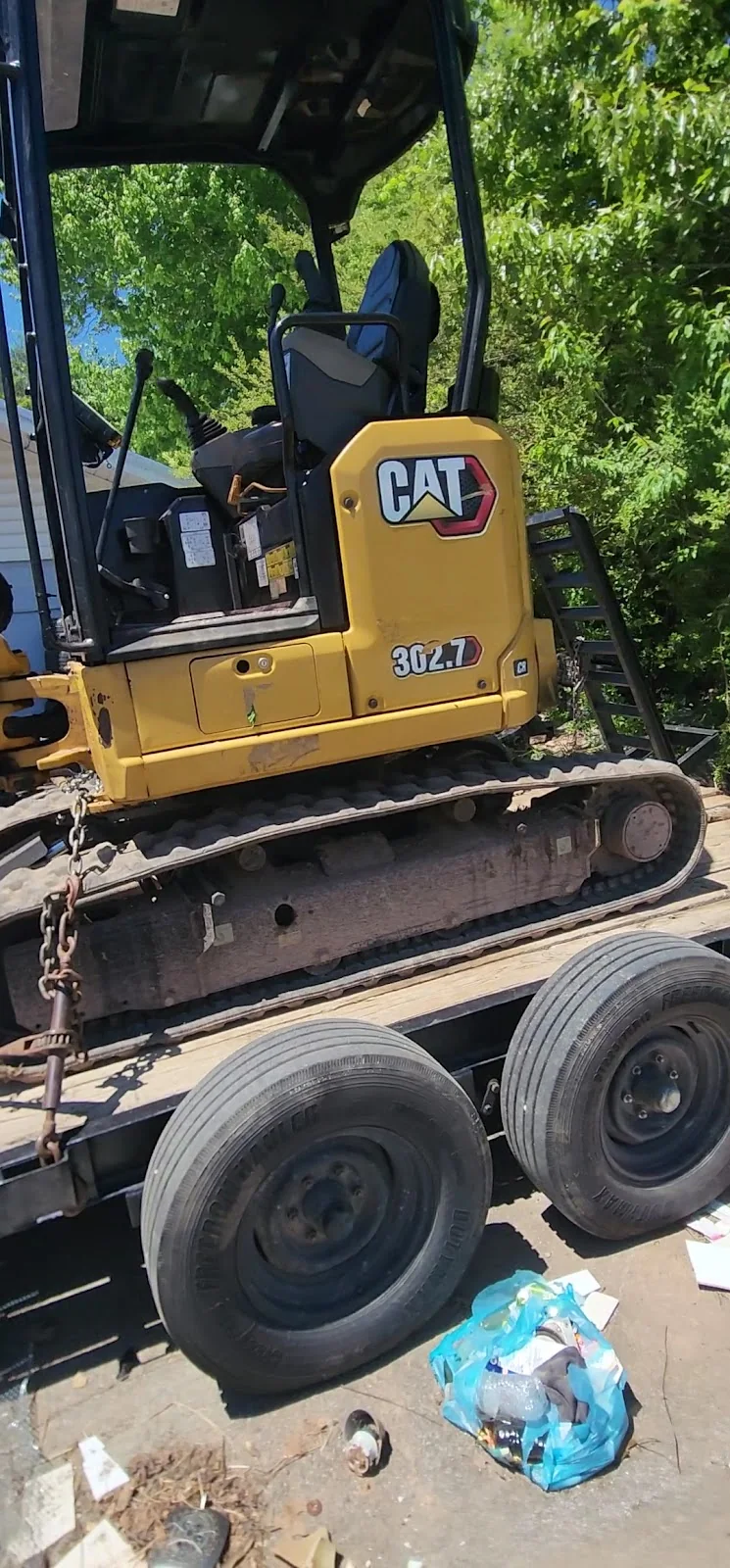
Lake Junaluska's housing stock was mostly built for views, not for equipment. Dense lots off the main loop, terraced yards climbing away from the water, and driveways that pinch to a single-car width all mean the first real decision on a leveling job is not where the dirt goes — it is how the machine gets to it. A compact track loader that fits through a four-foot gate is a different quote than a full-size skid steer that needs a driveway apron and a neighbor's patience.
The homes here sit on genuinely varied ground: century-old lakefront cottages with settled porches, mid-century ranch homes uphill toward the community's northern edge, and newer builds on graded pads that have had a decade to show where water wants to go. Soil tends to be clay-heavy with rock not far down, which means a grading plan that ignores drainage is a lawn that dips again next spring.
The access problem shows up in specific ways on specific streets. Along the roads that ring the lake, many lots were platted when a mule and a wheelbarrow were the only equipment anyone expected. That means side yards that narrow to three or four feet between a house corner and a property line, low retaining walls that were never engineered to carry a machine, and mature rhododendron and mountain laurel planted right where a track needs to run. A crew that has worked this town before will walk the route before quoting and usually plan to enter through the yard from the uphill side rather than squeezing past the house.
Driveways matter just as much. Several Lake Junaluska approaches pitch steeply from the road, and a loaded dump truck or a trailer carrying a track loader has to be able to sit on that pitch without sliding or blocking the loop. Where the driveway apron is short or the turn-in is tight, the honest answer is often to stage equipment on the street and run material in with a smaller machine, which adds time but not a full truck-and-trailer mobilization. Ask any bidder how they plan to stage; the answer tells you whether they have actually stood on the lot.
What it costs to move dirt around here
Pricing in Haywood County tracks two things nobody in a flat suburb pays for: machine access and haul distance. Lake Junaluska is roughly a quarry run from the aggregate sources that serve Waynesville, and every yard of imported fill rides that road twice. Exporting spoils off a tight shoreline lot is the same math in reverse. The full local table lives in our Haywood County grading cost guide, but here is the working version for this town:
| Scope | Typical range |
|---|---|
| Small yard touch-up, hand tools and compact machine | $1,800 – $2,500 |
| Full lawn regrade with drainage correction, average lot | $2,500 – $6,000 |
| Steep or terraced yard, dirt imported or exported | $6,000 – $9,500 |
| Adding a retaining wall or swale as part of the grade | Quoted separately, often at the top of the band |
If a bid lands below $1,800 for anything beyond a cosmetic raking, ask what is being left out — usually drainage, compaction, or the cost of getting spoils off-site.
Two line items drive the spread more than anything else. The first is spoil removal. On a lot with no room to spread excess dirt, every cubic yard that leaves has to be loaded, trucked, and dumped somewhere legal, and that cost scales with how far the dump site is from the lake. The second is imported fill, which behaves the same way in reverse: screened topsoil and structural fill both come in by the truck and are priced partly by the road miles between the source and your driveway. A Lake Junaluska homeowner comparing two bids should compare those two lines directly, because a low bid often means the contractor is planning to leave spoils on-site in a mound that shows up as a soft spot next season.
Compaction is the quiet third cost. Fill that is dumped and graded but not compacted in lifts settles for years, and on the slopes common here it settles unevenly. That is why a bid that includes compaction equipment and time sometimes looks higher than one that does not. It is the same work; one bidder is just charging for it up front instead of letting you pay for it with a new dip in the lawn two winters later.
Where the water is supposed to end up
Lake Junaluska drains toward the lake. Every regrade either helps that water find a safe path or pushes the problem downhill. The fix is unglamorous: positive slope away from the foundation, a defined swale or French drain where the yard is too flat to shed on its own, and downspout extensions that actually reach daylight. The EPA publishes homeowner guidance on stormwater and erosion control that matches what a good local crew already does by habit — slow the water, spread it, let it soak in before it reaches a shoreline or a neighbor's yard.
Storm history makes this concrete rather than theoretical. 19 federal disaster declarations have touched Haywood County across 1973-2026, and the pattern in this corner of the mountains is heavy rain on steep ground. The National Weather Service flood and rainfall resources are worth a look if your yard has ever pooled after a summer storm. A grade that survives one wet season in Lake Junaluska is a grade built for the next twenty.
The terrain makes the drainage question sharper than it is in flatter parts of the state. Yards here often fall eight or ten feet from the back of the house to the street or to the water, and a yard that sheds toward the lake is not the same problem as a yard that sheds toward a neighbor's foundation. On the uphill side of the community loop, water arrives from above and has to be intercepted before it crosses the lot. On the lakefront side, water that leaves the property too fast carries topsoil and sediment with it, which is both a lawn problem and, near the shoreline, an erosion problem. A swale that intercepts and redirects solves the first; a stilling basin or a well-placed discharge point that spreads flow before it hits the bank solves the second.
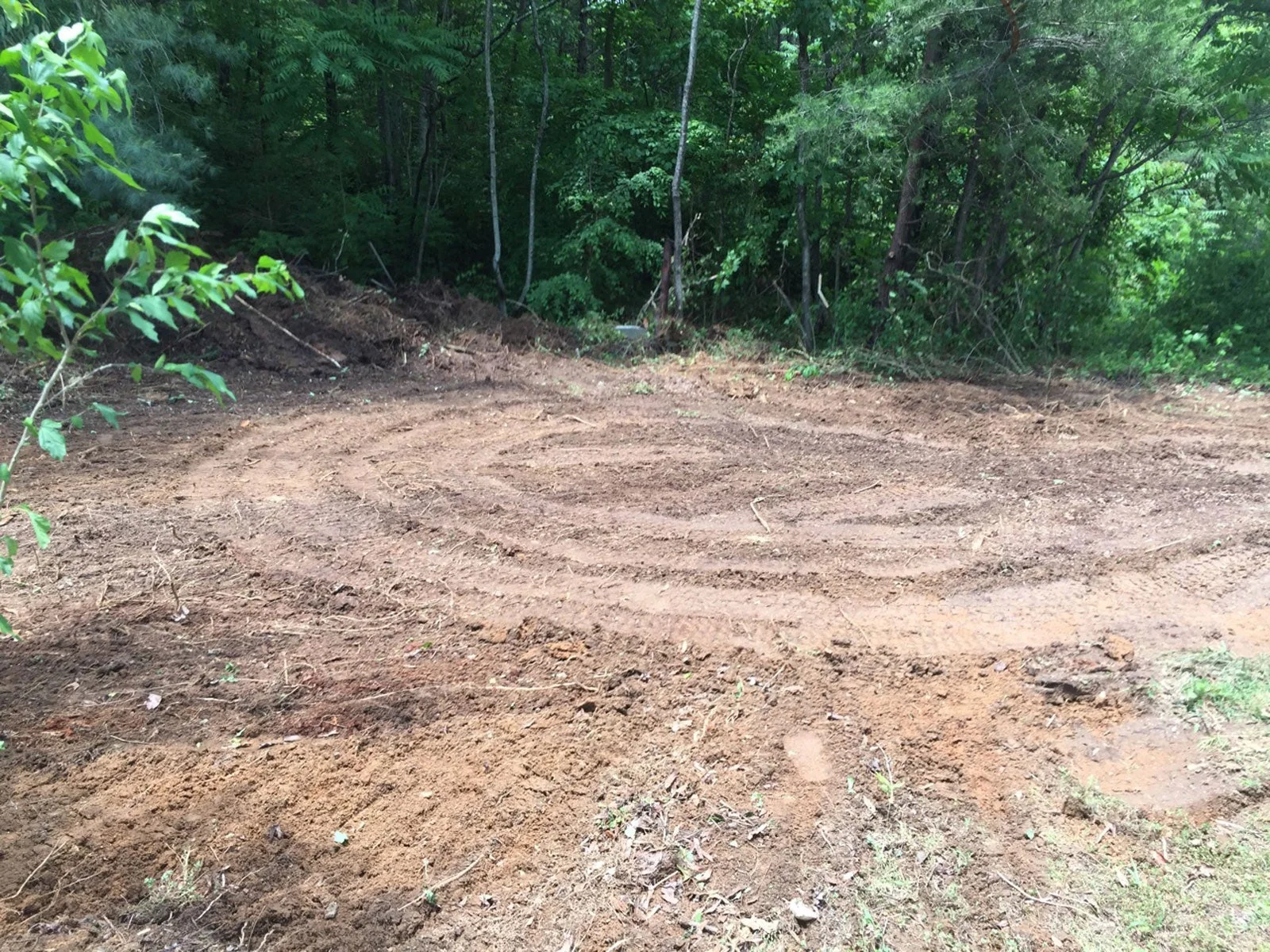
Flat is its own case. Some Lake Junaluska lots were graded nearly level decades ago and rely on a single shallow swale that has since filled with leaf litter and silt. Those yards pool in the same corner every big rain because the outlet is effectively gone. Re-establishing that swale and giving it a real outlet is one of the least expensive fixes in this trade, and it is the one most often missed when a homeowner asks only for the bumpy parts of the lawn to be smoothed.
Machines, mud, and the rules that follow them
Yard leveling is landscaping until it isn't. Once a project involves significant dirt movement, retaining walls above a certain height, or drainage tied into a structure, general contracting rules start to apply. The NC Licensing Board for General Contractors sets the thresholds for when a project needs a licensed GC, and wall height and structural scope are common triggers. For drainage work involving plumbing connections, the NC State Board of Examiners of Plumbing, Heating and Fire Sprinkler Contractors governs who can legally make those connections.
Practical rule for a Lake Junaluska homeowner: ask the contractor which parts of the job fall under their license and which parts need someone else. A crew that answers that question clearly is usually a crew that also answers the drainage question clearly. Our Lake Junaluska grading contractor guide walks through the vetting questions in order.
Shoreline-adjacent work adds another layer that flatland homeowners never think about. Grading that changes how stormwater leaves a lot near the water can draw scrutiny from the community association or from county review, and any work that disturbs the bank itself is a different conversation than a lawn regrade in the middle of the property. The sincere advice is to ask before you dig, not after. A short phone call or a look at the community's own guidelines costs nothing and prevents a finished job from becoming an undone one.
Machine choice is a safety issue as well as a cost one. Track loaders on a steep grade with wet clay underfoot demand a patient operator, and crews that work this county know to wait out a soaking rain rather than chew up a slope that will not hold. If a contractor is willing to start the day after a heavy storm because the schedule says so, that is a warning sign about how they will treat the finished grade.
What a fair scope actually lists
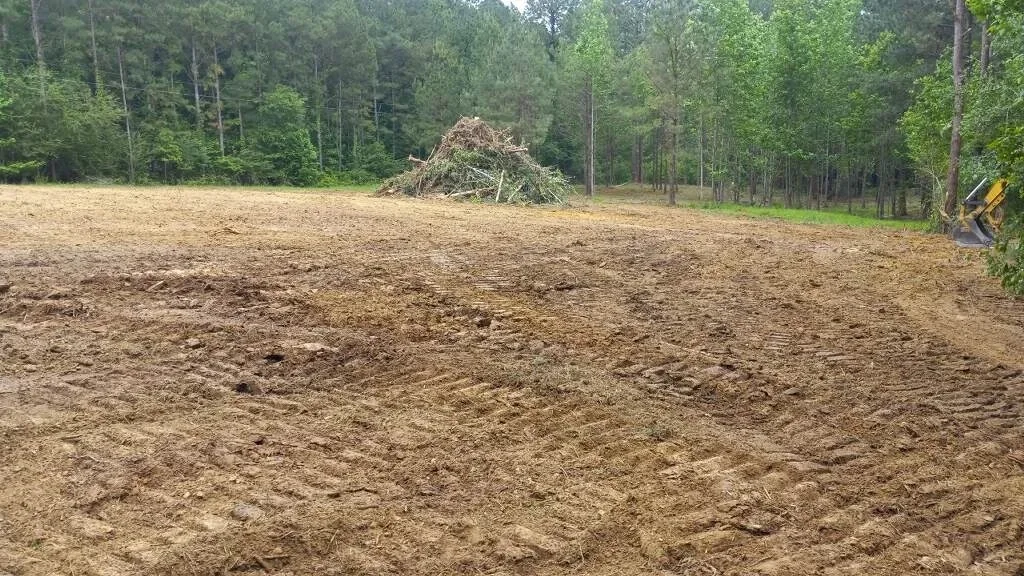
A complete yard leveling scope in this town has six line items, and a quote that skips one is either guessing or planning to add it later: machine access plan and any driveway protection; topsoil strip and stockpile; cut and fill with compaction in lifts; drainage — swale, drain, or both — with a defined discharge point; topsoil replacement and seed or sod; and spoil removal or on-site dispersal. On a Lake Junaluska shoreline lot, the access and haul lines are where bids diverge most, because one contractor is pricing a walk-behind machine and another is pricing a full-size loader plus a dump truck.
Ask for the drainage discharge point in writing. "Water flows to the lake" is not a plan; it is a sentence. A good scope names the swale, the outlet, and the slope percentage it is trying to achieve. The overview on our yard leveling service page covers what the finished grade should feel like underfoot before you pay the final invoice.
Two more items belong on the list in a town with this much rain and this much shade. Seed or sod choice matters: heavy shade under mature trees favors a fescue blend over a sun-loving mix, and a fall seeding on these slopes establishes far better than a spring one that runs straight into summer heat. And staging matters. Where does the spoil pile sit while the work is happening, and how does it leave the property without tracking mud onto the community's roads? A crew that answers those two questions without hesitation has done this before, on lots that look like yours.
Finally, get the finish grade described in plain terms: smooth enough to mow, firm underfoot, sloping away from the house at every point along the foundation. Walk the yard with the contractor before the final payment. If you can stand at the wall and see the ground fall away from you, the grade is doing its job.