What actually moves the number on a Mars Hill driveway
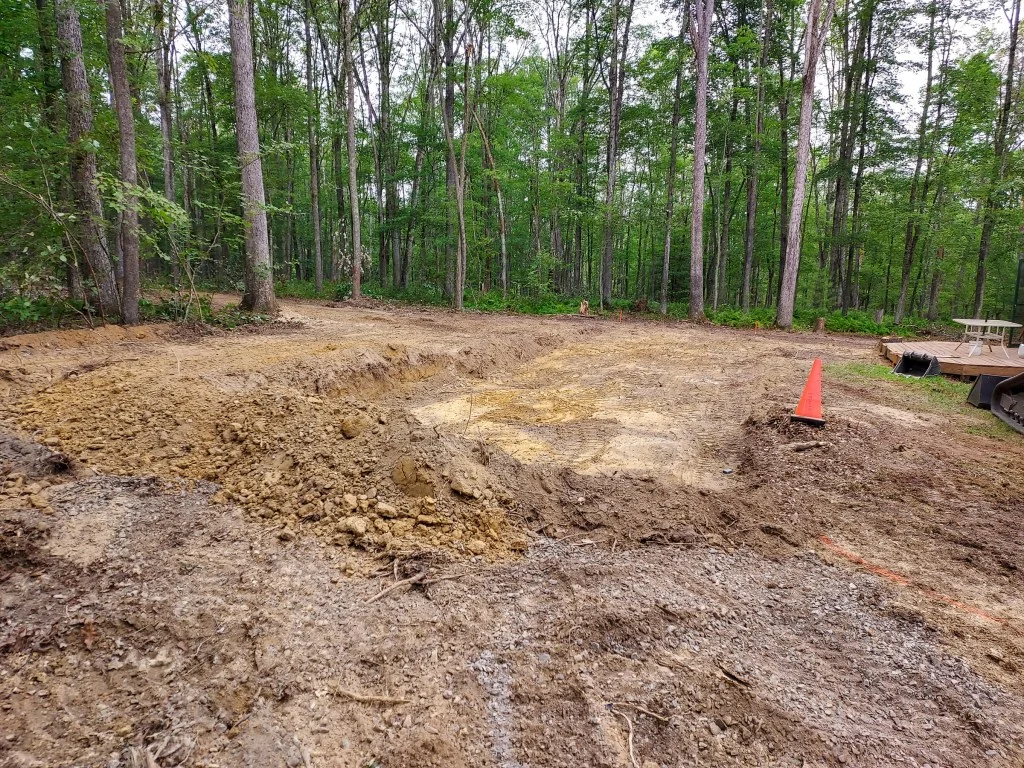
A driveway estimate in Mars Hill is rarely one line. It is a stack of decisions the terrain makes for you. Start with length and width, because gravel is priced by the ton and the ton spread over a long pull adds up fast. Then the grade: a lot off a ridge road may need a cut on the uphill side and fill on the downhill side, and that earthmoving is usually the single biggest line item. Then water, because a spring that crosses the path after a wet spell means you are buying drainage before you are buying stone. And last, the crossing, because anything spanning a ditch or creek needs a culvert sized for the flow, not just a pipe of whatever diameter is on the truck.
If you own land near the town center, on a graded bench off a state road, or up a switchback toward the county's higher ground, those four factors weigh differently. A flat quarter-mile through a field is a stone and labor job. A short, steep pull off a mountain road is a grading job that happens to end in gravel. That is why two neighbors a mile apart can get quotes that differ by thousands.
Cost anatomy: a line-item look at a typical lot
The table below is the honest way to read a Mars Hill quote. Ranges are what this trade charges in the region; your lot's slope, soil, and access decide where in each band you land.
| Line item | What it covers | Typical range |
|---|---|---|
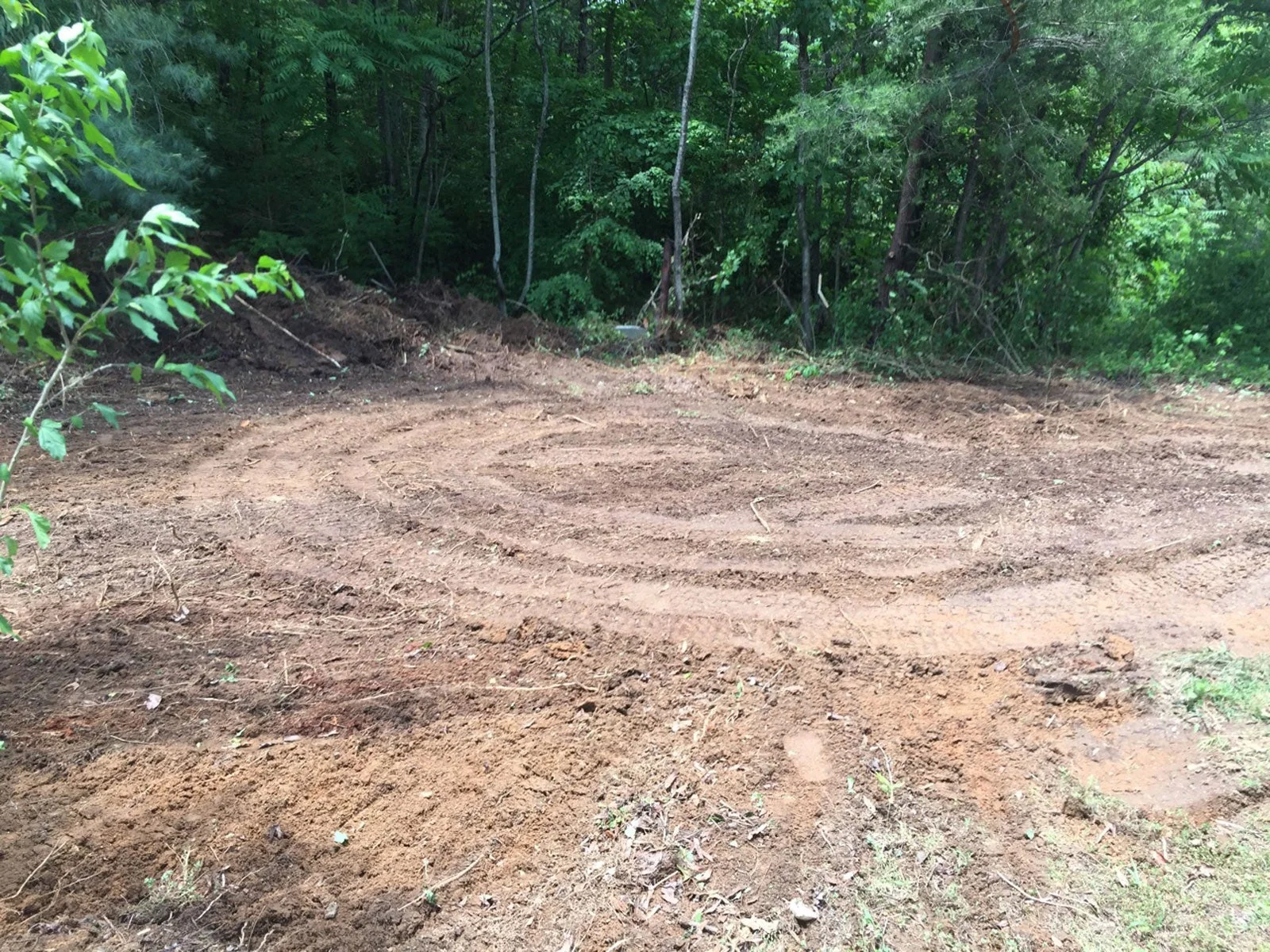
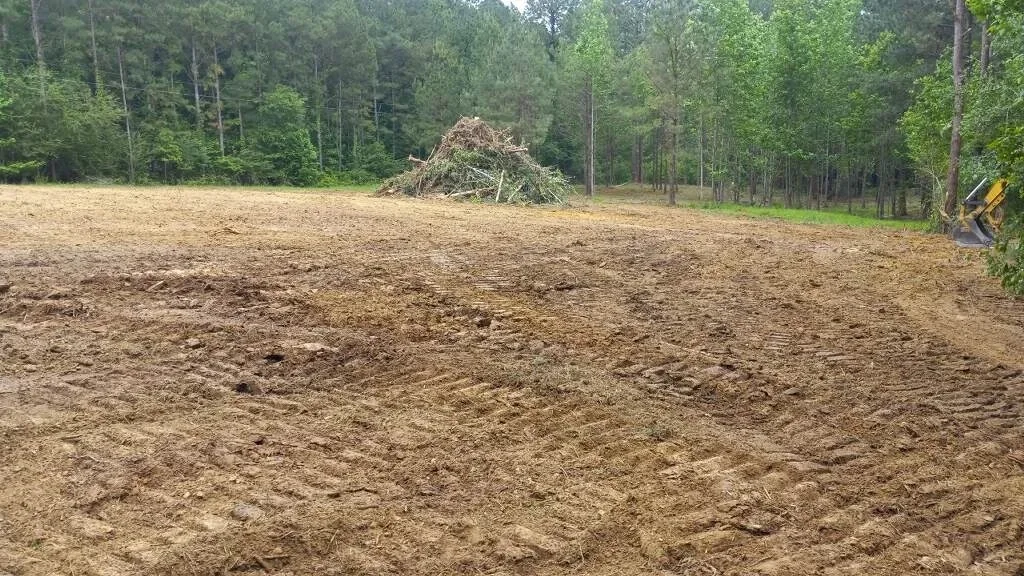
| Clearing & grubbing | Removing brush, stumps, and topsoil from the path | $800–$3,500 |
| Cut-and-fill grading | Shaping the roadbed, balancing cut and fill on sloped ground | $1,200–$4,800 |
| Culvert & crossing | Sized pipe, bedding, headwalls, ditch tie-in | $600–$3,000 |
| Base stone (2"–3") | Structural base course, compacted in lifts | $14–$22 per ton placed |
| Surface gravel (−¾" or ¾") | Drivable top course, crowned for drainage | $16–$26 per ton placed |
| Drainage & ditching | Side ditches, French drain at wet spots, turnout | $500–$2,500 |
Notice the pattern: the stone is the predictable part, and the dirt is not. A short flat drive may be almost all stone and end under $3,000. A long steep one with a culvert, a spring to manage, and a quarter mile of base can pass $9,000. For a deeper county-wide read on earthwork pricing, the Madison County grading cost breakdown walks through it, and the driveway grading and gravel guide explains how base and surface courses are chosen.
Why water is the deciding line on this side of the county
Madison County gets serious rain, and the federal record shows it: 21 declared events touch this county over 1978-2026, nearly all of them storm and flood family. That history matters to a driveway because a gravel road is a drainage structure as much as a driving surface. If runoff from the uphill side of the property is not intercepted and turned away, it will find the roadbed, saturate the base, and pump fines to the surface until you have ruts instead of a drive.
Gravel that is crowned, ditched, and tied into proper turnout points sheds water and lasts for years. Gravel laid flat on clay holds water and fails in one wet season. The NC Building Code Council and NCDOI Engineering Division treat site drainage as a design requirement for good reason, and the National Weather Service outlook for the mountains is a reminder that the big rain is not a one-time event. Budget the ditch and the culvert up front, because retrofitting drainage after the stone is down costs more.
Stone choice and the base-under-surface rule
The mistake we see most on Mars Hill lots is skipping the structural base and going straight to a pretty top course. On flat ground that sometimes survives. On a grade it never does, because the surface gravel has nothing to lock into and migrates downhill with every rain and every tire bite. The working sequence is a compacted 2"–3" base course crowned for drainage, then a −¾" or ¾" surface course that binds and drives smoothly. Geotextile fabric under the base is cheap insurance on soft or clay-heavy ground and slows the stone from disappearing into the subsoil.
If the drive crosses a ditch, the culvert has to be sized for the actual flow. An undersized pipe backs up, washes out, and takes the roadbed with it — which is a schedule problem as much as a cost problem, since the driveway is often the only access to the building site. A contractor who measures the crossing and the grade before quoting is doing the job right; one who quotes a flat per-foot number from the truck is guessing.
Picking a crew and knowing when a license applies
North Carolina draws a licensing line based on project value and scope. Driveway and grading work that crosses the threshold for general contracting falls under the NC Licensing Board for General Contractors, so ask about licensure and insurance before work starts rather than after. For anything touching water lines, a spring, or a septic area, separate trade licensing via the NC State Board of Examiners of Plumbing, Heating and Fire Sprinkler Contractors may come into play, and it is fair to ask who on the job holds which credential.
Three questions sort the crews quickly. Ask them to walk the grade and explain where the water goes. Ask whether the quote separates base stone from surface stone and includes a culvert sized for the crossing. And ask for a reference on a steep drive similar to yours, because a flat-lot crew and a mountain crew are not interchangeable. For local outfits that work this terrain, the Mars Hill grading contractors page is the place to start, and any good bid for a driveway should read the same way.