Hendersonville lots look nothing like Asheville's mountainside builds
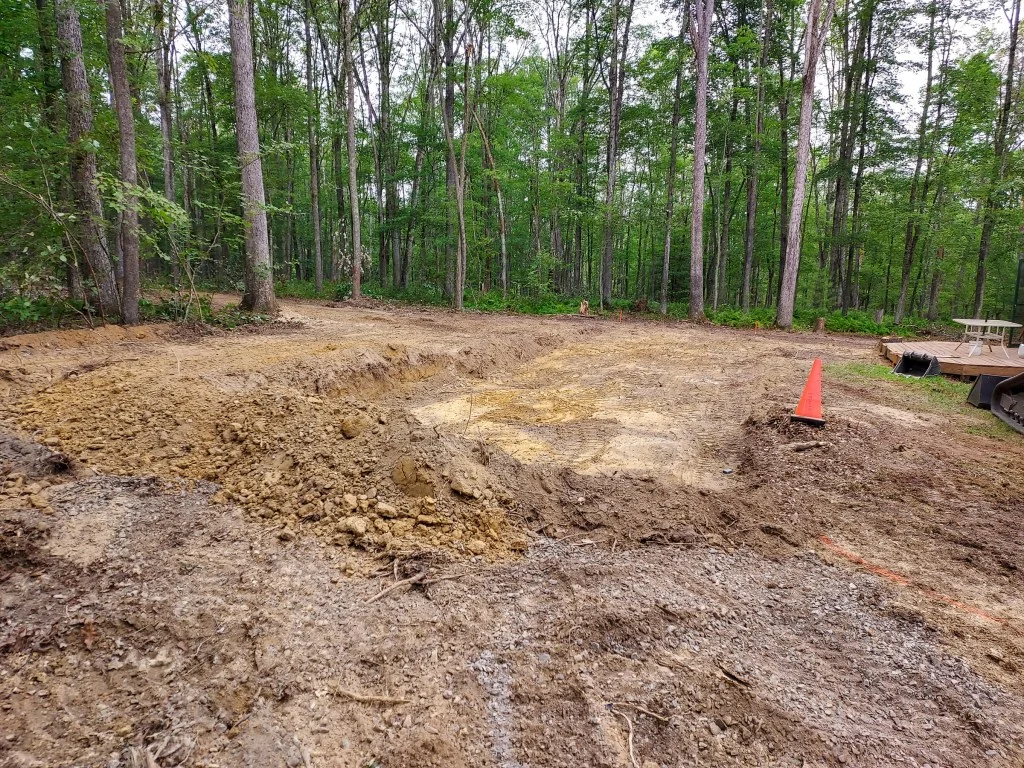
Drive the blocks between Main Street and the old depot and the defining feature isn't a view, it's a rectangle. Hendersonville's in-town grid was laid out tight: long, skinny lots with houses set close to the road, driveways barely wide enough for a full-size dump truck, and mature hardwoods that have been dropping limbs since before most of these roofs were replaced. That shape changes the job. On a lot like this, a grading contractor isn't engineering a 25-degree cut, they're working out how to get a machine into the back yard without taking out a fence, a septic line, or a neighbor's hedge, and where the spoils go when there's nowhere on-site to pile them.
Head east toward Flat Rock or north up toward Laurel Park and the rules flip. Elevation gain comes fast, the soil goes from Piedmont clay to weathered saprolite with rock underneath, and driveways run at angles that make water management the whole point of the project. Two lots a mile apart price completely differently, and the person who quotes without looking at both is guessing.
What actually drives the number on a Henderson County job
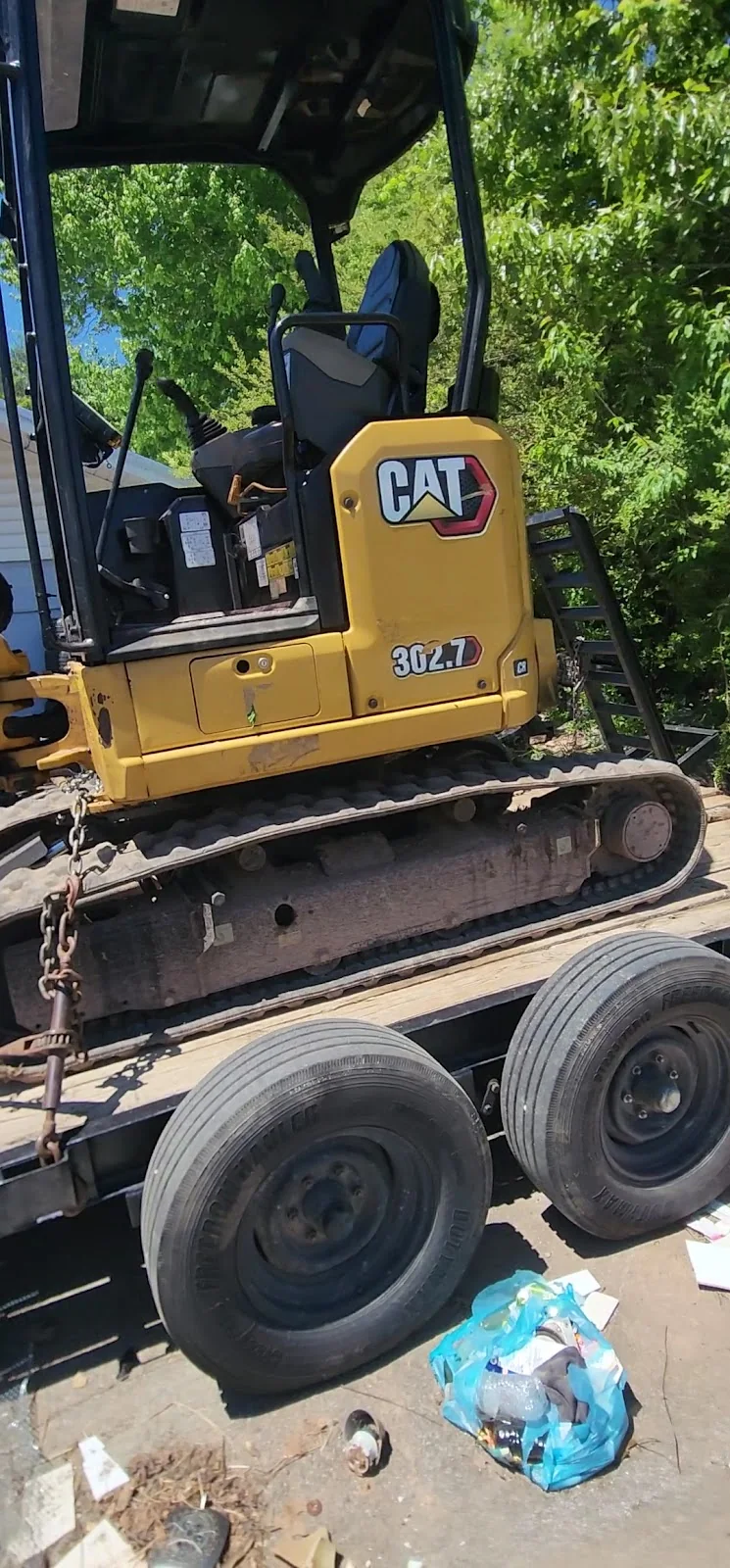
Three things separate a $2,800 grading job from an $8,000 one here: machine access, rock, and haul-off distance. A lot with a straight shot for a mini-excavator and room to spread topsoil on-site stays in the low band. A property where a skid steer is the biggest machine that fits, where a cut hits the rock layer, and where every yard of spoils has to be trucked off-site climbs fast.
Runoff is the other quiet cost. Henderson County sits in the French Broad and Green River drainages, and a cut that sends water toward a neighbor's foundation or the street is a problem the homeowner owns. Grading that manages water with swales and proper slope is doing structural work whether or not anyone calls it that.
Grading scope and price ranges for Hendersonville lots
| Scope | Typical range | What it covers |
|---|---|---|
| Light regrade and leveling | $1,200–$2,200 | Small yard correction, finish grade, minimal soil movement, easy machine access |
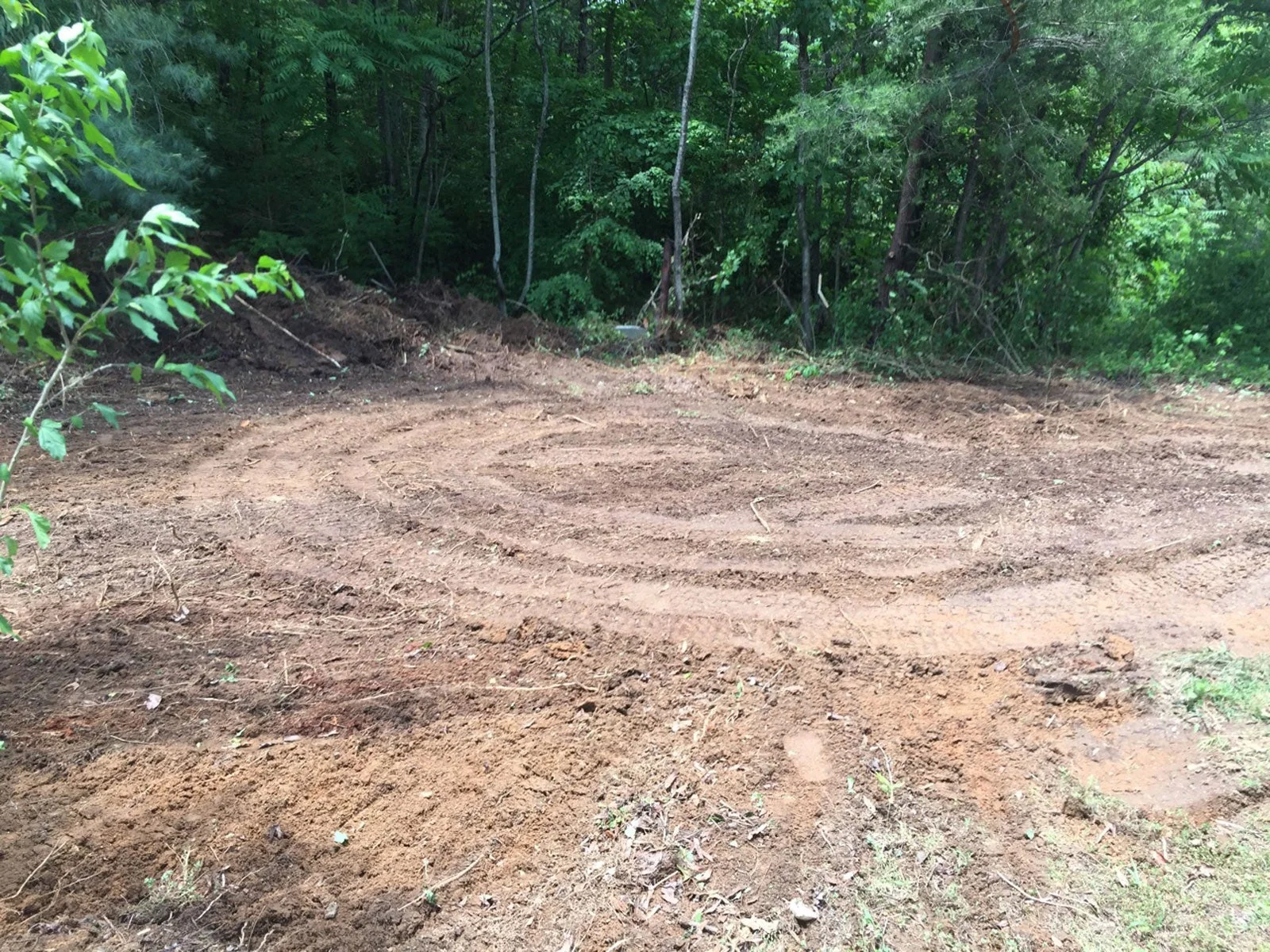
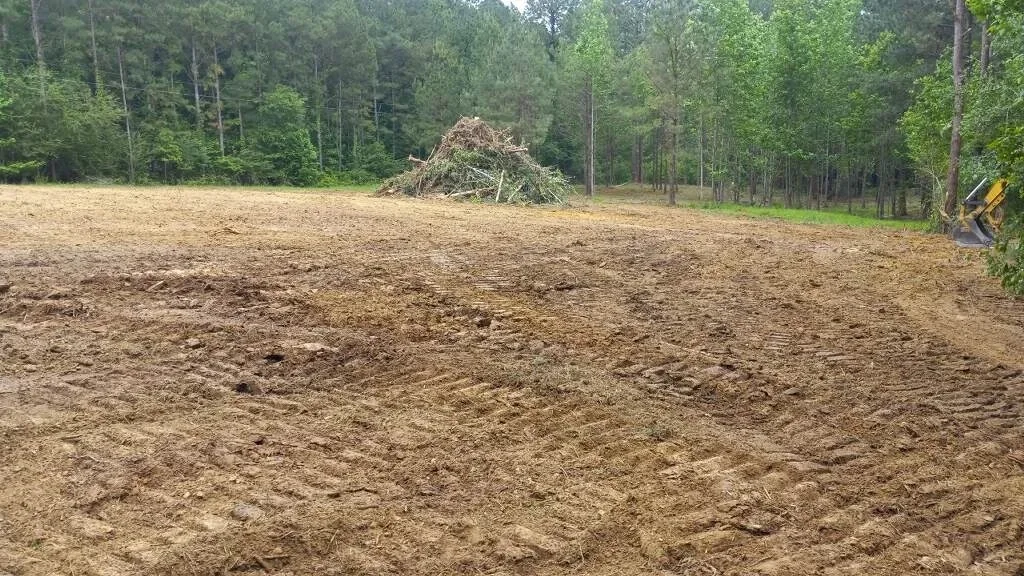
| Standard lot prep | $2,200–$4,000 | Rough and finish grade, drainage swales, spreading topsoil on-site |
| Full lot with structural fill | $4,000–$5,500 | Cut-and-fill, compaction, drainage corrections, moderate haul-off |
| Steep or rocky mountain lot | $5,500–$8,000+ | Terracing, rock removal, engineered drainage, significant trucking |
These are working ranges, not quotes. The Henderson County grading cost breakdown walks through the line items that push a job higher. Slope and access decide the band; rock and haul-off decide where inside it you land.
When a grading job needs a licensed contractor and a permit
North Carolina draws a line between landscaping and construction, and grading crosses it when soil movement, retaining structures, or drainage work cross dollar and scope thresholds. The NC Licensing Board for General Contractors sets the threshold for when a project needs a licensed general contractor, and Henderson County's own review process layers on erosion control and drainage requirements for larger disturbance. If your job involves moving significant dirt, building a retaining wall, or redirecting water, ask who is licensed to do the work before you sign anything.
Storm history is part of the picture too. 16 federal disaster declarations touch this county across 1978-2026, and the overwhelming majority are water events. Every one of those pushed runoff at slopes that were graded for a drier assumption, which is why grading here is as much about where the water goes as where the dirt goes. The National Weather Service tracks the rainfall patterns that make the drainage line item non-negotiable rather than optional.
Clearing, grading, and excavation aren't the same bid
Half the sticker shock in Hendersonville comes from conflating services. Removing trees, stumps, and undergrowth is land clearing, and it happens before grading starts. Moving and shaping soil to a design elevation is grading. Digging footings, trenches, and foundations is excavation, and it's a separate scope with its own equipment and ticket. A bid that bundles all three without itemizing them hides where the money goes and makes it impossible to compare two contractors fairly.
Ask for the split. A clear proposal names the clearing area, the cut and fill volumes, the finish elevations, the drainage work, and the disposal plan. If a quote says "grading" and nothing else, it isn't a scope, it's a guess dressed up as a price.
Getting a usable quote in this market
Hendersonville has enough grading crews that no homeowner needs to accept the first number, but the good ones are booked, and the differences between bids are often invisible on paper. The move is to make every contractor quote the same thing: describe the finished grade you want, name the drainage outcome you need, and ask each one to itemize machine access, rock contingency, and haul-off separately. Then compare line by line rather than bottom line.
On older in-town lots, ask whether the crew has worked the tight-access streets around downtown before, because a machine that can't reach the back yard changes the entire plan. On ridge lots, ask what happens if the cut hits rock, and who pays for the extra. The answers tell you more about the contractor than the price does.