Access and haul decide the price here, not the bucket
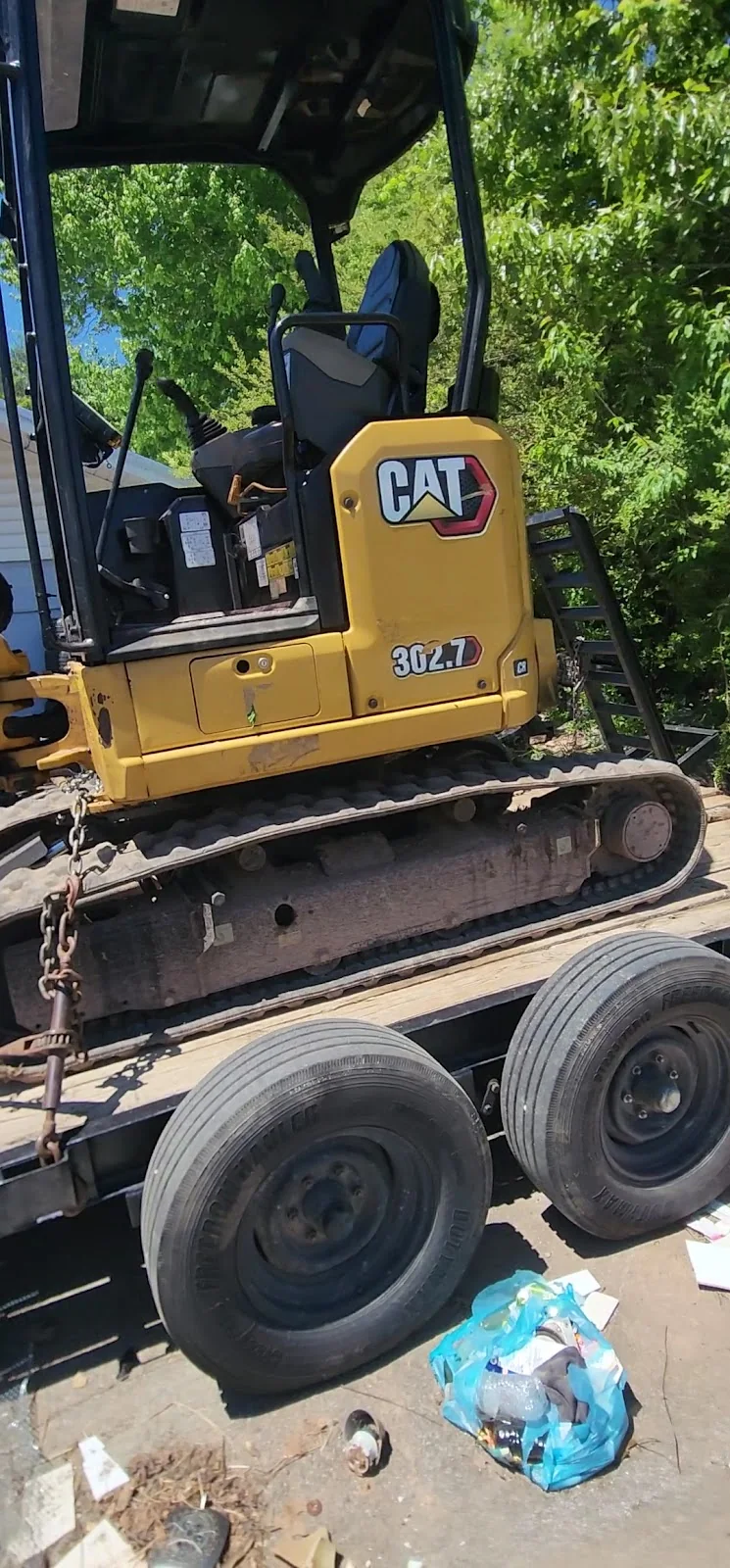
In Madison County, the hard part of most excavation jobs is rarely the digging. It is getting a full-size machine up a gravel drive that was cut for a pickup, and then figuring out where the spoil goes. A site on the hills above the French Broad can sit twenty minutes of winding road from a wide spot where a dump truck can realistically turn around. On jobs like that, trucking and traffic control quietly become the largest line items on the quote, bigger than the actual cut.
That is why two Hot Springs addresses two miles apart can come in hundreds of dollars apart per load. A flat lot with a wide county-road frontage is a straightforward job. A graded shelf on a ridge line with a hairpin at the bottom is a different business entirely. When you call, describe the driveway before you describe the project: width, surface, steepest pitch, and where you would park a loaded dump truck.
What the ground does to the schedule
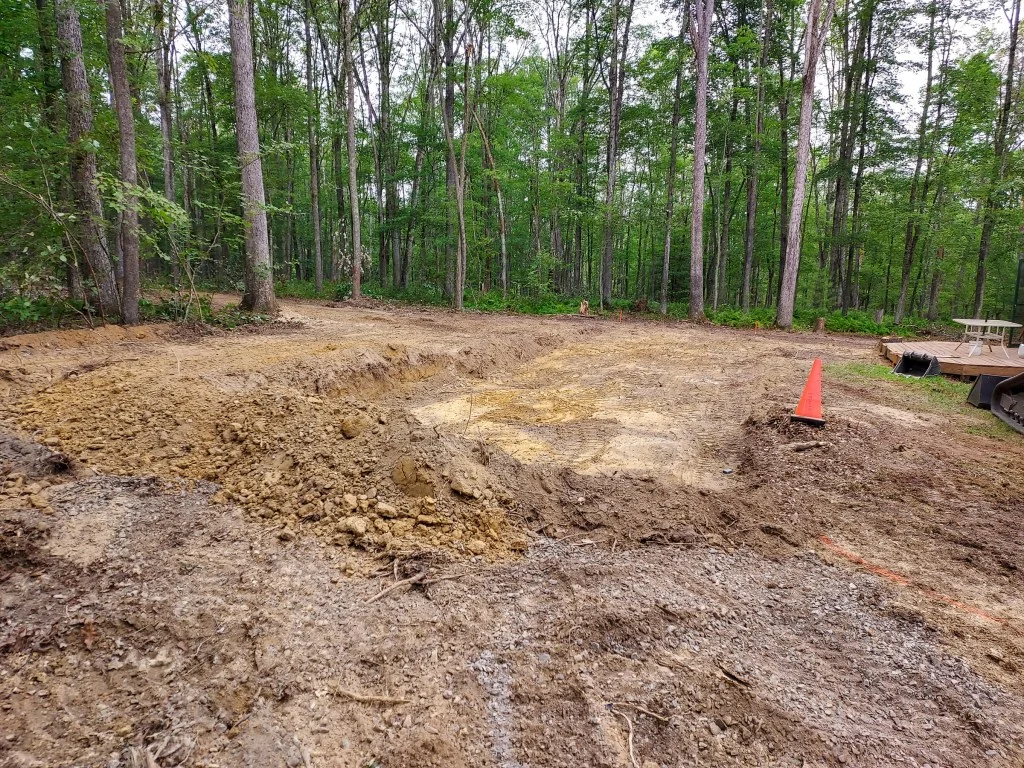
Mountain ground is variable ground. A cut that hits clean, well-drained soil one lot over can hit rock the next, and rock changes the method rather than the goal. If a footing or utility trench runs into competent rock, the options are typically hydraulic breaking, a smaller machine working it in sections, or an engineered adjustment to depth. Each one carries a different cost and a different day count, and none of them can be priced honestly over the phone.
The honest approach on a first visit is to expose a test area where the work will actually happen, log what the machine finds, and quote from that. It sounds slower, and on a straightforward site it is. On a steep Madison County lot it usually saves money, because the alternative is a contract that gets re-negotiated on day two with the equipment already on site.
The Hot Springs price picture
Regional bands for residential work, so you can sanity-check a bid before you sign. The working numbers by scope:
| Scope of work | Typical range |
|---|---|
| Small trench or footing dig, easy machine access | $600–$2,000 |
| Driveway cut and gravel, moderate slope | $2,500–$6,500 |
| Building pad cut and rough grade, accessible lot | $3,500–$9,000 |
| Steep-access site with limited truck turning | $6,000–$14,000+ |
| Spoil haul-off, per load (quarry distance dependent) | $275–$525 |
| Culvert or drainage crossing installed | $1,200–$3,800 |
The rock clause is the one to read carefully in any bid. It should say what happens when the dig hits material the machine cannot cut, and how that gets charged. A bid without a rock clause on a Hot Springs hillside is incomplete, not cheaper. See the full Madison County grading cost breakdown for how these bands track against grading-only work, and the Hot Springs grading page if your job is finish grade rather than excavation.
Where the gravel price actually comes from
Madison County does not have a quarry on every corner, and that single fact sets the delivered cost of every ton of base, stone, and fill that leaves a quarry for your driveway. It is a short haul compared to driving it in from another county, and a long haul compared to a job sitting next door to the pit. When you price a driveway, you are pricing truck cycles, not just material.
A few things that reduce that number honestly: keeping a usable width rather than overbuilding, staging loads so the truck is not sitting in your drive waiting on a machine, and keeping the spoil on site where it can be used as fill instead of hauled away. On steep ground, on-site spoil reuse is often the single biggest saving available.
Rules, water, and hiring well
Land disturbance in North Carolina triggers erosion control obligations on the state's own threshold, and the NC Office of State Fire Marshal code enforcement office is the entry point for understanding which code editions and local amendments apply to your build. Any project tying into a septic system or a well also moves the conversation onto state health rules, so plan that sequence early rather than discovering it at final inspection.
Stormwater is the other Madison County constant. Over a record that spans 1978-2026, 21 federally declared events have touched this county, and the pattern is overwhelmingly flood and storm family. Excavation that ignores how water arrives and leaves a slope is excavation that gets redone. The National Weather Service flood resources are worth reading before you finalize a cut on any site near a creek or a low crossing.
On licensing: North Carolina draws a clear line at project value and scope, and the NC Licensing Board for General Contractors publishes the threshold. Excavation for a structure, road, or utility project can cross that line depending on the work and the contract amount, so ask the contractor how they are licensed for your scope rather than assuming the line is the same everywhere. When your job is bigger than a single cut, start with the excavation contractor overview to understand how scoping and sequencing normally work.