In this valley, access decides the price before the pipe does
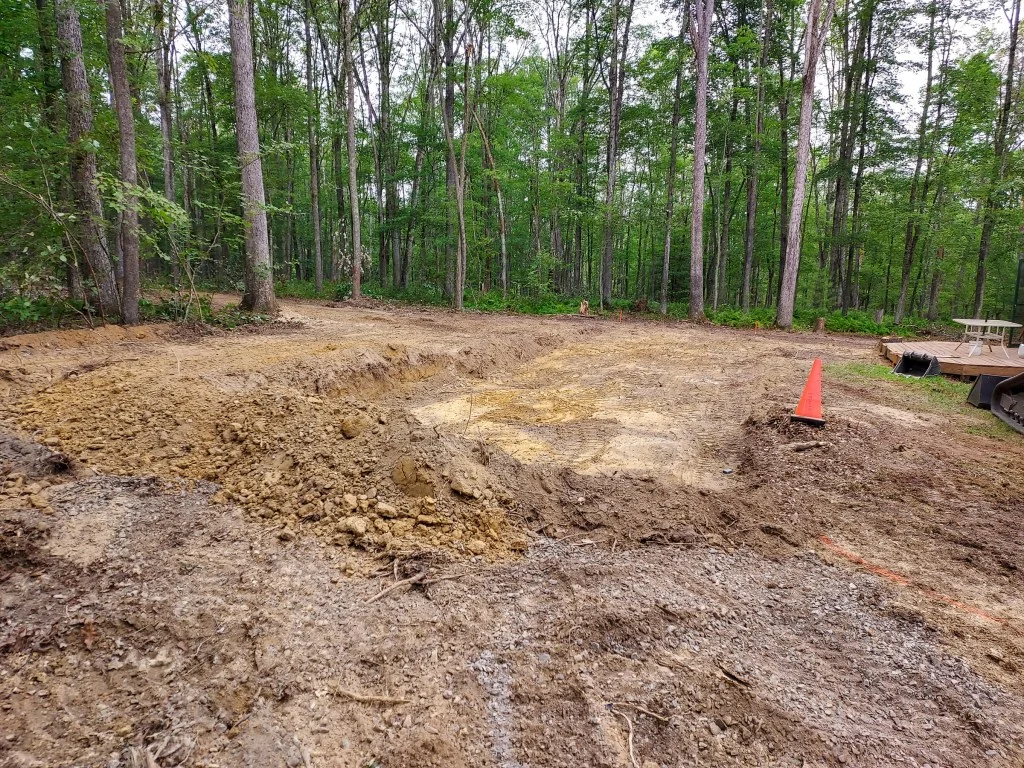
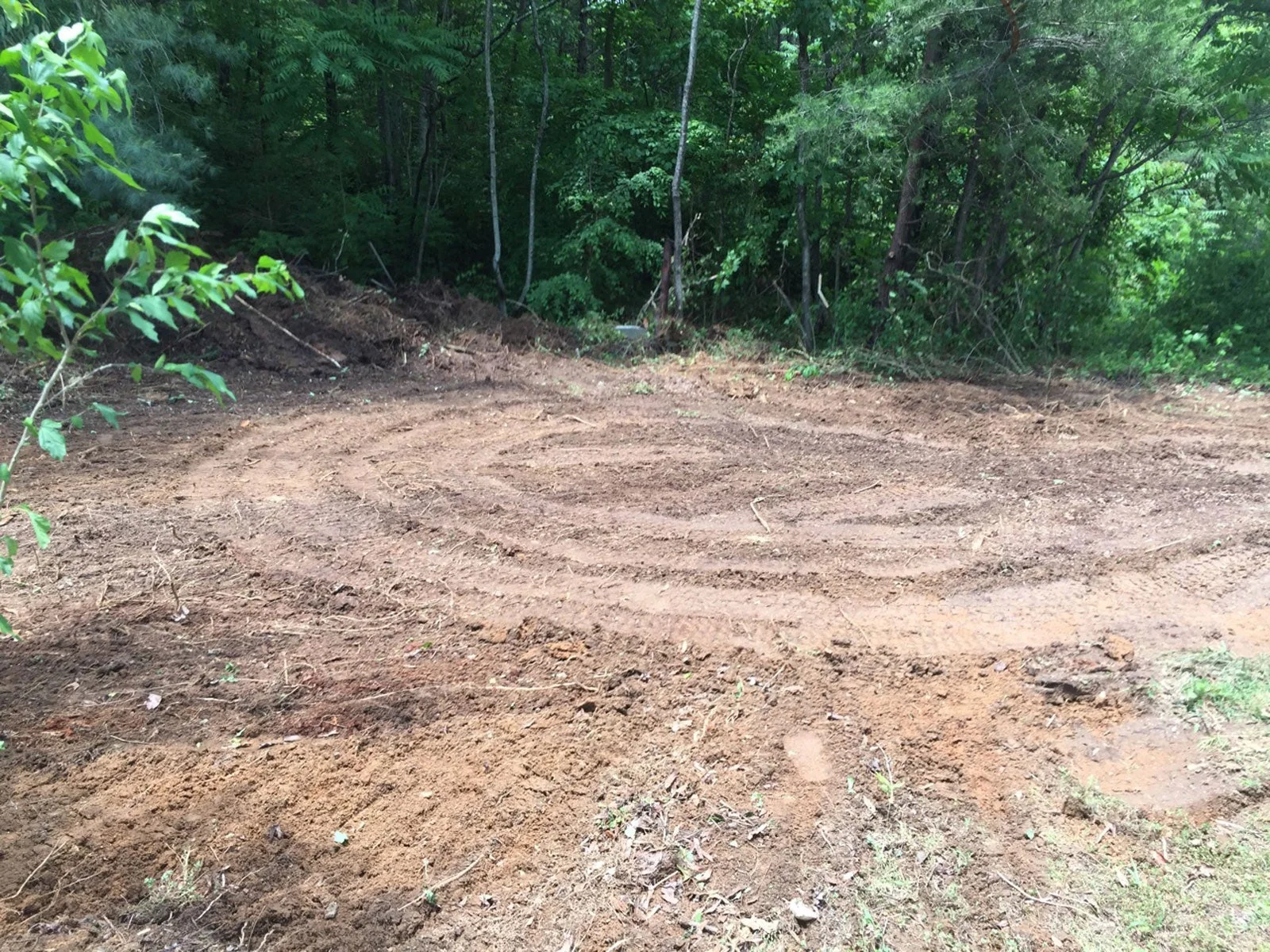
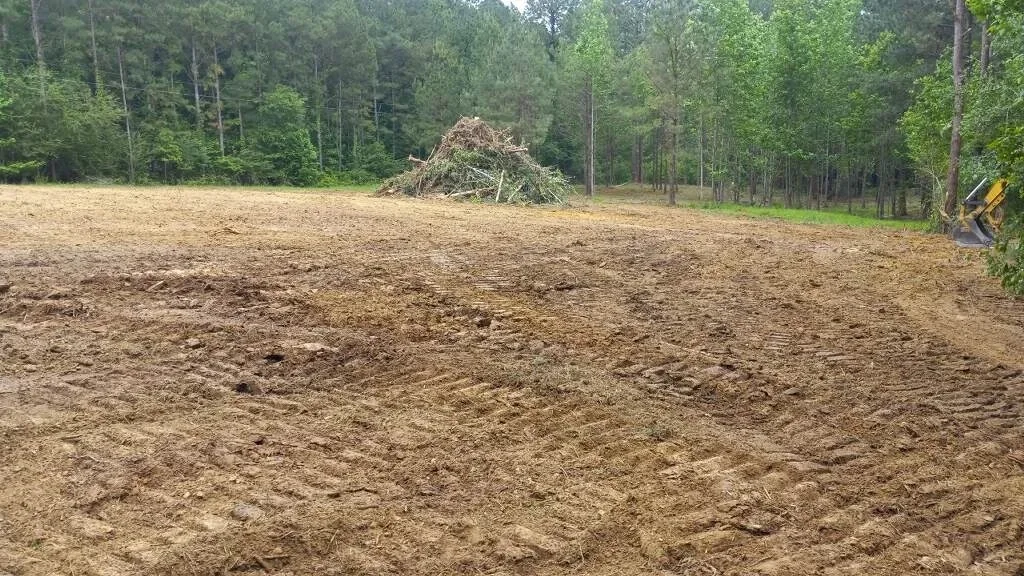
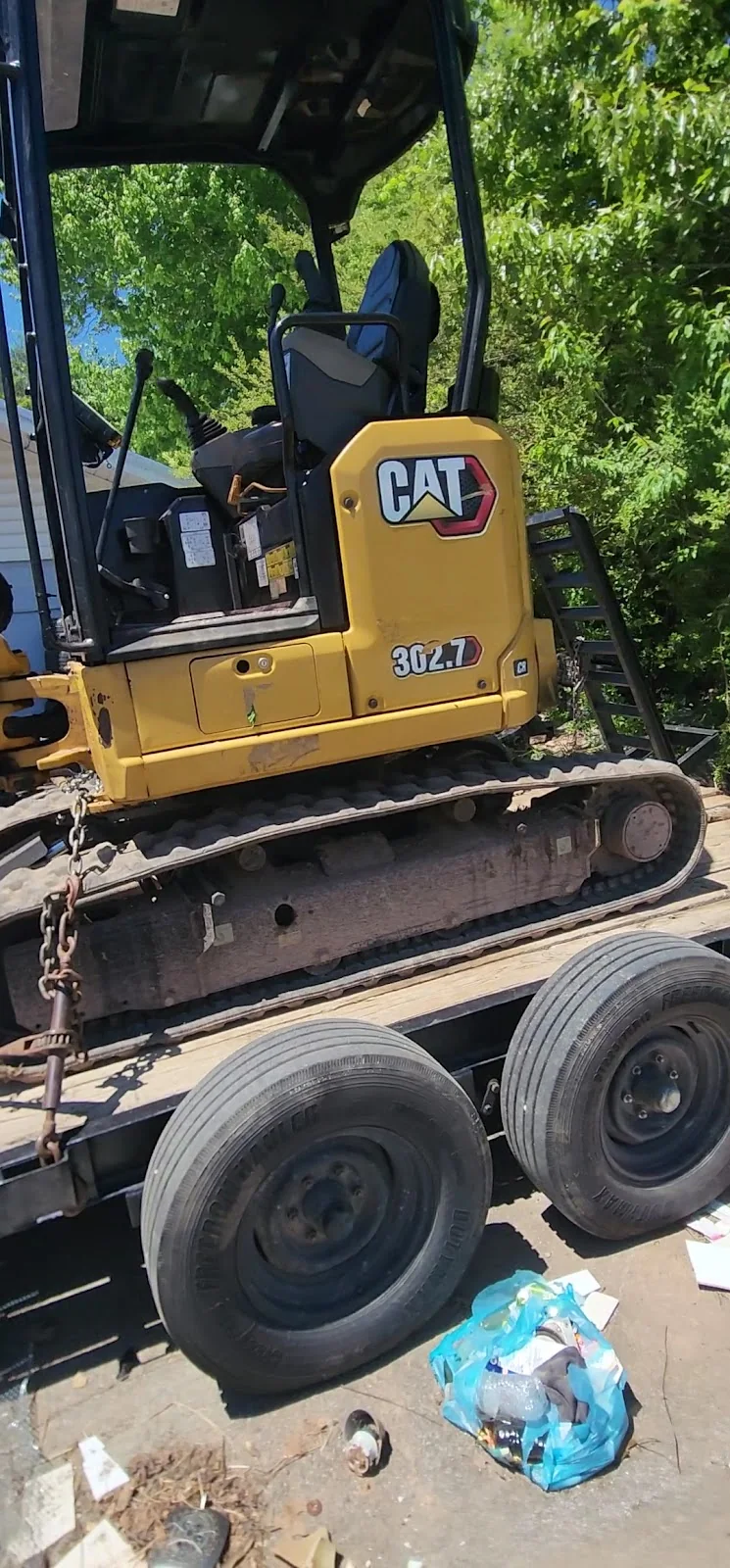
A culvert quote in Maggie Valley is really two quotes stacked. The first is the pipe and bedding. The second is everything about getting to the pipe: whether a mini-excavator can track up Soco Road's shoulder onto your drive, whether a full-size machine can turn around once it's there, and where the spoil goes when the trench is dug. On a flat lot in the county seat, that second quote nearly disappears. On a one-lane gravel drive climbing toward the Blue Ridge escarpment, it can be half the job.
Haul distance compounds it. Haywood County has no sand-and-gravel pit on every ridge, so the bedding stone and pipe make a trip — and if the truck can't back to the culvert site, someone is moving material the last stretch by machine, twice. The honest way to read a bid is to ask which of those costs are itemized. A number that skips them isn't cheaper; it's incomplete.
What a culvert job includes here, and what it costs
Most residential driveway culverts in Maggie Valley are 12- to 24-inch corrugated or smooth-wall pipe set in a bedded trench with flared end sections, headwalls or riprap where the outlet will scour, and the drive rebuilt over the top. The table below is typical scope-to-price for this county. Anything at the top of a range usually means long runs, concrete pipe, or a steep, hard-to-reach crossing.
| Scope | Typical installed range |
|---|---|
| Short driveway culvert, 15 ft or less, plastic HDPE or corrugated | $1,500–$2,400 |
| Standard driveway culvert, 20–40 ft run with end sections and riprap | $2,400–$4,500 |
| Long crossing, 40 ft+, or any concrete pipe | $6,000–$9,500 |
| Trench rock excavation, spoil haul-off, or access prep | Quoted individually — the biggest swing item on steep lots |
Wherever the number lands, it should be itemized against these lines. Compare the Haywood County grading cost breakdown if the culvert is part of a larger driveway or drainage project, since combining the two is usually the cheaper way to buy them.
The permitting question people ask second, and should ask first
Who has jurisdiction over a culvert depends on whose road it crosses. If your driveway meets a state-maintained road, the state sets the pipe size and end-treatment rules and issues the driveway permit; if it meets a private or town-maintained road, those requirements move. Separately, the grading and excavation work itself can cross North Carolina's general contractor licensing threshold based on project value — the NC Licensing Board for General Contractors is the reference for when a contractor must be licensed. Get this settled before a machine shows up: an undersized pipe that a reviewer rejects is a re-dig, not a punch-list item.
Another rule worth knowing before you build anything: no discharge arrangement on your property should send concentrated flow onto a neighbor. FEMA's disaster record for this county explains why. 19 federally declared events have touched Haywood County over 1973-2026, and they are overwhelmingly flood and storm events. A culvert that concentrates water is how those events get a driveway attached to them.
Terrain, water, and why the pipe size is not a guess
Maggie Valley sits in a valley for a reason, and the ground here notices water. Mountain soils are often thin over rock, so a culvert is less about moving water from a ditch and more about passing a defined flow under a fill that you need to stay put. That makes the sizing calculation the real engineering content of the job: drainage area above the crossing, the intensity of a large storm, and the slope of the channel through the pipe. Undersize it and the first serious rain buries it or washes out the drive; oversize it needlessly and you've paid for pipe and cover depth you didn't need.
Outlet protection matters as much as the pipe. Water leaving a culvert on a mountain drive arrives with energy, and unprotected outlets cut gullies fast. That's why riprap, headwalls, and a stable outlet grade belong in the scope, not in an upsell later. The National Weather Service's local forecast and climate pages are a reasonable place to start understanding how much rain a given slope can deliver — see weather.gov — but sizing should come from the site, not the average.
Choosing a crew that has done this slope before
Excavation in this county is a skill you can test with three questions. First, what size machine fits down your drive, and do they own it or subcontract it? Second, what's the plan for the spoil — hauled out, spread, or stacked? Third, who signs off on the pipe size? A crew that answers those with site-specific numbers is a crew that has worked ridges here. For the broader service context, including driveway piping and drainage repair, the culvert and driveway pipe guide lays out what a complete scope looks like from first walk-through to drive restoration, and the Maggie Valley grading contractor list is where to start lining up estimates.