Read the driveway, pad, and ditch before you spend a dollar
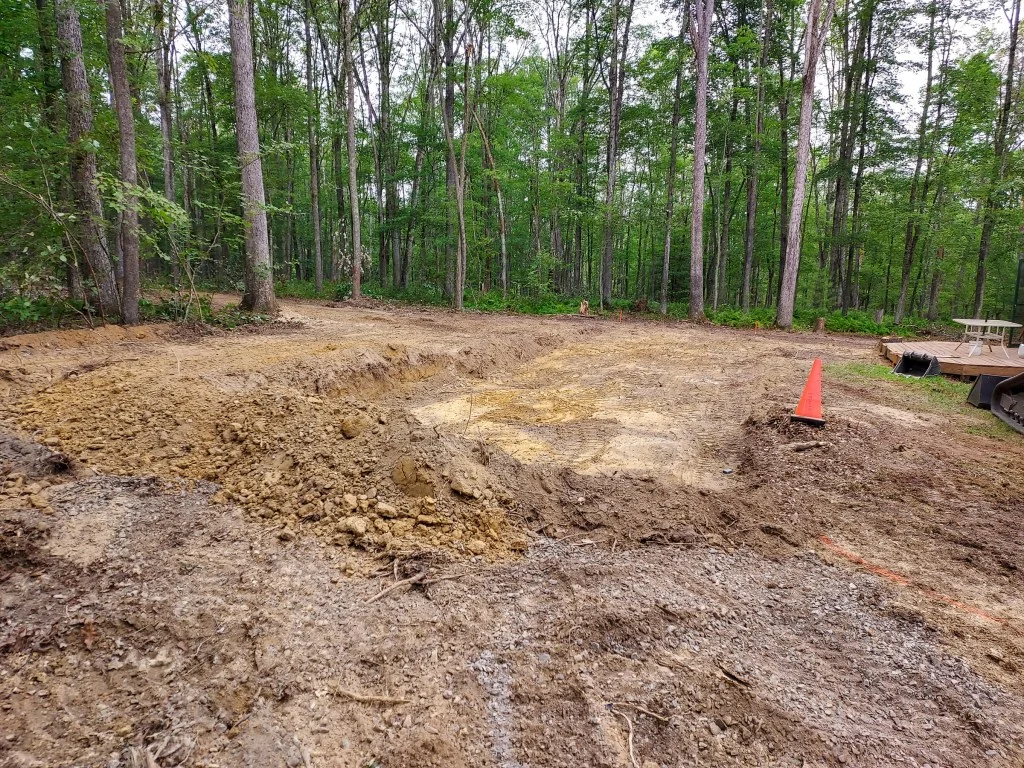
Most failed culverts in Candler fail for reasons that have nothing to do with the pipe itself. A driveway cut years ago on a slope off Pisgah Highway or Sand Hill Road may have the pipe set too high, the ditch running the wrong way, or the pad graded so water sheets toward the garage door instead of away. Replacing the pipe without correcting those conditions buys you a few more seasons and a second call. Before quoting, a competent crew walks the grade: where does uphill runoff actually go, does the ditch drain or pond, is the inlet buried, and does the driveway surface shed water toward or away from the structure. That read takes an afternoon and often changes the scope entirely.
Candler sits in Buncombe County's western valley country, where lots range from flat bottomland near Hominy Creek to steep cut-and-fill pads up the ridges. Both fail, but they fail differently. Flat lots pond and back up; steep lots scour and undercut. The culvert and driveway pipe guide covers how each condition gets handled, but the short version is the same: correct the water path first, then size and set the pipe to match it.
Driveways off Smokey Park Highway and Old Haywood Road tend to sit on a slope that drops toward the road, which means the pipe inlet is fighting gravity from the first rain. When a pipe is set level or even pitched the wrong direction, water sits in the barrel, sediment drops out, and the pipe silts in from the bottom up. Homeowners often describe this as a pipe that "just stopped draining," but it is really a pipe that never had the right fall. That is a grade problem disguised as a pipe problem, and it is the single most common thing a walk of the lot will reveal.
What the work actually looks like, and what it costs
Scope here means three things: the pipe (material, diameter, length), the trench and bedding, and the grading and stabilization work around the inlet and outlet. On a straightforward replacement in an existing driveway, a 15-inch HDPE or corrugated metal pipe running 20 to 30 feet under a residential drive usually lands in the low-to-mid four figures. Larger diameters, longer runs, driveways needing to be opened and rebuilt over the pipe, and outlet protection (riprap, headwalls, energy dissipators) push the number up from there. Permit and inspection requirements can apply depending on discharge location and slope, which is why scopes should be confirmed before work starts — the NC Office of State Fire Marshal publishes the state code enforcement framework that local jurisdictions operate under.
| Scope | Typical Candler range |
|---|---|
| Clear and re-set existing pipe, minor grading at inlet | $600–$1,800 |
| Replace 20–30 ft of 15-in pipe, re-bed, backfill drive | $2,200–$4,500 |
| Larger diameter or longer run under existing drive | $4,500–$7,500 |
| Full redo: pipe, regrade ditch and pad, outlet protection | $6,500–$8,500+ |
| Add-on: riprap or headwall at outlet | $400–$1,500 |
Material choice matters in these valleys. Corrugated metal is cheaper up front but rusts out faster in the damp, shaded hollows that stay wet longer, especially on north-facing slopes off the Hominy Creek bottom. HDPE flexes and resists corrosion, but it can deflect if it is not bedded and backfilled correctly. The right call depends on the slope, the soil, and how much water the pipe will actually carry, not just what is on the shelf. A crew that has replaced pipe on these ridges will have a preference and a reason for it.
When the culvert is fine and the grading is the problem
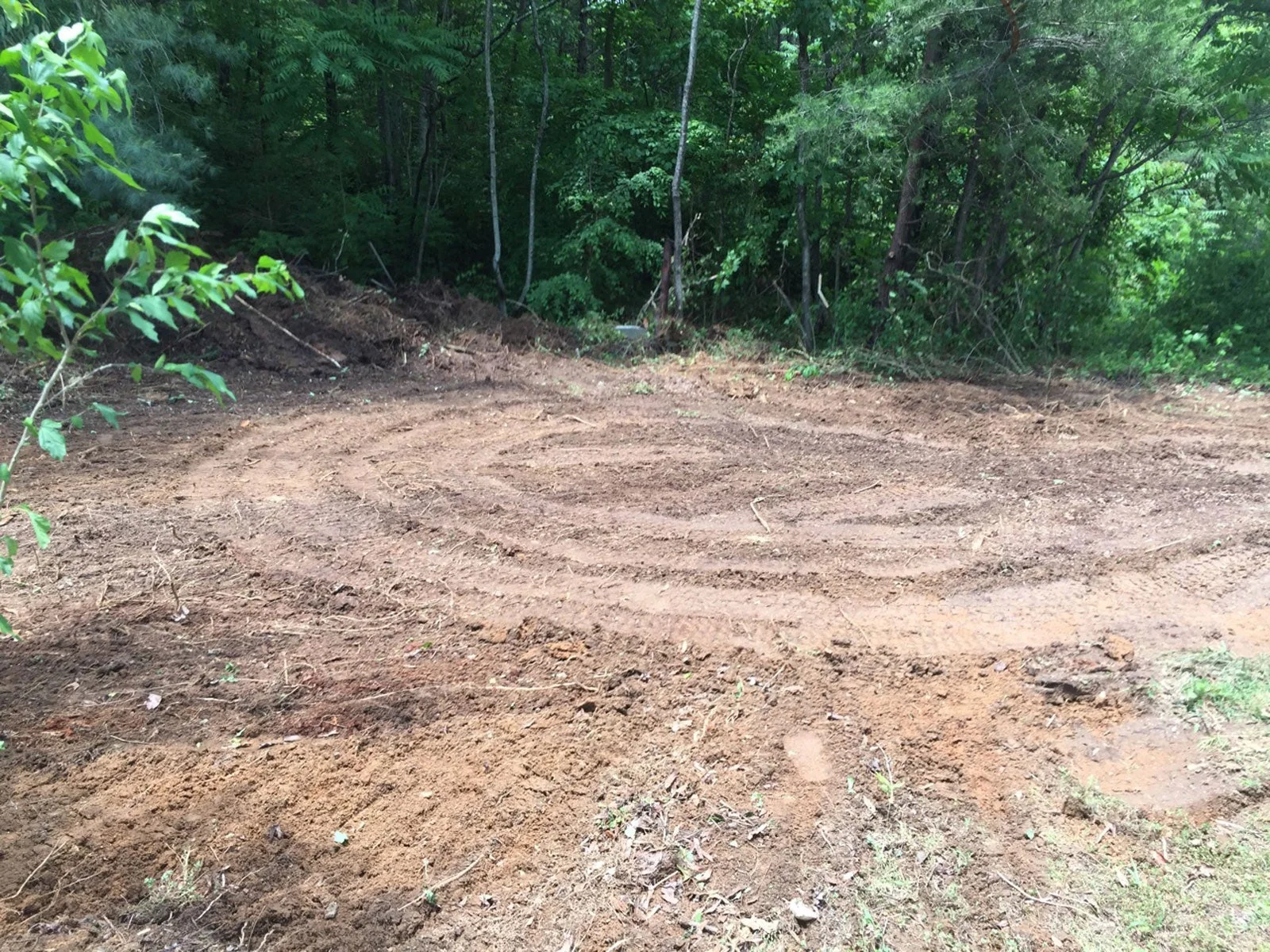
Plenty of Candler calls with a "collapsed culvert" complaint turn out to be a grading failure. Water is running along the driveway edge instead of into the pipe, or the ditch uphill was never cut deep enough, or the outlet is discharging onto a neighbor's yard because the original installer aimed the pipe at the property line and moved on. Those situations call for regrading and possibly a longer or repositioned pipe, and the Buncombe County grading cost breakdown is the right starting point for the numbers. Approaching it as a pipe swap wastes money and never addresses why the pipe plugged or blew out in the first place.
There is also a permitting layer worth understanding. Work that alters drainage or touches a stream or regulated wetland can trigger state and federal review. The U.S. Environmental Protection Agency maintains the federal guidance on stormwater and drainage permitting that helps clarify when a project crosses into regulated territory.
A concrete example from the Candler side of the county: a driveway that drains into a roadside ditch along a county road has to discharge where the ditch can carry it, not just where the pipe happens to point. If the outlet is aimed uphill or into a low spot that never dries, the pipe will stay full of water between storms, and the next hard rain has nowhere to go. Correcting that can mean adding pipe length, changing the outlet elevation, or cutting the ditch deeper uphill so water enters the inlet at a higher point and leaves with more energy. None of those fixes are expensive on their own, but together they are the difference between a pipe that works for a decade and one that fails again next spring.
Why water history matters more in these valleys
Buncombe County has seen 19 federally declared disaster events over 1973-2026 years, and the dominant family is storm and flood. That history shows up in Candler driveways, where intense rainfall moves a surprising volume of water off ridge slopes in a short window. A pipe sized for average flow will be overwhelmed during a real storm, and the driveway, pad, or foundation downhill takes the damage. Sizing matters more than most homeowners expect. So does outlet protection: an undersized outlet scours a ravine every season until the pipe end hangs in the air and the driveway above it starts to fail.
The terrain makes this worse than the raw rainfall numbers suggest. Much of Candler is a series of steep, short watersheds that dump onto narrow valley floors. Water that falls on a ridge above a house has very little ground to soak into before it reaches a driveway or a pad. That is why a pipe that looks oversized for the driveway width can still be too small for the water it will actually see. The National Weather Service tracks the rainfall intensity records that drive drainage design in this part of western North Carolina, and the pattern is not subtle: short, intense bursts do most of the damage.
Hiring someone who knows the terrain
Three questions worth asking any Candler crew before they quote. First, do they walk the whole water path — uphill inlet, pipe run, and downhill outlet — or just look at the pipe? Second, how do they handle the driveway surface after the trench is backfilled: compacted stone, millings, or new pavement? Third, will the scope spell out pipe material, diameter, length, slope, and outlet treatment in writing? Those items are where low bids quietly cut corners. North Carolina contracting rules apply once a job crosses certain dollar thresholds; the NC Licensing Board for General Contractors explains when a licensed general contractor has to be involved, and that's worth checking before signing anything.
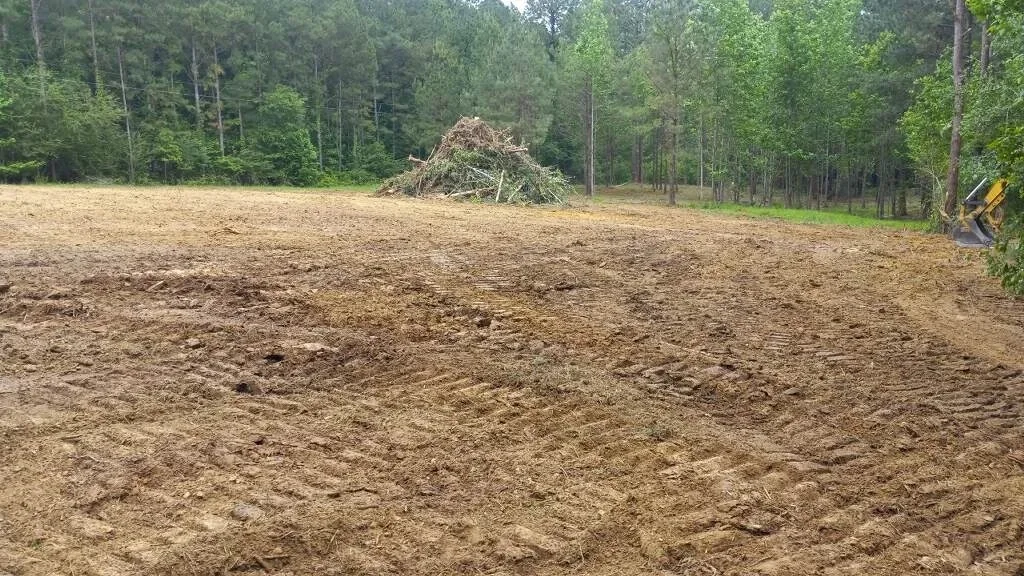
If the driveway pipe work is part of a larger project, the Candler grading contractors page covers how to sequence culvert, driveway, pad prep, and drainage so each step reinforces the last instead of undoing it.
One more local tell: a crew that has worked the slopes off Dogwood Road and the ridge roads above the Hominy Creek valley will already know that the soil here is a mix of clay and decomposed rock that behaves differently when saturated. Clay holds water and swells; the decomposed rock drains fast but erodes. The right bedding and backfill for one is wrong for the other, and a contractor who has not worked this ground may not notice the difference until the pipe settles or the trench washes out. Asking how they handle heavy clay versus rocky ground is a fair question, and the answer tells you a lot about whether they have actually done this work nearby.