The order a Mars Hill yard actually gets leveled in
Nobody starts moving dirt on day one. On the mountain lots around Mars Hill the first visit is a walk with a level and a water hose, because the question isn't whether the yard is low — it's where the water went when it got low. A crew marks the high point, the low point, the direction of natural fall, and any spot where runoff from the neighbor above is crossing your line. That assessment usually takes under an hour and decides everything downstream.
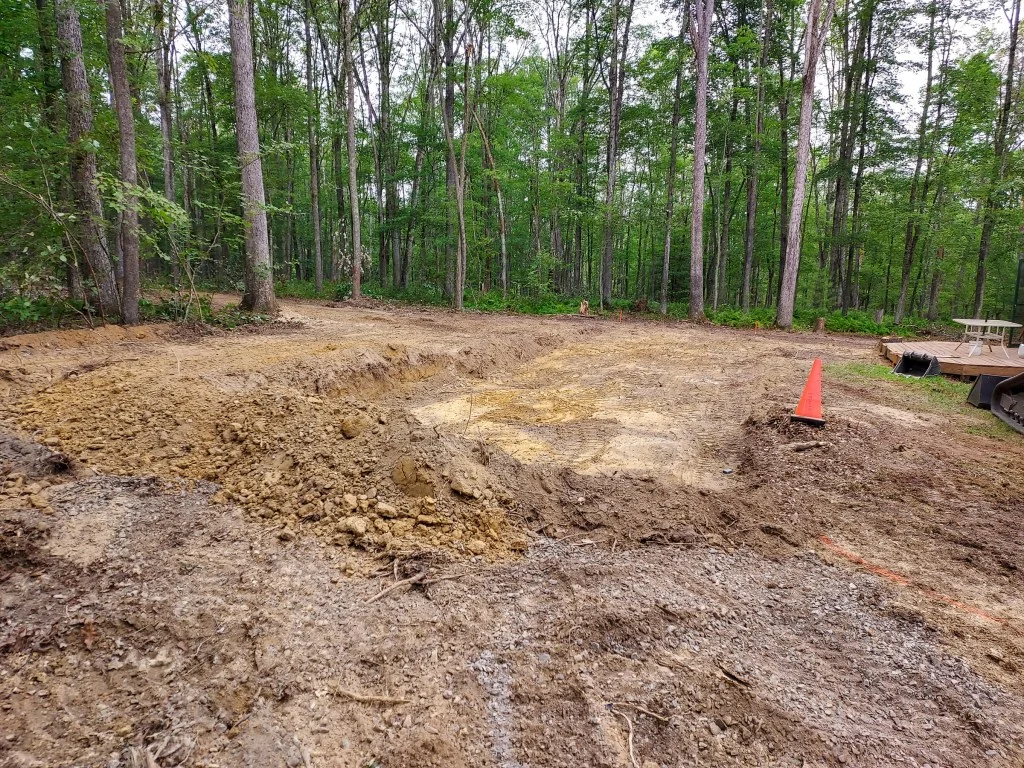
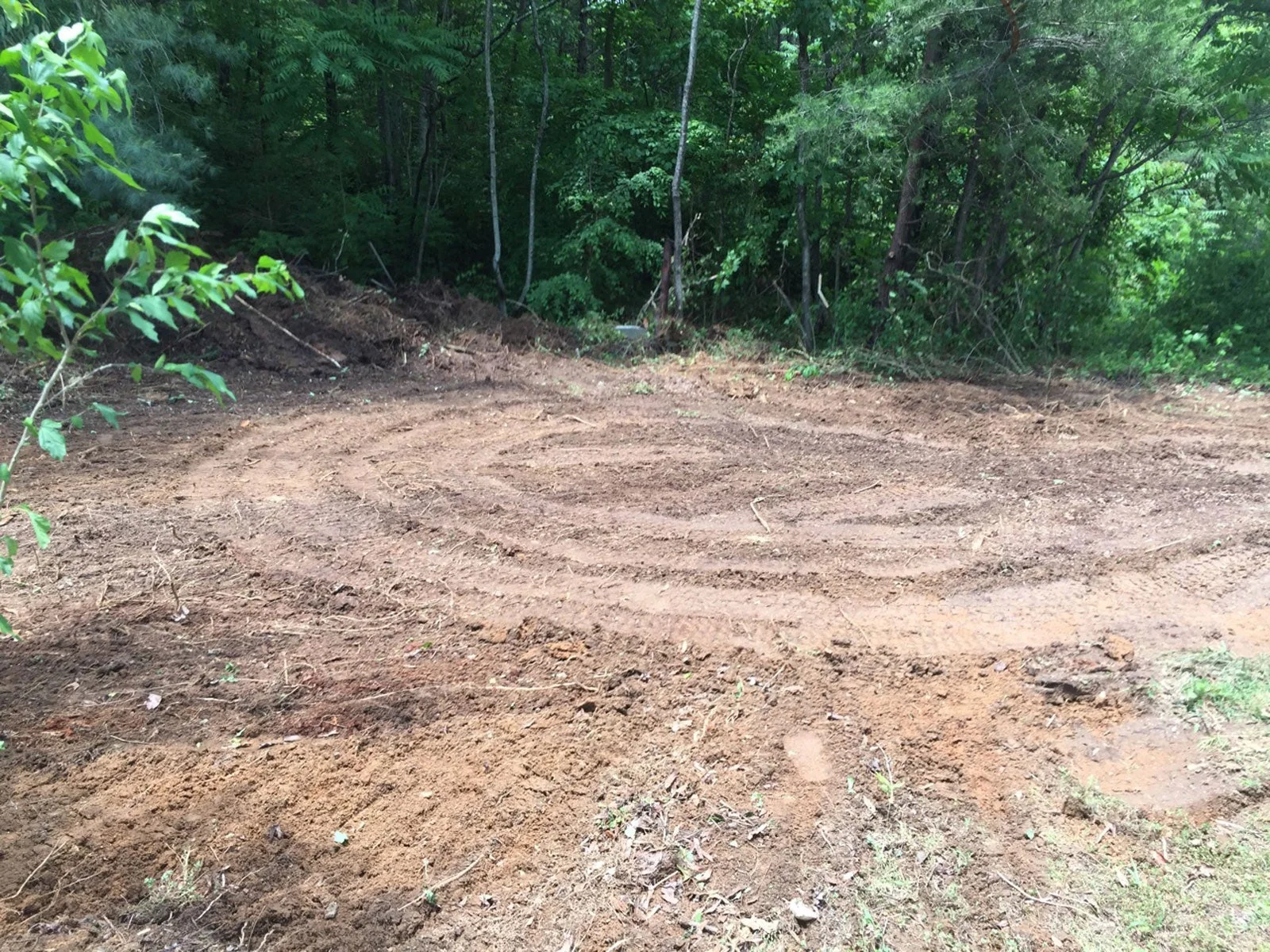
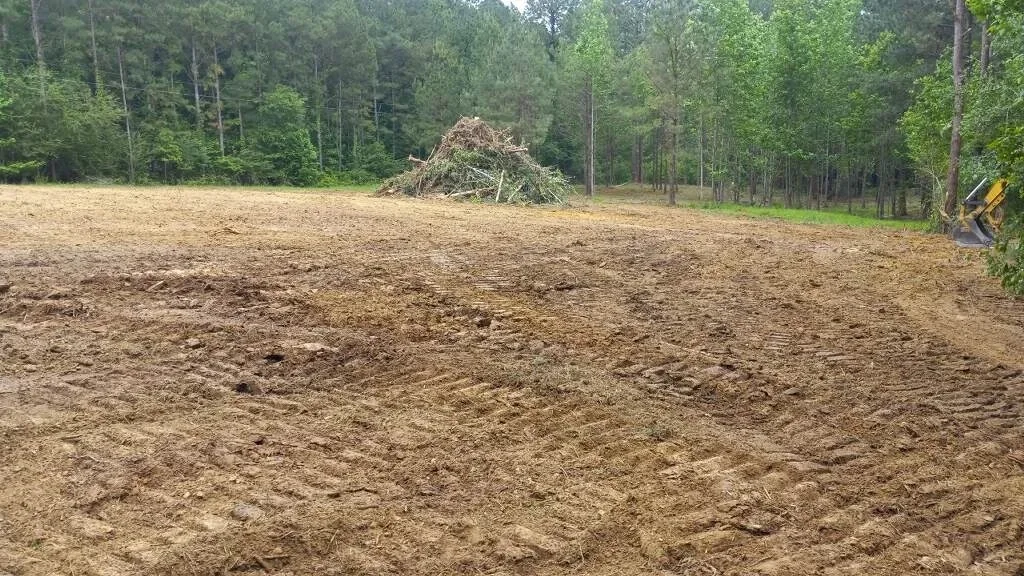
Day two is where the real decision happens: cut or fill. Most graded lots can't be simply filled, because fill soil settles and you're back to a puddle in a season. So the plan reads top to bottom — strip sod and topsoil from the working area, establish the new grade on the subsoil, then compact in shallow lifts before putting topsoil back. Then drainage: surface swales, a catch basin if the grade demands it, downspout extensions so roof water leaves the footprint. Finish grading is the last pass, raked and pitched to the new slope, and only then does seed or sod go down. A flat suburban lot is a two-day job. A Mars Hill hillside with cross-slope and a spring seep is a week.
For current official guidance, see the North Carolina State Board of Examiners of Plumbing, Heating and Fire Sprinkler Contractors. For current official guidance, see the North Carolina Department of Insurance, Office of State Fire Marshal.
What Madison County terrain does to a yard leveling quote
Mars Hill sits in a county where almost nothing is flat. The town climbs toward the ridge, and lots both in town and out toward the county line are cut into slope, often with engineered fill left over from the build. That shapes price far more than yard size does. A quarter-acre on a 4 percent fall is fast, cheap dirt work. That same quarter-acre on a 20 percent cross-slope needs a different machine, more time, and shoring of the downhill edge so the new grade doesn't migrate the first heavy rain.
Water history matters here too. The federal record shows 21 declared disaster events touching this county across 1978-2026, and the pattern is heavy rain and flooding. Every one of those events tested grades that were designed for a drier assumption. When a homeowner calls about a soggy yard, the honest first answer is often that the grade is only half the problem. The other half is where the water from uphill arrives, and that part doesn't get solved by adding topsoil. The National Weather Service keeps the rainfall records that show how hard these events hit the Blue Ridge, which is why drainage on a Mars Hill grade is not optional.
Scope to price: what each level of job costs
The table below reflects typical Madison County pricing. Jobs on steep ground or with drainage infrastructure push toward the top of the band; simple lawn corrections sit near the bottom.
| Scope | Typical range | Time on site |
|---|---|---|
| Spot leveling, small dips and ruts, hand work and plate compactor | $1,800 – $2,800 | Half day to 1 day |
| Full-yard regrade, topsoil strip and reset, reseed | $2,500 – $4,500 | 2 – 3 days |
| Sloped-lot grading with swale or catch basin | $4,000 – $6,500 | 3 – 5 days |
| Steep or fill-lot correction with drainage and compaction testing | $6,000 – $9,500 | 4 – 7 days |
For a fuller line-item view across the county, the Madison County grading cost breakdown walks through what drives each line. Treat any bid that only shows a single lump number with suspicion.
The steps, in sequence, and how long each takes
Here is the honest timeline a good crew works against on a Mars Hill job:
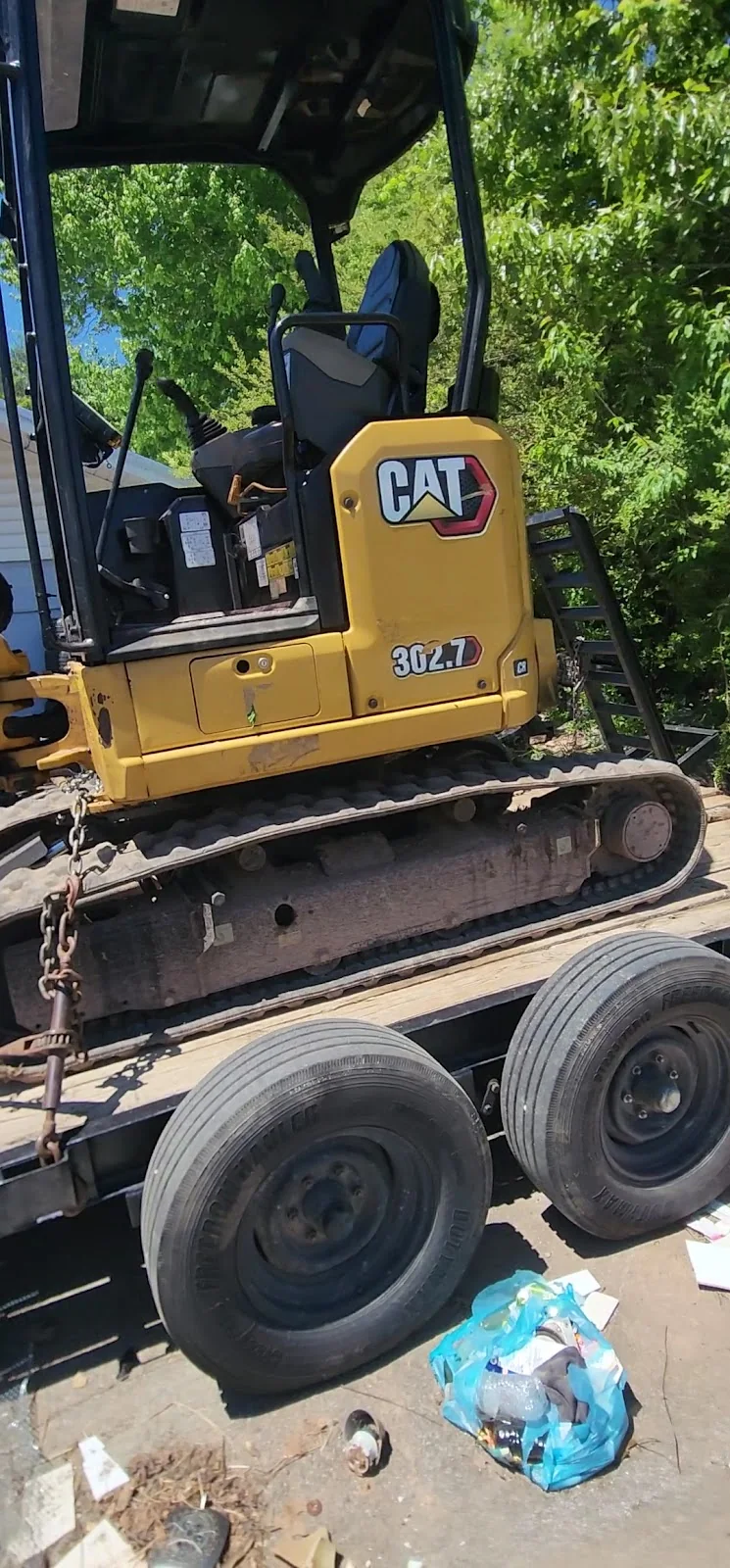
Step 1 — Site walk and grade plan (same day as the estimate, roughly an hour). Mark utilities before anything moves; North Carolina requires it and it's not optional. Step 2 — Mobilization and stripping (half day). Machine arrives, sod and topsoil peeled and stockpiled on site, not hauled away. Step 3 — Subgrade cut and fill (1 to 3 days depending on slope). This is the step that actually determines whether the fix holds. Step 4 — Compaction in lifts (same days as step 3). Shallow passes, not one big dump. Step 5 — Drainage rough-in (half day to a full day). Swale, basin, or drain tile depending on what the grade plan called for. Step 6 — Topsoil respread and final grade (half day). Raked and pitched, checked with a level. Step 7 — Seed or sod, watering instructions (same day). Then it rests — grass establishment is a waiting period, not a work period.
The grading itself is 2 to 5 working days for most Mars Hill yards. Weather can add days to that, and in a wet season it will. Anyone quoting a one-day turnaround for a sloped lot isn't planning to compact properly.
Before you sign: what to check on a Mars Hill contract
Three questions separate a real grading crew from a guy with a skid steer. First: will the bid state how fill will be compacted and in what lifts? That single detail is the difference between a yard that stays level and a yard that dips again next spring. Second: is drainage in the scope, and is it priced separately so you can see it? If the answer is "we'll figure it out on site," expect change orders. Third: does the job cross the threshold that requires a licensed general contractor? North Carolina's rules on who must be licensed are laid out by the NC Licensing Board for General Contractors, and it's worth reading before you compare bids. Separately, grading and drainage around a home need to keep surface water moving away from the foundation, which the International Code Council treats as a baseline requirement of good site work.
When you're ready to get eyes on the actual yard, the yard leveling service overview covers what a first visit includes, and the Mars Hill grading contractors page is the place to start if you want local crews who know the terrain.