The one-acre line that decides half the Candler jobs
Drive Hominy Creek Road, or the lanes off Asbury and Brown Gap, and the pattern is the same: narrow creek-bottom tracts carved into three or four buildable pockets, set against hillside parcels where the pad is the whole project. On these lots, the first real question is not blade size or stone grade. It is acreage. Under North Carolina's erosion-control rules, many grading operations that disturb more than one acre of total ground need an approved plan and permit, with sediment controls inspected on the way through. Below that line, most single-home pads in Buncombe County run on county sediment rules, which are lighter and faster.
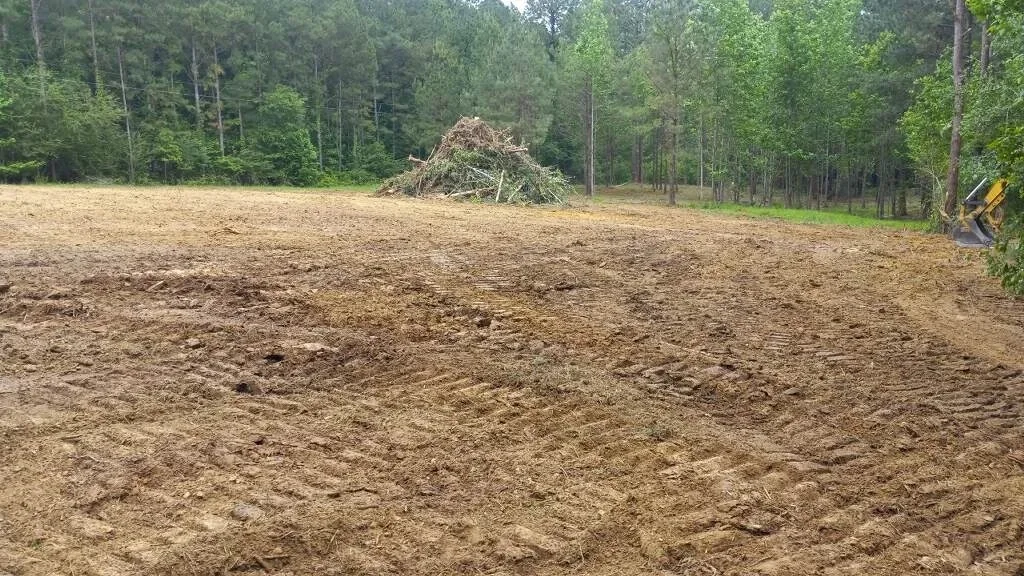
That distinction reshapes the scoping conversation. A Candler pad that stays under an acre might break ground in days, with a silt sock and a settled base. A one-acre-plus pad can add design work, a plan submittal, and inspections before the first cut. Owners who bought a two-acre hillside parcel expecting to "just push a level spot" often discover the permit line after the quote, not before it. Ask any contractor to say plainly whether your job needs a state plan, and get the answer in writing.
Not every lot's disturbance is obvious. A driveway cut that clips a wooded bank, a utility trench that runs fifty feet uphill, a spoil pile that spreads wider than planned — each adds to the disturbed acreage count. A Candler lot that looks like a simple half-acre pad can quietly cross the line once the driveway, turnouts, and drainage swale are included. That is why the acreage question belongs in the first site visit, measured rather than guessed. Contractors who walk the lot with a tape and a scope of work catch this early; ones who quote from a tax-card aerial often miss it. If your parcel sits near the threshold, the honest move is to have the disturbed-area tally written into the bid so the permit decision is not a surprise mid-job.
What Candler's ground actually does to a pad
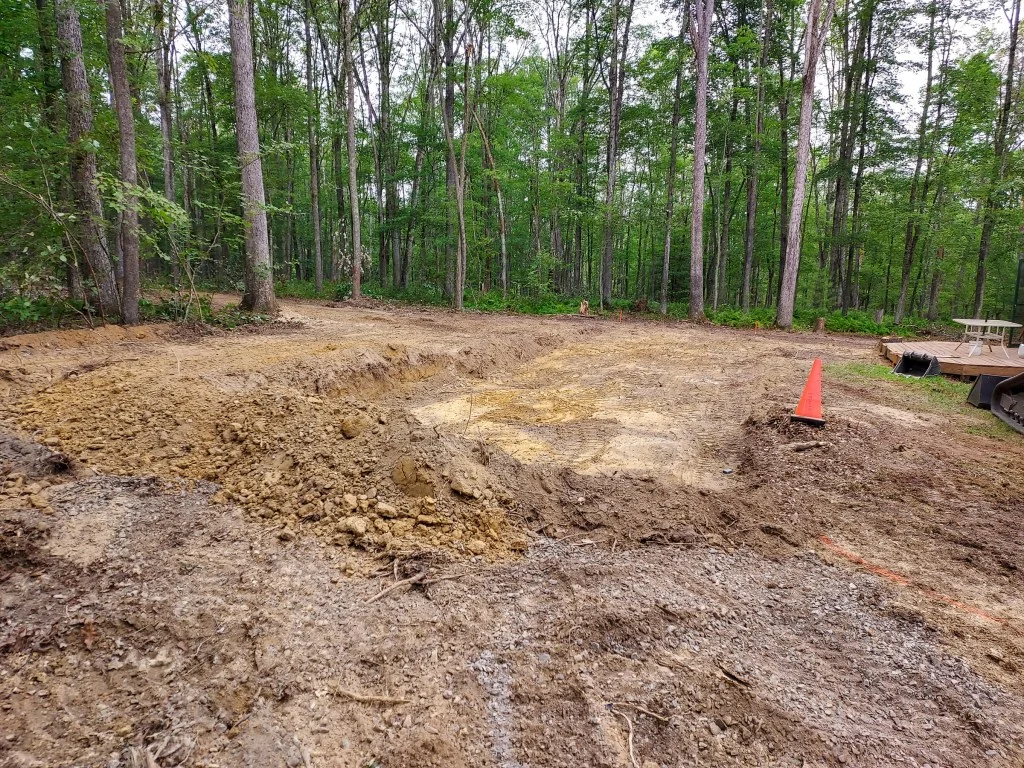
The terrain sets the scope more than the town does. Creek-side parcels bring water to the job site: seasonal saturation, soft spots after rain, and a pad that wants to sit higher than the existing grade. Hillside parcels bring cut-and-fill: topsoil stripping, a cut into the slope, a compacted fill bench below it, and retaining or drainage lines where the two meet.
Around Candler, the practical tells that a pad bid is incomplete: a number that never mentions topsoil depth, no plan for where spoil dirt goes, or a "we'll decide on-site" answer about footing elevations. Western North Carolina clay holds water stubbornly, so pads that skip the drainage detail tend to grow soft spots by the second spring. The ground here also changes fast. A lot that looks level from the road can hide a spring seam or rock shelf twenty feet back.
The Hominy Creek corridor in particular runs a shallow water table in wet months, and lots that back up to the creek bottoms off Asbury often show standing water in winter that vanishes by June. Builders who grade in the dry season and forget that pattern get a pad that reads firm at final grade and spongy in February. The fix is usually elevation: set the finished pad a foot or more above the surrounding grade and crown it so sheet flow leaves the building envelope. On hillside tracts off Brown Gap and the upper private roads, the opposite problem shows up — thin topsoil over fractured rock, which means shallow cuts and a fill bench that needs stone underdrain at the toe. Neither situation is unusual here, but both change the yardage, the stone, and the days on the job.
Scope versus price: the working Candler table
Buncombe County ranges run wider than flatland markets because terrain drives haul volume, stone, and permit work. Treat every row below as a planning range, not a bid.
| Scope | Typical range | What moves the price |
|---|---|---|
| Grading only (existing pad, no structural cut/fill) | $1,800–$4,000 | Access for machinery, trenching, water management |
| Small-house or ADU pad, gentle lot | $4,500–$8,000 | Topsoil depth, cut volume, spoil haul distance |
| Full house pad on slope with cut-and-fill | $8,000–$14,000 | Cut depth, fill compaction, retaining needs downstream |
| Creek-bottom pad with imported fill | $9,000–$16,000 | Fill yardage, stabilization, erosion controls |
| Gravel driveway build or rebuild | $3,500–$9,000 | Length, slope, culvert count, base depth |
| One-acre-plus plan and permit add-on | varies by plan and inspections | Design work, submittals, inspection sequence |
Full county cost detail lives in the Buncombe County grading cost breakdown, and broader scope context is on the site prep and building pads overview.
Two rows deserve extra attention in Candler. The creek-bottom pad looks simple on paper until fill yardage is counted: a lot needing three feet of imported lift across a 40-by-60 pad is moving hundreds of yards of material that has to be trucked in and compacted in lifts, and that is where the range stretches toward the top. The driveway row matters just as much here because many Candler parcels sit off private gravel lanes with a shared easement. Rebuilding that lane to handle concrete trucks is often a hidden line item, and it can carry its own erosion-control obligations if the regrade disturbs a large enough strip. A bid that treats the driveway as an afterthought tends to come back as a change order once the first mixer tries the slope.
Erosion control, water, and permitting discipline
Candler sees its share of heavy rain events; the federal disaster record for this county shows 19 declared events over 1973-2026, most of them storm and flood family. That history is why erosion controls here are not paperwork theater. A pad that dumps sediment into Hominy Creek or a neighbor's branch draws enforcement fast, and the fix always costs more than doing it right the first time. The NC Office of State Fire Marshal code enforcement resources cover how sediment and stormwater obligations slot into permitting, and the North Carolina Licensing Board for General Contractors explains when grading and site work cross the general-contracting threshold and require a licensed contractor. Pair that with a plan for where upland runoff goes before the cut is made, not after.
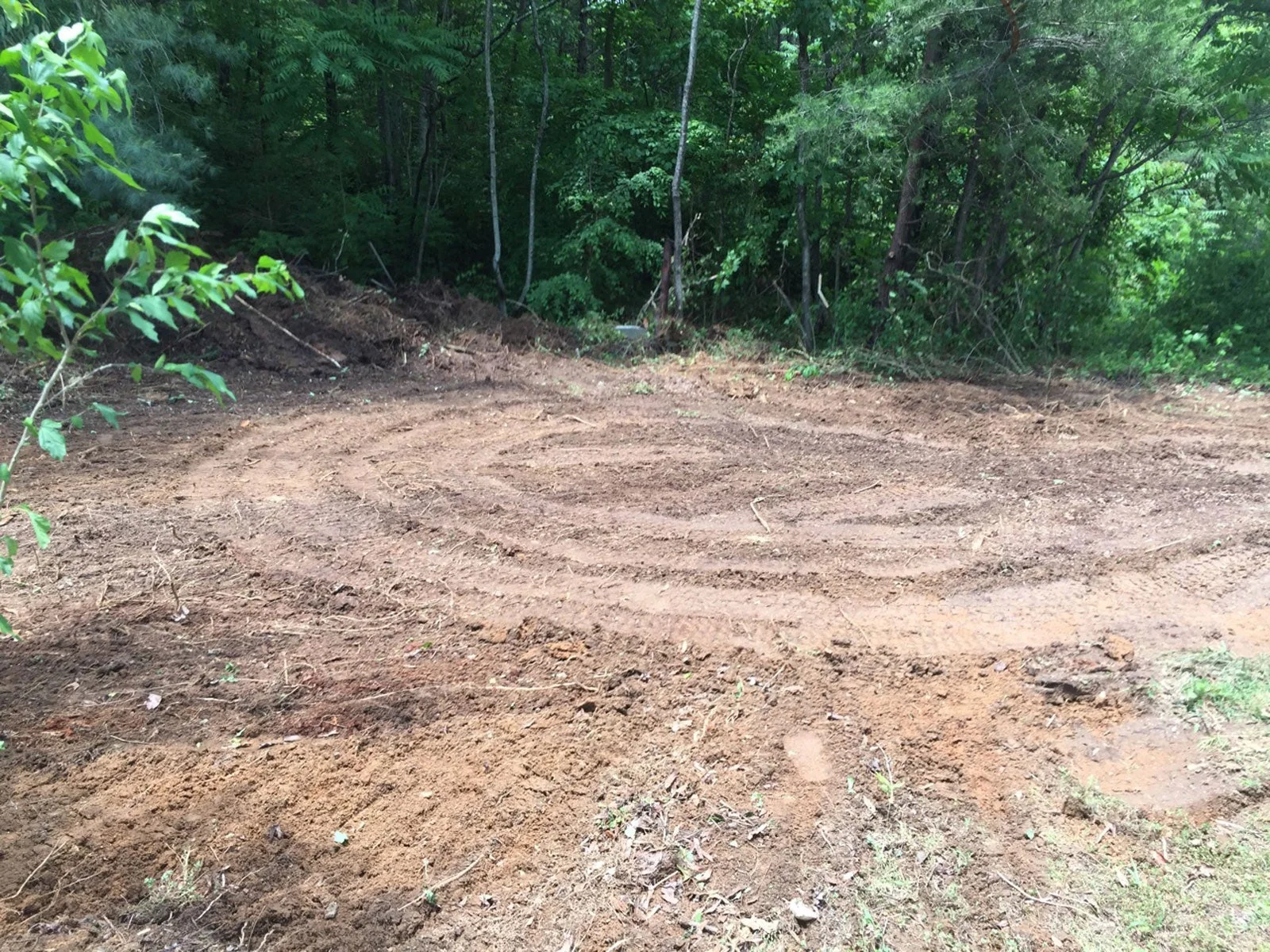
In practice, erosion control on a Candler job is a small set of measures that punch above their cost: silt fence or compost sock along the downhill perimeter, a stabilized construction entrance so clay does not track onto the lane, and a temporary diversion that keeps clean water out of the disturbed area. The failure pattern is almost always the same — controls installed after the first rain, sized for a light shower, and never cleaned out. Sediment that reaches a creek can trigger a notice of violation and a mandatory cleanup, and the county and state both take complaints from downstream neighbors seriously. On larger disturbed areas, additional measures like sediment basins or rock check dams may be required as part of an approved plan, which is one more reason to know your acreage before mobilization.
Scheduling a Candler pad around its weather window
Wet-season grading on Candler's clay is a known pain: machinery chews ruts, spoil turns to mud, and compaction gets expensive to verify. The practical window is generally late spring through early fall, with framing schedules built to keep the pad from sitting exposed through winter. If you must grade in the wet months, expect stone surfacing on haul routes and a bigger sediment budget. Owners who line up a Candler grading contractor before the dry season starts get better sub availability and less weather premium. The National Weather Service outlooks are the honest planning tool for that call.
Two local timing details matter more than most people expect. First, the drive time to a Candler job from the west Asheville side is short, so equipment moves and stone deliveries are not usually the bottleneck — but the private-road access is, and a narrow lane with a soft shoulder can rule out a loaded tri-axle in a wet week. Second, inspections on one-acre-plus jobs run on their own clock, so a plan that leaves the sediment controls in place through a rain event can wait days for the follow-up. Building the inspection sequence into the schedule, rather than treating it as an interruption, is what keeps a Candler pad from stalling out between cut and foundation. A pad that is cut, compacted, and verified before the fall rains arrive is a pad that does not need a dozer back in the spring.