What the ground under Canton actually is
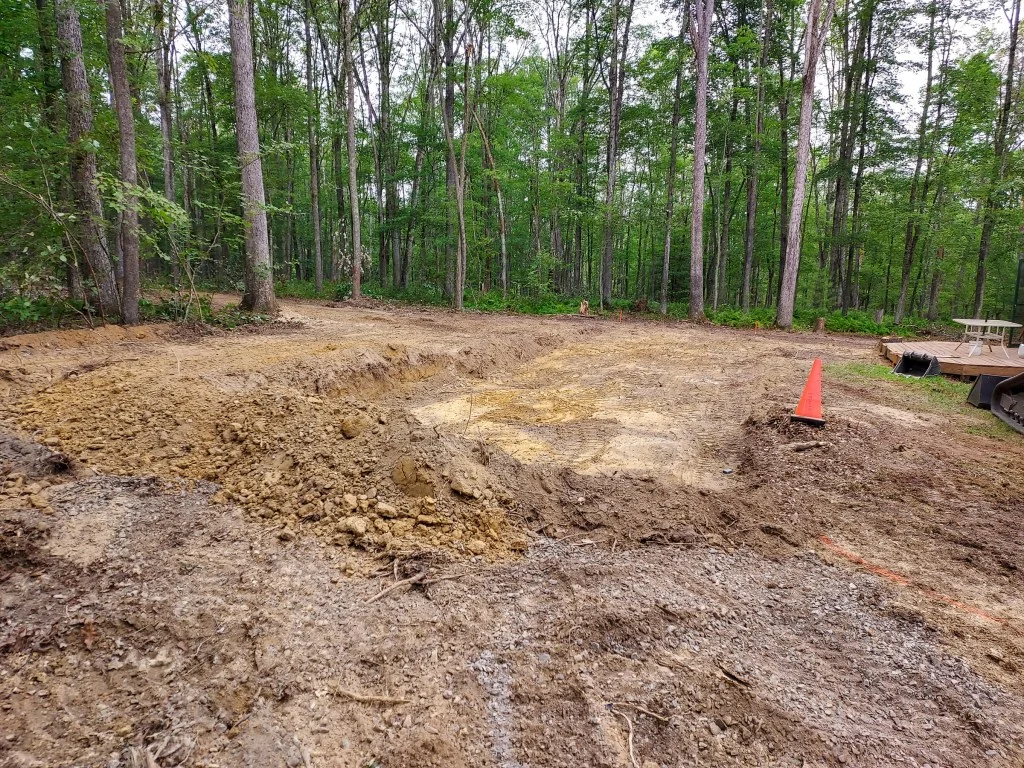
Dig anywhere in Canton and you meet one of three materials within the first few feet: red Piedmont clay that swells against a foundation wall, weathered rock and river cobble left by the Pigeon River's old channels, or fill placed decades ago when mill housing and small commercial lots were graded to a practical grade rather than an engineered one. Each one rewrites the scope. Clay means the hole has to be wider than the footing and shored more carefully, because the wall of the trench stops standing the moment it dries. Cobble means a mini-excavator can chatter for an hour on one corner while a neighbor hole cuts in twenty minutes. Old fill means nobody knows what the bearing soil is until the bucket finds it.
That is why quotes for the same "foundation dig" in Canton can differ by several thousand dollars. The work is not hauling dirt away. It is finding honest bearing, keeping the trench safe while it is open, and leaving a footing bed a concrete crew can actually use.
Scope and price ranges in Haywood County
These are working bands, not bid numbers. Depth, access, and what the spoil has to be trucked to move them. See the broader Haywood County grading cost table for how excavation prices sit next to site grading and drainage line items.
| Scope | Typical range |
|---|---|
| Isolated footing digs, hand-and-machine, shallow | $1,200–$4,500 |
| Full foundation perimeter, walk-out or crawl, good access | $3,500–$9,000 |
| Perimeter with shoring, tight side-yard access, or muck | $7,000–$13,000 |
| Deep stem-wall or stepped footing on a slope | $11,000–$18,000 |
| Rock removal, spoil haul-off, or imported footing gravel | Priced as an add, quoted after the first dig |
A flat lot with a machine-width door is the cheap end. A slope lot where the track machine cannot reach the uphill wall is the expensive end, and the price usually lives in the shoring and the haul, not the cubic yards.
Water in the trench before you pour
Western North Carolina weather is a real scope item here, not a footnote. The federal record shows 19 disaster declarations touching this county (1973-2026), and the recurring theme is rain and flooding rather than the slow kind of soil movement. The National Weather Service issues flood and flash-flood products for the Pigeon River basin that change what a safe open trench looks like, and no crew should be leaving a footing excavation open through a forecast event.
Three practical consequences. First, an excavated footing trench that fills with water is not usable until the mud is cleaned out and a clean gravel or concrete bed is restored. Second, any excavation below a neighboring foundation load line needs a plan for the water that will run at it, which is where the foundation excavation overview and the town-specific grading advice overlap. Third, some Canton lots will not hold an open hole at all, and the honest answer is a shorter, wider dig with backfill the same day.
When rock and old fill change the plan
Rock in a footing line cannot be left proud of the bearing plane. It has to be removed to grade, and near a structure that means careful breaking rather than a full-size hammer. Once rock is gone, the resulting void is not structural soil and gets concrete or approved granular fill, not loose spoil pushed back in. Old fill on the other hand is the opposite problem: it looks like soil, drills like soil, and does not carry load reliably. On a Canton lot that was graded before modern fill rules existed, the practical answer is to excavate to a depth the foundation design calls out rather than the depth the old grade suggests. This is where code language and clay language stop being the same thing. The International Code Council publishes the model provisions that most local footing and foundation requirements are built on, and they are worth reading before you approve a scope that assumes the ground is uniform.
Dewatering, shoring, and spoil handling are the three lines that most often separate an accurate Canton quote from an optimistic one. Ask where the excavated material is going. A job that says "we'll push it back" on a Canton clay lot is handing the homeowner the next drainage call.
Choosing a Canton excavation crew
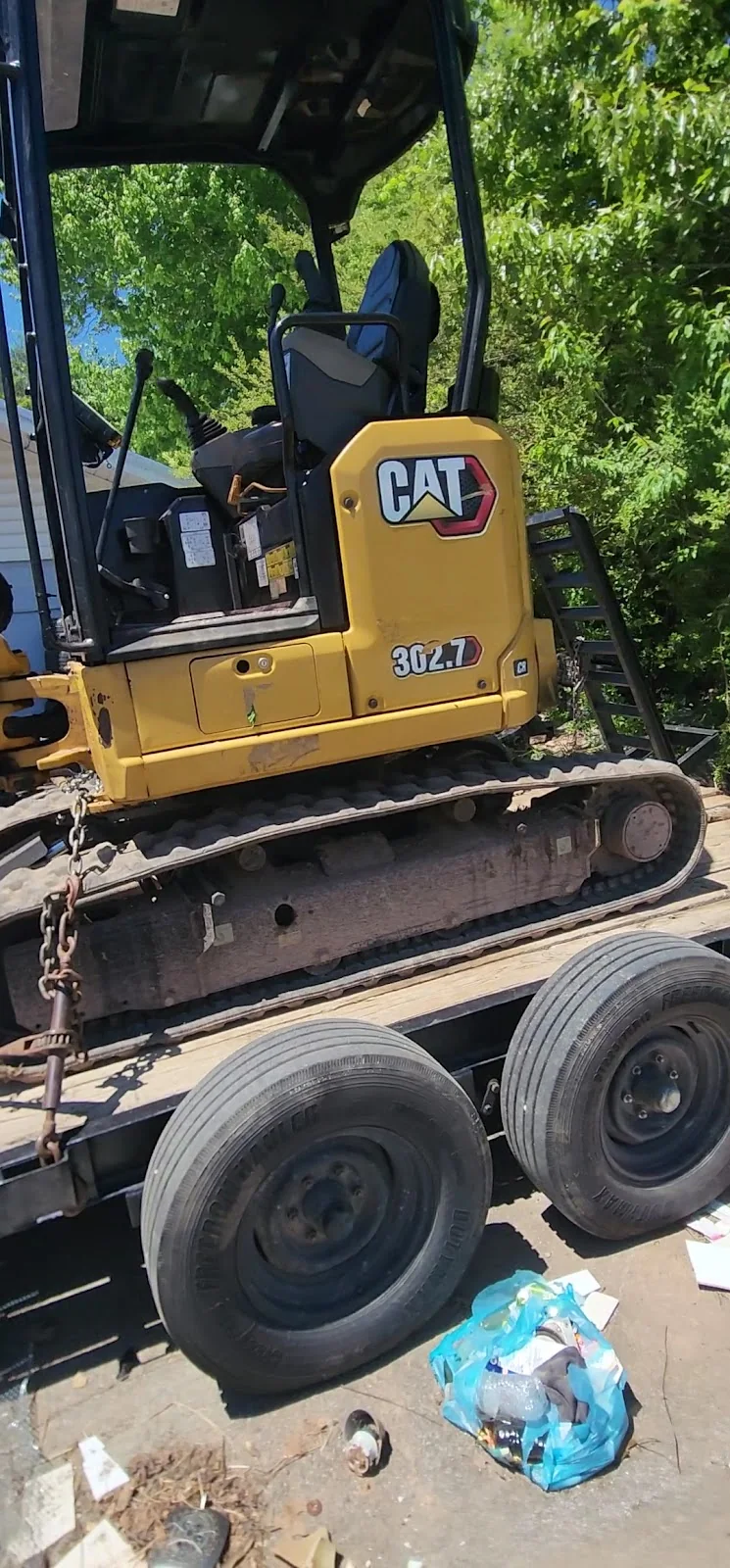
The state draws a clear line between general contracting and trade work at the NC Licensing Board for General Contractors threshold, and it is worth knowing where your job falls before you sign. Beyond licensing, three questions do the real filtering. Does the crew own or control a machine small enough to get to the side yard without destroying the drive? Do they have a written shoring plan for any excavation deeper than a person should stand in unshored? And are they coordinating with the concrete crew, or handing off an open hole that someone else inherits at noon?
Local credibility in this trade looks like this: the estimator knows what the soil looks like on your side of town before arriving, the crew pins utility locates before the first cut, and the scope names what happens to the spoil. If you would rather compare contractors before you call, the Canton grading contractor page covers how to read these bids side by side.