How a Lake Junaluska drainage job actually runs, start to finish
Water on this side of the county almost always arrives from above. The lake sits low, the town sits on benches above it, and the houses in between are stacked on slopes that shed toward the water. So the first visit is uphill reconnaissance, not a walk around your downspouts. A crew worth hiring will stand in your neighbor's yard and in yours, marking where the water enters the property before anyone quotes a linear foot of pipe.
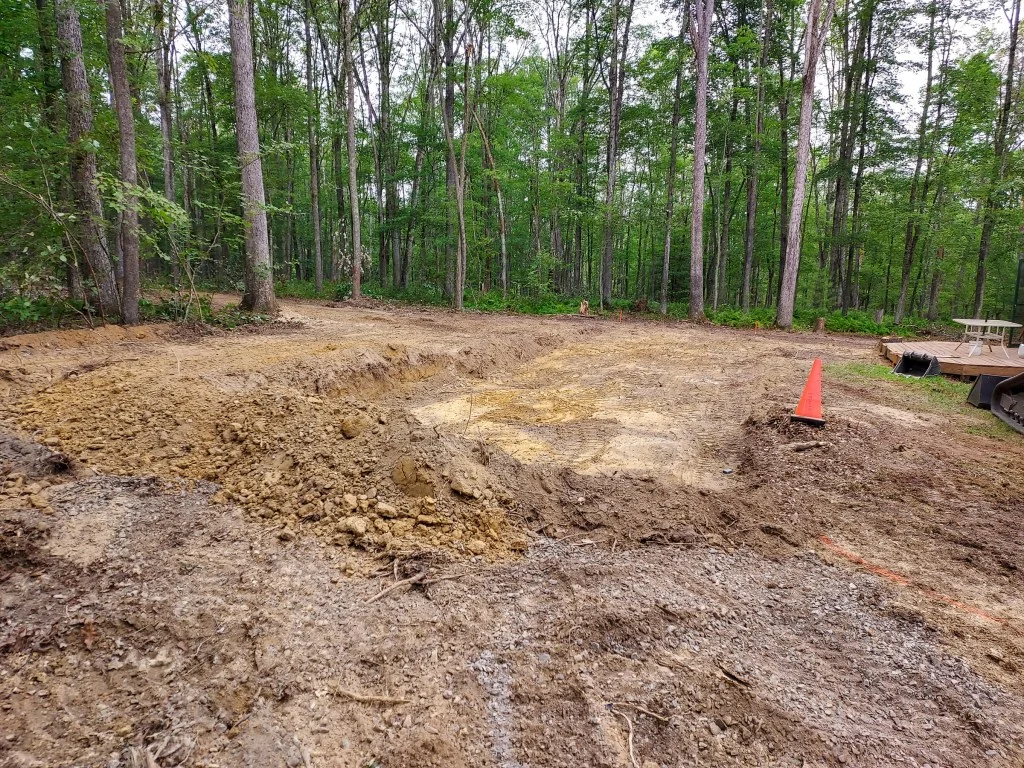
From there a typical sequence looks like this. Day one is layout: flagging the run, calling 811 for utility locate, confirming the outlet actually has somewhere legal and lower to discharge to. Days two and three are trenching and setting the pipe and stone, which is the bulk of the labor. Day four is backfill, grading the trench line flush, and restoring disturbed turf. Day five is the cleanout check and a rain test if weather cooperates. Small repair jobs compress to a single day; long runs with multiple inlets and a creek or storm outlet stretch past a week. Anyone quoting drain work without a locate call built into the schedule is guessing at what's buried.
What the scope usually includes, and what it costs
Lake Junaluska's housing mix drives the price spread more than square footage does. There are older cottages on tight lots close to the water where the discharge point is the whole design problem, and there are newer builds up the slope with big roof planes and a lot of impervious surface sending water down at the next house. Both need drainage; neither takes the same plan or the same budget.
| Scope | Typical price range | Typical time on site |
|---|---|---|
| Downspout extensions and gutter corrections | $400-$1,500 | Half day to 1 day |
| Catch basin and single-inlet drain point | $900-$2,200 | 1 day |
| Surface swale with grading and turf restoration | $1,200-$3,500 | 1-2 days |
| Standard French drain, 50-100 ft run | $3,500-$7,500 | 2-4 days |
| Multi-zone system with multiple catch basins | $7,000-$11,000+ | 4-7 days |
| Dry well or infiltration bed added | $1,500-$4,500 | 1-2 days |
| Full-lot erosion and drainage plan with engineered outlet | $11,000+ | 1-2 weeks |
These are Haywood County bands, not national averages, and steep access adds labor you won't see on a flat-lot quote. For how grading scope itself prices separately from the drain work, see the Haywood County grading cost breakdown.
Why timing matters more here than in flat country
Haywood County's federal disaster record is a water record: 19 declared events touch this county across 1973-2026, and the overwhelming majority are storm, flood, and landslide family. That matters for scheduling, not just for insurance. Saturated mountain ground drains slowly, and a trench cut into clay-heavy slope soil in a wet month will hold water against your foundation longer than the same trench cut in August. Late summer and early fall are the cleanest working windows. Spring jobs routinely need a day of weather padding built in, and a crew that won't tell you that up front hasn't worked many springs here.
The other timing issue is the outlet. A drain that discharges onto a steep downslope neighbor's property is not a finished drain, it's a relocated problem. Confirming the discharge actually reaches a storm system, a creek, or a lawful daylight point is what keeps a job from being redone. The drainage and erosion control guide walks through how outlets and sediment control are handled on sloped ground.
Sequence the water before you sequence the structure
On a lake-grade lot the order is almost always the same: roof water first, surface water second, subsurface water third. Gutters and downspout extensions are cheap and they remove a huge volume before it ever touches your soil. Surface grading and swales handle what lands on the yard. French drains and catch basins handle the water that's already underground and moving toward your foundation. Skip step one and step three does more work than it should, for more money.
Code treats this seriously. The NC Department of Insurance Office of State Fire Marshal resources cover the state's adopted residential provisions, which treat foundation and site drainage as a requirement rather than an upgrade. On larger projects, stormwater discharge and sediment control bring in state environmental rules, and the U.S. Environmental Protection Agency publishes the federal stormwater background that those rules build from. For most homeowners the practical takeaway is simple: an inspector is looking at where your water goes, so the plan should answer that question on paper.
Choosing a crew on lake-grade ground
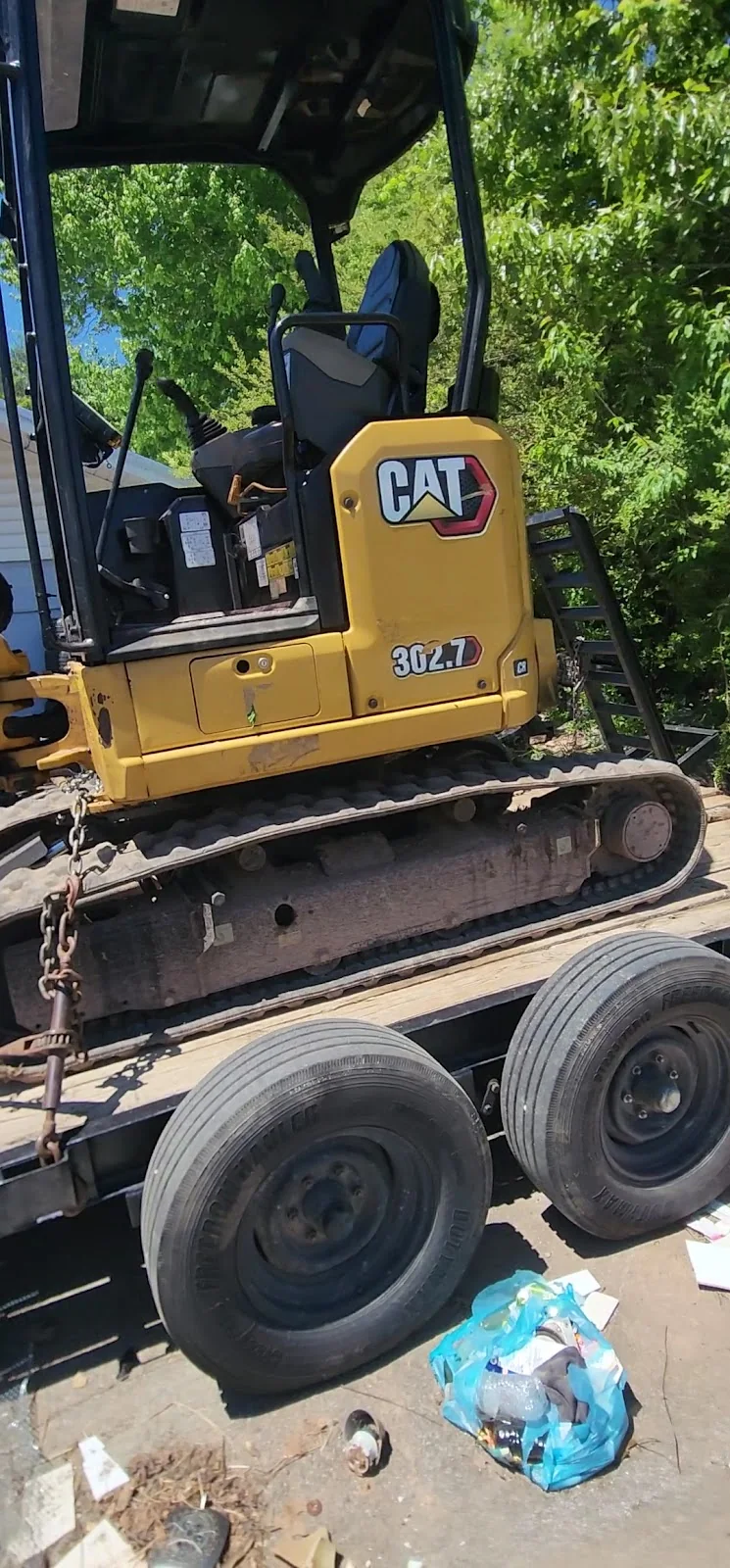
Ask what equipment they plan to bring and how they'll get it onto your slope. A mini-excavator and a tracked dump cart solve lots here that a full-size machine simply can't reach, and a contractor who hasn't thought about access is going to think about it after he's torn up your yard. Ask for the pipe and stone spec in writing. Ask where the water exits and what happens there in a heavy rain.
Then check the licensing side. North Carolina sets a dollar threshold above which general contracting work requires licensure through the NC Licensing Board for General Contractors, and a drainage project bundled with regrading, retaining, or a new driveway can cross it. If your job is drainage plus significant earthwork, ask directly and get the number. Our Lake Junaluska grading contractors page covers how that licensed-versus-handyman line gets drawn in practice around the lake.