The lot shapes that define Barnardsville grading work
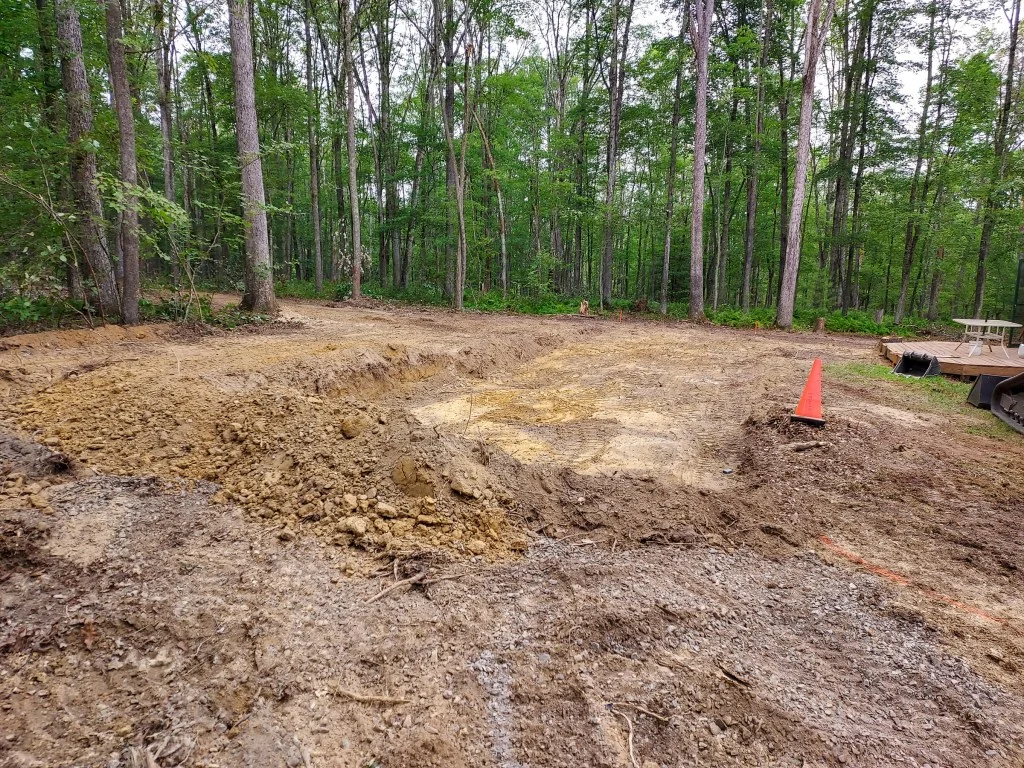
Barnardsville doesn't grade like Asheville, and the difference is geography. Where a West Asheville yard is a flat rectangle behind a bungalow, a Barnardsville yard is often a slice of hollow — a narrow bench of ground between a creek and a rising ridge, reached by a driveway that climbs at an angle most machines don't love. That shape sets the price before anyone talks about square footage.
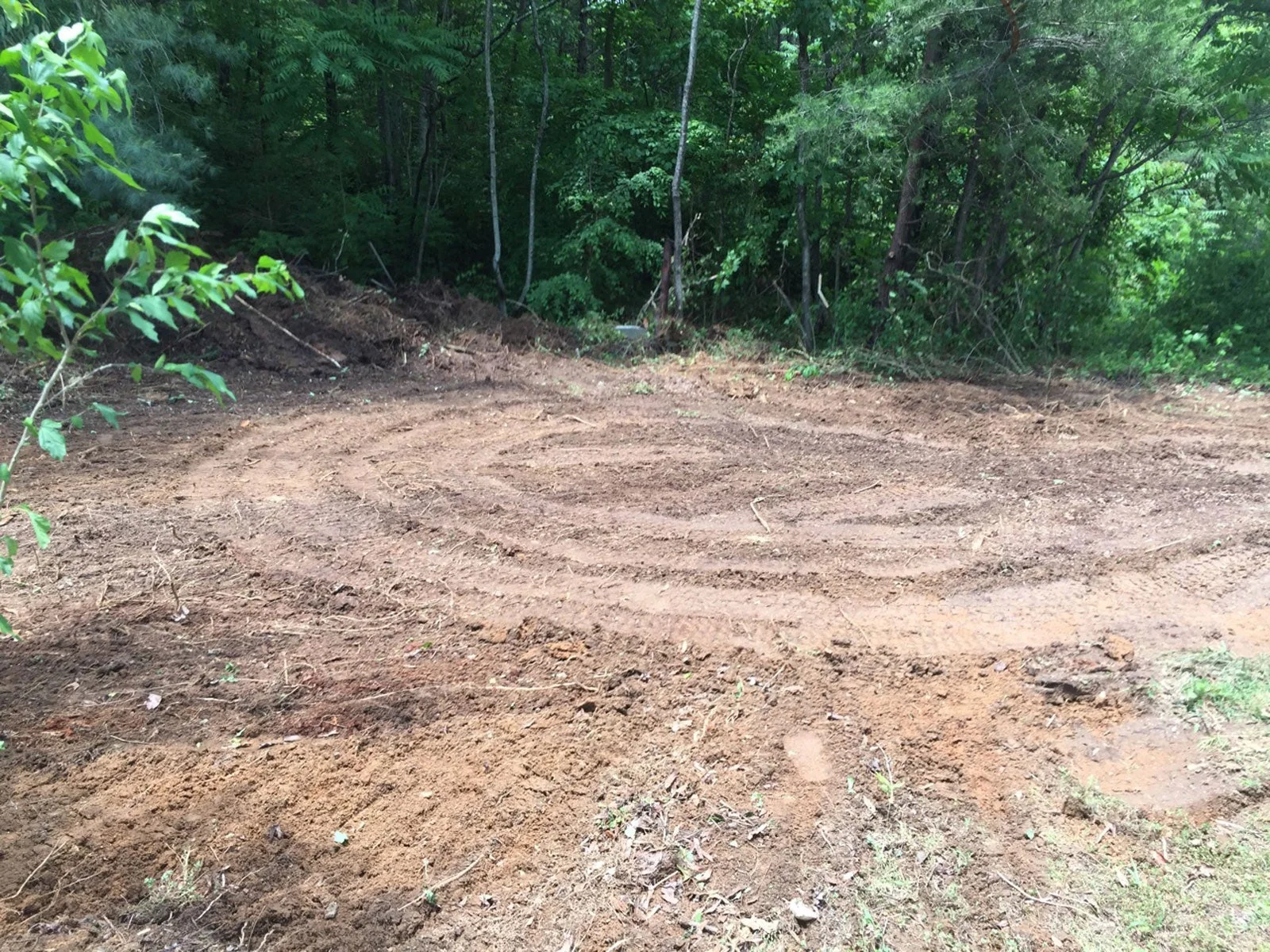
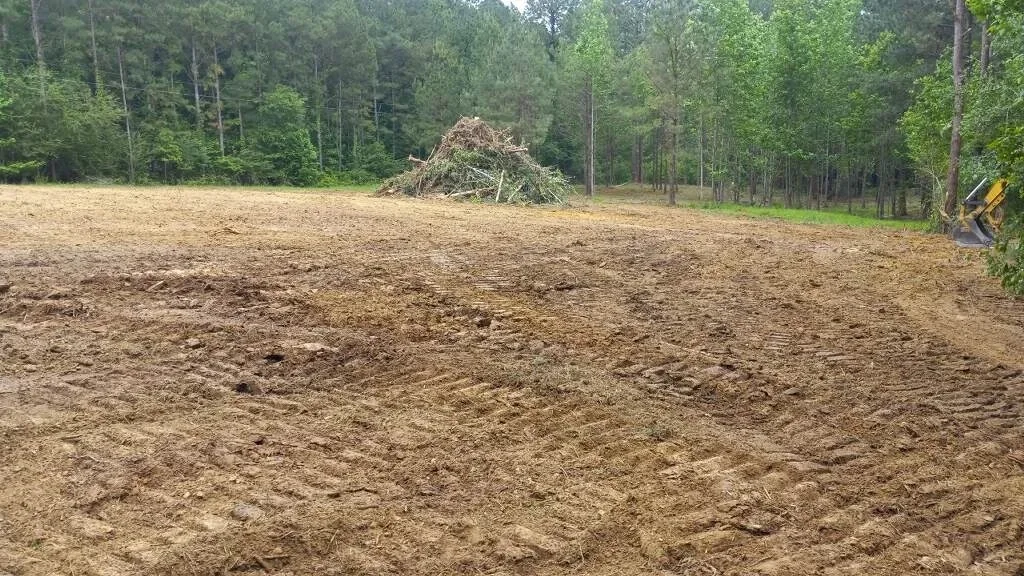
The jobs we see most: creek-bottom yards where the ground has settled toward the water, hillside yards where the uphill neighbor's runoff crosses the property line, and long gravel driveways that crown and wash out every spring. A level yard here isn't a landscaping preference. It's drainage engineering on a slope that was never flat to begin with.
Drive the spine of the valley and the pattern repeats: houses tucked onto benches cut into the toe of a slope, a creek or branch running the length of the property line, and a driveway that starts at the road and immediately commits to a climb. Off Dillingham Road, off Barnardsville Highway, and up the feeder hollows toward the Blue Ridge, the same three constraints show up on almost every lot — tight access, shallow soil over rock, and water that arrives from above.
That last point matters more than newcomers expect. Many of these parcels sit below a larger tract, a logged ridge, or a gravel forest road. When rain lands up there, it doesn't stop at the property line. It sheets down, finds the low corner of your yard, and pools against the foundation or the driveway apron. Grading that ignores the uphill contribution just gives the water a shorter path to the same problem.
What dirt work costs on these lots
Barnardsville sits inside Buncombe County pricing, which the full Buncombe County grading cost breakdown covers line by line. The short version sits in the table below. Access is the local swing factor: a yard a mini-excavator reaches in one pass prices at the bottom of a range, and the same square footage behind a creek crossing or up a 20 percent grade prices at the top.
| Scope | Typical range | What moves the number |
|---|---|---|
| Spot leveling — low spots, settled fill, small yard | $1,800 – $3,200 | Dirt volume, whether topsoil must be stripped and replaced |
| Full yard regrade — reshape grade away from the house | $2,500 – $6,000 | Slope, drainage swales, machine access |
| Hillside cut-and-fill with retaining | $6,000 – $9,500 | Wall length, engineer letter, haul-off of spoil |
| Gravel driveway re-crown and re-grade | $2,500 – $6,500 | Length, culvert condition, new stone depth |
Any bid that doesn't ask where the water goes is incomplete, not cheap. On a Barnardsville slope, moving dirt without answering drainage just relocates the problem downhill.
Two line items drive most of the variance in this valley. The first is haul-off. When a cut produces more spoil than the yard can absorb, somebody has to load and truck it out, and on a narrow hollow road that means smaller loads and more trips. The second is stone. Creek-bottom yards that stay damp need a deeper gravel or riprap layer than a dry ridge-top lot, and stone is priced by the ton plus delivery.
Topsoil is the quiet one. A lot that's been scraped or logged may have almost no workable topsoil left, which means import before anything will grow. Ask upfront whether the quote includes stripping and stockpiling the existing topsoil or whether you're buying new.
Water is the real client on a hollow lot
The federal record explains most of the grading calls in this county: 19 declared events touch Buncombe (1973-2026), and the overwhelming share are storm and flood family. Every one of those pushed water at yards built for a drier assumption, and the creek bottoms and steep driveways around Barnardsville take the first hit. Before grading, the questions are gutters, swales, and where the uphill runoff enters and leaves your property — the National Weather Service flood and precipitation outlook for mountain terrain is worth reading before you commit to a grade that fights the water instead of guiding it.
The practical sequence on a hollow lot is top-down. Fix what happens at the roof line and the gutter first. Then address the slope above the yard, where a shallow swale or a set of water bars can divert sheet flow before it reaches your grade. Only then reshape the yard itself, so it has somewhere to send what it still receives. Doing it in the opposite order — regrading first, drainage later — is how a fresh grade ends up rutted within a season.
Creek proximity deserves its own caution. Disturbing a bank, dropping fill into a channel, or pushing dirt past the ordinary high-water line can trigger floodplain and stream-buffer requirements. The EPA publishes guidance on stormwater and erosion control that's worth a look before any work near a waterway. On a Barnardsville lot, keeping machines out of the channel and stabilizing the bank with stone or planted cover is usually both the cheaper and the compliant answer.
Realistic timing matters too. Mountain rain arrives in concentrated bursts, and a bare, freshly graded slope is the most erodible surface on the property. Straw, seed, or mulch the same week the machine leaves. A grade that survives one storm season is a grade that was finished properly.
Permits, licensing, and what to check before you hire
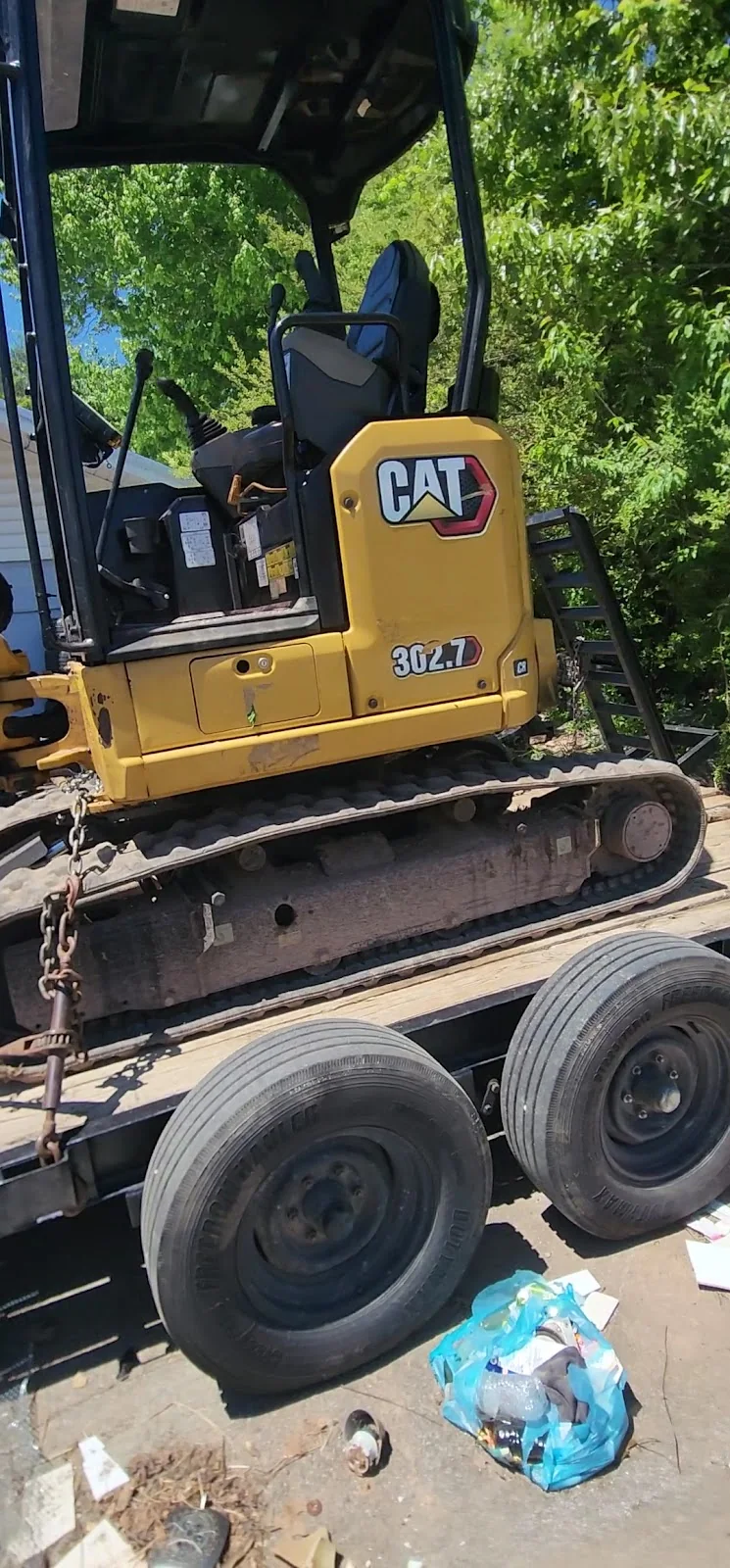
Simple yard leveling that doesn't change drainage onto a neighbor or cross a threshold generally doesn't require a permit. Work that adds retaining walls above the state's height threshold, redirects stormwater, or touches a creek or floodplain does. When a grading job crosses into structural retaining or engineered fill, North Carolina general contractor licensing rules apply, and any crew doing more than landscaping should be able to tell you which side of that line your job sits on. Ask what happens to spoil dirt, how they protect the creek bank, and whether they carry the equipment for your access — not just the square footage.
If the plan involves anything on the plumbing side — a French drain tied to a footing drain, a curtain drain, or work near a septic field — separate licensing questions come up, and the North Carolina State Board of Examiners of Plumbing, Heating and Fire Sprinkler Contractors is the reference for who's allowed to do that work. It's a useful boundary to understand before you assume the grading crew handles every part of the drainage system.
Three things to check before signing anything: proof of insurance, a written scope that names the drainage plan and not just the square footage, and a clear statement of where the spoil goes. On a steep, tight-access lot those three items separate a contractor who has worked this terrain from one who hasn't. A crew that shows up without a laser level or a way to check fall on a swale is guessing.
Getting a straight scope for your yard
The yard leveling service guide explains what a real walkthrough covers, and the Barnardsville grading contractors page is the place to start when you're ready for quotes. Expect a good contractor to walk the slope, look at where the water has been, and quote dirt by the yard rather than by the hour. If the number arrives before anyone has looked at the uphill side of the property, it isn't a quote.
Come to the walkthrough with what you know: where the yard stays wet, which corner the driveway ruts first, whether the creek has ever topped its bank, and how a machine would actually get to the work area. Photographs from the last wet season are worth more than a description. On a hollow lot, a contractor who asks those questions before quoting is reading the site the way it needs to be read.
One more local note for anyone comparing bids across the county: a quote built for a flat Asheville lot won't translate to a Barnardsville bench. Different access, different soil depth, different water. Treat any number that ignores those three as a starting conversation, not a final price.