Access and haul decide the price before the first bucket drops
Digging in Black Mountain is rarely the hard part. Getting a machine to the dig is. Town lots near the old downtown grid, up the laurel-covered slopes off High Street, and along the tight bends of Montreat Road often have no side yard wide enough for a full-size excavator and no drive that a loaded dump truck can climb twice a day. When that happens, the job prices differently: a smaller machine, a conveyor or line-and-pump setup instead of a ramp, and spoil that has to be carried bucket by bucket rather than loaded straight out.
Then there is the dirt itself. In Buncombe County, clean fill and gravel largely come from quarries in and around the Asheville basin, and Black Mountain sits on the far east side of the county. That drive adds trucking cost on every yard of structural fill and drainage stone the job needs, and it adds a disposal fee on every load of spoil going the other way. Two identical foundations, one on a wide-flat lot on the valley floor and one on a half-acre slope lot, can land $6,000 apart on access and haul alone.
If your project is part of a larger lot correction, the same machine time is often shared with regrading. The excavation service overview explains how we sequence those two scopes so the spoils pile gets used instead of hauled.
What the ground here does to a dig
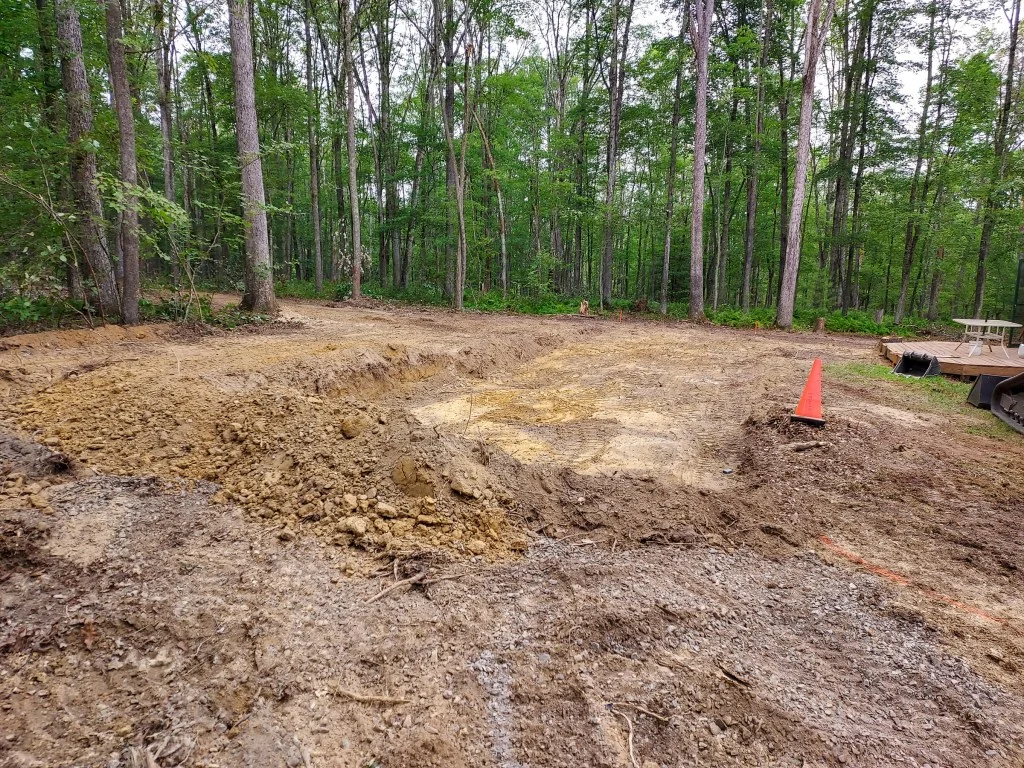
Black Mountain's residential ground is a mix that punishes assumptions. Valley-floor lots along the Swannanoa River carry silt and old fill that sloughs into an open trench; hillside lots carry clay over weathered rock that comes out in slabs and won't compact back; and the older blocks around the rail corridor sit over utility lines that were not mapped with modern accuracy. A footing dig that looks like a one-day job can turn into shoring and hand work by mid-morning.
That is why an excavation number without a site visit is a guess. The honest version of the process: walk the access, read the soil, identify the utility conflict, and only then quote. The International Code Council treats footing bearing, depth below frost, and backfill compaction as prescriptive requirements, not suggestions, and the depth of your footing is set by what the soil will carry, not by what a neighbor's job happened to be.
Black Mountain scope and price ranges
These are working ranges for this town, all inside the site-wide band. Access and quarry distance push jobs here toward the upper half of each line more often than flatland quotes suggest.
| Scope | Typical range | What moves it |
|---|---|---|
| Footing trenches only (new addition, porch, small structure) | $1,200 – $4,500 | Linear feet, depth to bearing soil, hand-dig percentage |
| Full foundation dig — crawl space or basement, standard lot | $3,500 – $9,000 | Machine size, spoil haul distance, dewatering |
| Full foundation dig — slope lot, tight access | $8,000 – $18,000 | Shoring, conveyor or pump spoil removal, engineered fill import |
| Spoil haul-off and structural fill import | Per load, quoted with the dig | Round trip to quarry and disposal site out of the valley |
| Underpinning and pier excavation (existing structure) | $3,500 – $14,000 | Number of piers, interior access, hand excavation |
Local grading work that goes with the dig — driveway cuts, swales, final grade away from the foundation — prices on its own scale. The Buncombe County grading cost breakdown has the working numbers for that side of the job.
Water, weather, and why this town digs carefully
Federal disaster records for this county total 19 declared events across 1973-2026, and the dominant family is storm and flood. That history is not abstract on a Black Mountain footing dig. The Swannanoa corridor floods, the slopes shed water fast, and a trench left open overnight after an afternoon storm can be half full of mud by morning. Crews here plan the dig around the forecast, not the calendar, and they stage dewatering equipment before it's needed.
The National Weather Service forecast is a real scheduling input on these jobs, and any excavator who shrugs at it has not dug here long. If your lot has a history of water, the excavation plan should include where the water goes after the backfill, not just how the hole gets dry.
Choosing a crew for this work
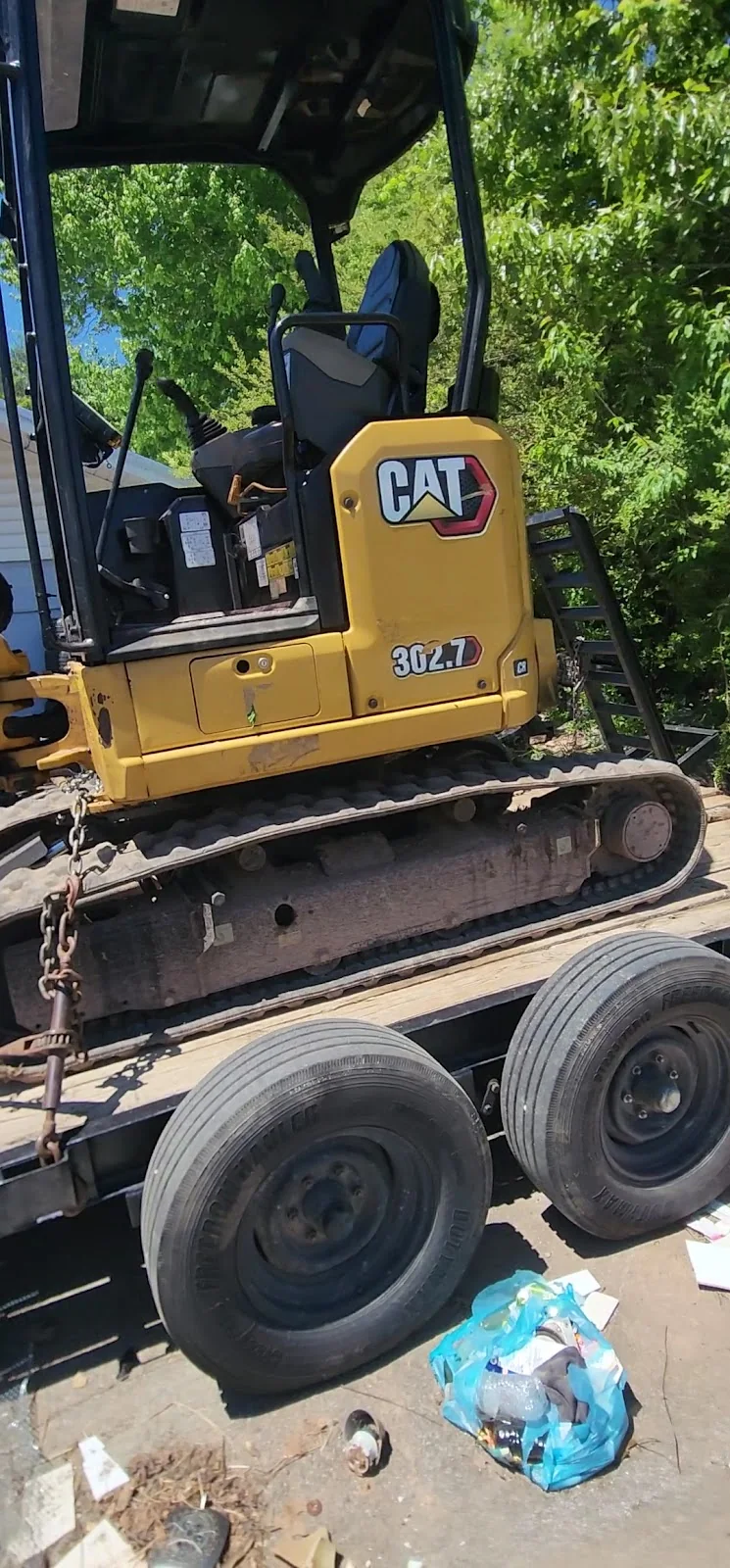
Three checks that matter in this town. First, ask what machine they plan to bring and how they will get it onto your lot — the answer tells you whether they have actually looked at your access. Second, ask where the spoil goes and where the fill comes from, with load counts; on the east side of the county that line item is real money and should never be a lump-sum surprise. Third, confirm the licensing threshold. The North Carolina Licensing Board for General Contractors sets when a project requires a licensed general contractor, and foundation and footing work on a structure frequently crosses it — verify before you sign, not after.
For a crew that already knows these lots and these slopes, start with the Black Mountain grading contractors page, which covers who works here and how they price.