Red clay, rock, and old fill set the terms here
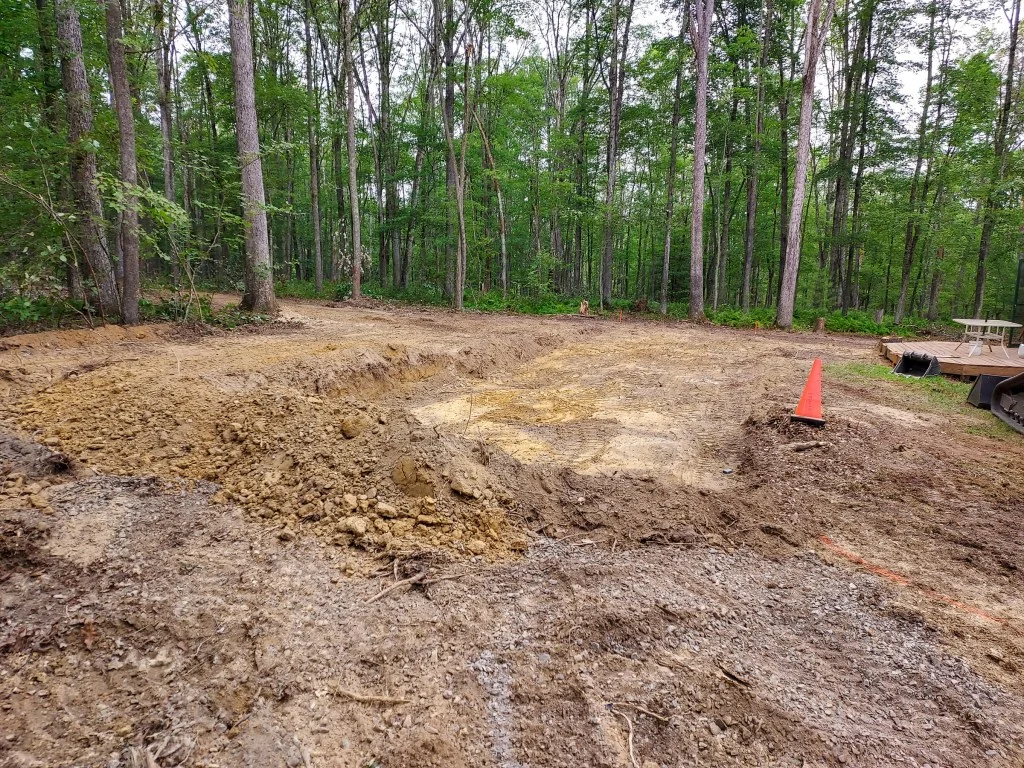
Digging around Lake Junaluska means reading the ground before you ever pull a bucket. The red clay that covers most of Haywood County holds water like a shallow bowl, so a footing trench cut in October can be a mud trench by the next rain — shoring and pumping aren't optional, they're line items. Hillside lots toward the ridges bring the opposite problem: shallow bedrock that stops a mini-excavator cold and turns what should be a clean cut into a hammer-and-chisel afternoon. Down closer to the water, decades of fill and shoreline grading left pockets of loose, mixed material that settle differently than the native ground around them. Three lots within a quarter mile can carry three different excavation prices, and that's before anyone talks about depth.
This is why a foundation excavation in Lake Junaluska is rarely quoted accurately over the phone. The soil profile on your parcel — clay, rock, fill, or some stubborn mix of all three — decides the equipment, the crew time, and whether the spoil has to leave the site. Talk to contractors who have set foot on Moody Avenue, Coleman Mountain Road, or the older streets off Highway 19 and they will tell you the same thing: the map says Lake Junaluska, but the ground tells a different story block by block.
The surrounding terrain in Haywood County stacks the deck. Waynesville sits in a valley ringed by steep ridges, and the lake itself occupies a bowl that collects runoff from those ridges. Plenty of parcels around the shoreline were graded and filled decades ago when the area was developed as a retreat and later as year-round housing. That history lives in the soil. An excavator that bites cleanly into native clay one street over can sink and stall in loose fill closer to the water. Reading those transitions takes local experience, not a training manual.
What the job actually includes, and what it costs
A complete foundation excavation scope covers layout and marking, removal of the overburden to your footer depth, benching or shoring where the cut is deep, forming and pouring the footings themselves, and backfill once the foundation is set. On the graded and older parcels common around the lake, add haul-off for spoil that can't be reused — red clay doesn't compact well as backfill, so it usually leaves. On some lots the clay is so heavy and wet it has to be trucked out and replaced with compactable structural fill, which is one of the quieter cost drivers on lake-area jobs.
| Scope | Typical range |
|---|---|
| Footings only — excavation, form, and pour | $1,200–$4,500 |
| Full foundation excavation, shallow, good access | $3,500–$7,500 |
| Deep or benched cut on a sloped lot | $7,500–$13,000 |
| Rock, fill, or restricted-access work | $13,000–$18,000 |
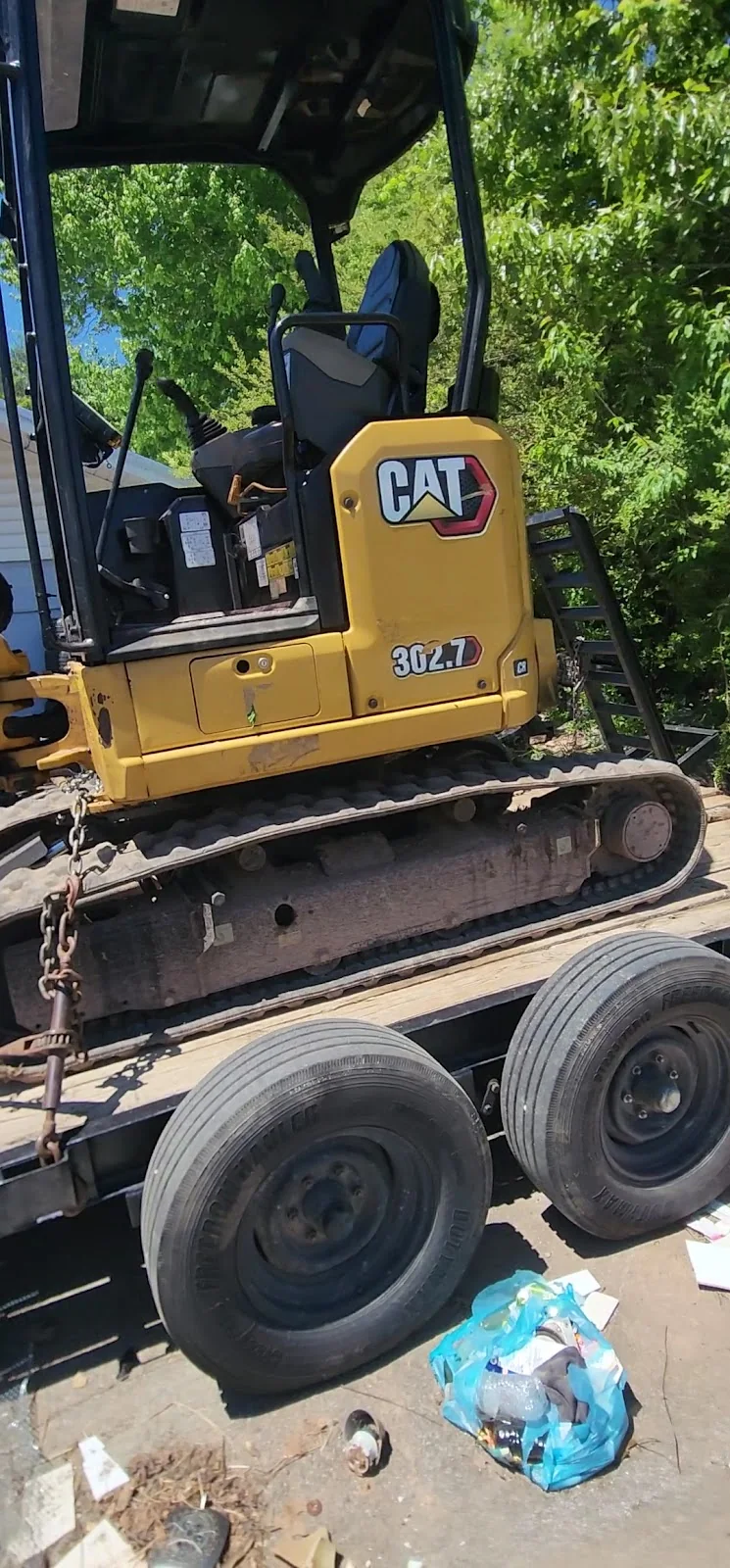
Rock removal, dewatering, and hauling are the three items that move a job toward the top of the band. A driveway too narrow for a full-size excavator means a mini-ex and more hours; a lot with no room to stockpile means every scoop of spoil goes straight into a truck. The county-level picture, including how these numbers interact with grading, is in the Haywood County grading cost breakdown. If your scope is broader, the general foundation excavation guide walks through the full sequence.
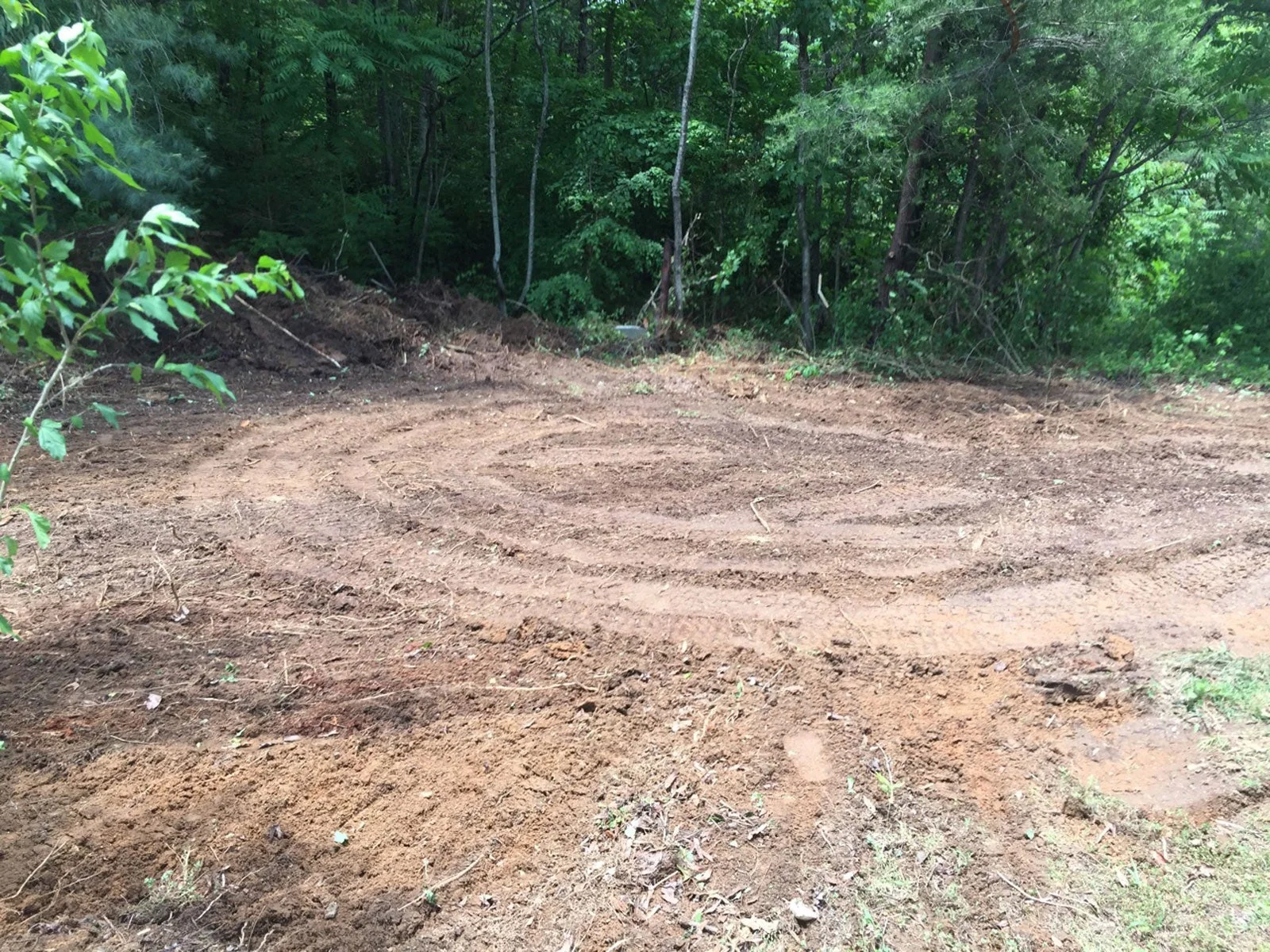
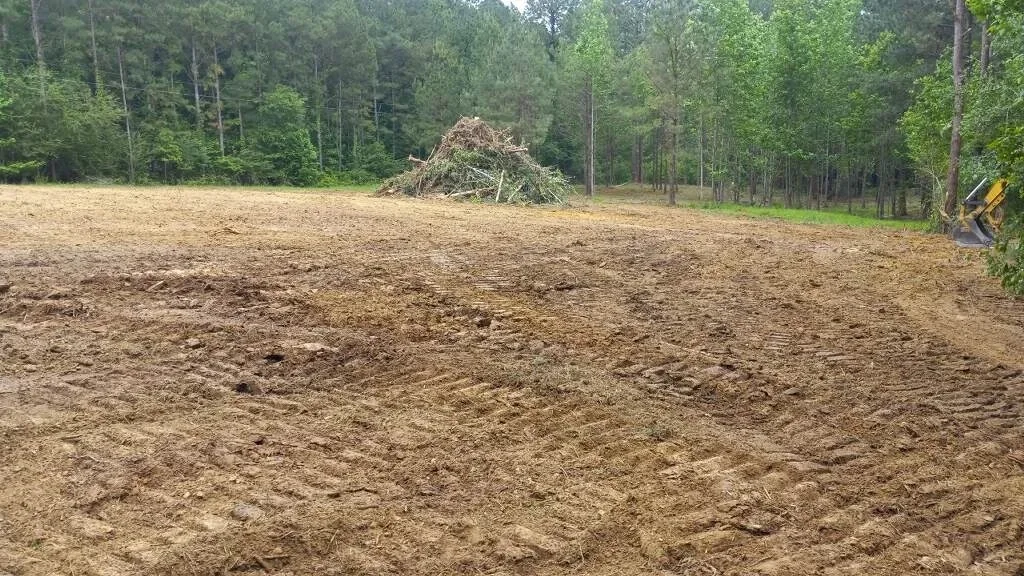
Two more cost realities locals know. First, lakefront and near-lake lots often carry setback and buffer rules that shrink the working area, so equipment has to reach farther and the operator works more carefully near the water. Second, mature trees on old parcels mean root systems that have to be cut and grubbed before footing trenches can be dug clean — a step that adds time and a disposal cost for the root balls and stumps.
Depth is a code question, not just a digging question
Footing depth in North Carolina is set by the residential code and adjusted for frost, soil bearing, and slope. The model language behind it belongs to the International Code Council, and Haywood County enforces it at permitting. That matters practically: an inspector will want to see the bearing soil before concrete goes in, so an excavation crew that knows the inspection sequence saves you a failed pour and a re-dig. On hillside lots the same code drives step footings, which means more cuts, more forms, and more money than a flat-lot price would suggest.
Two local realities worth planning around. First, wet-season scheduling: clay that's too saturated to bear a footing means the pour waits, so late-summer and fall cuts see fewer weather delays. Second, groundwater near the lake — a trench that needs continuous pumping adds equipment and hours that never show up on a flat-lot estimate. Spring in Haywood County can turn a two-day dig into a week of pumping and waiting, and crews who schedule around that reality keep their projects on track better than those who don't.
Slope is the other factor that reshapes the plan. A lot off a ridge road might drop ten feet from the street to the building pad, which means a benched cut with a retaining element rather than a simple flat dig. That geometry changes how the excavator reaches the trench, where the spoil can be stacked, and how the footing steps down the hill. None of it is exotic work around Lake Junaluska, but all of it costs more than a flat-lot price, and a quote that ignores it is a quote that will grow.
Why digging next to the water needs a different plan
Lake Junaluska parcels sit in a basin that has seen its share of federal disaster declarations — 19 events across 1973-2026, mostly storm and flood family. That history isn't trivia; it's the reason drainage has to be designed into the excavation rather than added later. The National Weather Service's outlooks for the mountains, at weather.gov, are the tool crews watch when scheduling pours, because a saturated trench is a structural liability, not just a muddy one.
The practical rule here: water first, footing second. Grading that moves roof and surface runoff away from the cut before the concrete arrives prevents the settling that brings crews back a few years later. On the slopes that feed the lake, that means thinking about where stormwater goes long before it reaches your trench, and making sure the answer isn't "into the footing." A short swale, a proper slope away from the foundation line, and a plan for the low corner of the lot are cheap compared to tearing out a settled wall.
Old fill near the shoreline is the second half of the water problem. Fill that was placed without engineered compaction can consolidate under a new foundation, and water makes that worse. When a parcel shows signs of past grading — a flat pad where the surrounding land rolls, a sudden change in soil color, rubble mixed into the dirt — that's a signal to plan for deeper footings or undercutting and replacement. It's the kind of thing a local excavator spots in the first ten minutes on site and a phone quote never catches.
Hiring a crew that's actually dug this ground
Three checks before you sign. Ask whether the crew has cut footings in red clay and hillside rock specifically — the equipment and the patience for one don't automatically transfer to the other. Ask who holds the license once the job crosses the state threshold; the NC Licensing Board for General Contractors spells out when a general contractor license is required, and excavation tied to a structure often crosses it. And ask how they handle spoil — a crew that plans to leave clay piles on your lot is planning to leave you a drainage problem.
Local crews who know the lake parcels and the surrounding ridges also know which neighbors' fills have already shifted, which is information no phone quote can substitute for. They know which streets off the lake are too tight for a full-size machine, which hillside roads lose their gravel to spring rain, and how the county inspector likes the bearing soil exposed before a pour. That kind of knowledge shows up as fewer surprises on the invoice.
One more thing worth asking about is disposal. Red clay doesn't belong back in a footing trench, and root balls, rock, and old fill have to go somewhere. A crew with a standing relationship at a local disposal site moves that material efficiently; a crew that has to hunt for a dump adds days to your schedule. If you're weighing excavation against broader site work, the Lake Junaluska grading contractors page covers the overlapping scope and how it connects to foundation work.