Read the drive you have before you price the one you want
Most driveway calls in Mills River start the same way: the gravel is gone, the ruts are back, and the homeowner is ready to buy stone. Then you walk it and find the stone is mostly still there, shoved off the crown into the ditch line by water that has nowhere else to go. Re-graveling that drive without changing where the water runs buys you one good season and one bad spring.
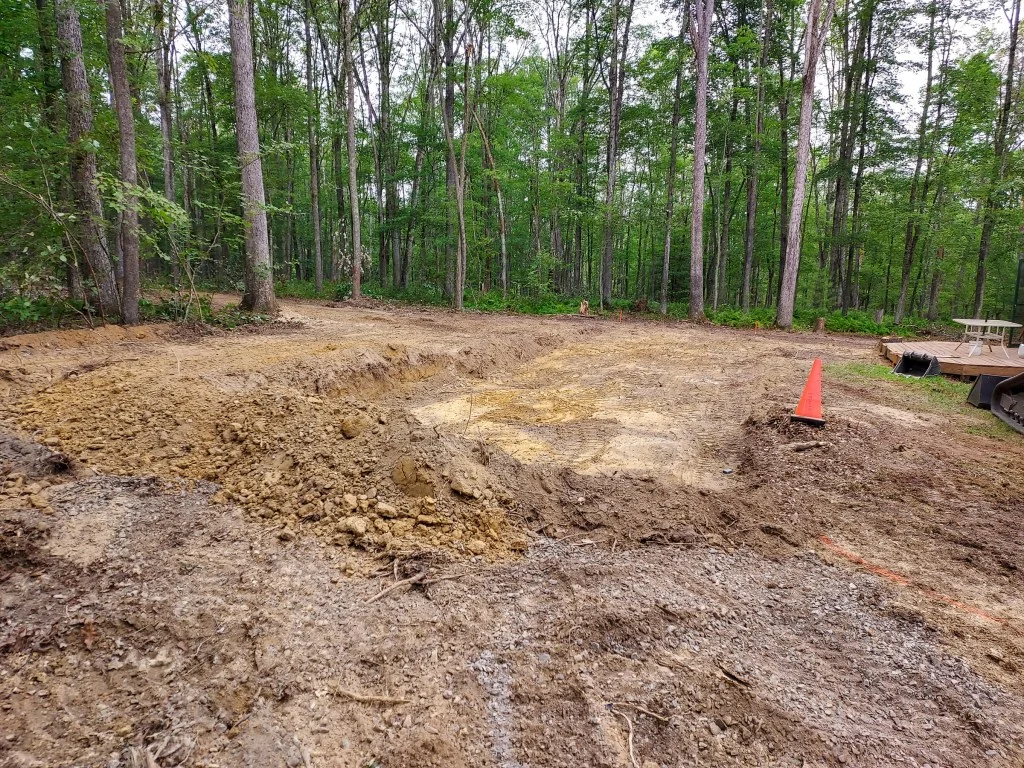
So the first visit is a read, not a quote. Where does the drive meet the road apron — is there a culvert or does runoff from the county road sheet straight across it? Which way does the grade fall, and does the fall actually leave the property or pool at the pad? Are the ruts confined to one wheel path (a base problem under that path) or spread across the full width (a drainage problem)? A drive on Henderson County's clay-heavy ground behaves nothing like a river-rock drive, and the fix is different for each.
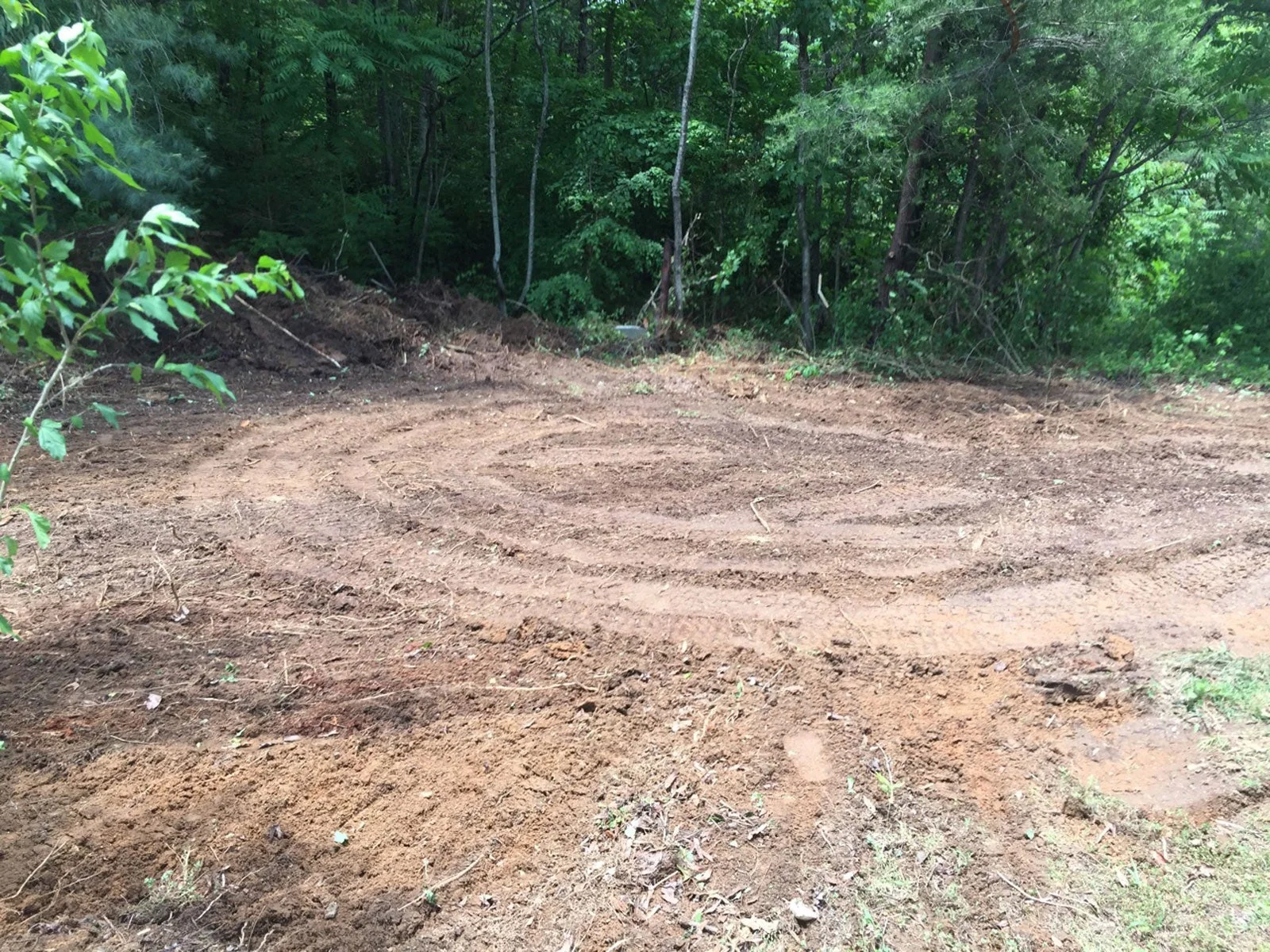
If the read says the drive is sound and only the surface is tired, a top-dress and re-crown is a fraction of replacement. If the base is pumping mud, no amount of new gravel fixes it — and that's a redo, which is a grading job before it is a gravel job. The driveway grading and gravel breakdown covers where that line falls.
What Mills River ground does to a driveway
Mills River sits in Henderson County between the French Broad bottoms and the Blue Ridge slopes, and the terrain changes fast over a short distance. A farm drive off a bottomland road might be nearly flat and drain to a roadside ditch all winter. Ten minutes away, a drive climbing to a ridge homesite is cut into a grade that sheds water hard and fast every storm. Same county, opposite driveway problems.
The mountain-grade drive fails by washing out: stone migrates downhill, the crown flattens, and the first hard rain cuts a channel down the middle. The flat drive fails by staying wet: no fall to shed water, so the base stays saturated and ruts under load. Neither is fixed by ordering more stone. One needs the grade re-established with a proper crown and a turnout for water; the other needs the base drained before any stone goes back down.
Storm history matters here too — 16 federal disaster declarations touch this county across 1978-2026, and the pattern is water. The National Weather Service keeps the local rainfall record, but you can read the same story in every washed-out drive on a steep road. Building a drive that ignores that record is how you end up re-graveling every few years.
Drainage and pad first, stone second
There is an order to spending money on a gravel drive, and doing it out of order is the most common expensive mistake we see. Drainage first. Then pad and base. Then the wearing course of gravel. Skip to the gravel and you are paying for the part most likely to wash away.
In practice: crown the drive so water sheds to the sides instead of running down the wheel paths; add or clear a turnout so the shed water has somewhere to go before it reaches the pad; and if the drive meets a public road, make sure the culvert or ditch at the apron is sized to pass road runoff, not just driveway runoff. Grading rules and drainage requirements live in the state code framework — the International Code Council publishes the model codes North Carolina adopts — and site drainage is treated as a first-class requirement for good reason.
The pad matters because it is where the water wants to end up. A garage or house pad sitting below the drive grade will take every drop that comes down the hill. Correcting pad elevation before laying stone is cheap; correcting it after is a driveway tear-out. This is also why most grading crews quote drainage and grading as one scope — the Henderson County grading cost breakdown lays out those line items separately so you can see what you are actually buying.
The price picture, scope by scope
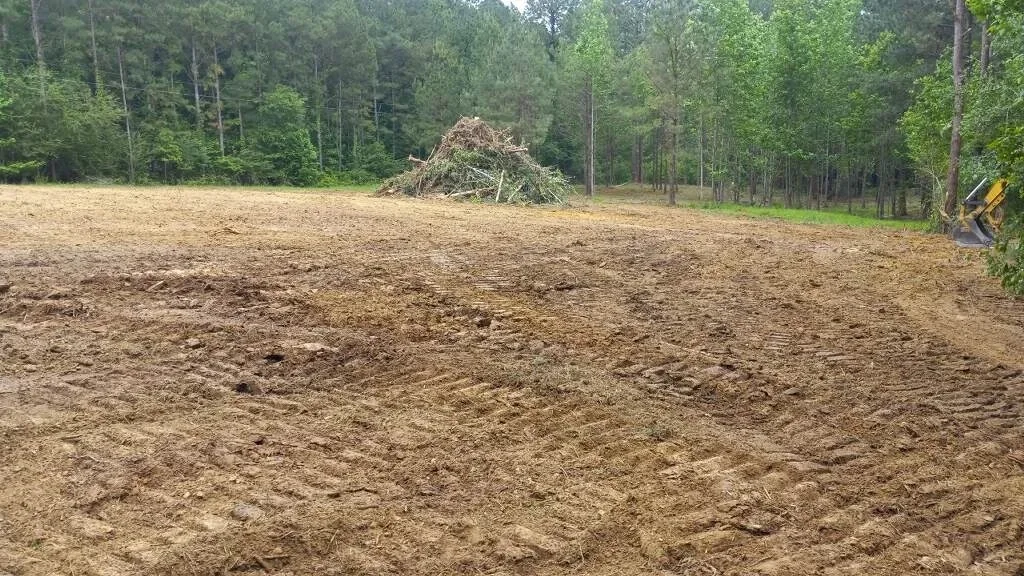
Gravel driveway pricing moves on three things: length, grade, and how much work happens under the stone. A short flat drive with a good existing base is a top-dress. A long steep drive cut into a slope is a grading project with gravel on top. The table below shows honest ranges; every figure sits inside the site-wide band.
| Scope | Typical installed range |
|---|---|
| Top-dress / re-crown existing sound drive | $1,800 – $3,200 |
| New drive, short flat run, good access | $2,500 – $5,500 |
| New drive with grading, culvert, and drainage | $5,500 – $8,000 |
| Long or steep mountain drive, engineered grade | $8,000 – $12,000 |
Treat any bid well under $1,800 for a full new drive as a bid that is skipping base work — and treat a bid over $12,000 with a scope you cannot read line by line as a bid that is padding somewhere you cannot see. Both are reasons to get a second scope, not a reason to doubt the range.
Hiring on a slope lot, and where the rules apply
Three checks specific to Mills River and the surrounding Henderson County ground. Ask whether the crew has built on grade — a steep-drive crown and turnout is its own skill, and flat-lot experience does not transfer. Ask who handles the road apron and any county road connection, since that detail is where a lot of drives fail first. And ask for the drainage plan in writing before stone is ordered; a crew that cannot describe where water leaves your property is a crew that has not thought about it.
On licensing, North Carolina sets thresholds for when a project needs a licensed general contractor, and grading, driveway, and drainage scopes can cross them depending on size — check the current rules at the NC Licensing Board for General Contractors before you sign anything large. If your drive touches a stream or wetland area, federal permitting questions can come up as well; the EPA is the starting reference for those. Most Mills River drives never go near that line, but a bottoms-land property can.
For crews serving this area, the Mills River grading contractors page is the next step. Bring the drive read with you — length, grade, where it drains, and whether the base is sound — and the quotes you get back will be scopes instead of guesses.