Where the money actually goes on a Madison County lot
Two Marshall parcels of the same size almost never quote the same. A gentle bottom field off a county road clears for a fraction of a steep, brush-choked slope above the French Broad, and the gap has nothing to do with tree count. The cost anatomy breaks down to four line items: how the machine reaches the work, what the ground does under the blade, where the debris goes, and how far the finished grade has to be moved.
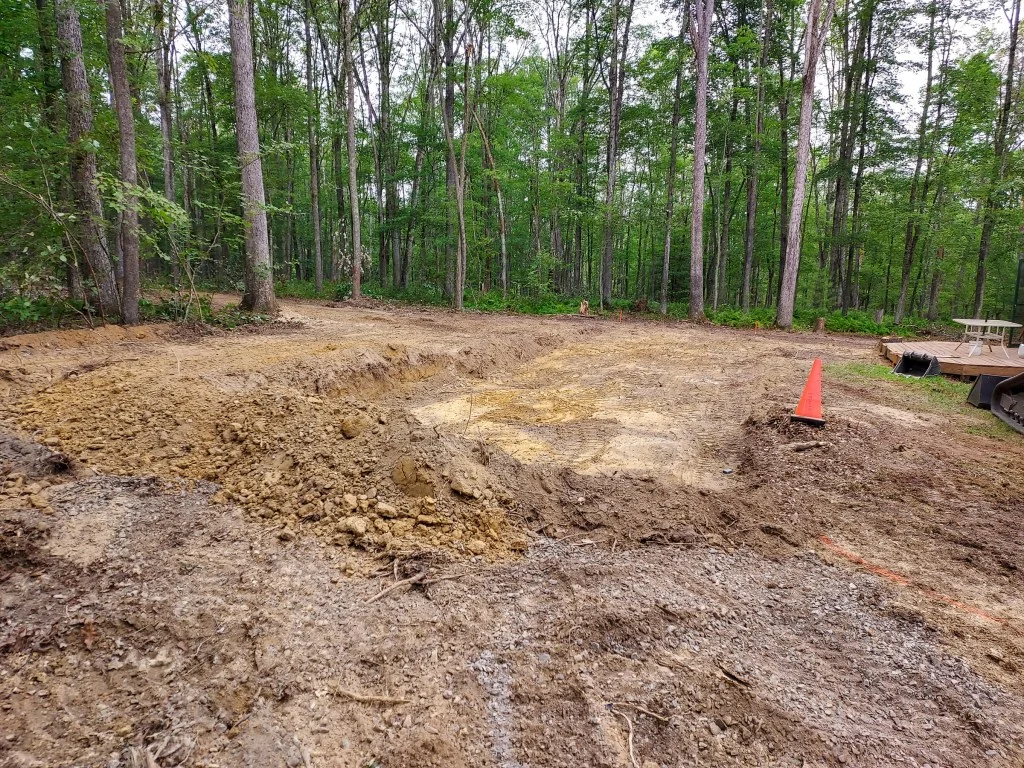
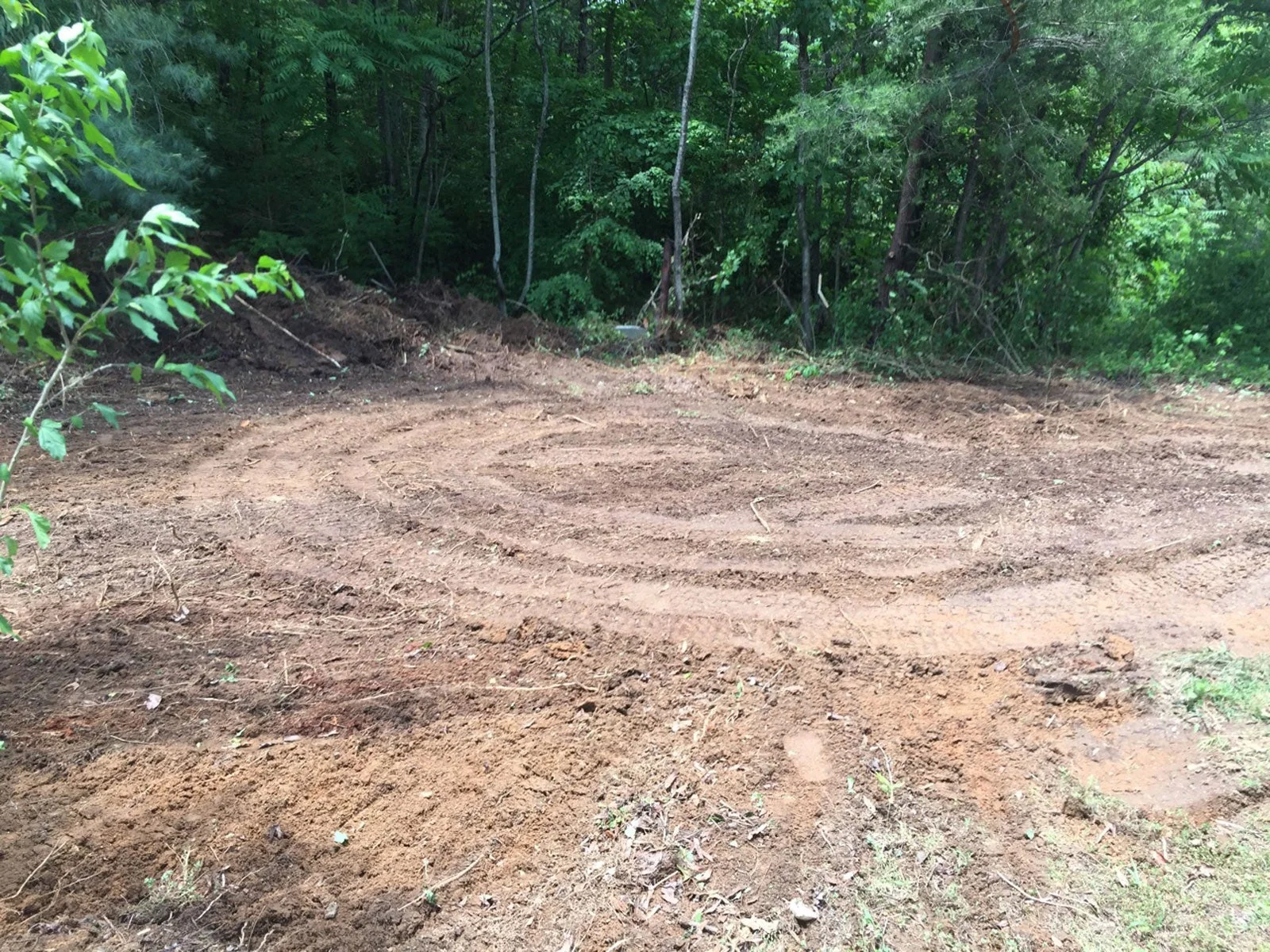
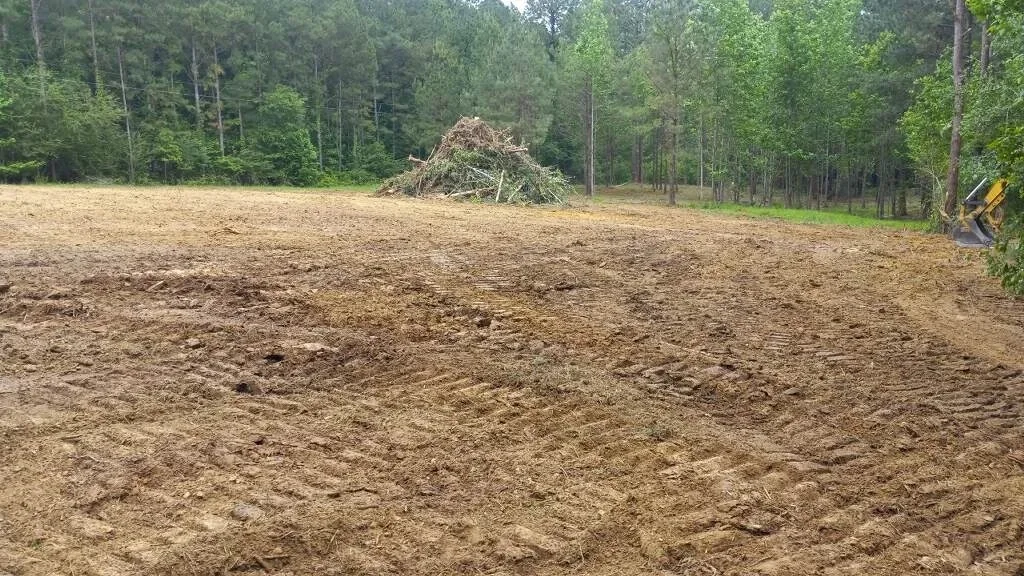
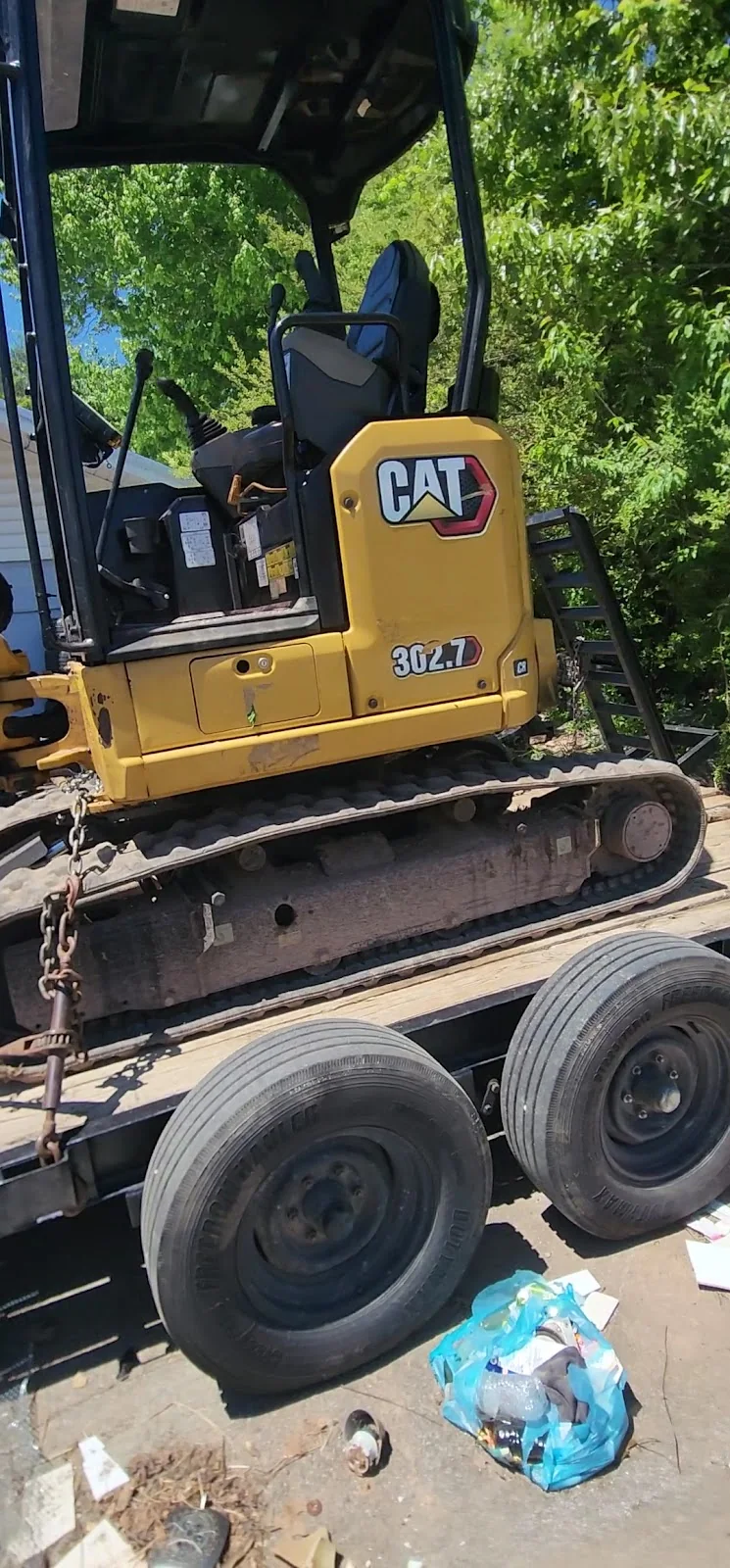
Access is the silent driver. A lot with a wide, graveled entrance lets equipment walk in; a parcel reached by a narrow switchback or a washed-out logging trace adds machine time before a single tree falls. Rock is the second mover — this is mountain ground, and shallow bedrock turns a two-day job into a week of ripping and hauling. Debris handling is third: burn piles are cheap, chipping is moderate, and full haul-off to an approved site is the expensive route, priced by the load. Grade change is fourth, and the one most homeowners forget: clearing flat is one number, clearing to a buildable pad is another.
When you request a figure, ask which of these four the quote separates out. A single lump number hides everything that can move later. The full land clearing service overview walks through how a proper scope is written.
A working price table for hillside and bottomland jobs
Ranges below reflect typical Madison County work. They assume a machine-accessible lot unless noted. Treat any figure without an access and debris plan as an estimate of the best case, not the job.
| Scope | Typical range | What moves it |
|---|---|---|
| Light brush and sapling clearing, under 1 acre | $1,800-$3,500 | Density, slope, whether stumps get ground |
| Mixed hardwood clearing, 1-3 acres | $3,500-$7,500 | Tree size, burn vs. haul, access |
| Clearing to a buildable pad with cut and fill | $6,000-$11,000 | Volume of dirt moved, rock, drainage |
| Steep or limited-access tract, debris hauled off | $8,000-$12,000+ | Machine staging, load count, trucking distance |
These bands are honest ranges, not flat rates. The Madison County grading cost breakdown covers the dirt-moving side if your job runs past clearing into pad prep and driveway cut.
What the terrain here forces you to plan for
Marshall sits in a river valley pinched by steep ridges, and the county's residential ground follows that shape: broad old farm fields along the bottoms, timbered slopes climbing off them, and small tracts wedged between creek and road. That split matters at quote time. Bottomland holds moisture and often needs drainage addressed before it holds a pad; slope work needs a plan for where cut dirt goes and how stormwater leaves without carving a gully into the neighbor's field.
Federal disaster history is part of the picture. This county sits within a region that has seen 21 declared events over roughly 1978-2026 years, heavily weighted toward storm and flood family events. Any homeowner clearing near a creek or at the foot of a slope should treat water as a design input, not an afterthought. Erosion and sediment control during the work is a code matter, and the NC Building Code Council and NCDOI Engineering Division publishes the standards local enforcement leans on. The National Weather Service outlook at weather.gov is worth a look before scheduling ground-disturbing work in a wet season.
Timber, stumps, and what actually leaves the site
Dead and dying hardwood is common on these ridges, and it changes the plan. A cleared acre of merchantable timber sometimes carries enough value to offset part of the job, but small or low-grade stands rarely do — the logger's access cost eats the gain. Ask whether anyone on the crew will separate saw timber from pulp and firewood, or whether it all burns. That single decision swings the total by thousands on a wooded tract.
Stumps are the other quiet cost. Grinding below grade so a lawn or driveway can go in costs more than cutting flush and leaving them. If you plan to build, grind; if the acreage stays wooded pasture, flush-cut may be fine. This is also where licensing enters: larger clearing and grading contracts can cross the threshold that requires a licensed general contractor under North Carolina rules, detailed at the NC Licensing Board for General Contractors. Confirm your contractor's standing before signing, especially on combined clearing-and-grading scopes.
Getting a number that survives contact with the ground
A useful quote for a Marshall lot comes from a site visit, not a phone estimate. The walk should answer four things: how equipment gets in, what the soil and rock look like, where debris goes, and how water will be managed during and after the work. Ask for the scope in writing with those four broken out. If a bid is one line and one number, you cannot compare it to anything, and you cannot tell what happens when the crew hits rock on day two.
For anything beyond a small residential clearing, a sediment and erosion control plan is standard practice and often required. The EPA's stormwater guidance at epa.gov explains why disturbed ground sheds sediment fast and what controls prevent it. Pair a written scope with a start date and a debris-disposal destination, and the quote you sign will look like the invoice you pay. Our Marshall grading contractors page covers what to verify on the crew side before work starts.