Where water wants to sit on a Weaverville lot
Most of Weaverville drains toward the French Broad and its creek system, and most residential lots here are either flat shelves near the water or graded benches cut into the ridges above it. That layout decides your excavation problem before anyone swings a bucket. A lot off Reems Creek Road sits low with a high water table and a neighbor's runoff arriving from uphill; a lot up on a cut bench has hard native clay on the uphill side and a soft fill seam on the downhill edge. Both need the same first question answered: where does the water go after the dig?
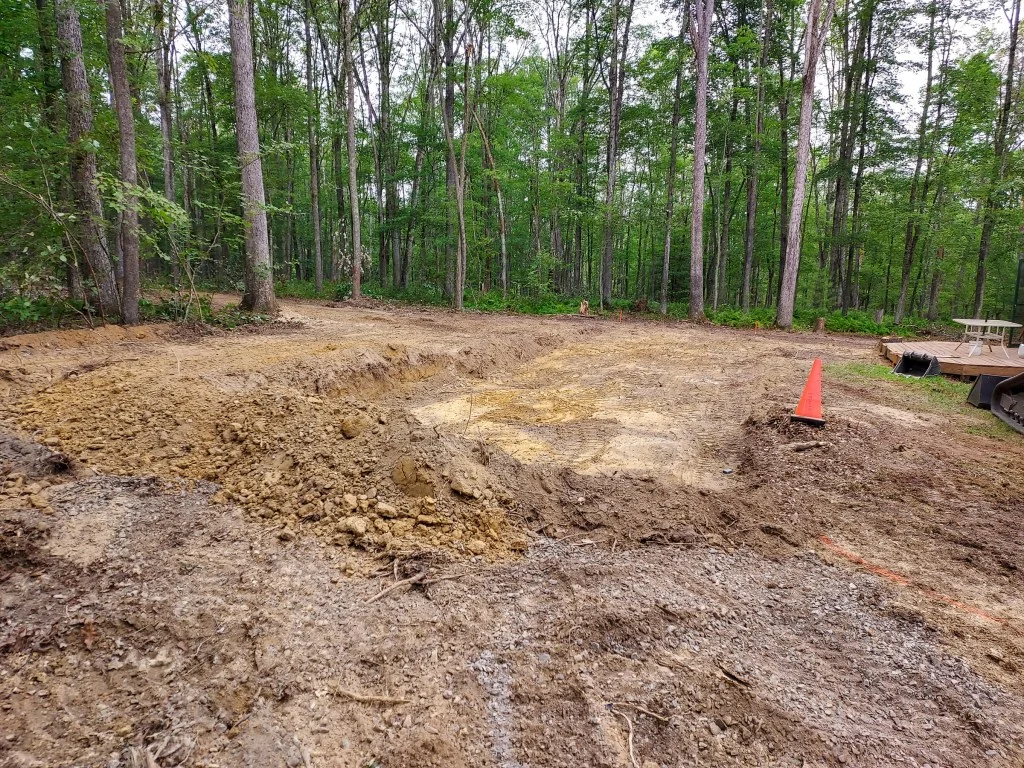
The tell is usually in the soil, not the plan. Creek-bottom lots show mottled gray clay within a couple of feet, which means the water table is close and a footing trench will hold water unless it's dug, formed, and poured in one push. Bench lots show a loose fill layer that won't carry a footing at design depth, which means over-excavation and engineered backfill instead of a straight dig. Weaverville crews who quote off a phone call are guessing on both.
Water comes from three directions on these lots and each arrives on its own schedule. Rain landing on the uphill neighbor's property sheets downslope until it hits your cut. Groundwater rises slowly into a low trench and sits there for days. And creek-fed water backs up through the soil profile after a sustained storm, which is a different problem from surface runoff and needs a different fix. Excavation has to account for all three because grading for one and ignoring the other two is how a dry basement turns into a wet crawl space. The Weaverville grading page covers the finish-grade side of the same problem.
What the work actually costs here
Site-wide numbers hold in Weaverville, but the terrain pushes most jobs toward the top of each band. The working table by scope:
| Scope of work | Typical range | What drives it |
|---|---|---|
| Single footing, utility trench, or small pad | $1,800 – $3,200 | Depth, access for a mini-ex, haul-off of spoils |
| Multiple footings or a full crawl-space dig | $3,000 – $4,500 | Number of digs, whether spoils stay on site |
| Driveway cut, culvert, and drainage swale | $2,500 – $4,500 | Slope, rock, where the swale has to daylight |
| Full site excavation for a new build | $6,000 – $15,000 | Cut-and-fill volume, rock, retaining, haul distance |
See the full Buncombe County grading cost breakdown for line-item detail. Two local price movers sit outside the dig itself: rock, which is common on the ridge benches above town and can add days of hammering, and haul-off, since tight Weaverville driveways often mean a smaller machine and more trips.
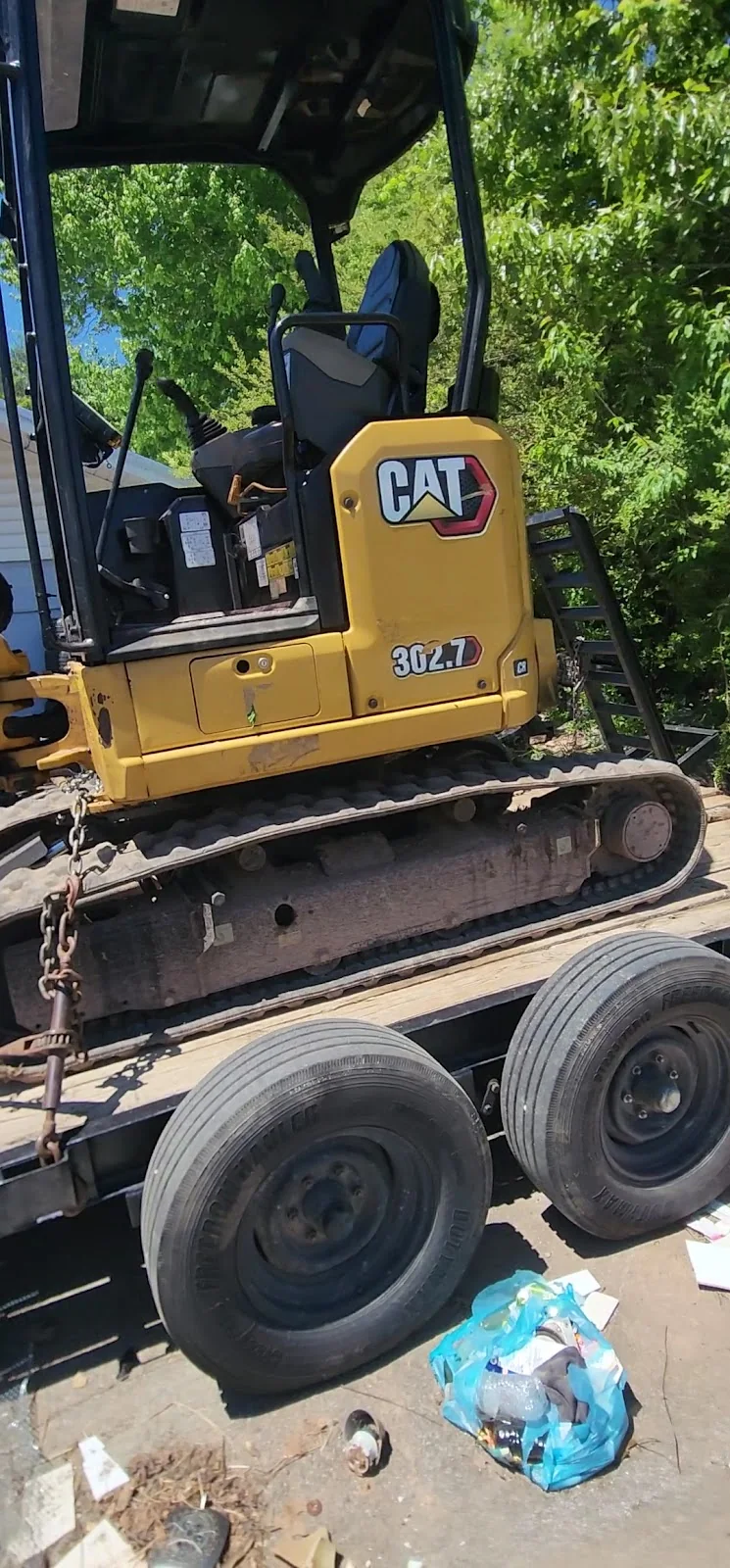
Access is the third mover and it is underrated. A lot with a straight shot from the road lets a full-size excavator and a dump truck work side by side, which compresses the job into fewer days. A hillside lot reached through a shared gravel driveway with a low branch over it can force the crew onto a mini-excavator, which digs slower and hauls less per trip, and the labor hours stack up. When you compare two Weaverville bids and one is dramatically lower, ask what machine they plan to bring and whether it can physically reach the dig.
Spoils are the fourth. Clean native dirt that can be stockpiled on the back of the lot and used for backfill costs almost nothing to handle. Spoils that have to leave the site get loaded, trucked, and tipped, and the round trip adds up fast. A bid that says 'spoils on site' and then runs out of room is a change order. A bid that prices haul-off up front is the honest version.
Reading the ground before the machine shows up
Weaverville's housing stock splits into three excavation stories. Older homes near the town center sit on shallow footings poured when the ground was assumed dry; any new dig beside them has to respect how those footings bear. Mid-century houses along the creek bottoms were often built on fill with a simple perimeter drain that has long since silted shut. Newer builds on the graded benches above the French Broad required engineered fill at permit time, and that fill has its own compaction history.
That history is inspectable. A soils report or the original site plan often exists for newer bench lots, and it tells you exactly where the fill starts and how deep. For older lots, a handful of test pits answers the same question. Excavation without that step is how footing trenches end up over-dug, backfilled with whatever was on hand, and re-excavated a year later. The NC Licensing Board for General Contractors sets the threshold where this work needs a licensed general contractor, and it's worth knowing before you compare bids.
The town center adds its own wrinkle. Lots near Main Street and the older commercial blocks are narrow, and they sit close to neighboring foundations that were built to bear on undisturbed soil. Digging a new footing next to one of those means either shoring the excavation or stepping the foundation away from the property line, and both choices cost money. A crew that has worked these blocks knows to walk the property line and the neighbor's downspouts before quoting. A crew from out of county may not.
Deeper lots out toward the county line tend to be simpler reads. More room to stockpile, wider access, less risk of undermining a neighbor. The trade-off is distance from suppliers and longer haul cycles, which is a line item, not a surprise.
Drainage is part of the dig, not an add-on
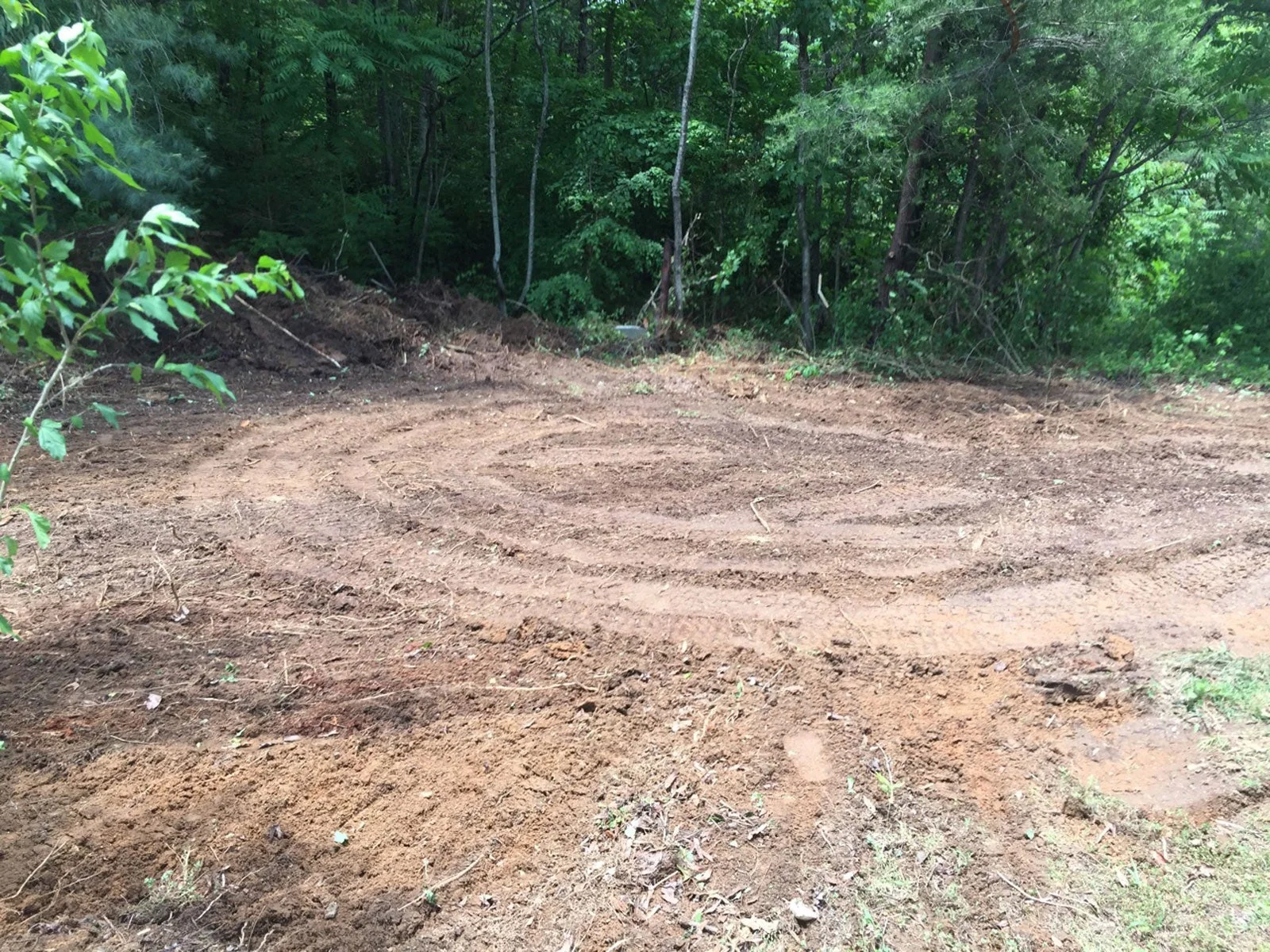
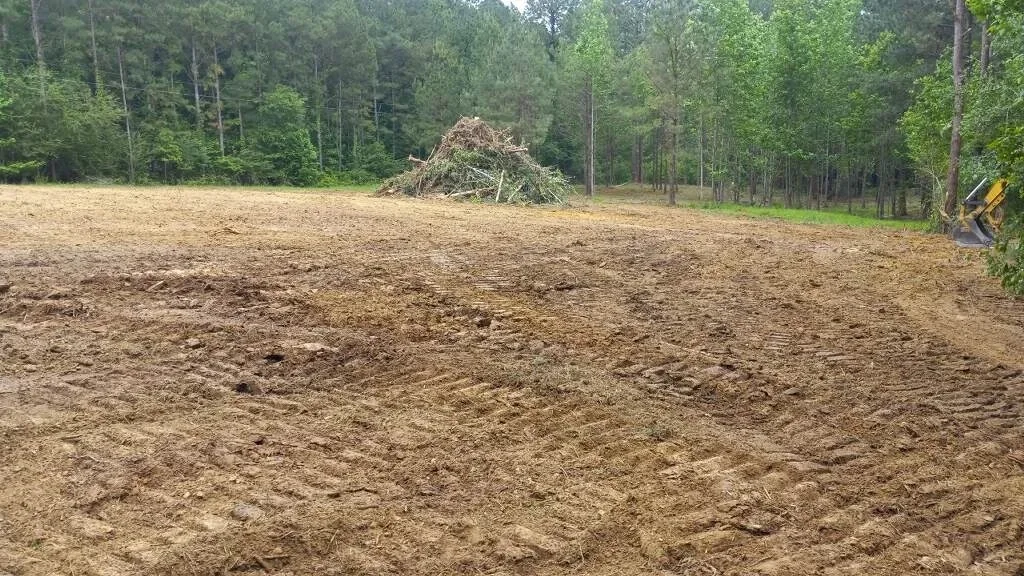
On a Weaverville lot, where the grade sends water is decided during excavation, not after. A footing trench that daylights into the hillside collects the whole slope. A driveway cut without a swale routes sheet flow into the garage. A pad graded flat with no fall holds every storm. The right sequence is: establish the finish grade first, then dig to it, then confirm the swale or French drain daylights somewhere legal before the machine leaves the site.
Federal disaster history backs this up locally — 19 declared events touch this county across 1973-2026, overwhelmingly storm and flood family. Every one of those events pushed water at ground that was graded for a drier assumption, and the repairs that followed were grading and drainage jobs far more often than structural ones. The National Weather Service tracks the rainfall patterns behind those events; the takeaway for a Weaverville dig is that any lot with uphill neighbors or a creek nearby needs its water plan drawn before the first bucket.
Where water is allowed to go is not just an engineering question here. Streams and their buffers carry county and state rules that limit how close grading can come to a creek or a mapped floodplain, and moving dirt inside a buffer can trigger review that stops work mid-job. The U.S. Environmental Protection Agency publishes the framework behind those stormwater and sediment rules at https://www.epa.gov, and it explains why the plan has to show a legal outlet for the water before excavation starts rather than after. A swale that dead-ends into a neighbor's yard or a buffer is not drainage, it's a problem you moved.
Concrete evidence, not theory: after a heavy rainfall, walk a recently graded lot and look for where the soil is still dark and wet a day later. That patch is the low spot the swale missed, and it will be the first place to pond when the next system sits over the county.
Comparing bids without getting buried
Three checks separate a real Weaverville excavation bid from a number on a napkin. First, did they test the ground or ask for a soils report — if the bid doesn't mention fill depth or rock, it's an estimate, not a scope. Second, does the bid say where spoils go, on site or hauled, and at whose cost. Third, does it include the drainage that the dig creates, or is the swale a change order waiting to happen. The excavation contractor guide walks through exactly what a complete scope contains, and it's worth reading before you sign anything.
Add two more for this county specifically. Ask which machine the bid assumes and whether that machine can actually fit the access on your lot; the answer belongs in writing because it's the difference between the low bid and the real cost. And ask who handles the sediment and erosion control measures if the job disturbs enough ground to need them, since that obligation falls on the owner and a crew that walks away leaves you holding it. Trenching and utility work tied to plumbing or gas brings its own licensing under the NC State Board of Examiners of Plumbing, Heating and Fire Sprinkler Contractors, so when a scope touches a sewer or gas line, confirm the right license is on the job and not just the excavator.