Maggie Valley lots are shaped by the switchback, not the subdivision plat
Follow the pavement climbing off Soco Road or up toward the ski area side and the pattern is obvious: ribbons of gravel and asphalt pushed into a hillside at angles that would be unbuildable across most of the state. Where Waynesville proper has graded subdivision lots with pads already roughed in, Maggie Valley's housing sits on some of the steepest privately developed ground in Haywood County, and the lot shapes show it. Narrow switchback driveways, pads benched into thirty percent slopes, and building sites where the uphill cut ends up taller than the house that will sit on it.
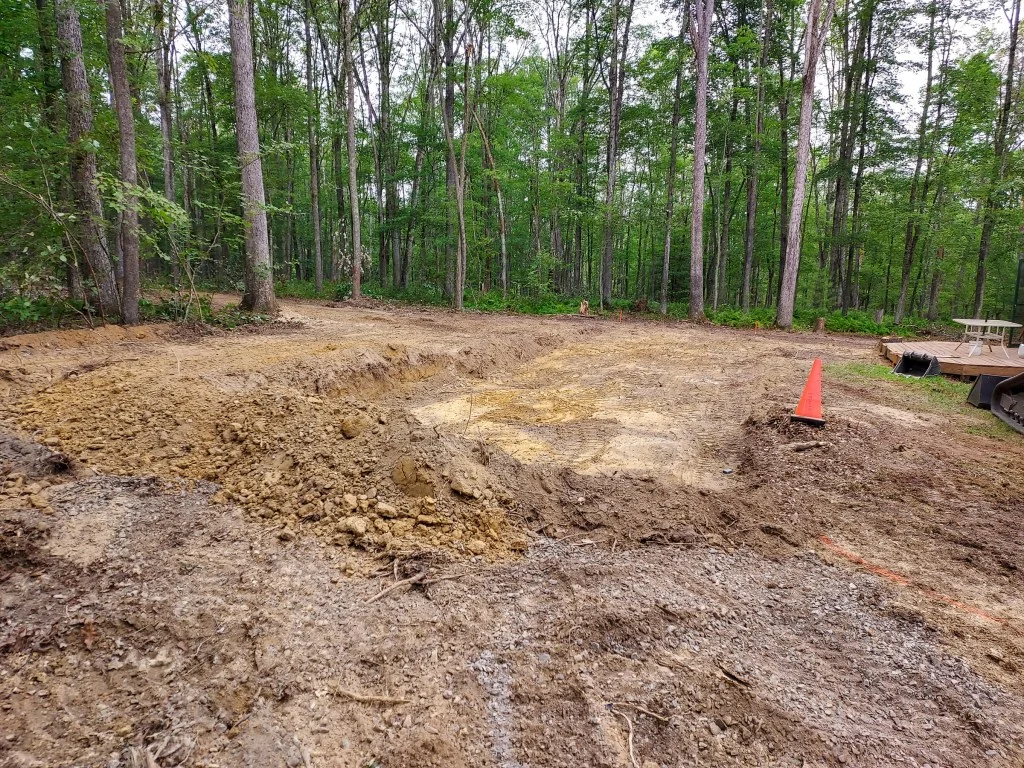
That terrain changes what a grading contractor actually does here. On a flat lot the work is stripping topsoil and shaping for drainage. On a Maggie Valley lot the work is cut, fill, haul-off, retaining, and controlling water that wants to come down the mountain and stop at your foundation. The grading and excavation work that matters most is the part you can't see once the job is done: where the water goes and how the fill was compacted.
A lot that climbs away from the valley floor often needs the access road cut before a single yard of pad fill can be placed, and that road is its own scope. That is the single biggest reason a grading bid here looks nothing like a bid for the same square footage in the flat parts of the county.
What the work runs on Maggie Valley ground
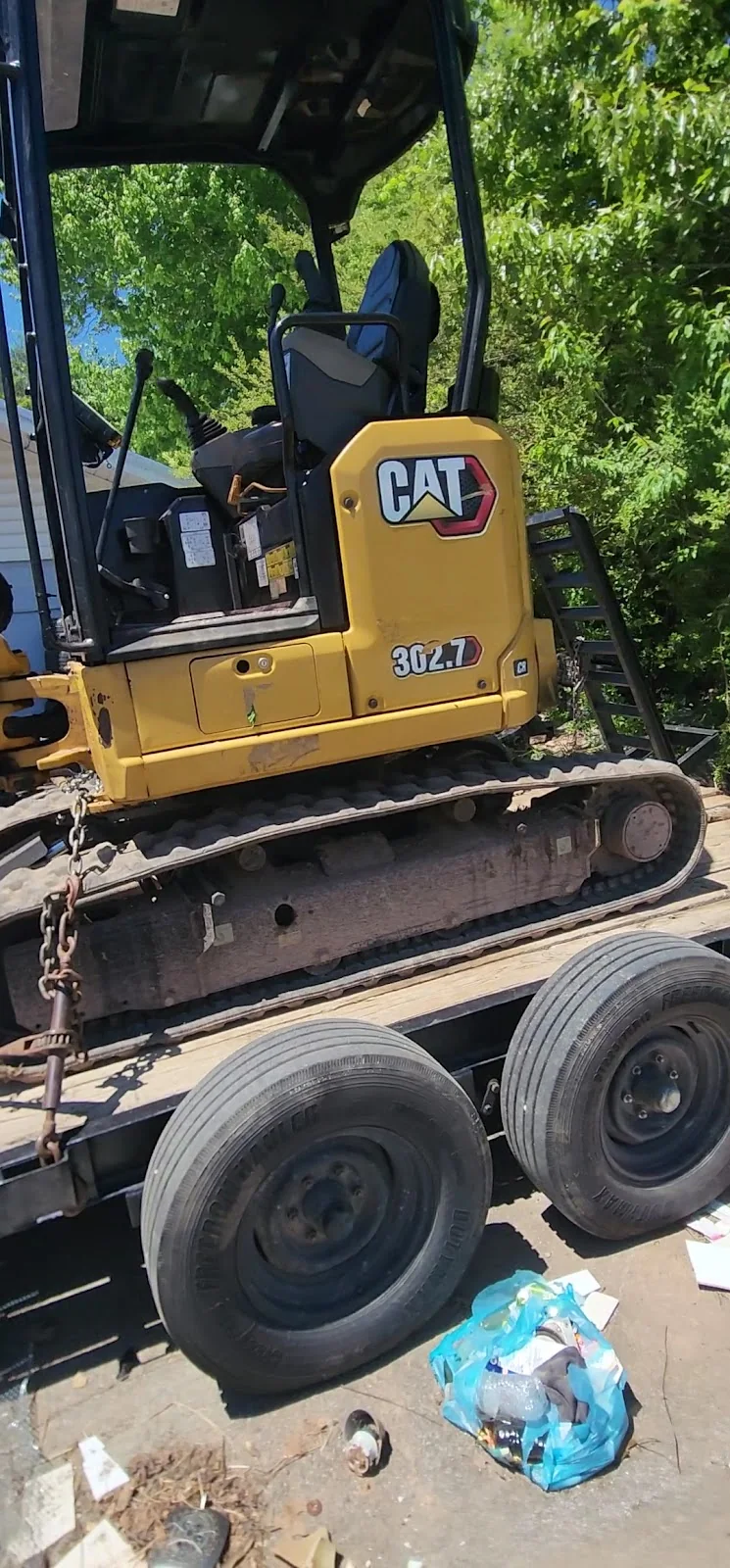
Prices in this town track access and cubic yards, not square footage. A lot you can reach with a full-size machine and a dump truck prices very differently from one where a mini excavator has to walk in past a tight switchback. The table below reflects honest regional ranges for Haywood County mountain work. Treat any bid far below the low end as one that skipped haul-off or compaction.
| Scope | Typical range |
|---|---|
| Driveway grading and reshaping (existing gravel, no new cut) | $800-$2,500 |
| New driveway cut into slope, including drainage | $1,500-$4,200 |
| Building pad cut and fill, benched into hillside | $2,800-$8,000 |
| Retaining wall base prep and backfill | $1,200-$4,500 |
| Drainage correction (swales, French drains, downspout routing) | $1,200-$4,500 |
| Haul-off of excess spoil | $450-$900 per load, varies with distance |
For a fuller line-item picture, the Haywood County grading cost breakdown covers how these ranges move with slope and access.
Two things push Maggie Valley jobs toward the top of every band. First, spoil has nowhere to go on a steep lot, so it leaves by truck, and on many driveways the truck can't reach the cut, which means a machine shuttles it down first. Second, retaining. A cut slope in this terrain rarely stands on its own, so a wall base and backfill become part of the grading scope rather than a later landscaping line. Owners who budget only the pad and forget the wall and the haul-off are the ones who get surprised at the midpoint of a job.
Water is the grade, and the grade is the point
The federal disaster record explains why drainage overshadows almost every other grading concern in this county: 19 declared events touch Haywood County across 1973-2026, and the overwhelming majority are storm, flood, and landslide family. Mountain terrain concentrates that water. A driveway that sheds fine in July can channel a season's runoff straight at a foundation by October, and a pad that wasn't benched correctly can slump after a wet spring.
That's why a proper grading scope here always answers where the uphill water goes before it answers where the machine goes. The NC Department of Insurance Office of State Fire Marshal treats site drainage and fill compaction as code-level requirements for a reason, and the National Weather Service mountain forecast patterns are the practical reminder that this ground gets tested every year. If a bid only talks about moving dirt and never about water, that bid is incomplete.
In practice the water detail looks like this. A cross-slope swale above the cut intercepts sheet flow before it reaches the pad. A culvert under the driveway carries it across and out to daylight on the downhill side. Downspouts get routed past the fill, not into it. French drains pick up what the swale can't. None of that is glamorous, and none of it shows after the grass comes in, but it is the difference between a pad that holds and a pad that moves.
Clearing, access, and the parts that surprise owners
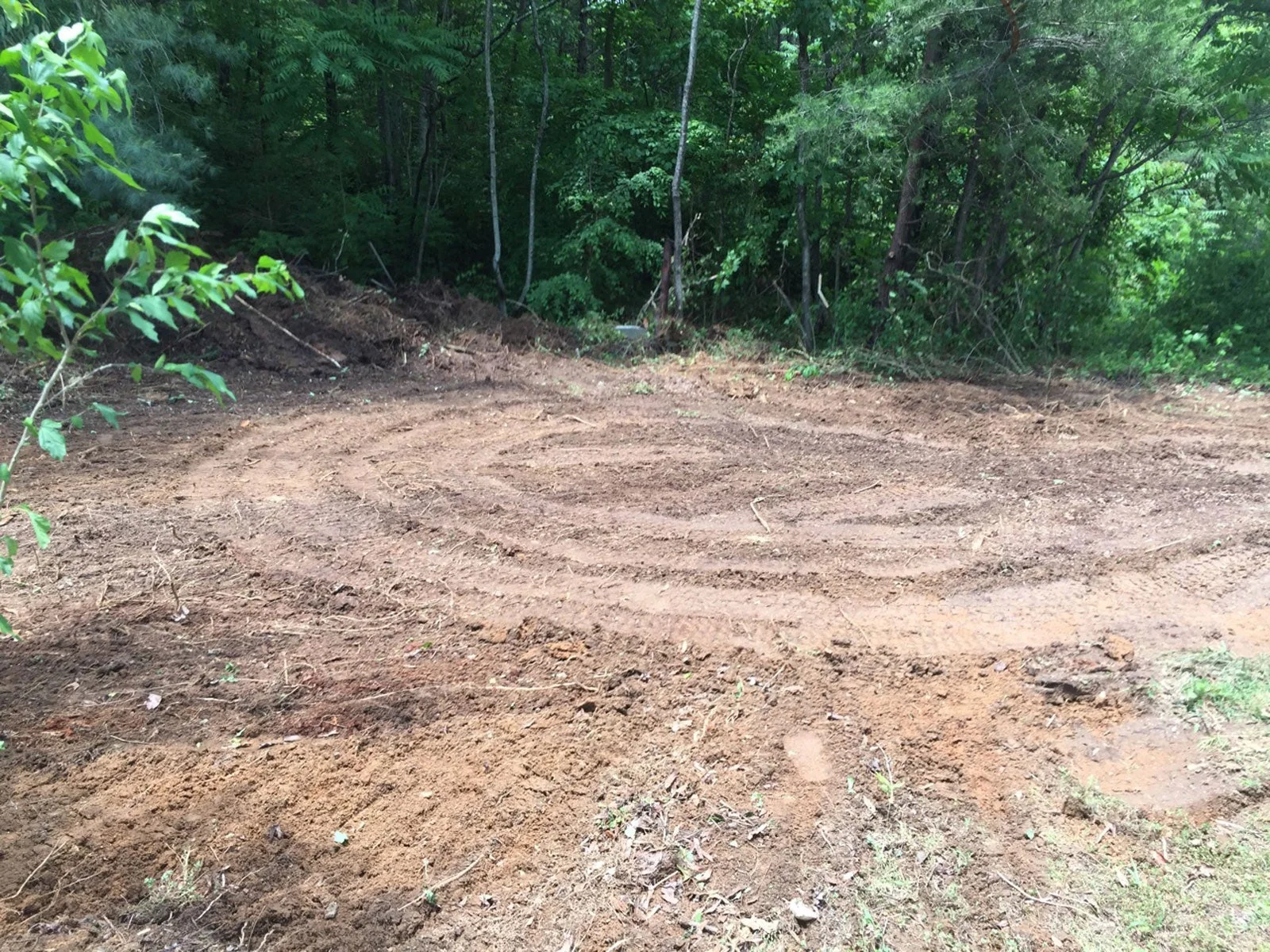
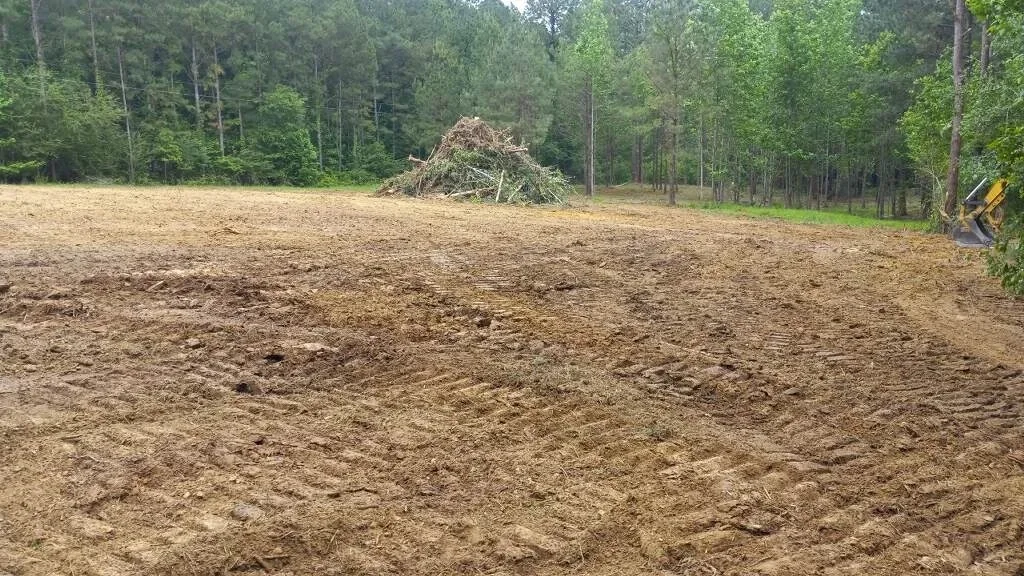
Most Maggie Valley grading jobs start with something already on the ground: rhododendron thickets, mature hardwoods, or the remnants of an old homesite. Land clearing is often the first line item and the one that swings a budget most, because stump removal, root raking, and disposal on a steep lot cost real money. Ask whether the quote separates clearing from grading or buries it in one number.
Then access: can a dump truck turn around at the top of your driveway, or does spoil have to be shuttled down in a smaller machine? On many Maggie Valley lots the truck can't get there, and every yard of fill moves twice. Finally, retaining: a cut slope on this terrain almost always wants a wall, and the wall's footing and drainage are structural work, not landscaping. The NC Licensing Board for General Contractors sets the threshold where this kind of work requires a licensed general contractor, and on hillside retaining and fill work it's worth checking before you sign.
Another quiet cost is erosion control. Bare cut slopes in this county shed sediment fast, and the U.S. Environmental Protection Agency stormwater guidance is the reference many local reviewers lean on. Silt fence, straw wattle, and a stabilized entrance are small line items that keep a job from generating a complaint or a stop-work order.
What a good first visit looks like
A competent grading contractor walks the lot with you and answers four questions out loud: where the water comes from, where it will go when the work is done, how the fill will be compacted, and what happens to the spoil. If the visit is fifteen minutes and the number arrives by text the same day, you didn't get a scope. You got an estimate for a different lot. Ask for the written scope to name cubic yards, drainage features, and compaction method.
Bring a few things to that first walk. A plat or survey so the contractor can see the lot lines and easements. Any septic or well location already permitted. And a clear answer about what you plan to build and when, because a driveway-only scope is priced very differently from driveway plus pad plus wall. On steep Maggie Valley ground the sequence matters too: access first, then cut, then drainage, then any retaining, then final grade and seed.