How Swannanoa's valley lots shape driveway work
Driveways in Swannanoa are not Asheville driveways with a different ZIP code. The town sits in the Swannanoa River valley between the Blue Ridge and the Black Mountains, and most residential lots run either up a short, sharp cut off the highway or back toward the creek bottoms on ground that stays wet long after rain stops. That geometry decides everything: a drive that climbs from the road at 12 to 18 percent sheds water fast and cuts ruts fast, while a flat lot near the river puddles instead and softens the same base from underneath.
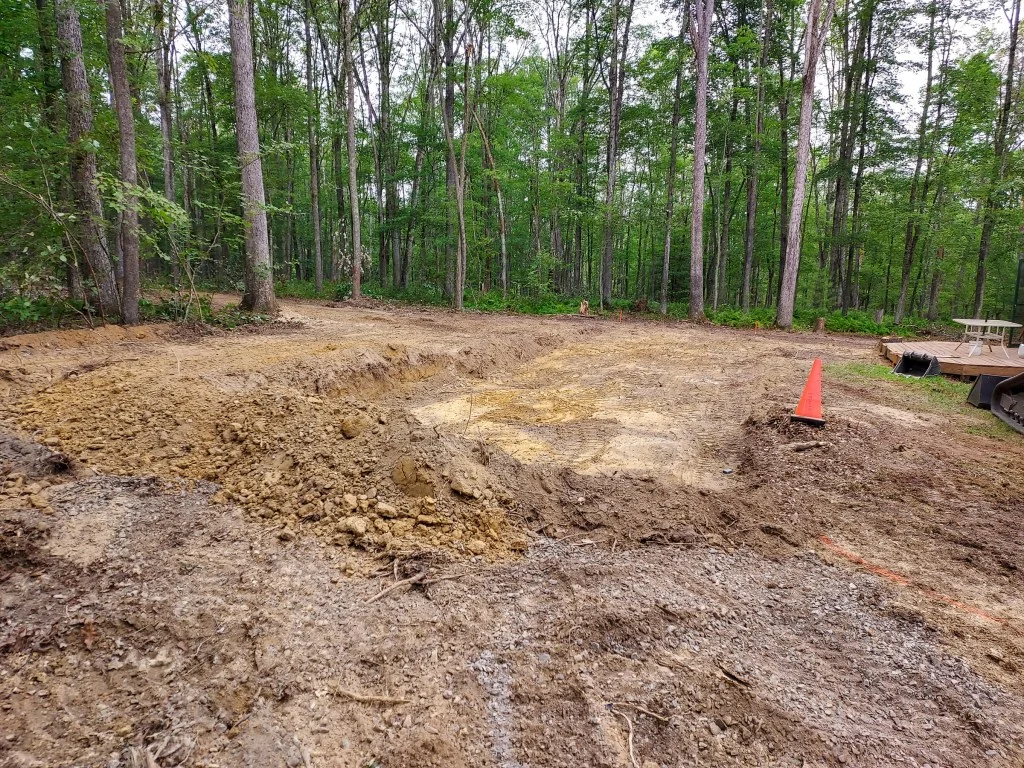
Older homes along the old mill-village roads often share gravel drives that were never graded with modern drainage in mind, and newer builds on the valley's edge were cut into slope with fill that settles for a season or two. Both end up in the same place after a heavy storm: stone pushed to the bottom of the hill, a trench down the center, and a culvert inlet buried under debris. The local grading contractors who work this valley know which drives need a crown, which need a ditch, and which need the water sent somewhere else entirely.
Reading the washout before you call anyone
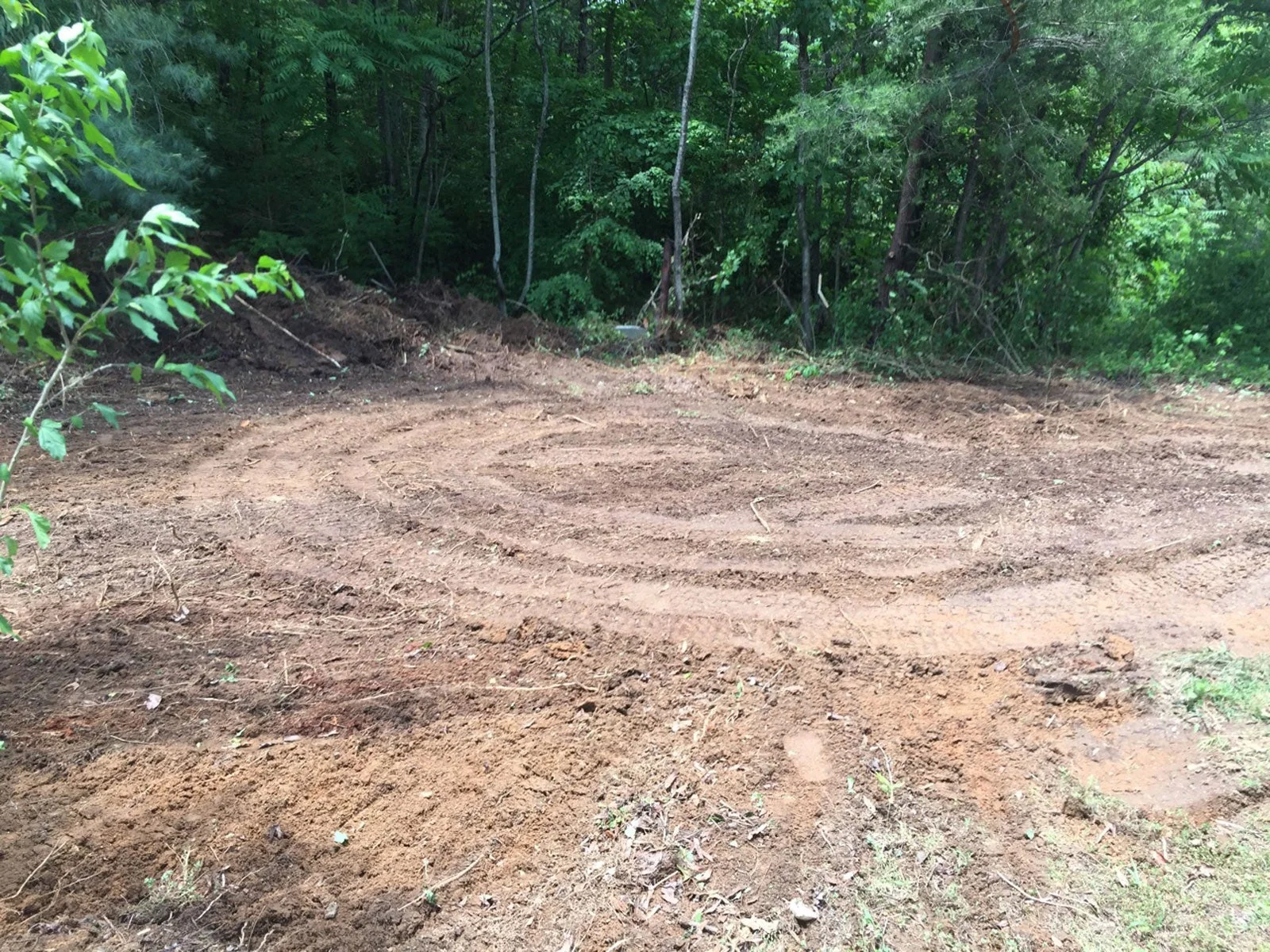
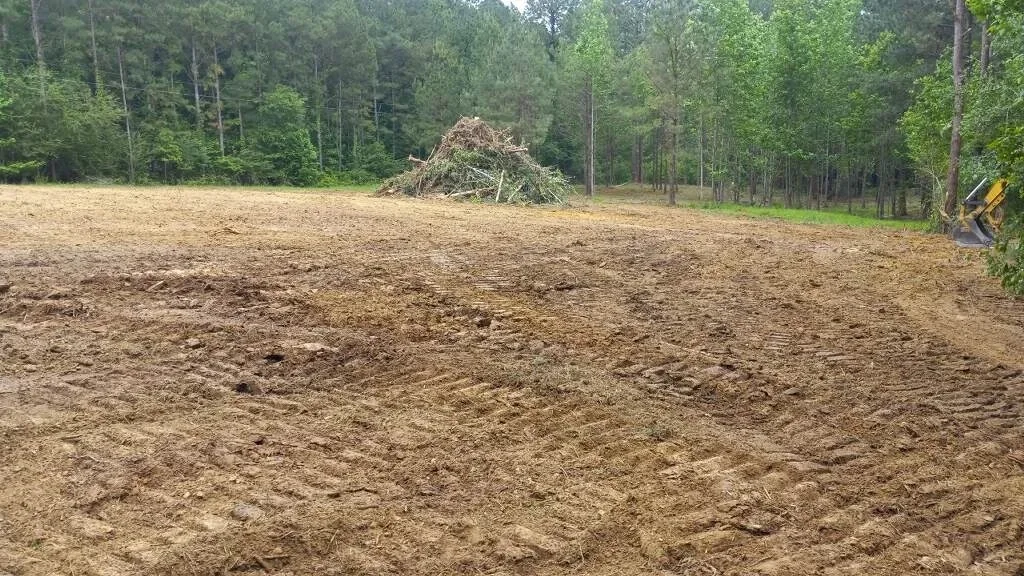
A little gravel at the driveway mouth is normal. A gully you can stand in is not. Walk the drive after a real storm and note three things: where the water first touches pavement or stone, where it leaves, and whether the stone that moved ended up somewhere it can be dragged back. If the ruts are shallow and the base is still firm, this is a grading and gravel refresh — regrade, crown, and add new stone. If the water crossed the drive instead of running alongside it, you have a drainage problem wearing a gravel costume, and new stone alone will wash out again by spring.
Mountain storms are the reason this matters. 19 federal disaster declarations touch Buncombe County over 1973-2026, overwhelmingly storm and flood events, and Swannanoa's position in the valley means water collects here first. The National Weather Service keeps pointing at the same pattern: short, intense rainfall on saturated ground. Driveways that were fine for a decade are failing in single events.
Scope-to-cost, the honest version
Every driveway quote in this valley should break down by scope, not by a lump number. Use the table below against the Buncombe County grading cost breakdown for the fuller picture. If a bid doesn't separate stone from machine time from drainage, it isn't finished being written.
| Scope | Typical range | What it buys |
|---|---|---|
| Regrade existing gravel | $350–$1,200 | Re-crowning, pulling stone back up the drive, light compaction |
| Washout repair with fresh stone | $400–$1,500 | New gravel, base repair at the rut, grading to fall |
| Ditching plus culvert | $800–$2,800 | Side ditch, culvert pipe, inlet protection, stone around the pipe |
| Engineered drainage on steep grade | $2,500–$6,500 | Design, water diversion, armored channel, driveway re-profiled |
Where a Swannanoa job lands inside those bands depends on grade, drive length, and how much water the uphill neighbor sends your way. A short flat drive near the highway can sit at the low end of a row; a long steep climb above the valley floor pushes the same scope toward the top.
Water first, stone second
The most common failure in Swannanoa driveway repair is adding stone to a drive that hasn't been told where to send its water. Gravel on a bad grade simply becomes ammunition for the next storm. Before any stone is spread, three questions need answers: does the drive have a crown, does it have a ditch on the uphill side, and does that ditch have somewhere to discharge that isn't the neighbor's yard or the creek buffer?
Discharge matters legally as well as practically. Buncombe County and state rules govern how runoff reaches streams and storm systems, and the EPA's stormwater guidance is the baseline most local plans trace to. Contractors who routinely cross into larger grading jobs are licensed through the NC Licensing Board for General Contractors, and ditch, culvert, and diversion work can push a driveway project over those thresholds. Ask before you sign.
Hiring on a mountain grade
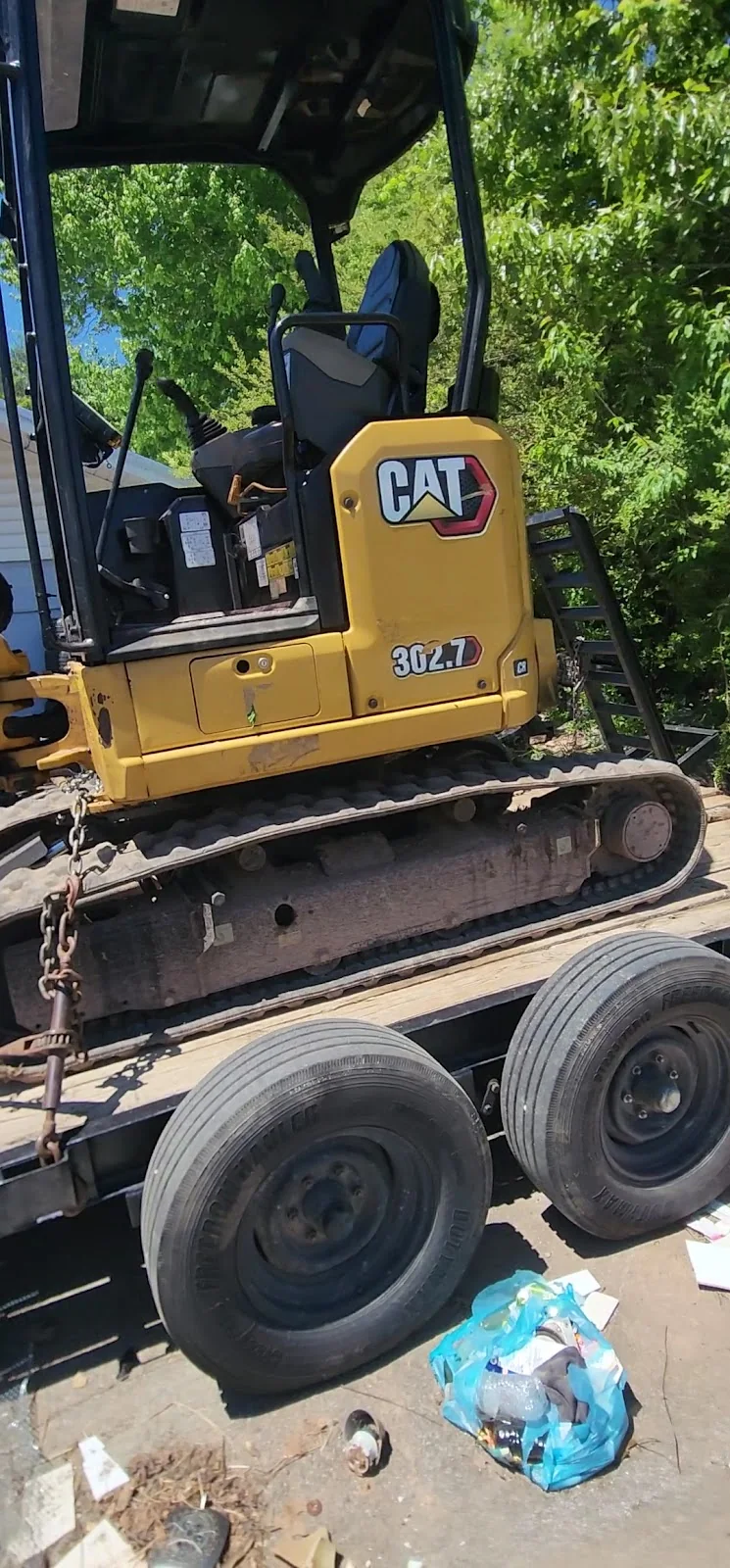
Swannanoa driveways punish the wrong crew quickly. Three checks worth making before you hire: ask whether they've worked drives on your slope and soil — the valley's rocky upland dirt and its soft creek-bottom fill behave nothing alike; ask what machinery they'll use, because a full-size machine can't safely work a narrow 15-percent drive and a mini-ex or walk-behind may be the honest answer; and ask how they handle the old stone. Good crews salvage and re-crown it. Bad crews haul it off and sell you all new gravel you didn't need.
Get at least two visits. The first should be a walk of the drive with the water, not a number. If you're still comparing approaches, the gravel driveway guide covers what a proper grading visit includes.