The acre that changes your paperwork
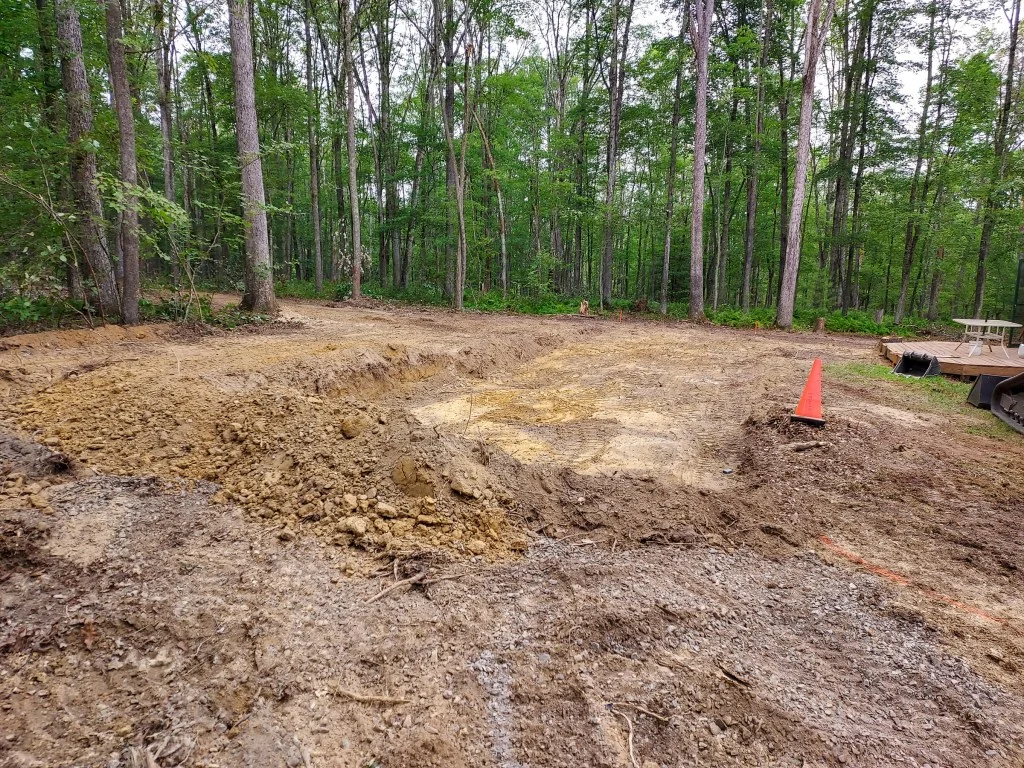
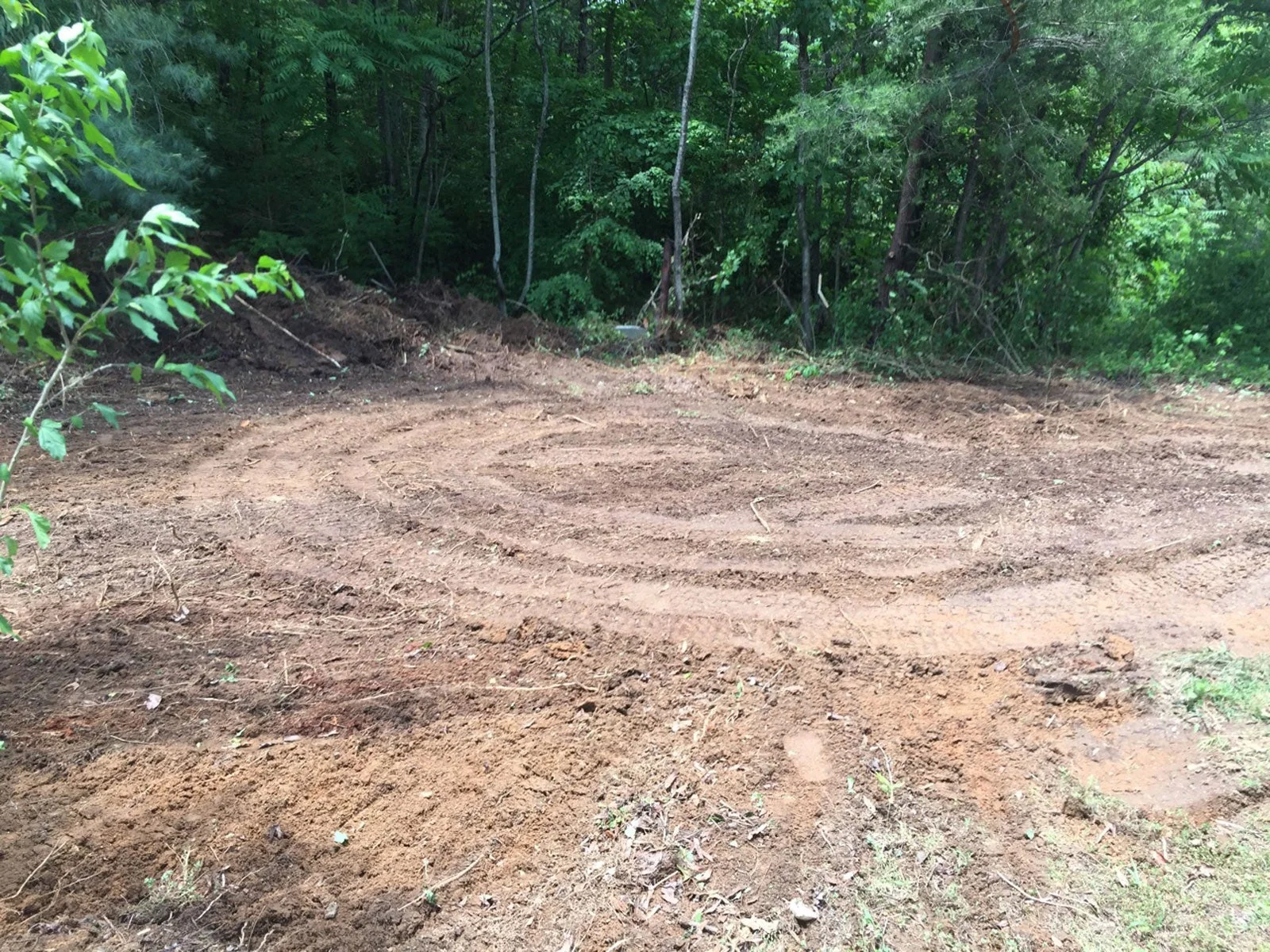
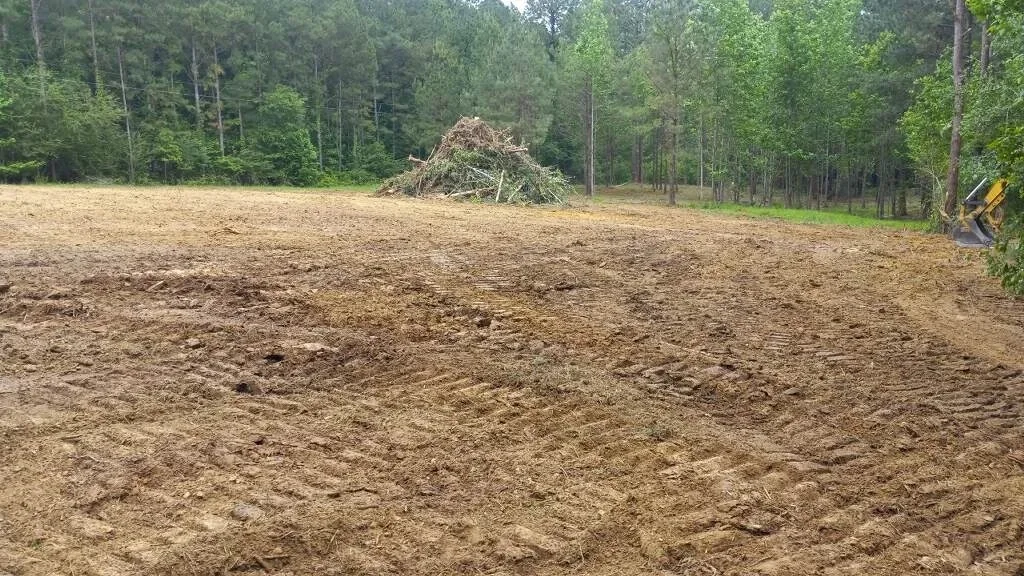
If your project disturbs less ground than the state's one-acre disturbance line — most single building pads, driveways, and small pond cleanouts in Buncombe County fall under it — you're dealing with local soil-sedimentation rules and a simple plan, not the full state erosion-control process. Cross that line and you're pulled into North Carolina's sediment and erosion control permitting and a certified plan, which adds design cost, review time, and inspection obligations before a bucket moves. On a hillside lot east of Asheville, where cuts run deep and haul distances are long, that paperwork cost is real money on top of the dirt work. It's also why the honest way to compare excavation contractor bids here is by total disturbed acreage, not just by hourly rate.
Roughly put: below an acre, expect a handful of hundreds for plan prep; above it, budget well over a thousand for the erosion-control design and compliance process alone, plus the time. Ask every bidder how many square feet of ground they plan to open up, because that number decides which set of rules you're in.
Where the line actually falls in this county is rarely obvious from the driveway. Lots carved out of old pasture in Fairview or Leicester often have house pad, driveway, utility trench, and septic field all inside a tight footprint — a typical single-family build disturbs well under an acre, so the average homeowner never touches the state process. The projects that trip it are the ones that don't feel big: a long gravel driveway cut into a slope, a barn pad plus a turnaround, or a pond enlargement that spreads spoil across an acre of field. Add the disturbance up before you sign anything. A driveway that looks like a $4,000 job can become a $6,000 job purely because its disturbed area, plus the pad and trench, tips just past the threshold and drags in permitting. Contractors who bid here regularly will usually flag that early; the ones who don't are often the ones from out of the county.
One more local wrinkle: disturbance on a steep cut counts differently in practice than disturbance on a flat field. Sediment leaving a ridge lot above a creek that feeds the French Broad gets a closer look during plan review, and the temporary measures — silt fence, inlet protection, a stabilized construction entrance — become line items before the first bucket of topsoil moves. That is compliance cost, not dirt cost, and it belongs in your budget from the start.
Hourly rates vs. job pricing in this county
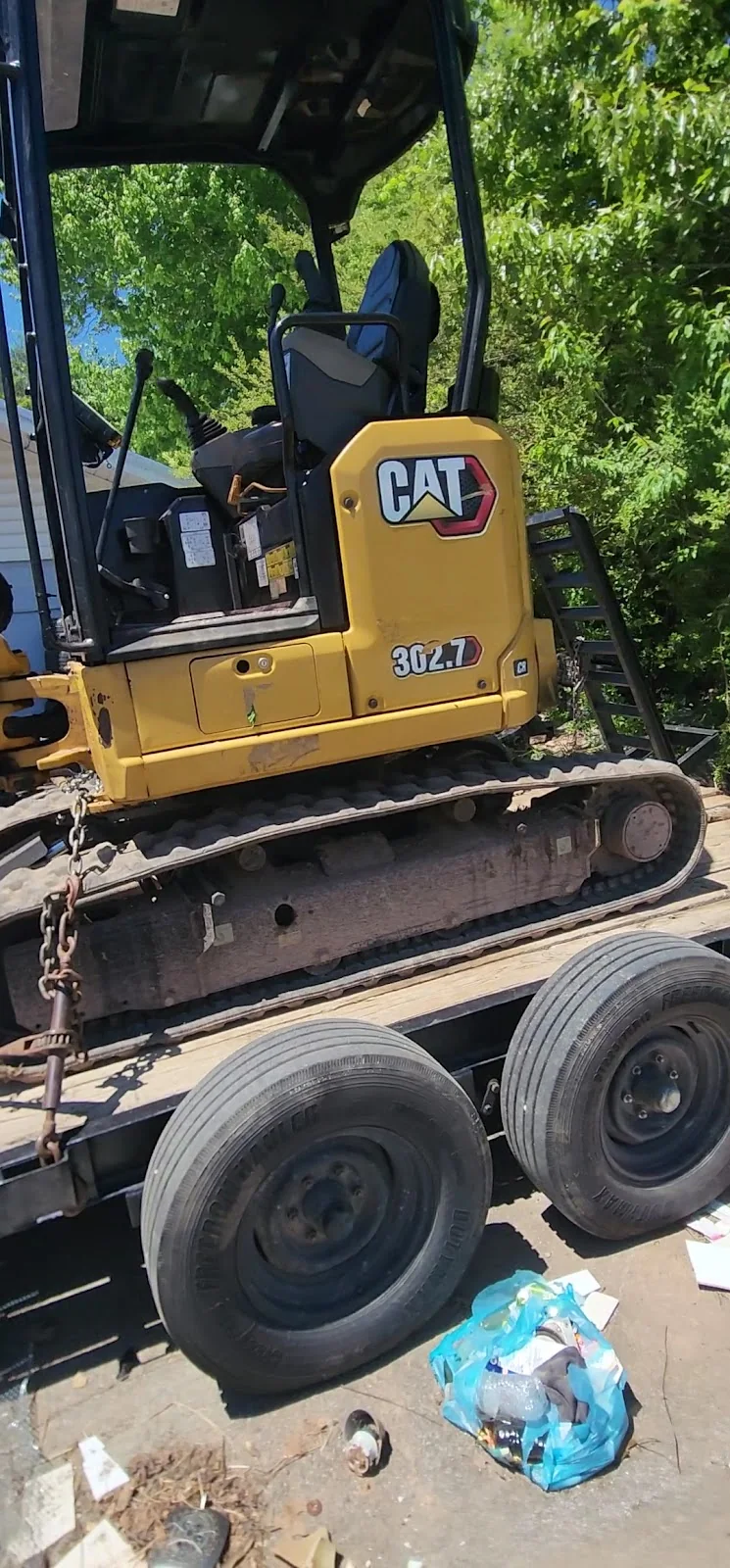
Excavators around Asheville quote two ways: by the machine hour, or as a turnkey price for the finished cut or pad. Hourly is transparent but the hours vary with rock, mud, and trucking distance. Job pricing is easier to budget but hides how the contractor reads your site. On mountain lots, ask what the hourly rate includes — fuel, mobilization, a second machine for hauling, and whether trucking is billed separately. Those items swing a small job by thousands.
| Scope of work | Typical range | What drives it |
|---|---|---|
| Track hoe and operator, hourly | $95 – $175/hr | machine size, rock, ground conditions |
| Small dig (footing, utility trench, stump removal) | $500 – $2,500 | access, spoil removal, trench length |
| Building pad or driveway cut-in | $2,500 – $12,000 | slope, cut volume, haul-off mileage |
| Pond, retention, or large clearing | $8,000 – $30,000+ | acreage, spoil disposal, erosion plan |
Those bands are honest regional working ranges, not quotes. A firm number before the contractor sees how rock sits under your lot is a guess. For grading-specific numbers, see the grading cost breakdown.
Mobilization deserves a separate sentence because it surprises people. A machine that has to be lowboyed from a yard across the county costs the same whether it works one hour or ten, so small jobs get a minimum charge that looks high per hour. Two contractors quoting the same trench can differ by several hundred dollars simply because one is already working a job in your hollow and one is driving in from Canton. If you can wait until a crew is nearby, that is often the single easiest discount available on a small dig, and it costs you nothing but scheduling flexibility.
Spare dirt is its own line item. On a cut, the excavated material has to go somewhere, and where matters. Fill that balances on site is nearly free to place; spoil that has to be hauled off is billed by the load, and long mountain driveways with weight-limited bridge culverts can force smaller trucks and more trips. Ask any bidder where the dirt is going and how many loads they expect, because that one question separates a real estimate from a phone number. On pond and large clearing work, the same answer often decides whether the job is even feasible on your lot or needs an off-site disposal plan.
Slope, rock, and hauling: what mountain dirt costs
Buncombe County's terrain is the single biggest variable in an excavation bill after the one-acre line. On a flat valley lot in Alexander or Fletcher, a track hoe can work efficiently and spoil stays close, so the labor hours stay low. On a cut-in ridge lot above Haw Creek or a steep Leicester hollow, the same pad can take double the machine hours, require a larger excavator or a winch line, and demand truck after truck of haul-off because there's nowhere on-site to stockpile. Rock is the other wildcard — blue granite and weathered schist appear where drill logs predicted soil, and an excavator can drop into hammering or blasting territory fast, adding hours and sometimes a subcontractor.
Water management rides alongside all of it. Uphill runoff has to be diverted before a cut is made, or the pool at the bottom becomes a mud pit that costs more to rework than to plan around. That drainage reality is also covered on the foundation excavation cost page, since foundation digs live and die by how well the uphill water is handled first.
Two more local patterns are worth naming. First, grading season matters: this county's clay soils are slick when wet and dust when dry, and a crew working a saturated Weaverville hillside in late winter burns hours just trying not to rut the access, whereas the same cut in a dry September moves cleanly. Contractors know it and often price a window rather than a date. Second, old farm and orchard ground around Fletcher and Mills River can hide stumps, old fence lines, and buried rock piles that no surface inspection reveals, so cleanup allowances belong in the bid on anything that was pasture within living memory. Neither of these is a reason to avoid a project, but both are reasons to favor a contractor who has dug in this county before over the low bid from somewhere flatter.
Licensing, permits, and compliance in Buncombe
Excavation contracting in North Carolina sits under the state's general contractor licensing rules once a project crosses the statutory cost threshold, which the NC Licensing Board for General Contractors sets and enforces. Separately, any work touching wells, septic, or utility tie-ins can pull in plumbing and heating licensing requirements, and county building permits cover the structures being dug for. Sediment and erosion rules reference the state's Building Code Council and NCDOI framework and the associated ICC-referenced standards. In short: the dirt is only part of the compliance picture, and a contractor who treats permits as a formality is a contractor you don't want opening ground near a creek.
Larger projects — clearing several acres, pond work, or anything within a protected buffer — also trigger state environmental review and sometimes federal scrutiny where wetlands or waterways are involved, which is where the EPA's rules for stormwater and dredge/fill come into play.
Why storm history drives emergency excavation here
Buncombe County sees the consequences of mountain weather in its dirt. Federal records show 19 declared disaster events have touched this county across a span of 1973-2026, most of them flood and storm family. That shows up as culvert washouts, driveway slips, and failed retaining walls after a single stalled system over the Blue Ridge. Emergency excavation, when you're paying for a machine tomorrow rather than next week, prices differently from planned work — expect the top of the hourly range and a minimum-hours charge. The National Weather Service outlook is worth watching before any big cut in spring or fall, when this region flips between drought and deluge in days.
There's a practical upside to that pattern for anyone planning ahead. Culvert replacement, ditch reshaping, and driveway crown work done during a dry stretch cost planned rates and often prevent the washout that would have cost emergency rates later. Contractors working in flood-prone hollows around Swannanoa and the North Fork routinely tell homeowners the same thing: the money spent on drainage before the storm is the cheapest excavation you will ever buy, and it is the one job most people postpone until after the damage is done.
The valley bottoms and the ridge roads wash differently, which is why a countywide rule of thumb only goes so far. Low ground near a creek floods and silts; steep ground slips. If your lot is one or the other, say so when you call, because it changes what the machine is doing on day one and how the job gets priced.