What actually drives the number on a horse-farm lot in Arden
Arden sits south of Asheville where the Blue Ridge foothills flatten into the Cane Creek and French Broad bottoms, and the lot mix is unusual for Buncombe: older mill-village parcels near the river, small horse acreage on the benches, and newer subdivisions cut into the grades above. A drainage bid on any of them is mostly arithmetic on four lines — trench length, pipe size, gravel, and the outlet — plus the one item that swings hardest, grade.
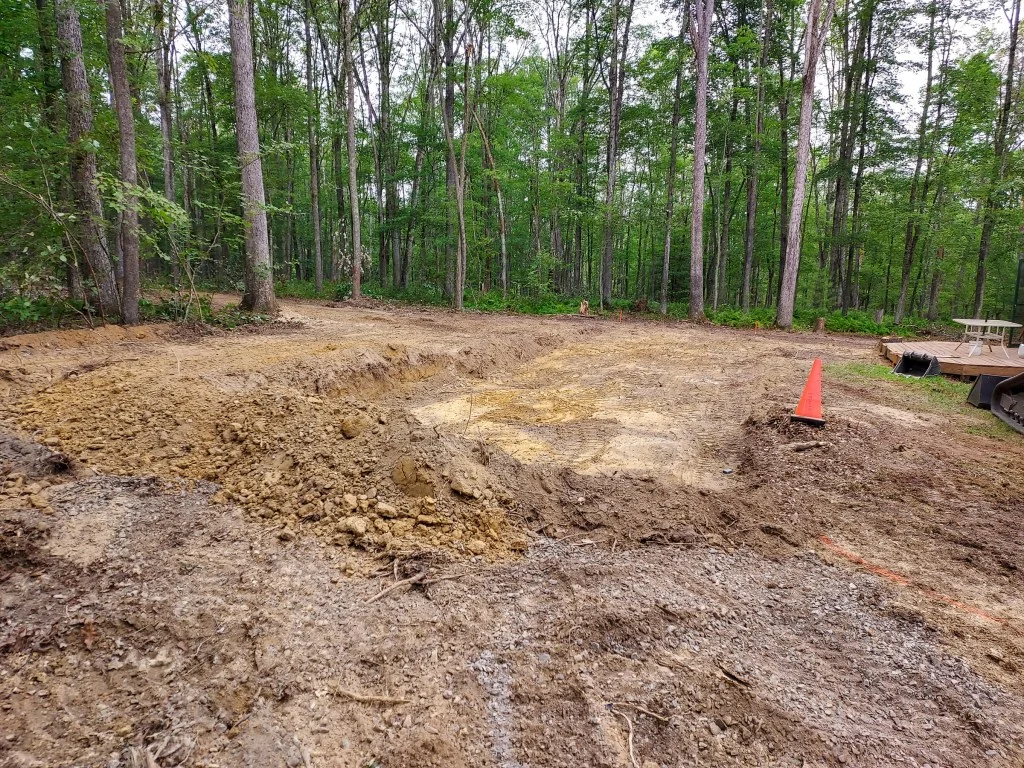
A 60-foot run across a mostly level yard is a modest job. The same run on a yard with ten feet of fall toward Arden's creek bottoms needs drop structures, energy dissipation at the outlet, and a riprap apron so it doesn't scour a gully the first hard rain. Our local topography is doing most of the pricing long before a contractor unrolls a tape. That's why two Arden neighbors on the same street can get bids thousands apart.
What homeowners typically call about: a wet side yard that stays mushy days after rain, gutters that dump at the foundation line, a driveway that sheds onto the lawn, standing water in the low corner behind the barn, and the shallow swale between houses where the previous owner buried the downspouts and created an underground spring.
Soil matters here too. The bottoms near the river hold heavy clay that percolates slowly, so a dry well that would work on a sandy ridge lot off Avery Creek can fill and back up. On the benches above, you hit rocky residual soils that make trenching slow and stone expensive. Both conditions change the equipment and the man-hours, and both show up on the bid as a line you either recognize or you don't.
Line items and what they cost in Buncombe
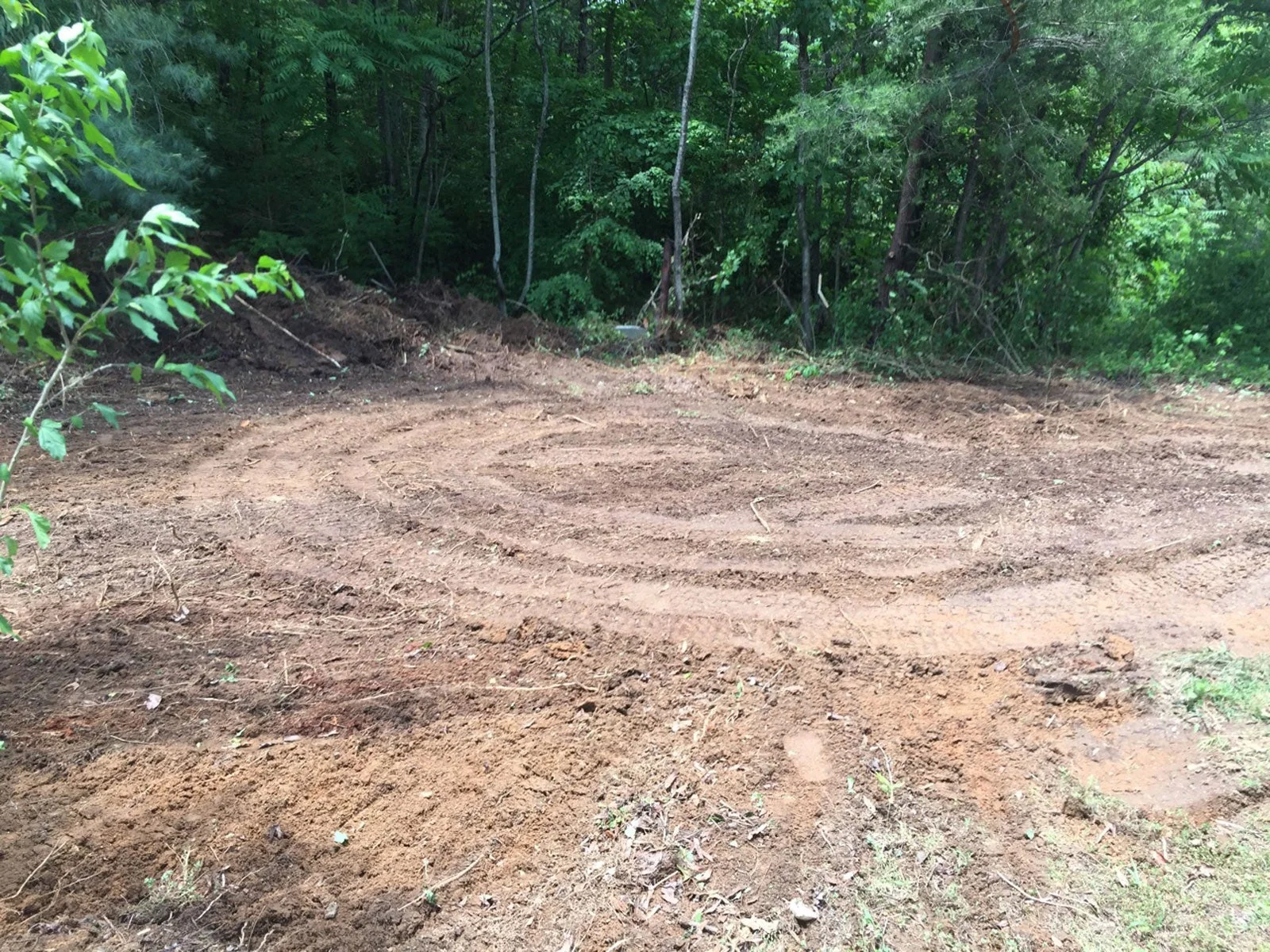
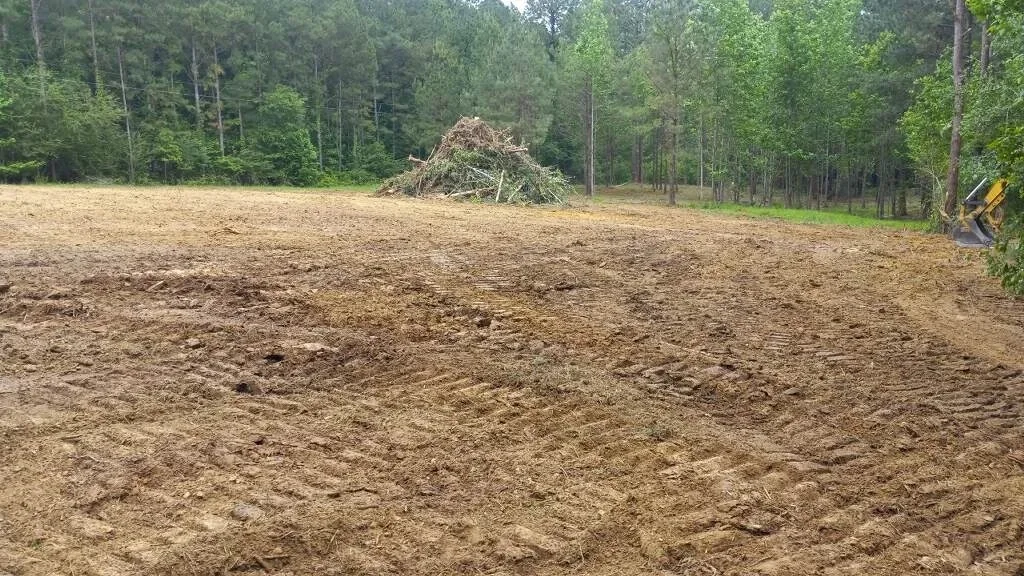
The honest way to read a bid here is line by line. Anything under $600 is likely a small correction — splash blocks, a downspout extension, a catch basin where one low spot collects. The moment a proposal includes trenching, pipe, stone, and a designated outlet, you're in the $3,000–$9,000 band for a single French drain run. Whole-yard regrading sits above $15,000 and is the item most often bundled with erosion control work. The Buncombe County grading cost breakdown covers the dirt-moving side of these jobs.
| Scope on a typical Arden lot | Typical range | What moves it |
|---|---|---|
| Downspout extensions, splash blocks, one catch basin | $950–$2,200 | Access, trenchless vs. hand work |
| Single French drain run, 60–120 ft, gravity outlet | $3,000–$9,000 | Fall, outlet distance, foundation proximity |
| Multiple runs tied to a common discharge | $6,500–$12,000 | Pipe diameter, junction boxes, grading |
| Yard-wide drainage plan with regrading | $15,000 and up | Terrain, drainage study, erosion control |
Two items regularly appear on Arden bids that surprise flatland homeowners: engineering or survey support when the lot pitch exceeds what a contractor can lay pipe to by eye, and sediment control required under state erosion rules once disturbed area crosses the permit threshold. The NC Department of Environmental Quality oversees the state's erosion control program, which layers onto local rules. The EPA maintains national stormwater guidance worth reading before any major regrade changes how water leaves your property.
Watch for the outlet line in particular. If a bid says 'daylight to grade' but doesn't say where, ask. On Arden lots the practical outlet is often a roadside ditch, a creek buffer, or a designated drainage easement between parcels — and discharging into a neighbor's yard, even unintentionally, is the kind of thing that turns a $6,000 job into a legal problem. A good contractor walks the property line and points at the spot before signing anything.
Why so much water moves through Arden specifically
This part of Buncombe County has some of the highest average rainfall east of the Rockies, and the federal record agrees: 19 declared events touch this county (1973-2026), overwhelmingly storm and flood family. Arden's position on the flats below steep watersheds means water arrives from above and drains slowly because the grade gives out. Yards that were dry twenty years ago now pond because upstream development changed where runoff goes.
That historical pattern is the reason a drainage fix here should start with the water's path and not with a product catalog. French drains, dry wells, channel drains, and regrading solve different problems. On a lot with heavy upslope flow, a French drain alone can be overwhelmed and become a buried pool. The drainage and erosion control guide walks through matching the fix to the water instead of the other way around. The National Weather Service at weather.gov is the source to watch when the forecast turns.
The freeze-thaw cycle adds its own twist. Arden gets enough hard freezes to crack poorly bedded pipe and heave shallow catch basins, and enough winter rain to keep the ground saturated when it does. That's part of why buried outlet lines need real fall and clean bedding — a half-inch of settled grade over a hundred-foot run is the difference between a drain that works in February and one that ices shut.
What separates a careful crew from a cheap one
Three checks worth making on any Arden drainage contractor. First, does the proposal name the outlet — the actual point where the water leaves your property and discharges without causing a nuisance downhill? Bids without one are estimates, not scopes. Second, does the plan address the source as well as the symptom — grading, gutters, and driveway runoff — or does it just offer a French drain and hope? Third, does the crew know the licensing line. In North Carolina, general contracting work over the threshold requires an NC General Contractors license, and work involving water or sewer piping beyond a certain scope can trigger the plumbing board. Asking who holds which license is fair.
Compare like for like. Read the Arden grading contractors page for how dirt and drainage get scoped together on local lots, and use the same line items on every bid you receive.
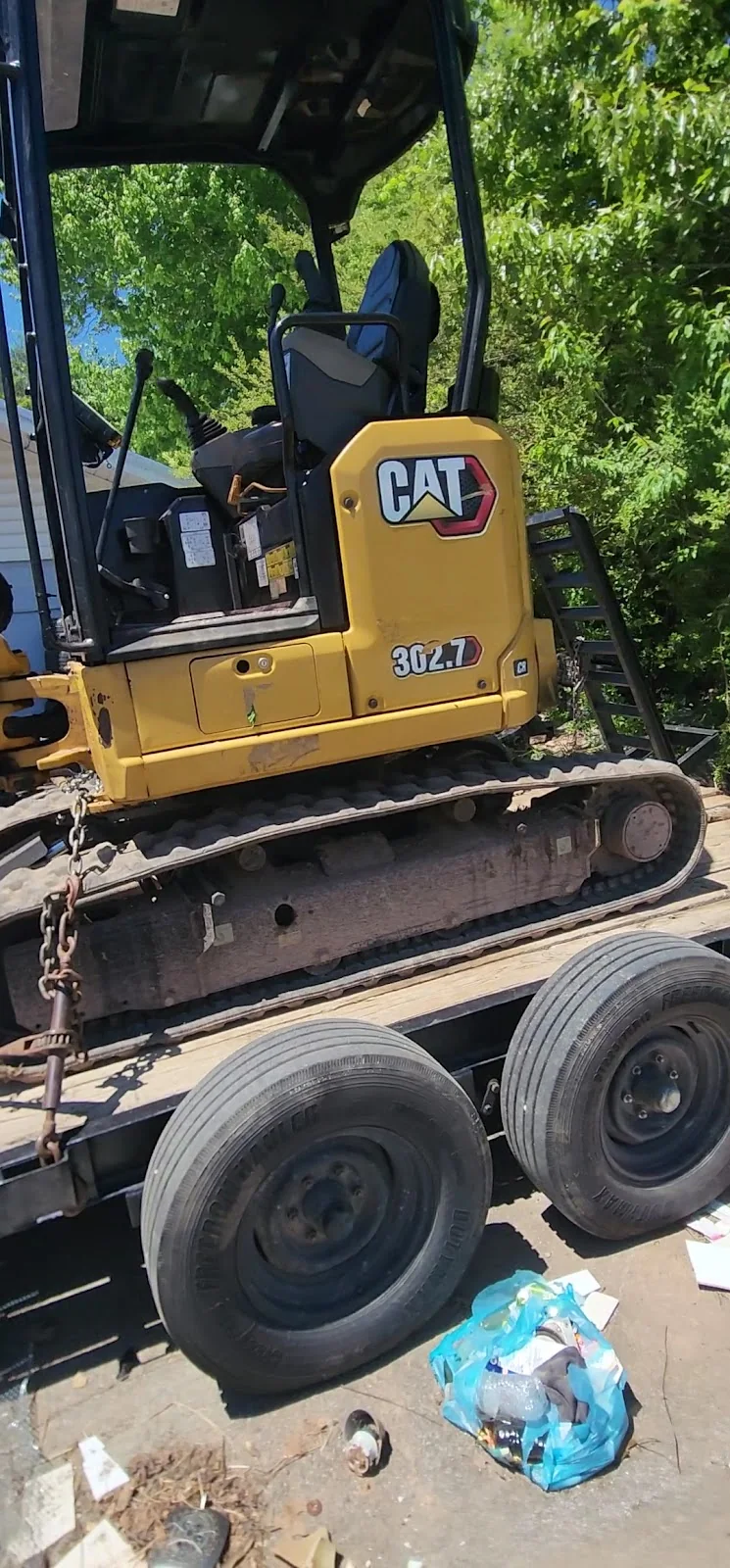
One more local reality: access. A lot with a narrow gravel drive off a two-lane road, a slope that won't take a mini-excavator, or a fenced pasture gate the equipment can't clear will get hand-dug pricing on some lines. That's not padding. It's a real cost, and a contractor who explains it up front is usually the one who finishes the job the way it was quoted.