What Laurel Park's lots do to a driveway
Laurel Park was laid out as a mountain resort town, and its roads still behave like it. Streets climb and bend around the ridge above Hendersonville, lots are narrow and deep, and most driveways run downhill from the road to a garage tucked into the slope. That downhill run is the whole story. Every rain event turns the driveway into a chute, and the water has to go somewhere—usually against the garage door or back under the slab.
Compare that to a flat suburban lot outside Asheville proper, where a driveway is just a parking pad with a slope problem only at the apron. Here, a driveway is a drainage structure first and a parking surface second. That changes what a repair looks like. A simple regrade often is not enough on these grades; the fix has to move water off the drive without sending it at the neighbor below.
There is also the asphalt question. A good number of Laurel Park drives were paved decades ago and have since cracked, heaved at tree roots, and settled at the culvert. Patches on a 15 percent grade fail fast because water gets under the patch, freezes, and lifts it. The terrain does not forgive shortcuts.
Reading the damage before anyone quotes it
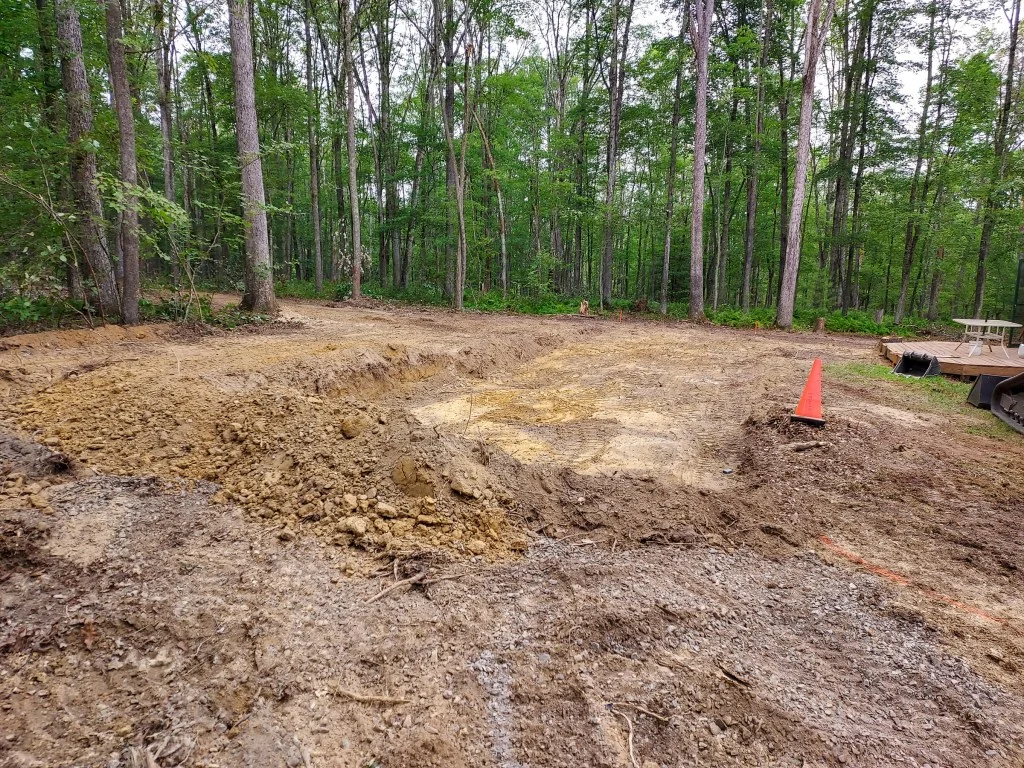
The call we get most: a driveway that was fine last fall and is a rutted mess this spring. Look at the clues before you call anyone, because they point to different scopes. Ruts along the center with gravel piled at the bottom mean water is running the full length—a grading and crowning job. A trench cut along one edge means the drive lost its shoulder—that is a ditch-and-culvert job. Gravel washed clear off the drive and onto the road means the culvert is undersized or buried, and no amount of new stone will fix it without addressing the inlet.
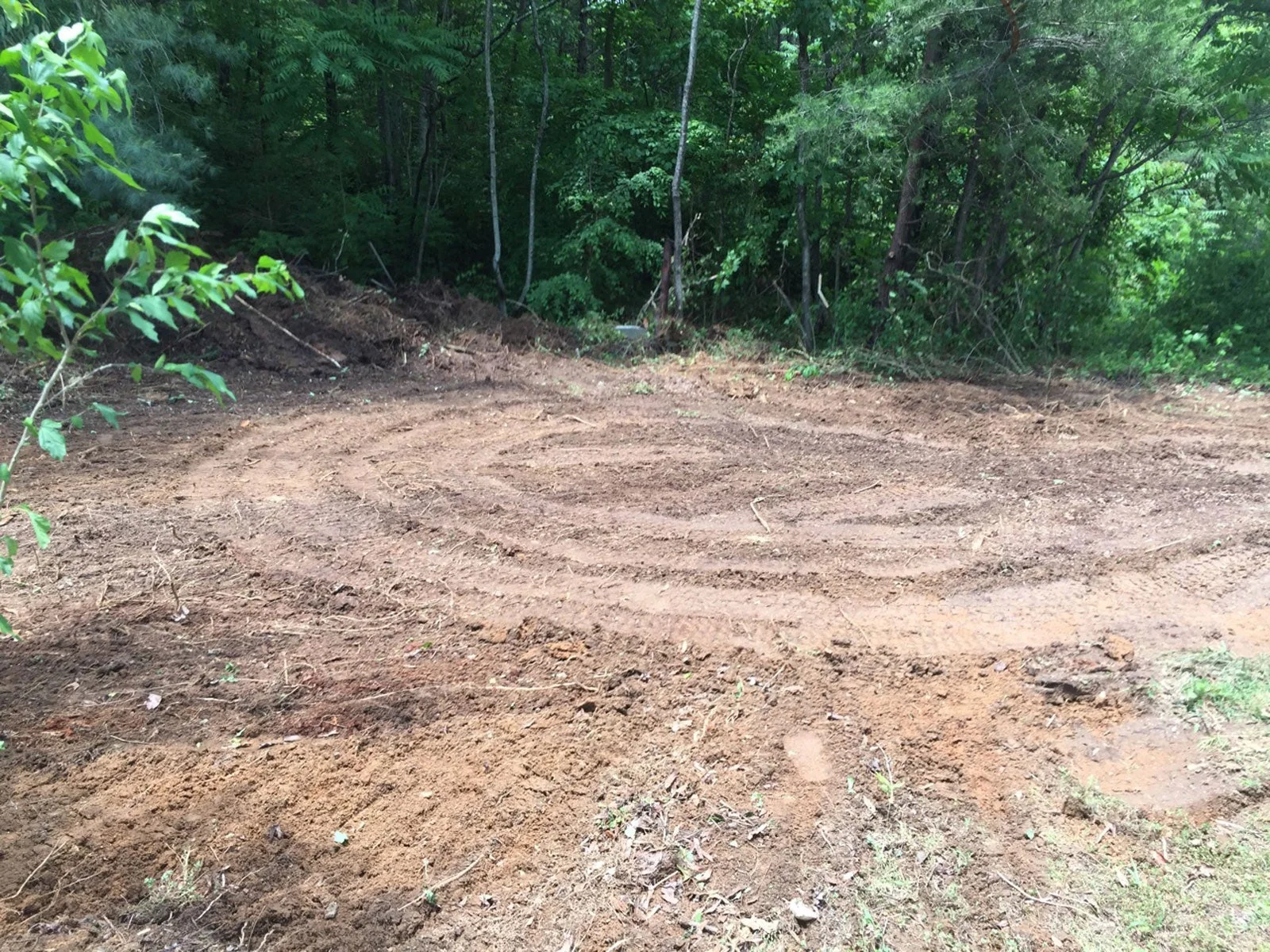
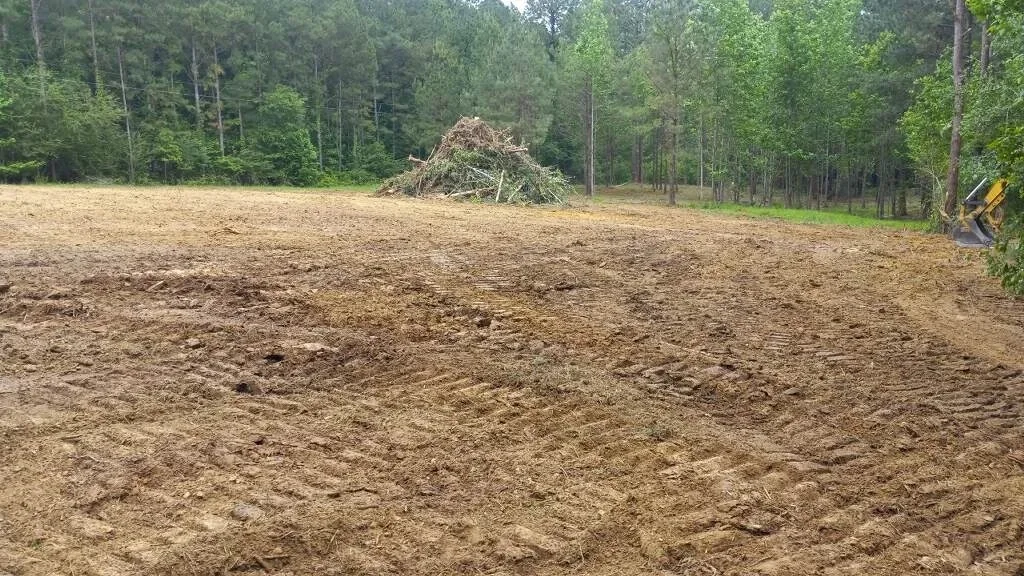
Rutted wheel paths on a gravel drive tell you the base has softened, not just the surface. Gravel alone spread over a soft base disappears within a season. The honest repair lifts the soft material, reshapes the subgrade, crowns the drive so water sheds to the shoulders, and only then lays stone. This is the same discipline the International Code Council applies to site grading in residential codes: get water away from the structure, then build the surface.
What a repair actually costs here
Local pricing tracks the county table. For line-item detail, the Henderson County grading cost breakdown is the reference. The short version, and what we see on Laurel Park jobs:
| Scope | Typical range |
|---|---|
| Regrade existing gravel driveway (reshape, crown, compact) | $350–$1,200 |
| Washout repair: regrade plus fresh stone | $400–$1,500 |
| Washout with new ditching and culvert | $800–$2,800 |
| Engineered drainage on a steep grade | $2,500–$6,500 |
Where a Laurel Park job lands inside those bands is mostly slope. A gentle drive on a lower street regrades near the bottom of the range. A steep ridge lot with a failing culvert and water arriving from uphill will sit at the top of the ditching or engineered-drainage row—not because the work is exotic, but because the water has more energy and the fix has to manage it.
If your drive is gravel and you are considering a rebuild rather than a repair, the driveway grading and gravel guide covers base depth, stone selection, and crowning for mountain grades. Getting that right the first time is usually the difference between a drive that lasts a decade and one that washes out again next spring.
Why storm history keeps this on the calendar
Henderson County sits in a storm belt that has produced 16 federally declared events over 1978-2026. Most of those are flood and storm family, and every one of them pushed water across private driveways built for a drier assumption. That is not a reason to panic; it is a reason to size the fix for the weather the drive will actually see.
The National Weather Service tracks the rainfall rates that trigger local washouts, and the pattern in the mountains is short, intense bursts that overwhelm undersized culverts. A culvert that handles a normal rain can fail in a cloudburst, and when it does, the road department often gets involved because the washout reaches the street. Fixing the inlet and ditch before that happens is cheaper than fixing the road afterward.
Choosing a crew for a slope job
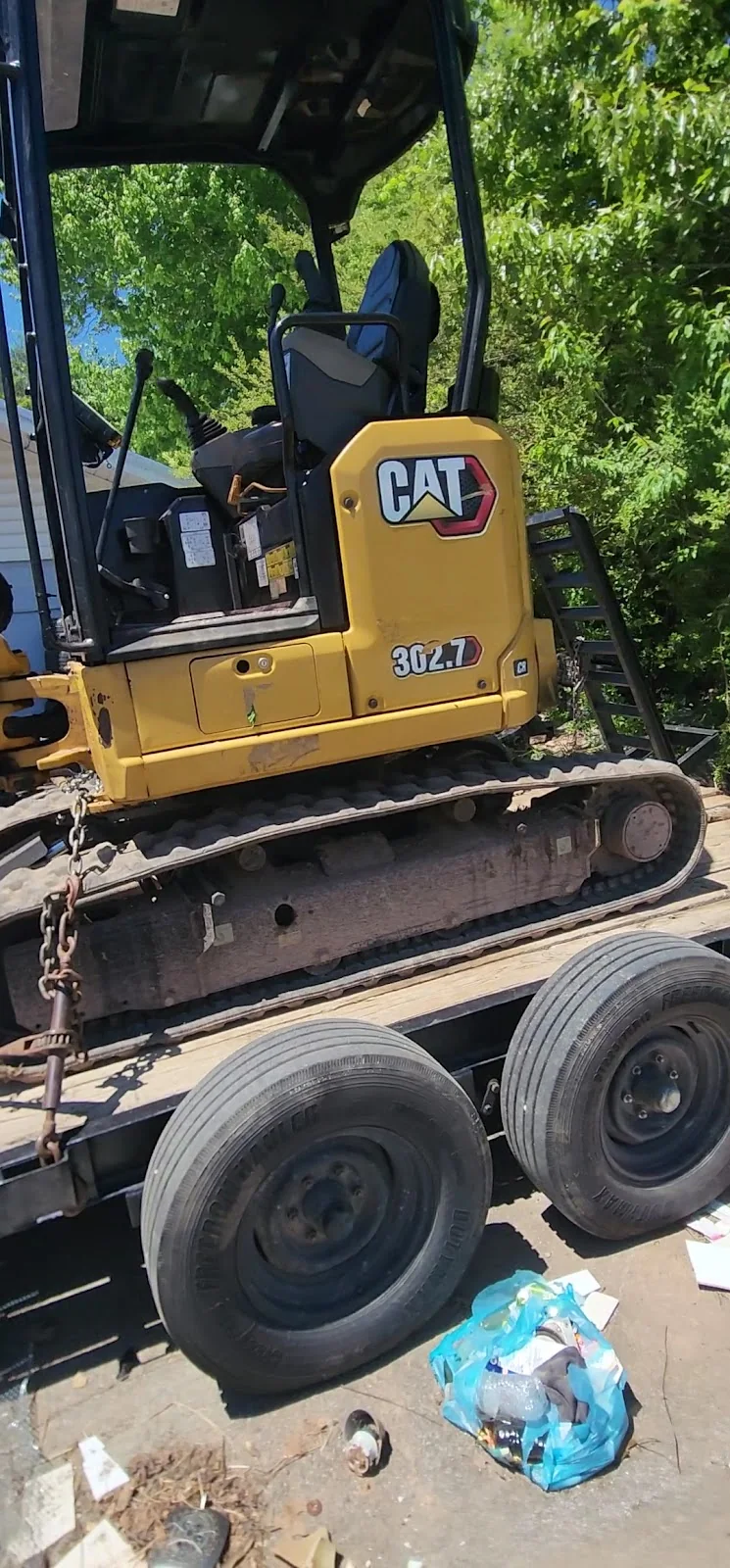
Three checks that matter specifically here. First, ask what they plan to do with the water, not just the gravel. A crew that talks only about stone is quoting half a repair. Second, ask about the culvert size and where the outlet discharges—dumping water onto a downhill neighbor's yard is a problem you inherit. Third, ask whether they handle the grading equipment needed for a tight, steep drive, because a full-size machine often cannot get into a Laurel Park lot without tearing up the approach.
State licensing thresholds apply to larger site work, and the NC Licensing Board for General Contractors publishes them; if your job crosses the threshold, ask for the license. For anything beyond a simple regrade, our Laurel Park grading contractor page explains how to compare scopes and what a proper written estimate should include.