Why Canton's lot lines and ditch grades decide the job
Drive through Canton proper and you'll notice the town hugs the Pigeon River bottom, while the residential streets climb hard away from it. In the older mill-era blocks between the river and the ridge, driveways are short, flat, and already have some pipe in place from decades ago. Head up toward Dutch Cove or the Bethel Road side and the same task becomes a different trade: a long driveway crossing a steep ditch that carries stormwater off the mountain all at once. Lots there were often carved off larger tracts, so a single drive can cross two separate ditch lines before it reaches the house pad.
The result is that two neighbors can call about the same service and get very different scopes. One is a 20-foot corrugated pipe under a level gravel apron. The other is a run that needs to match an existing county ditch elevation, hold a line on grade, and be armored where the outlet daylight hits a slope. That elevation match, not the pipe itself, is usually what pushes a quote up. It's also why an install that ignores the ditch upstream will wash out in the first heavy rain.
County-seat gravity matters too. Waynesville sits a short drive east, and the bulk of Haywood County's permitting, inspections, and contractor traffic runs through that corridor. A Canton job is often scheduled around crews already working the Waynesville side, which affects timing more than price. Narrow town streets near the mill village also limit where a machine can set up, so a short drive with no staging room can cost more in careful hand work than a longer run on open ground out toward Cruso.
Pipe sizing, material, and what actually costs money
Residential culverts here are almost always corrugated HDPE or the heavier double-wall HDPE, with concrete pipe reserved for deeper crossings and drives that take real weight. Diameter is set by the drainage area feeding the ditch, not by the driveway width. A short, flat drive on a small lot can be fine in a smaller pipe; a driveway taking runoff from a long uphill stretch off the ridge typically needs more capacity and a properly built headwall to keep water moving. On the steeper Bethel Road grades, the same pipe that handles a light rain can be overwhelmed in a summer downpour, so outlet velocity — not just diameter — gets designed for.
Where the money goes:
| Scope | Typical installed range |
|---|---|
| Standard residential driveway culvert, short run, HDPE | $1,500 – $2,800 |
| Longer drive with slope, headwalls, riprap outlet | $3,200 – $4,500 |
| Long run or concrete pipe, deep crossing | $6,000 – $9,500 |
Those bands assume the pipe, bedding, backfill, and outlet armoring are all in the number. A quote that names only the pipe is not the whole job. Bedding is easy to skip on paper and impossible to skip in the ground — pipe laid directly on rock or hard clay cracks and separates within a season or two, and the repair means digging the same trench twice. In Canton's clay-heavy soils, a properly bedded pipe also resists the frost movement that shifts shallow driveway crossings over winter.
Material choice is mostly about cover depth and traffic. A driveway that only sees passenger cars can live with corrugated HDPE; a crossing that takes a loaded trailer, a farm truck, or repeated gravel deliveries wants double-wall or concrete. On the tighter lots near the river bottom, the pipe may sit shallow because the driveway can't be raised without backing water toward the house, and shallow cover is exactly where wall strength and bedding quality earn their cost.
Roads, ditches, and who you have to satisfy
Canton's terrain means stormwater concentrates fast off the mountains and dumps into roadside ditches that were sized before anyone thought about it. Any culvert tied into a state-maintained right-of-way has to meet the state's roadway drainage rules, and that includes pipe capacity, cover, and end treatments. Work crossing that line can trigger the state general contractor licensing threshold, which is a good reason to confirm a contractor's standing through the NC Licensing Board before signing anything. The threshold exists because right-of-way drainage work affects public roads, not just your driveway, and the state takes that seriously.
Downstream matters just as much. A pipe that discharges onto a neighbor's slope, or into a small stream, runs into federal and state water rules — the EPA is the honest starting point for understanding why an outlet can't just be aimed anywhere. If your driveway ditch eventually reaches a creek in the Pigeon watershed, that chain has to be part of the conversation. Canton drains toward the Pigeon River and its tributaries, so a driveway outlet high on a slope can be connected, in a legal sense, to water well below the property line.
Practical rule of thumb: if the ditch leaving your property carries water year-round, treat the outlet as a waterway, not a ditch. That changes what armoring is acceptable and whether any permit or review applies.
The storm record, and why it prices local work
Haywood County has seen 19 federal disaster declarations across 1973-2026, mostly flood and storm events, and Canton sits at the confluence of exactly the kind of steep, fast-draining terrain that produces them. That history is why a local quote carries line items a flatland quote doesn't: larger pipe, riprap blankets at the outlet, and attention to where the driveway meets the ditch on both ends. It also explains why local contractors build in extra freeboard on the inlet — a little margin at the top of the pipe is cheap insurance compared to re-digging a washed-out crossing.
There's no shortcut around it. Every year the mountains put more water through a ditch than any table predicts on paper. The National Weather Service maintains the rainfall and flood context that informs local design, and a contractor who's worked these slopes will size to it without being asked. If a bidder has never set a pipe on a Dutch Cove grade, the number will look low and the outcome will look worse after the first hard rain.
Getting the driveway and the grading right together
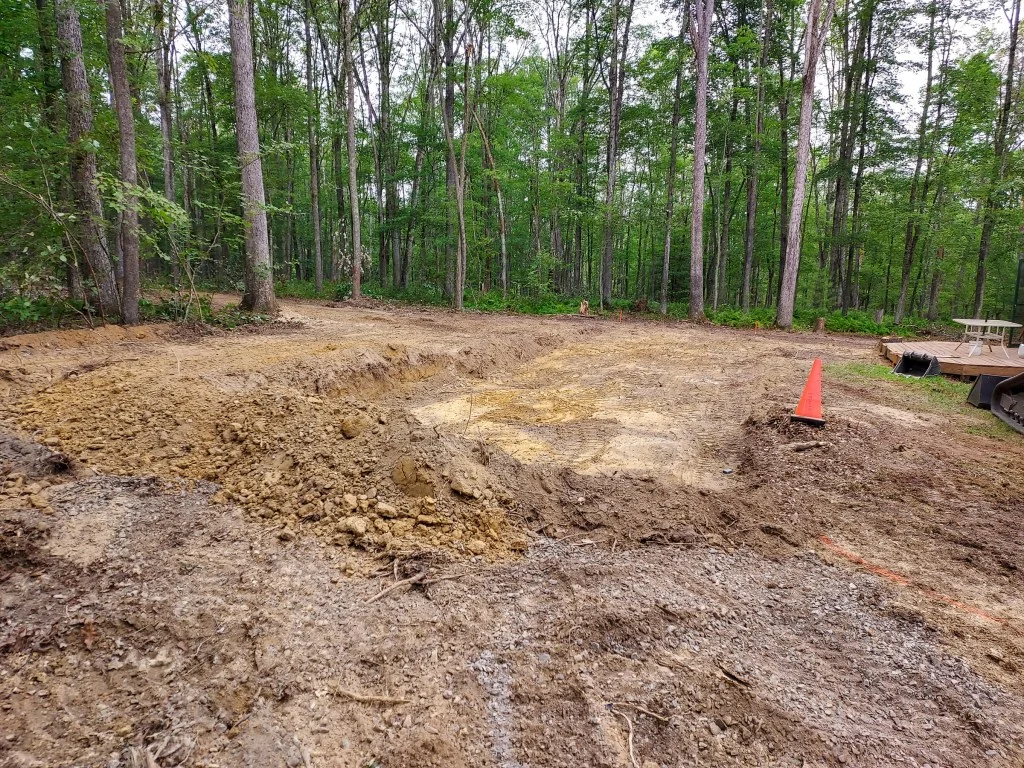
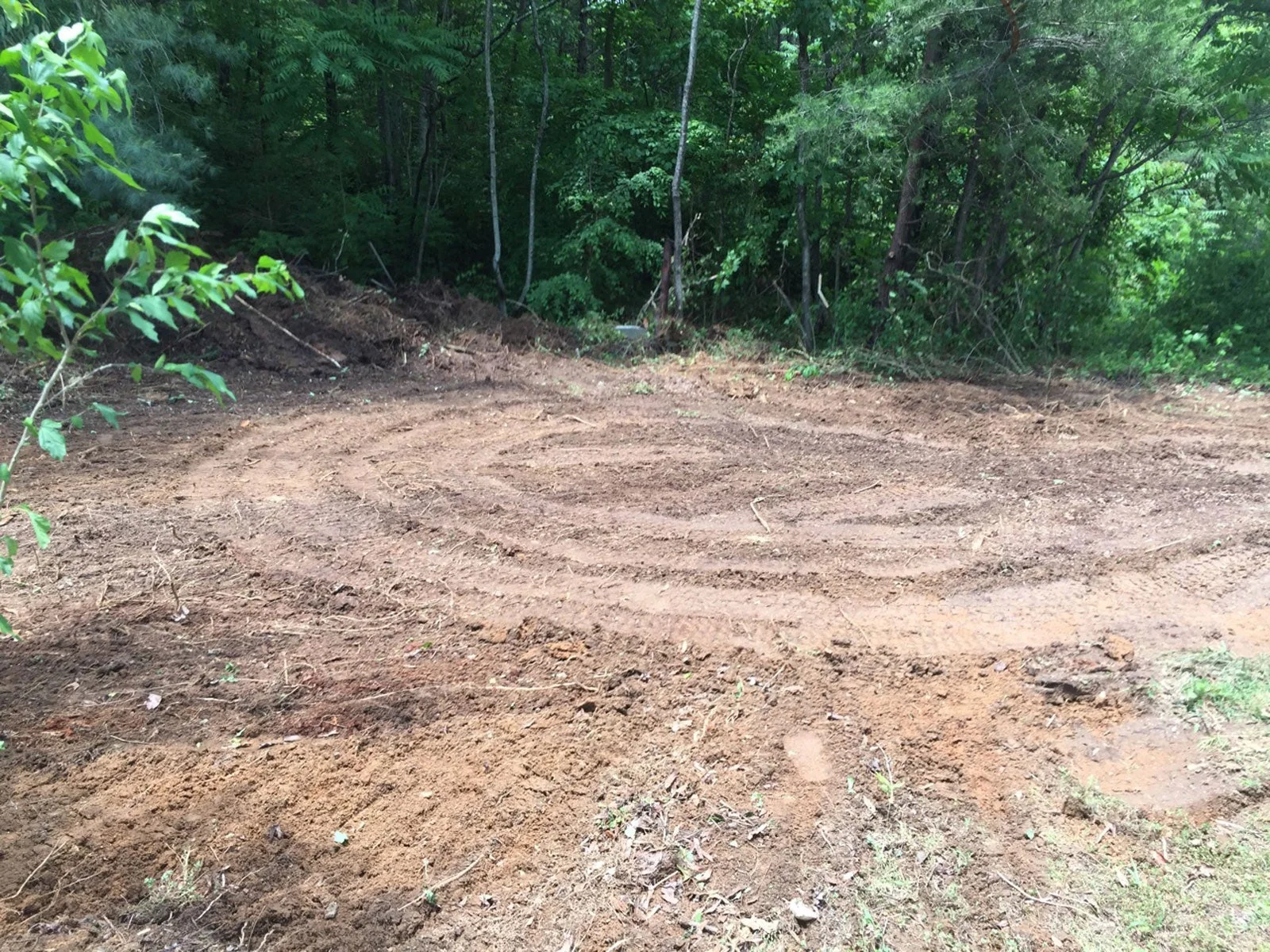
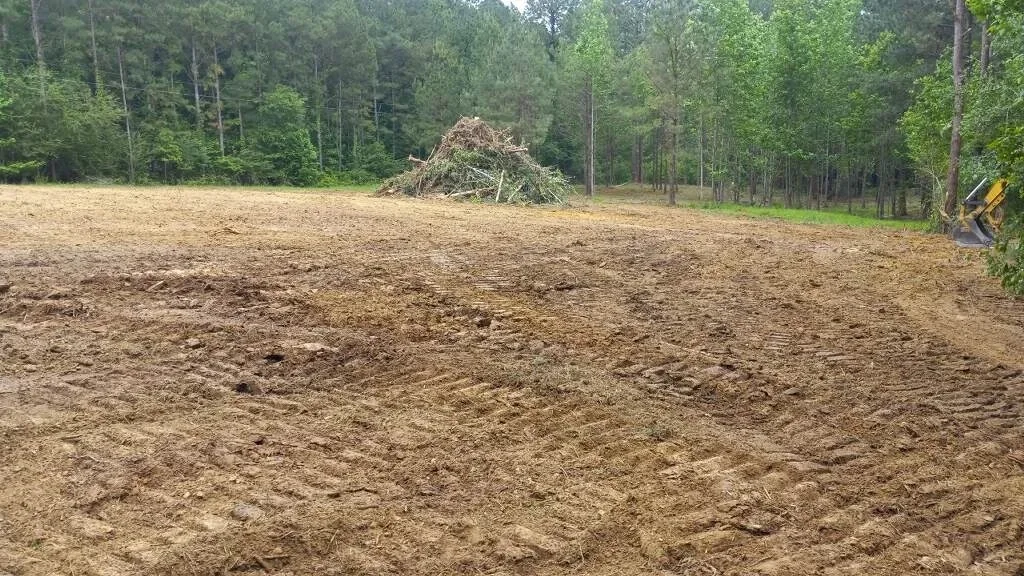
A culvert is never a standalone object. It sits in a driveway, and the driveway sits in a slope. If the apron is flat and water pools before the pipe, or the outlet dumps straight down a bank, the pipe is doing half a job. This is why we treat culvert work as part of the driveway and grading scope — the culvert and driveway pipe guide walks through how the pieces fit, and the Haywood County grading cost breakdown covers the dirt work around it. On Canton's steeper lots, the grading is often the majority of the job, and the pipe is the cheap part.
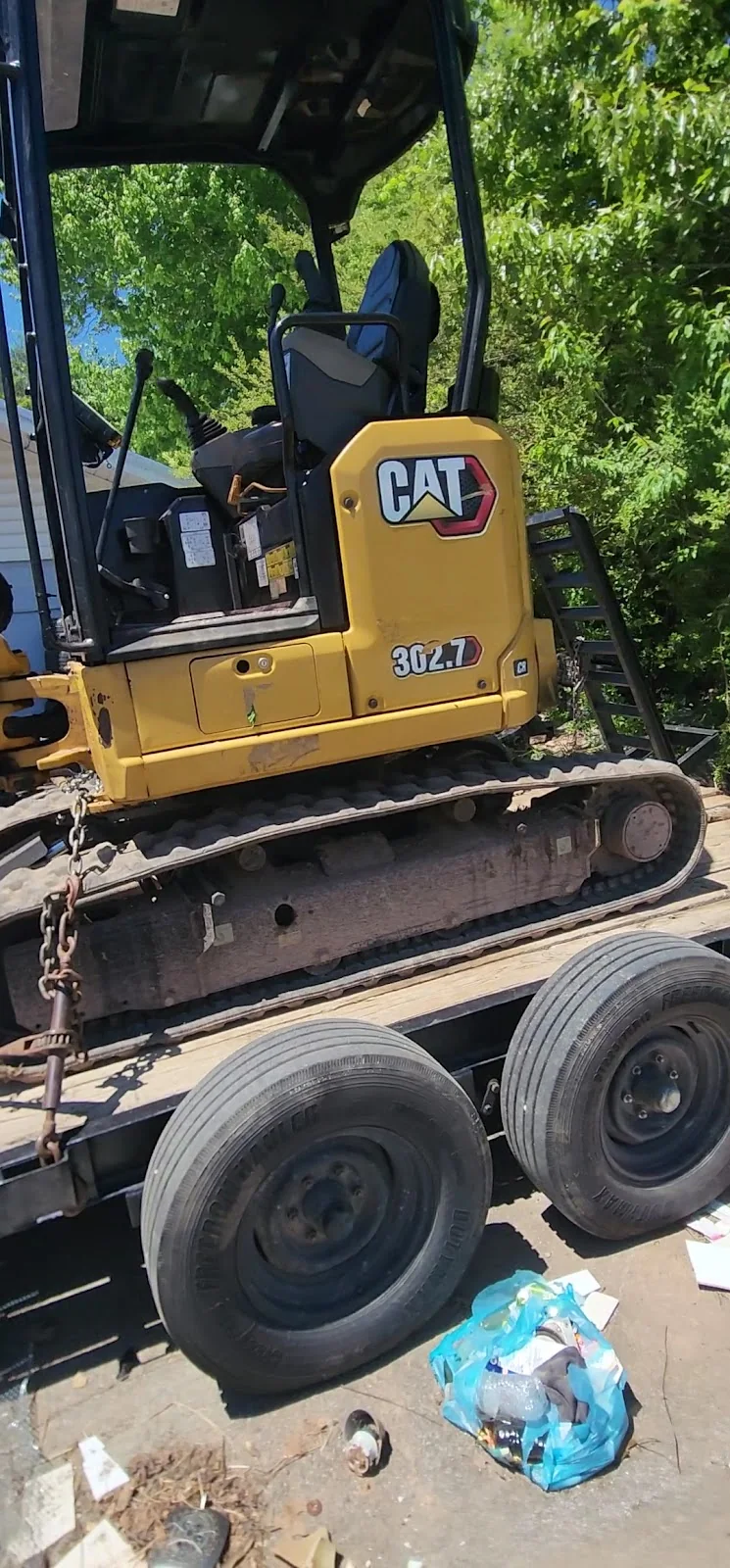
When the whole job is done right, the driveway drains, the ditch runs, and the slope at the outlet stays where it is. When it isn't, you'll be calling again after the next storm, and the second call is always more expensive than the first. Local crews who do both grading and culvert work can sequence it properly from the start — see the grading contractors serving Canton for how that gets organized. Sequencing matters because the excavator is already on site for the driveway cut, so adding the pipe trench in the same pass costs far less than a separate mobilization later.
One honest warning for anyone buying a place on the ridge: check the existing culvert before you close. A pipe that's undersized, crushed, or discharging onto a downhill neighbor is a known future expense, and it's cheaper to negotiate than to discover in a storm.