The order a Black Mountain dig actually happens in
Nothing about excavation in Black Mountain starts with a machine. It starts with the call-before-you-dig ticket, because this town sits over a mix of private wells, older septic lines, and utility runs that were put in before anyone mapped them. That locate window is the first real clock on the job, and it is the step homeowners most often forget when they are counting days.
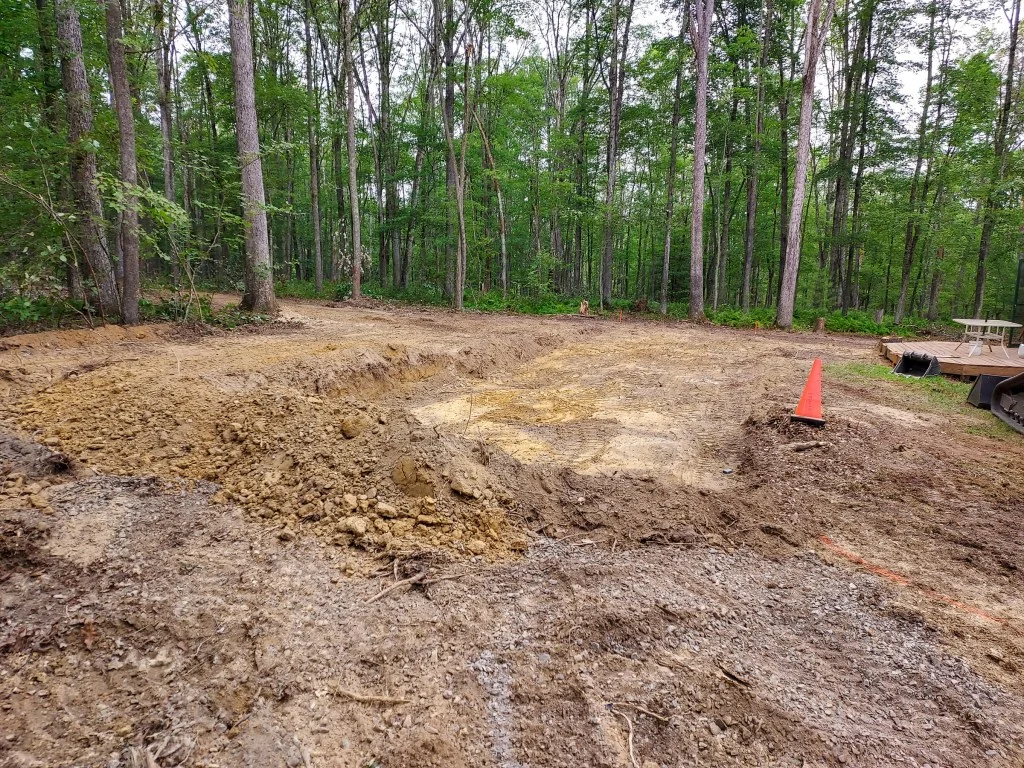
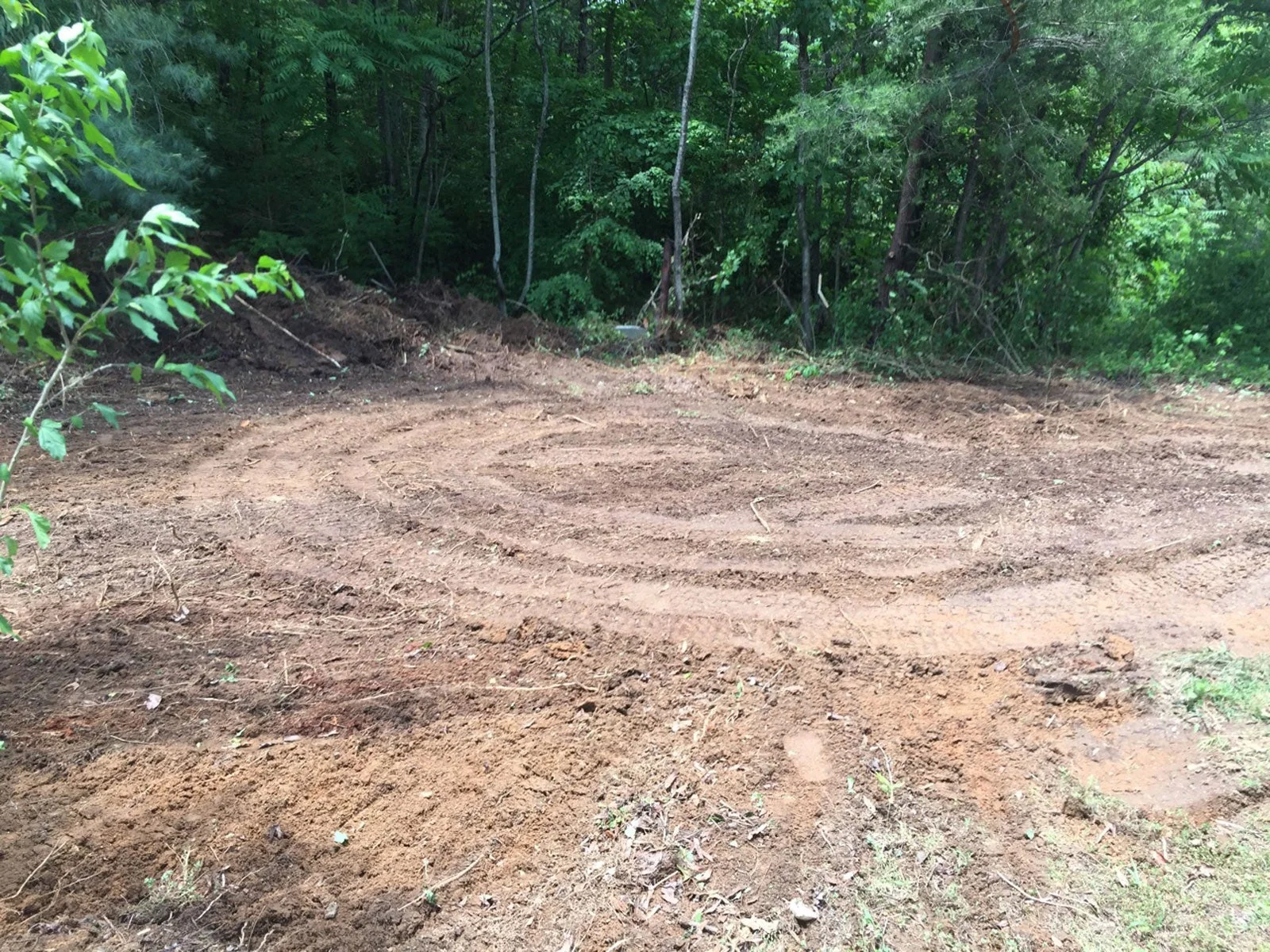
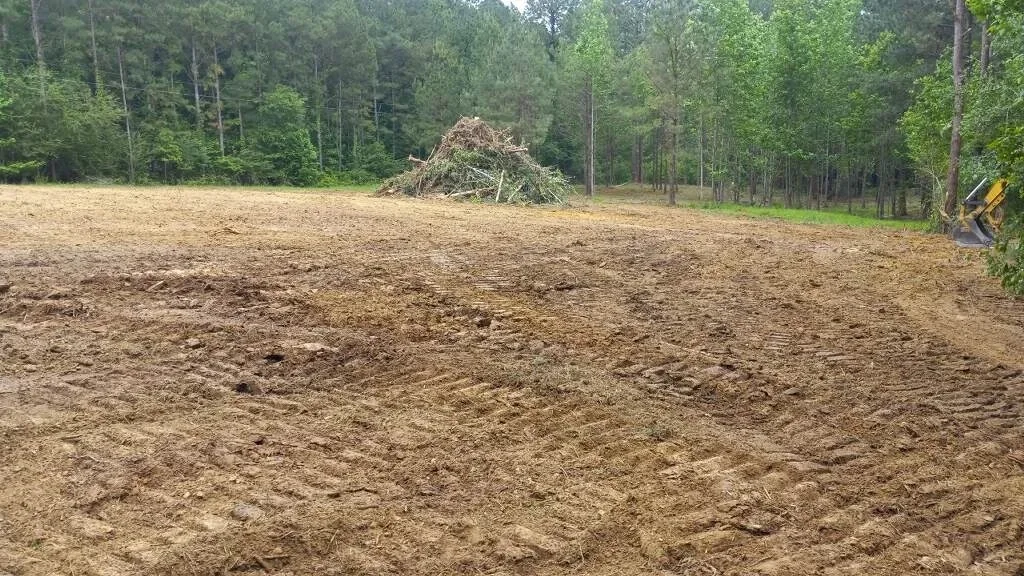
From there the sequence is consistent: clear and grub, establish the benchmark and grade stakes, strip and stockpile topsoil separately from subsoil, cut to subgrade, then dig the actual footings or trench. On a sloped lot off a ridge road, we add a sediment control line and a temporary drainage path before the first bucket drops. The spoils pile is not trash — topsoil gets stockpiled for the finish grade, and where it goes determines how many truckloads you pay for. A straightforward footing or utility trench is often a one-to-two day job; a full cut-and-fill homesite runs one to three weeks depending on rock and weather.
Timing in the Swannanoa Valley also bends around the ground itself. Valley-floor lots near the river corridor often hold moisture longer, so a dig scheduled after a wet stretch can turn into a mud-and-shoring job rather than a clean cut. Ridge lots drain fast but expose you to wind and a shorter working window when the grade is too slick to track a machine safely. The crews who work here year-round learn to read those windows, not fight them.
What the ground here does to the schedule
Black Mountain ground is not flat and it is not uniform. The town sits in the Swannanoa Valley against the Blue Ridge, and residential lots range from valley-floor parcels where the water table is close to the surface, to ridge-cut lots with a road on one side and a drop on the other. Valley-floor work means dewatering and shoring; ridge work means erosion control and hauling spoils down a driveway that was not built for a loaded tandem axle.
Rock is the other variable nobody can quote from an office. Weathered rock you can rip with a tooth bucket and sound rock that needs a breaker are wildly different line items, and the only honest way to price it is to see it. That is why any bid that lands in your inbox before someone has walked the lot should be treated as a placeholder, not a price.
Water history matters too. This county has seen repeated federal disaster declarations over the decades — 19 across a record spanning 1973-2026 — and most of those events involved flooding and slope movement, not just wind. That history is why stormwater and erosion planning get real attention on Black Mountain jobs rather than a token silt fence. The National Weather Service outlook is worth a glance before scheduling a cut, because a two-inch rain event on a freshly stripped slope sends sediment straight into a neighbor's culvert.
Scope-to-price, without the mystery
The table below is the shape of the work, not a quote. Every row moves with access, rock, haul distance, and how much of the material stays on site. For the county-wide working numbers, the Buncombe County grading cost breakdown lays out the same structure town by town.
| Scope of work | Typical range | What moves it |
|---|---|---|
| Single footing, utility trench, or small pad | $1,800–$4,500 | Depth, rock, access width, spoil haul-off |
| Driveway cut, culvert, and ditch line | $2,500–$6,500 | Grade change, culvert size, ditch length |
| Full homesite excavation (cut, fill, grade, utilities) | $6,000–$15,000 | Cut-and-fill volume, rock, retaining need, erosion plan |
| Engineered fill or structural pad build-up | Toward the top of the full-site band | Compaction testing, import material, drainage detail |
Two things sit outside any table. First, hauling: spoils that cannot stay on site turn into truckloads, and truckloads turn into money fast. Second, engineering: a steep lot that needs a stamped retaining or fill plan carries a design line item that flatland quotes simply do not have. A bid missing that line is not cheaper — it is incomplete.
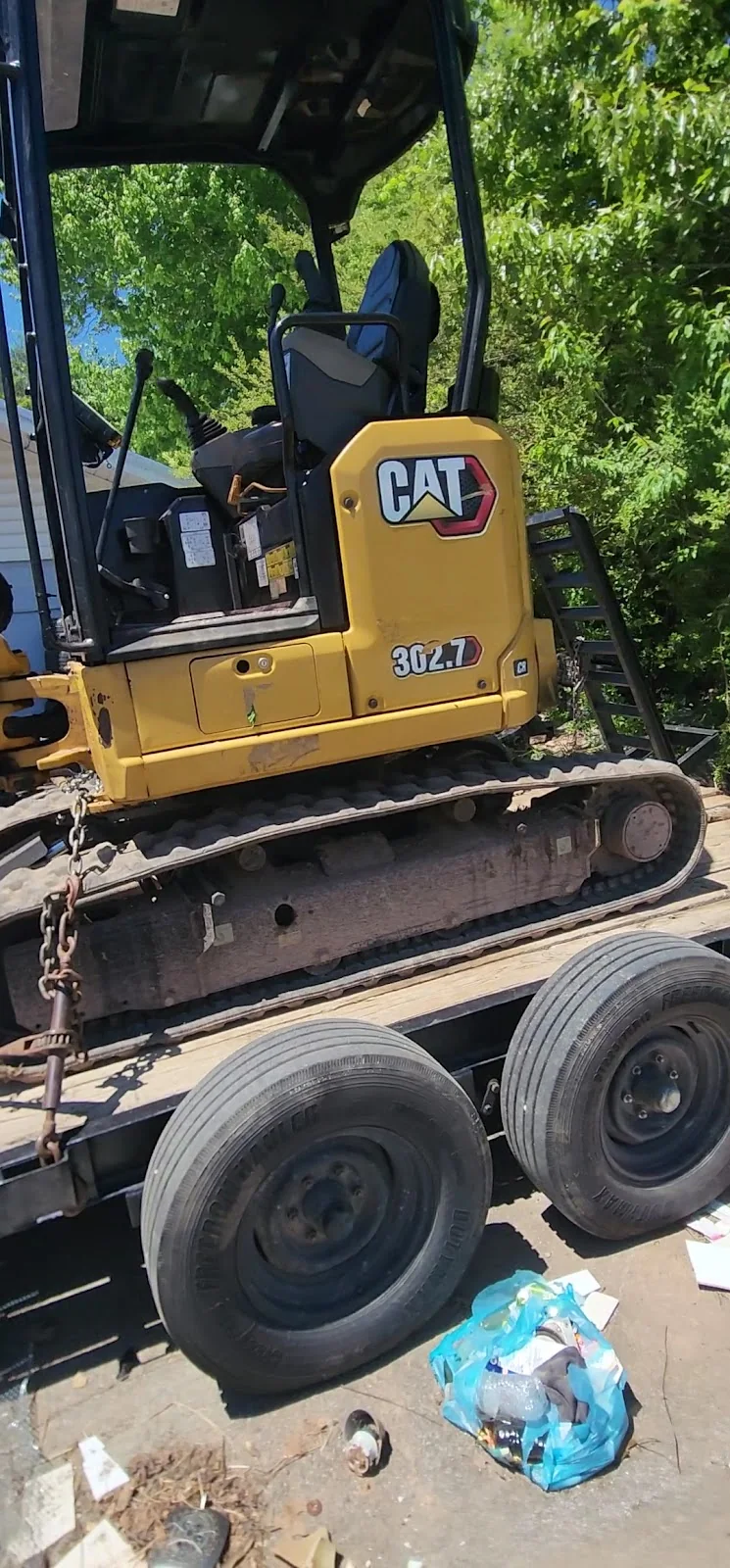
Access is the quiet cost driver people underestimate. A lot on a narrow ridge drive off a road like Montreat Road or a switchback above town may need a smaller machine, hand work at the cut, or a mat run to protect pavement. A wide, level approach in a flatter part of the valley lets a full-size excavator and dump truck work efficiently, which pulls the same scope toward the bottom of its range.
Permits, licensing, and the paper trail
Excavation sits upstream of almost everything else, which is exactly why the paperwork matters. Grading, fill placement, and the erosion control plan are reviewed as part of the local permitting process, and the NC Licensing Board for General Contractors sets the threshold at which a project needs a licensed general contractor rather than a handshake. If your job crosses that line, the license should be on the bid, not promised verbally.
Two more rules are worth knowing before anyone digs. Disturbing ground triggers sediment and stormwater obligations, and the EPA publishes the construction stormwater requirements that apply once a site crosses the disturbed-acreage threshold. If your Black Mountain lot touches a stream buffer or a steep slope overlay, get the answer before the machine arrives, because moving earth in the wrong place is the expensive kind of mistake.
Because the town borders Pisgah National Forest and the Asheville watershed, some parcels here carry watershed or buffer considerations that a lot five miles east would not. That is a plan-review question, not a field decision, and it belongs on the schedule before the first stake goes in.
What a good site walk looks like
A real first visit takes under an hour and answers four questions: where the water goes, where the spoils go, how the trucks get in, and what is buried. Bring whatever you have — a survey, a septic layout, a well log, a previous contractor's notes. The walk should produce a written scope with quantities, not a lump sum and a smile.
If the lot is a build, the sequence matters more than the price. Excavation, then grade, then utilities, then the finish cut that matches the plan. Skipping to the last step is how a driveway ends up draining into a foundation. When you are ready to compare crews, the Black Mountain grading contractors page covers the finish-grade side of the same work, and the excavation contractor overview walks through what a proper scope includes from the first visit to final grade.
On a Black Mountain job, the walk should also confirm where the driveway meets the county road and whether a culvert, apron, or sight-distance issue exists. Mountain driveways are often long, and a poorly sized culvert near the road is the small detail that causes a washout the first time the valley gets a real storm.