The access problem in Laurel Park is the whole job
Most Laurel Park properties do not have a driveway problem so much as an approach problem. The town sits on the wooded slopes between Hendersonville and the old Ecusta plant corridor, and the lots were cut decades ago with switchbacks and pitch that a loaded dump truck does not enjoy. Before anyone quotes you per ton of gravel, the honest questions are: can a tri-axle reach the work zone, can the excavator track in without tearing out your neighbor's bank, and where does the spoil dirt go when we cut the new grade. Access and haul set the price here, not the stone.
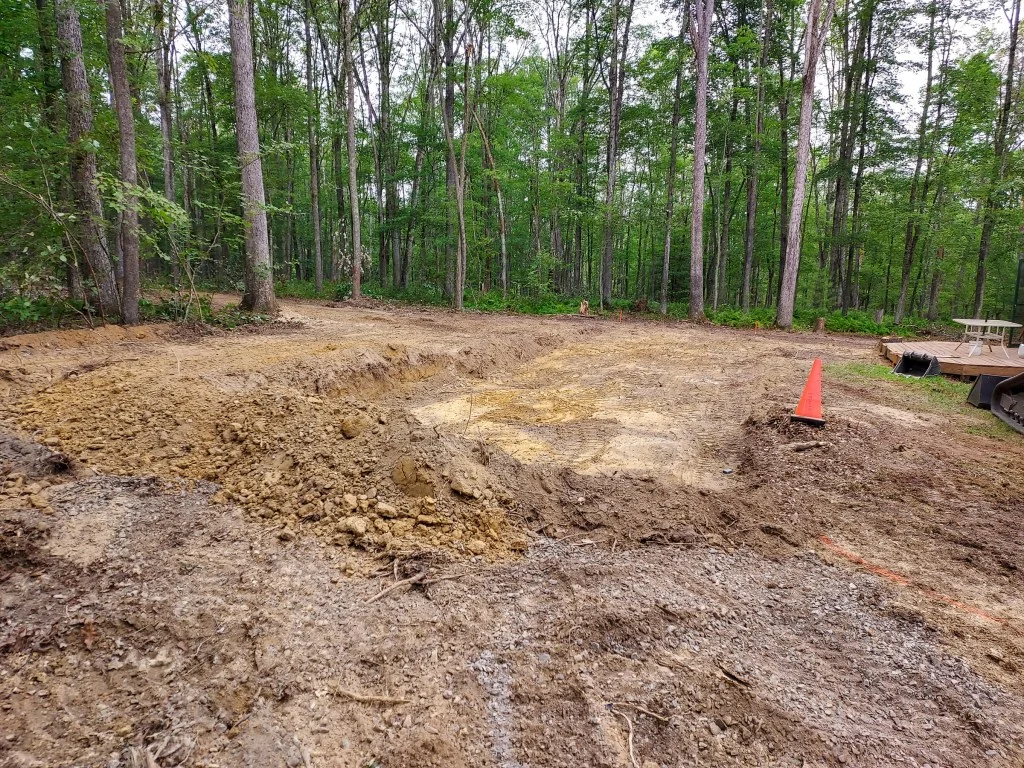
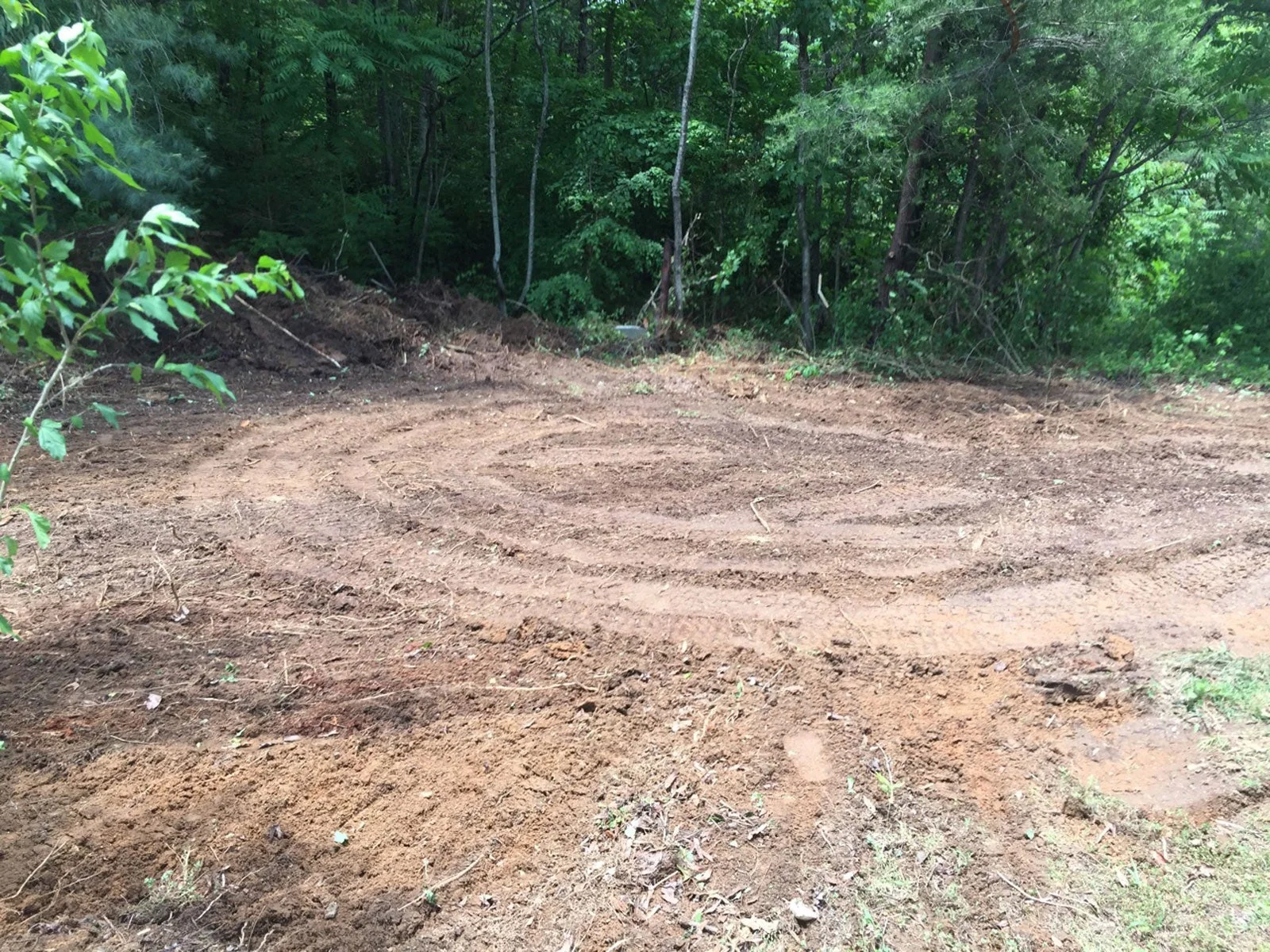
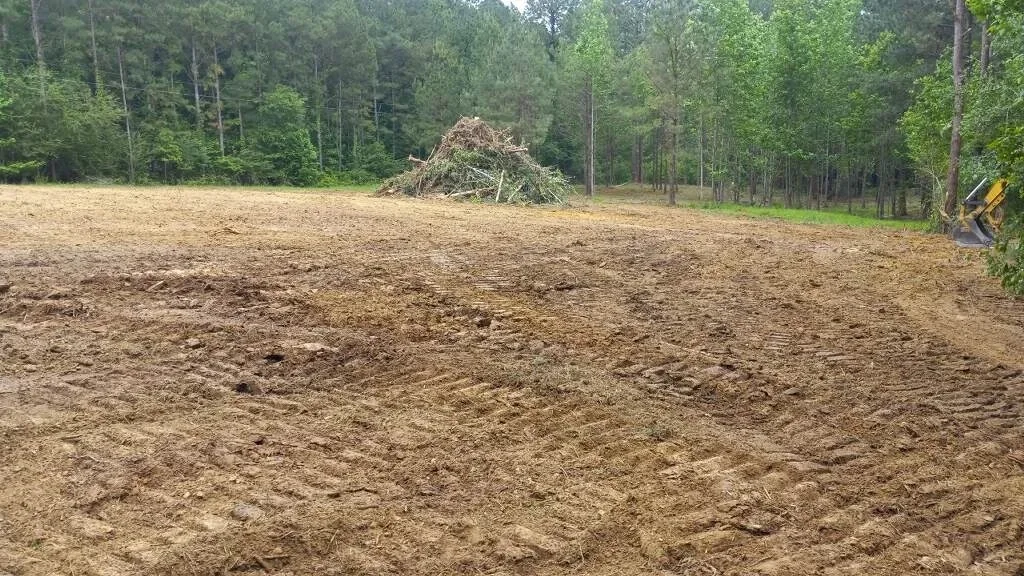
On flatter Henderson County ground the same driveway might be a straightforward spread-and-compact job. On a steep Laurel Park cut-in, it often becomes a grading project first: benching the slope, building a crowned travel surface, and armoring the ditch that carries the hillside's runoff away from the drive instead of down it.
Drive the Davis Mountain Road and Laurel Park Highway corridors and you will see what I mean. Homes perched above the road with a single gravel slot climbing between rhododendron banks, a retaining wall on one side and a drop-off on the other because the original builder had no other place to put the drive. That geometry is not negotiable. The machine has to fit, the truck has to back or turn somewhere, and the operator has to be able to work without undercutting the slope above the neighbor's foundation.
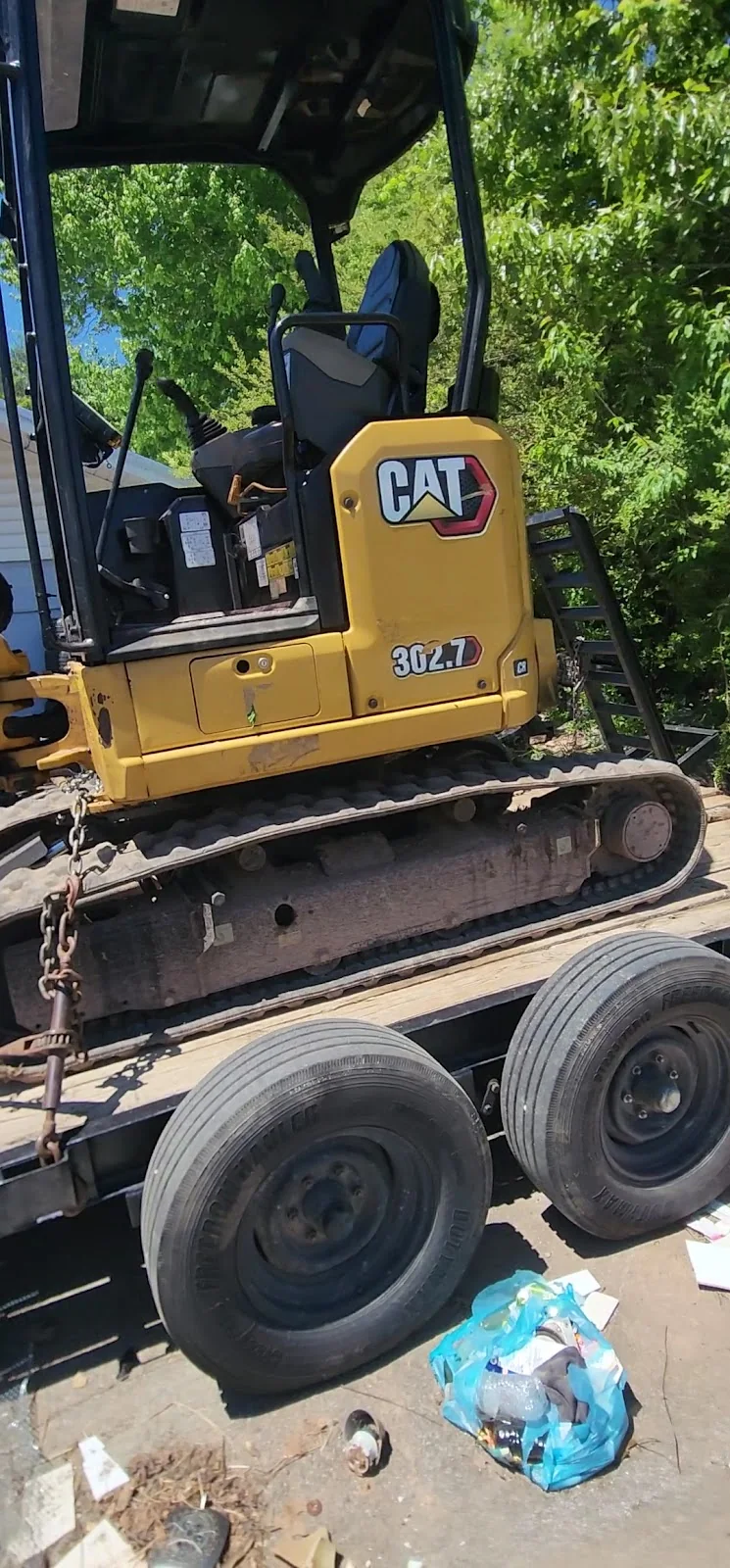
The practical consequence: on the tightest lots, a track hoe replaces a wheeled machine, partial loads replace full ones, and what looks like a simple 40-foot regrade turns into a full day of machine time before the first yard of stone is placed. Honest bids in Laurel Park reflect that, and so do the bids that come in low and then grow change orders once the equipment is on site.
Quarry distance and why the stone bill varies so much
Gravel is heavy, and heavy things cost more to move. Laurel Park sits a short haul from the quarry and aggregate yards that ring the Hendersonville area, but a tri-axle that can only carry a partial load up a tight switchback doubles the delivery trips. Expect that to show up in the quote. Crusher run (the graded base material most drives here build on) prices differently than clean #57 stone used for a top dressing, and a drive that needs both carries two line items.
Ask any contractor to break the bid into base stone, top stone, delivery, and machine time. A single lump number on a steep drive usually hides the delivery math.
There is also the question of where the truck can actually dump. A full tri-axle that cannot back up your access road has to dump at the bottom and let the machine shuttle the material up in bucket loads, which is safe and correct but doubles the handling. On a Laurel Park slope, two stone deliveries can easily cost three round trips of machine time to place.
Stone choice matters less than people expect. Crusher run, sometimes sold as ABC or crusher-run base, packs into a semi-solid surface that sheds water and holds grade. Washed #57 or #67 is a top dressing that looks better and drains faster but does not bind. Most residential drives here want 4 to 6 inches of compacted crusher run as the structural layer, with a thin #57 top if the owner wants the lighter gray finish. Somebody who quotes you a drive that is all #57 will be back next spring when it ruts.
For a fuller walkthrough of base depth and stone type selection, the driveway grading and gravel guide explains how to read those line items before you sign.
What a realistic Laurel Park gravel driveway costs
Regional bands for Henderson County work, phrased the way a real bid reads. Use these as a sanity check, not a quote.
| Scope | Typical range |
|---|---|
| Resurface an existing drive (regrade, add base, compact) | $1,800-$4,200 |
| New straight gravel drive on gentle grade, 150-300 ft | $3,200-$6,500 |
| New drive with benching, culvert, and ditch work on a steep cut | $6,500-$12,000 |
| Long or switchbacked drive with engineered drainage | $12,000-$20,000+ |
| Drainage add-on (culvert, French drain, headwall) | $900-$3,500 |
For local line items, see our Henderson County grading cost breakdown. The pattern holds: excavation and drainage decide the total, and the gravel is the cheap part.
A 200-foot straight drive with a 4 percent grade on flat ground is a half-day of machine work and two loads of stone. The same 200 feet climbing 20 feet of relief through two bends is a full day of benching, a ditch cut, a culvert set under the crossover, and three or four loads because the third axle cannot be filled. Same driveway length, roughly double the cost, and no honest contractor can compress those two situations into one number.
Rebuilding an existing drive that has failed is usually the cheapest way to fix a Laurel Park access problem, because the cut is already there and the spoil is already in the ground. That is often the conversation to have before someone quotes you a brand-new alignment.
Water, code, and the mistakes that cost the most
North Carolina's residential code treats drainage and site grading as first-class requirements, not afterthoughts, for good reason: a gravel drive on a mountain slope without a proper crown and ditch acts like a funnel for every storm. The NC Building Code Council and NCDOI Engineering Division publish the standards your contractor should be building to, and any culvert crossing a stream or drainage way carries its own rules.
Storm history matters here. Federal records show 16 disaster declarations touching Henderson County across 1978-2026, most of them flood and storm events. If your drive has washed out more than once, treat drainage as the actual product and gravel as the finish. The National Weather Service maintains the local rainfall and flood-watch record if you want to see what your slope has been asked to handle.
The number-one failure mode on a mountain drive is water running on the road surface instead of off the side. Once a gravel surface is carrying ditch flow, it does not matter how deep the base is. The crown, the uphill ditch, and the cross-drain spacing are the design. A drive with those three things will still be there after a wet winter. One without them will have a trench down the middle by March.
Federal and state environmental rules apply when a driveway crosses a stream or wetland. The EPA maintains the regulatory framework for those crossings, and the state sediment and erosion control program has its own review for any grading near a mapped waterway. Most Laurel Park drives do not trigger that review, but the ones that do need to know before machines arrive, not after.
Working with a grading contractor on a steep lot
North Carolina licenses general contractors past certain project thresholds through the NC Licensing Board for General Contractors, and any contractor running machines on a residential slope should carry liability coverage that names the work. The checks worth making: references on Laurel Park driveways specifically (flat-ground experience does not transfer), a written scope that names the ditch and crown, and a plan for where spoil dirt goes.
Ask what the contractor will do if the slope is unstable under the bench. That is not a rhetorical question on these hillsides, where old fill and root rot can hide under a crust of leaves. A contractor who has done work on this side of Hendersonville will have a stock answer about over-excavation and geotextile. A contractor who has only spread stone on flat lots will look at you.
Ask, too, about dust and road maintenance at the driveway's connection to the town street. Gravel tracks onto a paved road, and the town has expectations about keeping the apron clean. That is a small line item but a real one.
If you're still comparing approaches, our driveway grading and gravel guide walks through base depth, stone types, and how to read a bid. When you're ready to have someone look at your slope in person, the Laurel Park grading contractors page covers what a first site visit should include.