Red clay, ridge rock, and buried fill: the three ground types that set a Mills River price
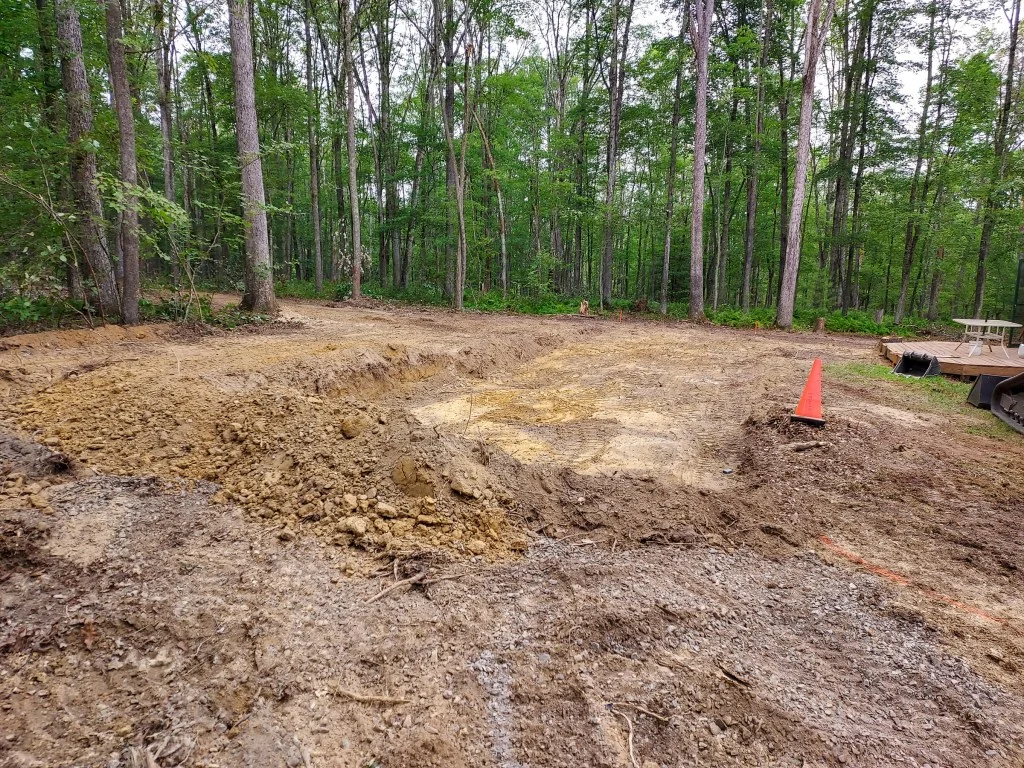
Mills River sits in Henderson County where the French Broad bottoms flatten out and the ridges above the river rise fast. That split shows up in every dig. Low parcels near the river and its tributaries tend to be deep red clay that holds water and swells after a wet spring, so a footing trench cut in March may need to be re-cut or dewatered before concrete. Excavators working these lots learn to cut a little wider than the plans call for, because a clay wall that looked clean at 8 a.m. can slump by noon after a night of rain. Higher ground toward the Blue Ridge escarpment is shallower dirt over saprolite and rock, which means a machine that can break and a bid that counts bucket time rather than just dirt moved. On those ridge tracts, the first few feet come out easy and then the bucket starts ringing — that sound is the difference between a two-day job and a week. Older farm parcels in between frequently carry undocumented fill from a previous homesite, a barn pad, or a graded driveway, and that fill is the one nobody can price until the first scoop comes up. Fill from a demolished structure often includes brick, glass, and rotted lumber that has to be separated and hauled, not just pushed around.
That is why the same size footer costs two different numbers a mile apart here. A contractor who walks the lot, probes the soil, and asks what used to sit there will give you a closer number than one who prices per linear foot over the phone. On a Mills River lot, the walk-through matters more than the plans, because the plans don't show what a previous owner buried.
Scope to price, in plain rows
Below is the honest working picture for residential excavation in this area. Local conditions can narrow a row or push it toward the top, but they do not change the band.
| Scope | Typical price range | What pushes it up |
|---|---|---|
| Single footing dig (porch, addition, small structure) | $1,800–$3,200 | Rock refusal, hand-dig around utilities |
| Utility or drainage trench run | $1,800–$4,500 | Length, depth, clay walls that slump |
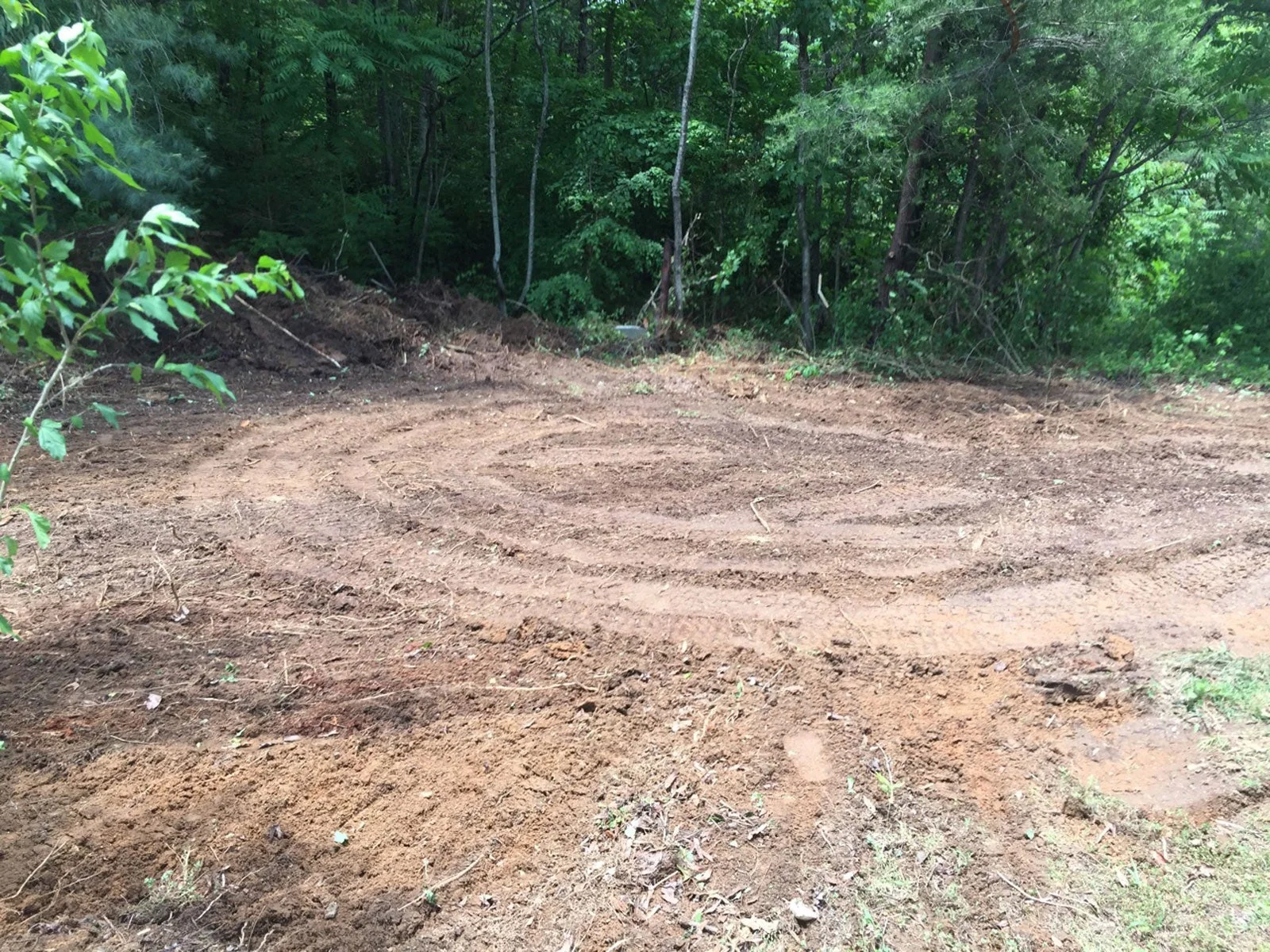
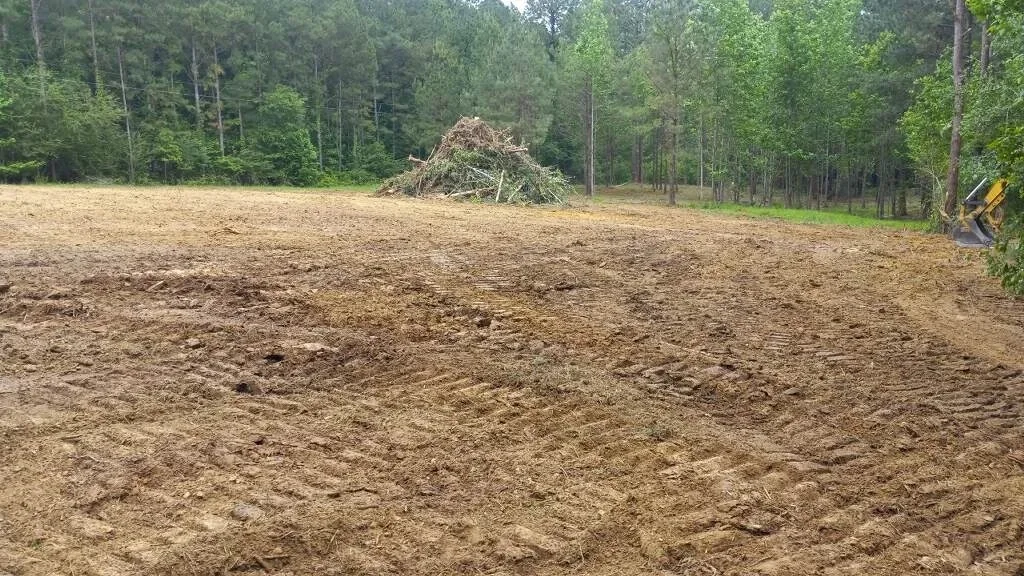
| Small pad or gravel parking area | $2,200–$4,500 | Cut volume, haul-off, compaction spec |
| Full site excavation for a new build | $6,000–$15,000 | Rock, old fill removal, engineered cut-and-fill |
| Basement or walkout cut on a slope lot | $6,000–$15,000 | Retaining, drainage, spoils trucked or stacked |
For the finer grading and dirt-work side of the same job, see the Henderson County grading cost breakdown. Excavation and grading are usually one scope on a real site, and splitting the bid is how homeowners end up paying twice for the same spoils pile.
Two local details sit behind those rows. First, a river-bend lot may need the trench cut, then re-cut after a rain, which adds machine hours that a flat per-foot price never captures. Second, a ridge lot with shallow rock can turn a small pad into a breaker job even when the square footage is modest. Neither case is unusual in Mills River, which is why the honest bid lists conditions instead of a single lump number.
Water, storms, and why they matter to a hole in the ground
Henderson County has seen 16 federally declared events across 1978-2026, and the pattern is the one you would guess: storm, flood, and the saturated-ground failures that follow. An open excavation is the most vulnerable thing on a property during that kind of weather. A trench cut Thursday can be a collapsed trench Saturday, and clay walls are the worst offenders because they look solid right up until they are not. On the flatter parcels near the river bottoms, water has nowhere to go, and a hole becomes a bathtub. On the slopes, water arrives fast from above.
Two practical consequences. First, schedule the dig and the concrete or pipe within the same dry window — a hole left open over a wet weekend is money. Second, plan where water goes before the machine arrives, not after. A silt fence, a stabilized construction entrance, and a plan for the low corner of the lot are not extras; they are what keeps the job from turning into a mud pit and a complaint. The National Weather Service forecast for the county is not optional reading the week of a dig, and OSHA-style trench-protection habits are not a formality on deep runs in clay. If your parcel drains toward a neighbor, that conversation belongs in the bid, not in the aftermath. Sediment leaving a site after a storm is the fastest way to turn a simple dig into a county inspection.
Licensing, permits, and what to check before you sign
North Carolina draws a real line between a handyman with a machine and a contractor. The North Carolina Licensing Board for General Contractors (nclbgc.org) sets the thresholds and the complaint process, and any excavation tied to a structure, a driveway crossing, or a land-disturbing activity usually pulls in county permits and erosion-control requirements. Ask for the license number, verify it, and confirm who pulls the permit — an honest contractor answers in one sentence. If the answer wanders, that is the answer.
Also ask the disposal question: where do the spoils go? On a tight Mills River lot, hauling dirt off-site can be a four-figure line item by itself. A bid that quietly assumes you keep the dirt is not a lower bid, it is an incomplete one. And on lots near the river bottoms, the fill you pull out may be wet and heavy, which means fewer yards per load and more trips. For the full walkthrough of how we scope and compare these jobs, start at the excavation contractor overview.
Choosing a crew on this terrain
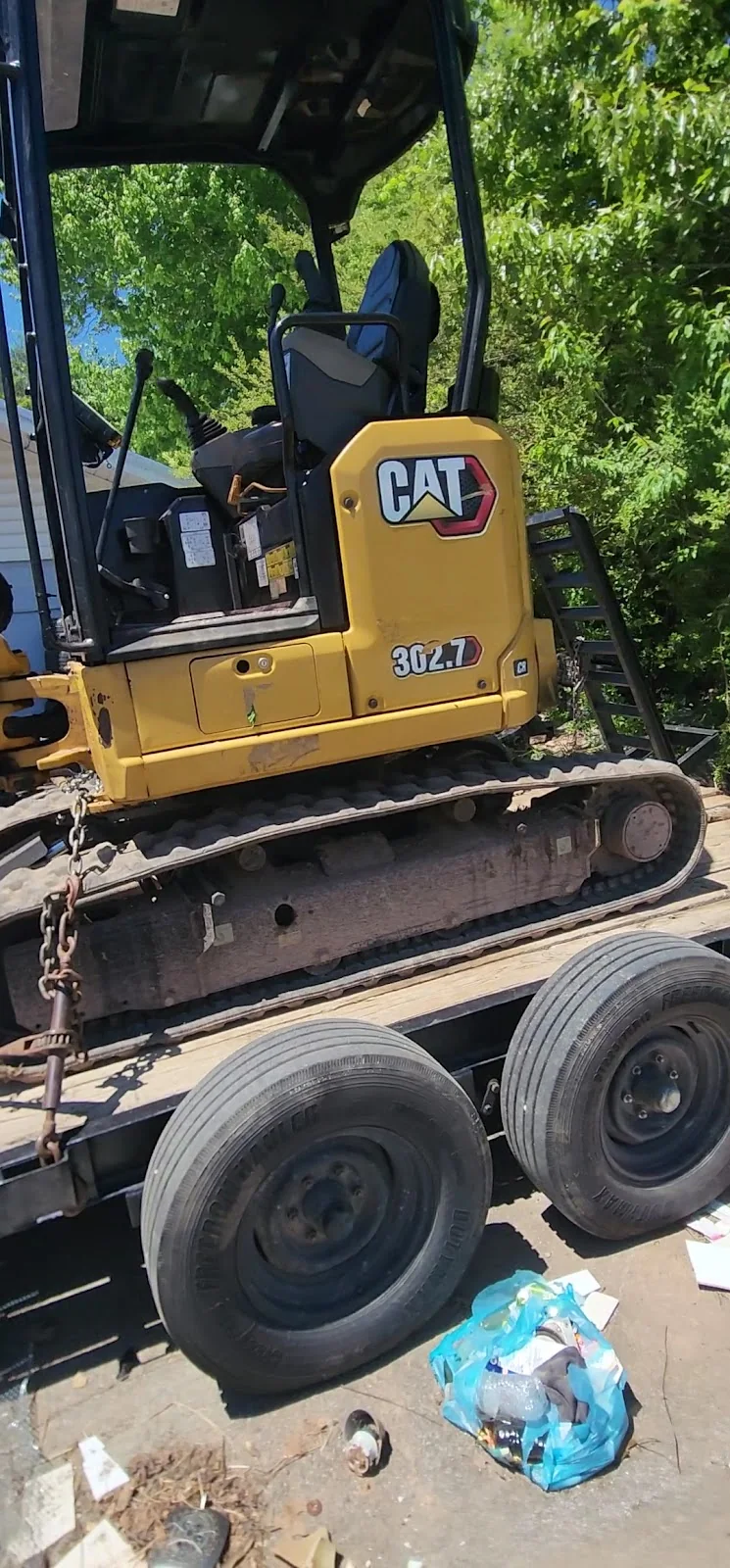
The right crew for a Mills River dig is one that has broken rock above the river and dewatered clay below it. Ask two questions and listen carefully. How do you handle rock — breaker attachment, drilling and splitting, or do you sub it out? And how do you protect a trench wall in wet clay? Vague answers on either mean the risk lands on your invoice. A crew that works these lots will talk about cutting width, spoils placement, and where the water will run before they ever mention an hourly rate. Cross-check the crew against the Mills River grading contractors we track locally, and read the EPA guidance on erosion and sediment control if your project disturbs more than a small area — it lays out why a silt fence and a stabilized entrance are requirements, not upsells. On a hillside lot, the difference between a crew that plans drainage and one that does not shows up the first time it rains hard.