The lot shapes that make Hot Springs jobs their own animal
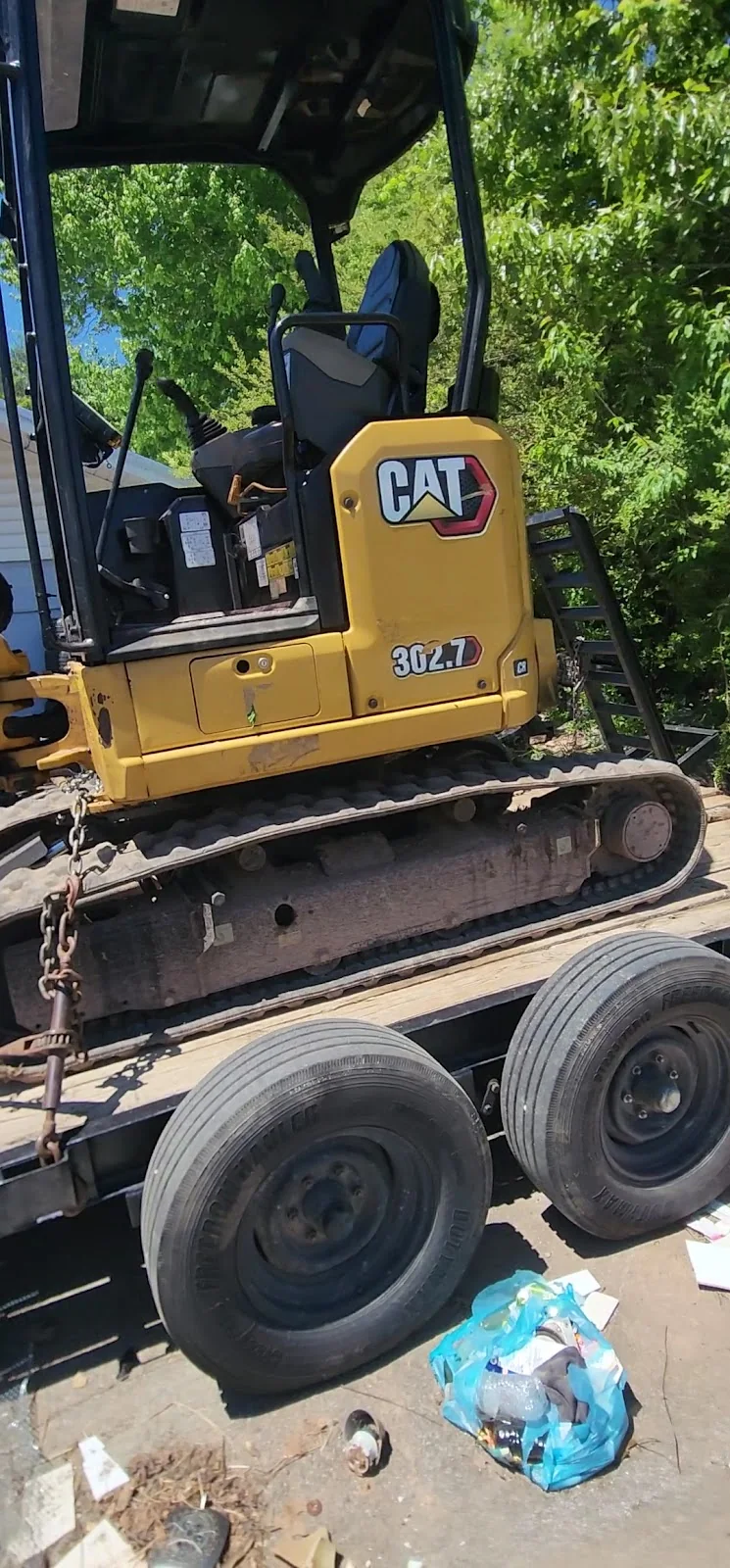
Hot Springs is a river town pinched between the French Broad and the ridges, and its buildable ground shows it. Downtown lots sit on old terraces where the river has dropped silt for a century; lots a few streets up climb the hillside at angles that make a mini-excavator the only machine that fits; and a short drive out NC-209 or River Road puts you on ground where the water table shows up fast in spring. That geography — not the county name — is what drives a foundation excavation scope here.
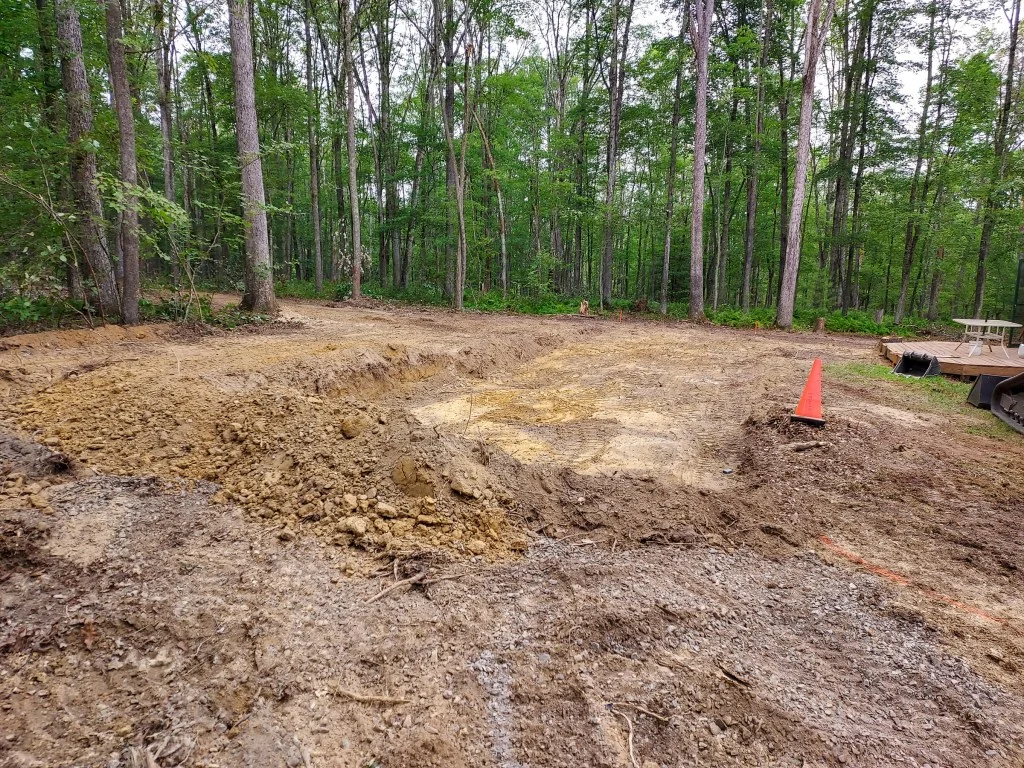
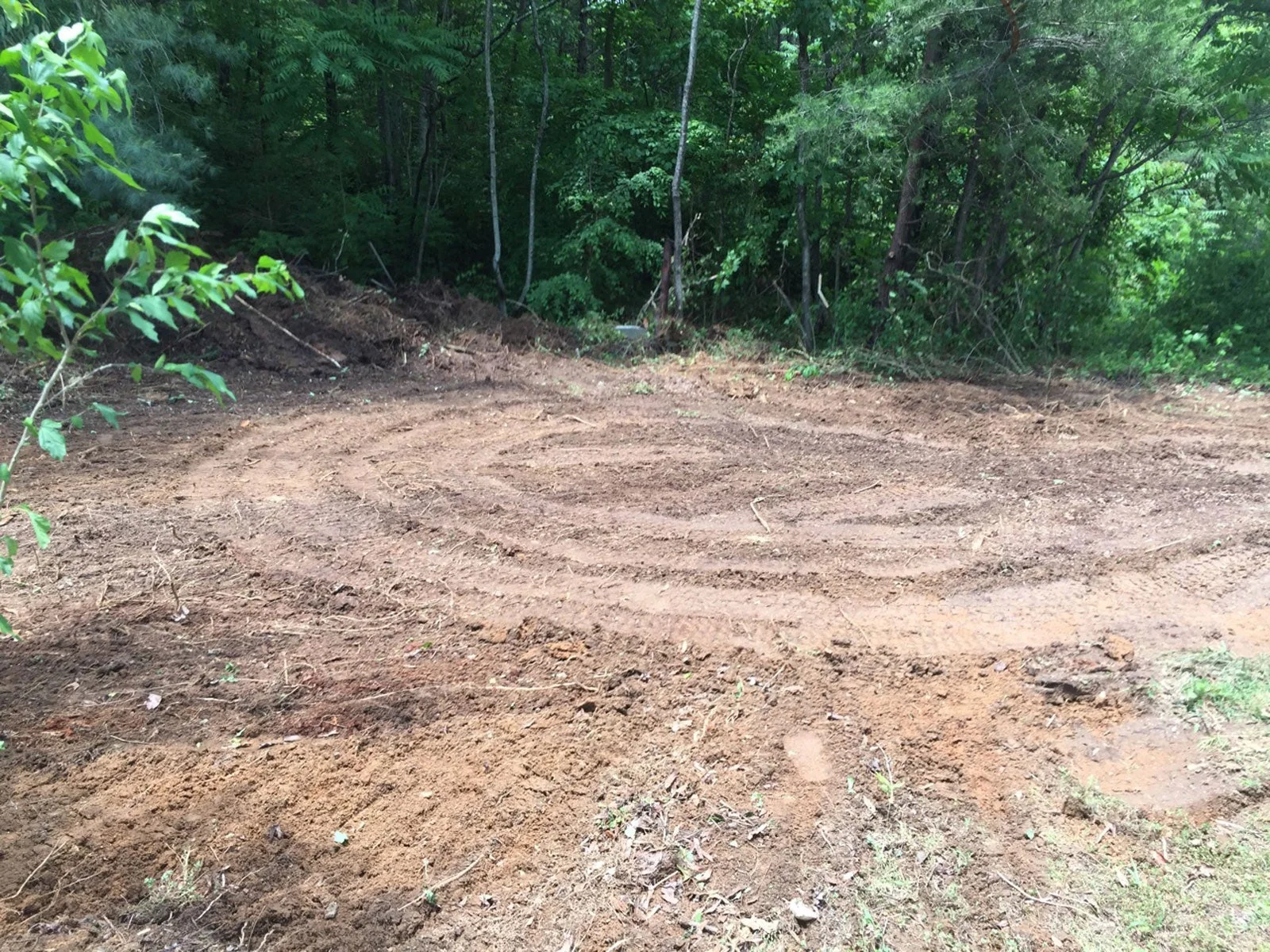
On a flat terrace lot, access is easy and the digging is predictable until you hit the old river channel fill that nobody mapped. On a hillside lot, the cut itself is the project: you are removing a wedge of slope, and what holds the uphill side during and after the dig matters as much as the hole. And near the river, you plan around groundwater from day one instead of discovering it on pour week. A crew that quotes all three the same way has not walked the property.
How foundation excavation is scoped and priced here
Excavation bids in Madison County are built from four numbers: how deep the footings go (a function of soil bearing and frost protection), how much dirt has to leave versus stay on site, how far a machine can get from the hole, and how much shoring or benching the slope requires. Tight downtown lots with no staging room and hillside lots with a long carry both add labor hours, not mystery fees. The table below shows how scope maps to price across the band.
| Scope of work | Typical range |
|---|---|
| Footing excavation only (trenching, forming base, no full basement) | $1,200 – $4,500 |
| Standard crawl-space or slab foundation dig, good access, fill soil | $3,500 – $7,500 |
| Basement or full-depth dig with spoils hauled off site | $7,500 – $13,000 |
| Steep or tight-access dig with benching, shoring, or long carries | $13,000 – $18,000 |
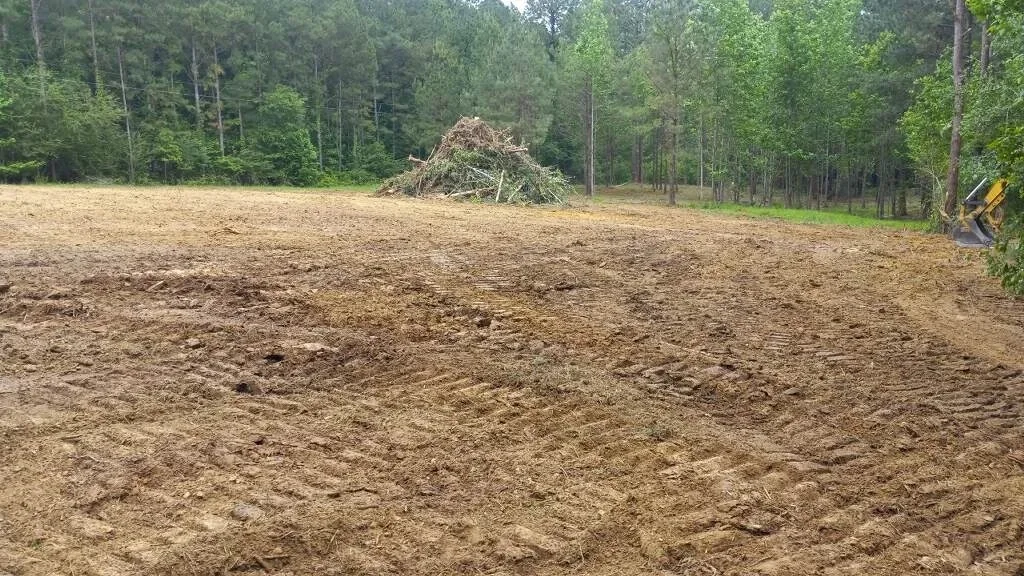
Two line items decide where a Hot Springs job lands in that table: haul-off and slope work. A terrace lot where spoils can be spread on site stays near the bottom of the band; a hillside lot where every bucket leaves by truck climbs toward the top. That is the whole conversation, and any quote worth reading itemizes it. If the digging is part of a larger site job, the Madison County grading cost breakdown shows how excavation sits inside a full grading scope.
Water, rock, and the surprises this ground keeps
Madison County's federal disaster record is the honest context for any digging here: 21 declared events touch this county across 1978-2026, and the storm-and-flood family dominates. That history is not trivia — it tells you the ground you are excavating has been soaked, scoured, and re-soaked, and that a footing designed for a dry year may sit in saturated soil the next. Excavation scopes here plan drainage, not just depth. The National Weather Service outlook for the southern mountains is worth checking before scheduling a dig week for exactly that reason.
Then there is rock. Ridge-side lots in this county routinely turn from diggable clay to something a bucket will not touch, and that transition can happen between two footing trenches. Nobody can promise you a rock-free dig on a mountainside lot, but a competent scope states the rate for rock removal up front instead of inventing a change order mid-job. If your bid has no rock line and no contingency language, that is not a cheap bid, it is an unfinished one.
What a proper excavation scope has to contain
Whether the work is a small footing pour or a full basement dig, a Hot Springs excavation scope should name the depth and width of the footings, where the spoils go, how the uphill side is protected on slope lots, and how groundwater gets handled if it shows. It should also state who calls for inspections and when, because footing inspections before a pour are a code requirement, not an option — the International Code Council model codes that North Carolina adopts cover footing bearing, depth, and drainage, and the local inspection sequence follows them.
One more layer that catches homeowners off guard: once a job crosses the state's cost threshold, the contractor doing the work needs to be licensed, and the rules live with the NC Licensing Board for General Contractors. Ask for the license before the machine arrives, not after. On any job involving a septic system, a wellhead, or stream-adjacent ground, the environmental rules tighten further; the EPA maintains the federal baseline that state and local rules build on, and a dig near water in this county is a different scope than a dig on a dry ridge.
Sequencing the job so you are not digging twice
The most expensive mistake on a Hot Springs foundation job is doing the excavation before the site drainage is decided. On a terrace lot, that means grading and surface water routing settled first; on a hillside lot, it means the cut and the retaining plan designed together, because the excavation is what creates the slope problem you then have to solve. The excavation contractors page for this town covers crews who sequence it that way, and the foundation excavation guide walks through the full order of operations from stake-out to final backfill.
Get the sequence right and the dig is one clean event: footings in dry ground, spoils placed or hauled once, and backfill that drains. Get it wrong and you pay twice — once to dig, once to fix what the first dig exposed. The site visit is where that gets decided, and it is worth more than any phone quote.