What actually moves the number on a Clyde lot
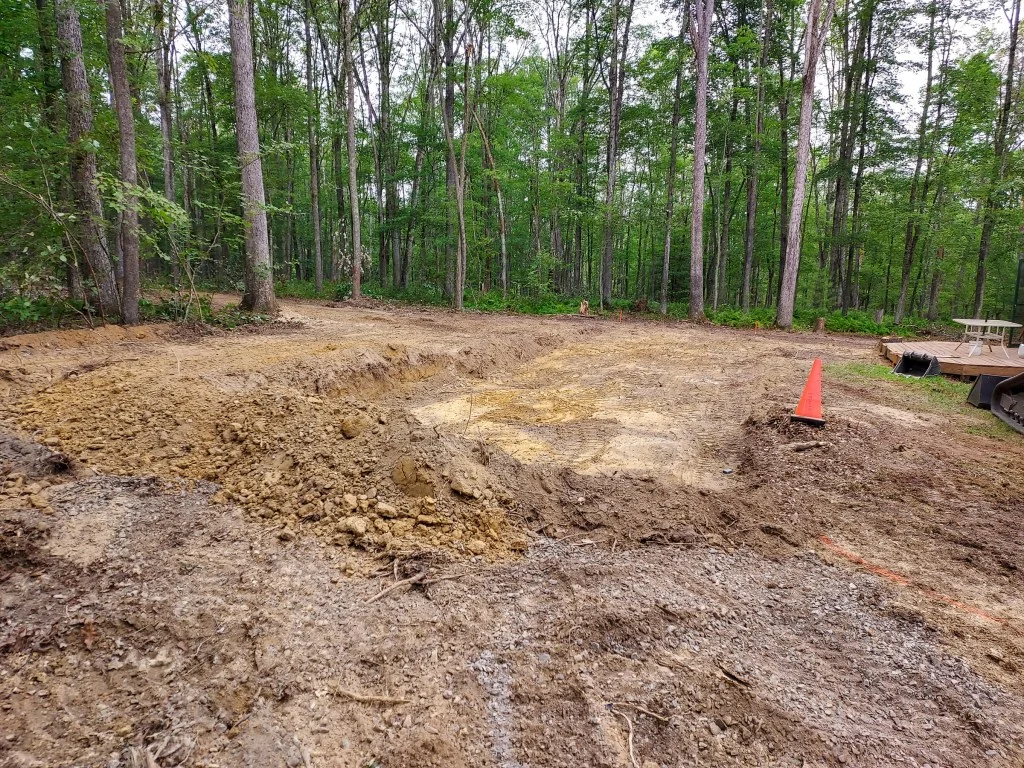
Most excavation quotes around Clyde come back in a wide spread not because contractors disagree about the work, but because they are pricing three different unknowns. The first is depth to competent bearing soil. The valley floor and the terraces above the Pigeon River are deep alluvial ground; a dug footing that hits firm material at three feet in one spot can keep going past six a few hundred feet away. Depth is the single largest line on the invoice because it compounds: more machine time, more truckloads, more backfill and compacted lift.
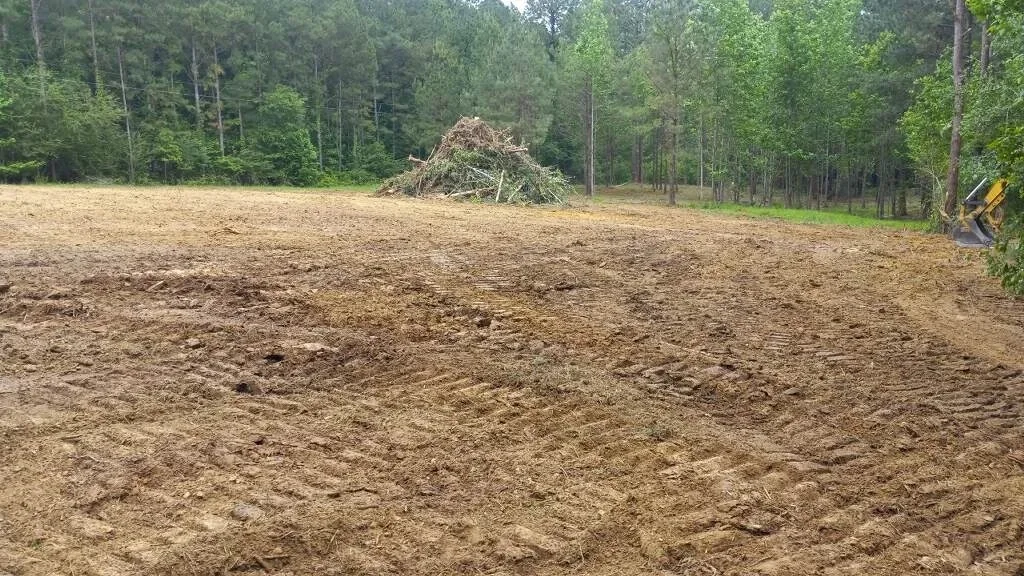
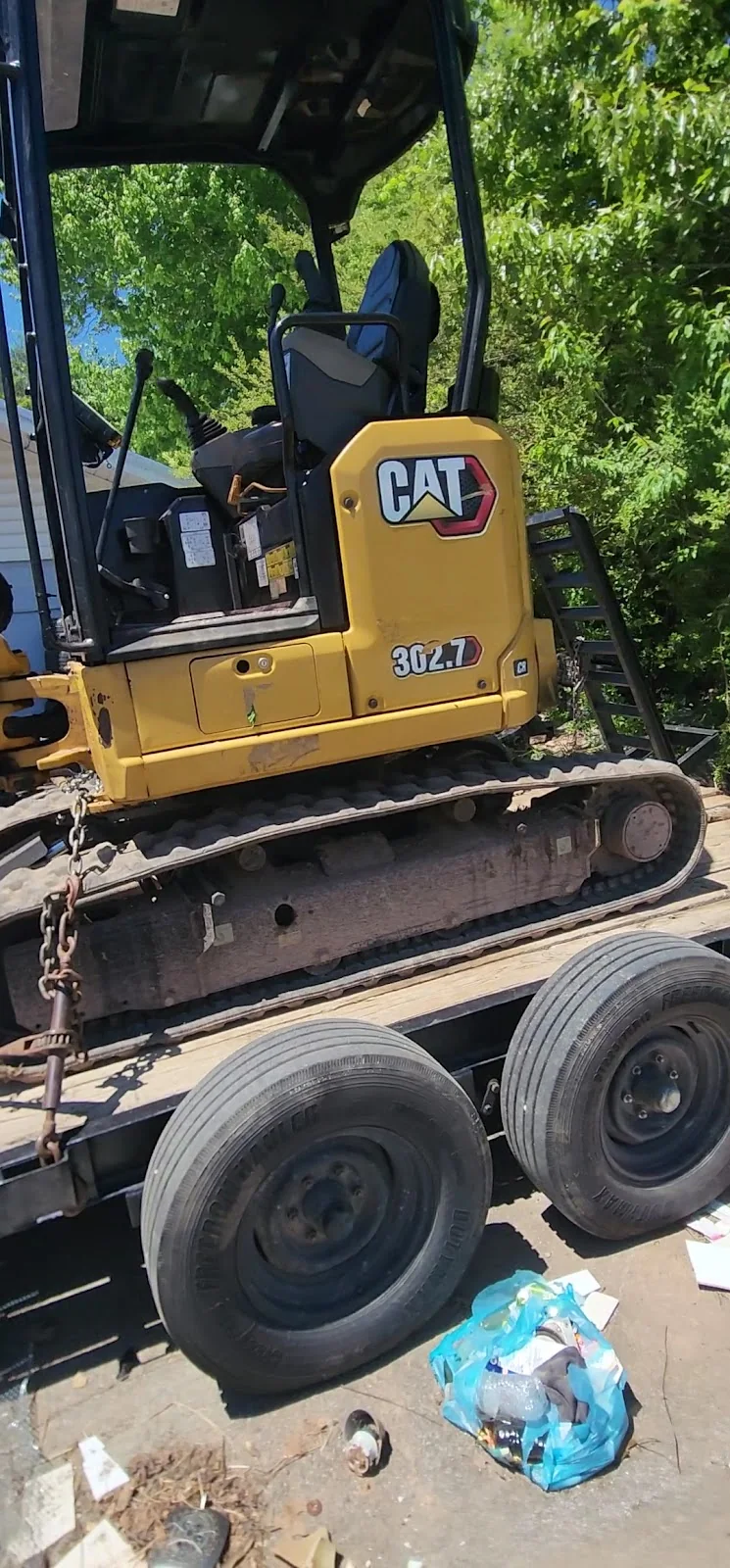
The second is machine access. Clyde and the surrounding Haywood County parcels mix small in-town frontages with long gravel drives and lots that back onto a slope. If a full-size excavator cannot reach the dig, the job shifts to a smaller machine or hand work, and that shows up as hours, not materials. The third is spoil. Every yard of dirt pulled out has to go somewhere unless it can be re-graded on site, and haul-off is priced by the load.
This is a cost-anatomy page: the sections below walk the line items in the order they tend to blow up a budget, so you can read a bid and see which one the contractor is guessing at.
Reading a bid line by line
The tables below are the working ranges we see across the region. Footings alone (trench dug, formed, and poured, no full basement or crawl dig) sit at the low end. Full foundation excavation with haul-off sits at the top.
| Scope item | Typical range | What pushes it up |
|---|---|---|
| Footing trenches only (formed & poured) | $1,200–$4,500 | Depth to bearing soil, number of corners, rebar schedule |
| Crawl space / stem-wall excavation | $3,500–$9,000 | Square footage, spoils staying on site vs. hauled |
| Full basement dig with haul-off | $9,000–$18,000 | Truckloads leaving, dewatering, shoring against neighbor grade |
| Drainage trench / footing drain | Add-on, priced by linear foot | Rock, slope of outfall, daylight point distance |
A bid that gives you one number with no depth assumption and no haul-off quantity is not cheaper, it is just unfinished. Ask which line is the guess.
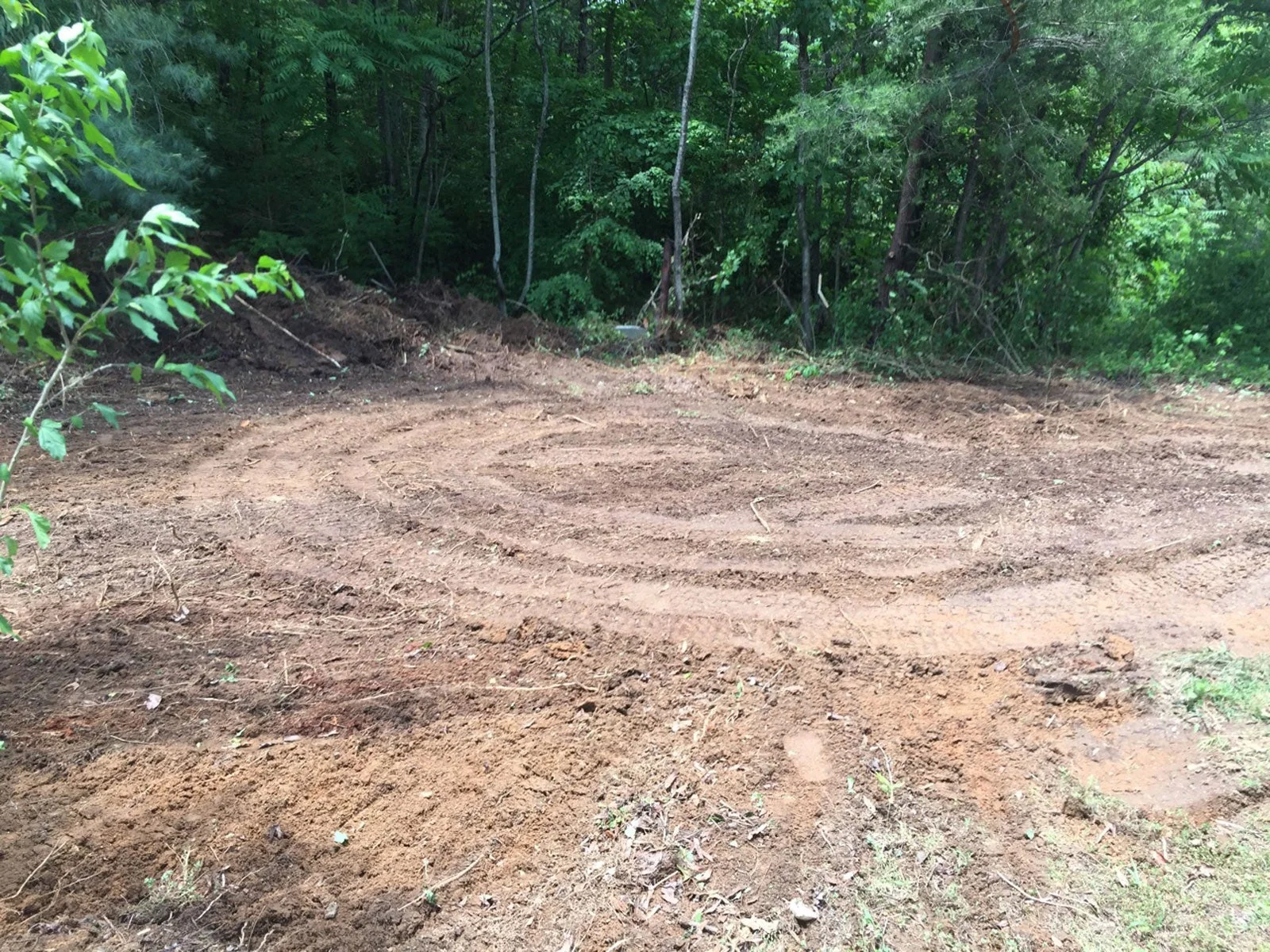
Two more line items deserve their own column on any Clyde bid. First, rock. The valley has shale and river cobble that can stop a trench mid-pass, and rock removal is usually billed hourly plus disposal. Second, topsoil stripping. If the lot was farmed or is reverting from pasture, the organic layer is thicker than a new subdivision pad, and that material either gets stockpiled for later landscaping or hauled off entirely.
When you compare two quotes, put them side by side on depth assumption, haul-off tickets, and rock contingency. Those three numbers are where a $4,000 spread actually lives.
Ground and water in the Haywood valley
Clyde sits in the Pigeon River valley, and the valley is a wet place. The federal disaster record for this county (19 declared events across 1973-2026, mostly storm and flood family) is the honest context for any dig here: water shows up on schedules nobody controls. For excavation that means two planning items, not one. First, where the water table sits in a wet spring versus a dry fall. Second, how uphill runoff from the neighbor's grade is handled so the open trench does not become a collection point.
Excavation safety and drainage expectations are not informal. The International Code Council codes treat foundation drainage and soil-bearing assumptions as prescriptive requirements, and the National Weather Service outlook for the region is worth checking before a pour is scheduled — an open footing in this valley can take on water overnight.
Locals know the pattern: a stretch of dry weeks, then a frontal system that drops inches in a day. A crew that has dug in Clyde plans for that by keeping a pump on site and by shaping the spoil pile so it does not shed back into the trench. It also means scheduling footings for the morning, so the pour gets done before afternoon thunderstorms build over the Balsams.
Depth to water matters for a basement in particular. A crawl space or slab can often tolerate a higher water table because the dig is shallower; a full basement in the same neighborhood might require curtain drains or a sump plan. That single decision can swing the quote by thousands before a machine ever moves.
Permits, licensing, and who should be on the job
North Carolina draws a licensing line that matters for anyone hiring excavation: the NC Licensing Board for General Contractors sets the threshold at which a project requires a licensed general contractor, and footing and foundation work is exactly the category that crosses it. An excavation-only subcontractor may not need that license for the dirt, but the project around it usually does. Ask early, not after the trench is open.
Environmental rules also come into play when spoils or dewatering water leave the site; the EPA maintains the stormwater and sediment guidance that local reviewers lean on. None of this is a reason to avoid the work — it is a reason to hire someone who already knows which boxes get checked on a Haywood County job.
On a practical level, footings in Haywood County get inspected before the pour, which means the trench has to be open, clean, and at the depth the plan calls for on the day the inspector arrives. Crews who can read the clay-and-cobble ground here know to undercut a soft spot rather than try to hide it, because the inspection is where that decision surfaces.
Also worth knowing for out-of-county owners: Clyde has its own zoning and setback expectations, and lots near the Pigeon River corridor can carry floodplain considerations that affect where a foundation can sit. A local excavator who has pulled footings on those parcels will flag it before design is locked in.
Getting a scope that matches the lot
The fastest way to a real number is to describe the lot before the visit: frontage, driveway width, grade change from street to build pad, and whether there is a basement in the plan. Those four answers separate a $4,000 footing trench from a $15,000 basement dig. The foundation excavation overview covers the scope questions in the order they affect price, and the Haywood County grading cost breakdown handles the sitework that usually gets bundled with it.
If you are still narrowing down who digs it, the Clyde grading contractors page is the local starting point for crews working this valley. Bring the same four answers and the quotes will be comparable instead of apples-to-oranges.
A few Clyde-specific details are worth putting in writing before the first machine arrives. Where will the spoil go if it stays on site — front yard, side yard, or hauled away? Is there a stockpile area for topsoil you want back for finish grading? Does the driveway have a culvert or a soft shoulder that a loaded dump truck will chew up? Each of these can add hours or none, depending on the answer.
Finally, ask how the contractor handles a wet dig. The best local bids include a contingency line for dewatering and a note about what happens if rock is hit. That kind of bid is not more expensive; it is just honest about the ground in this valley.