Why access and haul decide the price before the first tree falls
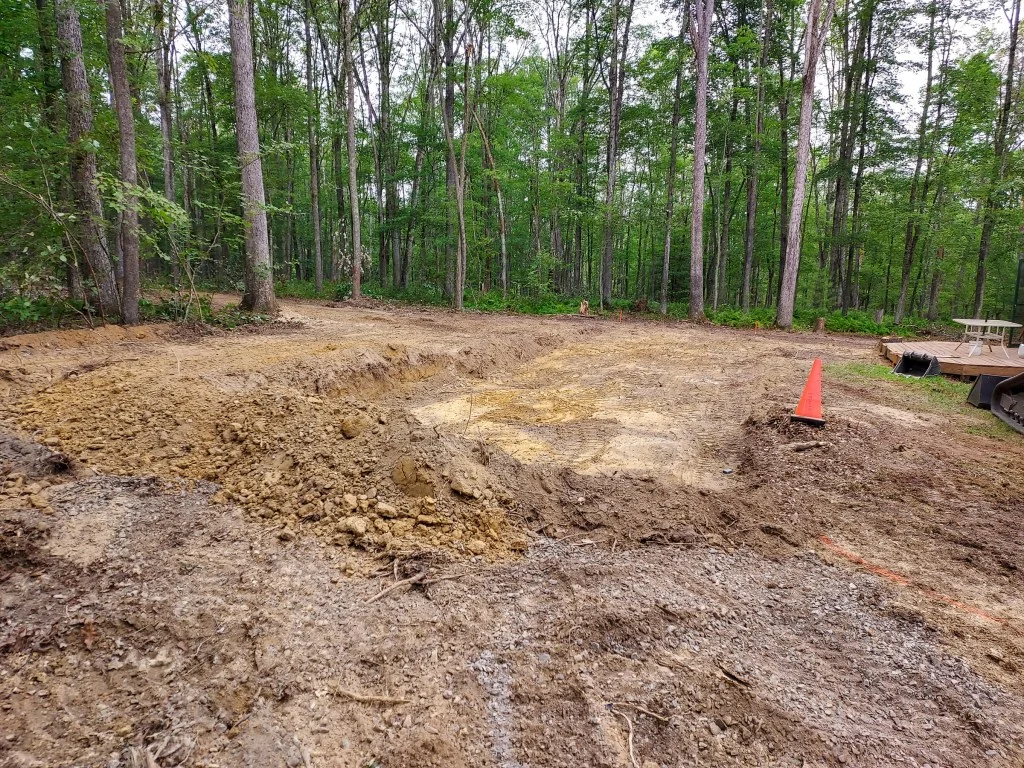
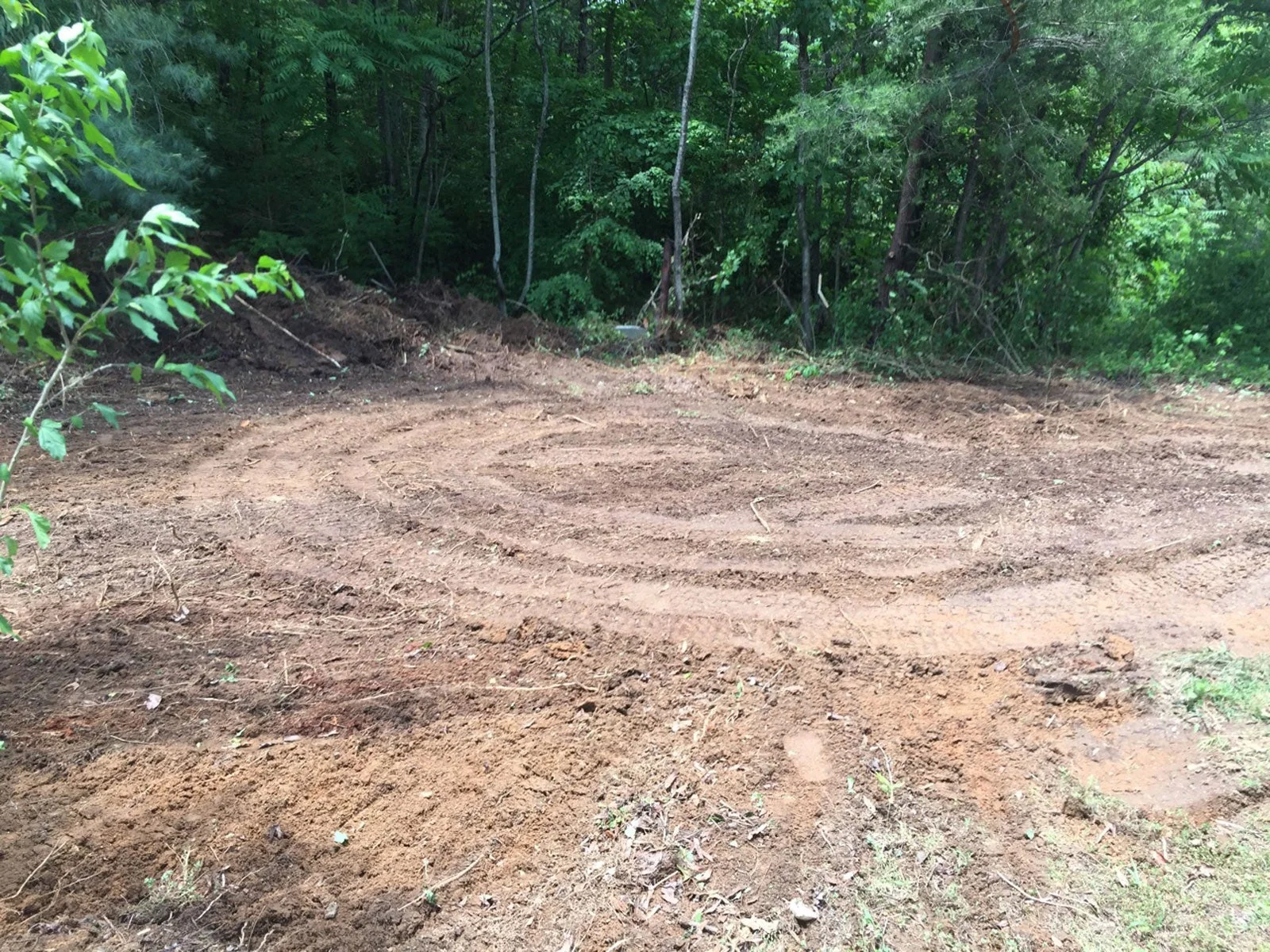
Most Lake Junaluska lots were platted decades ago along ridges and coves above the lake, and the driveways have not grown with modern equipment. A machine that clears a half-acre in a day in flat Haywood County bottomland can spend that same day just walking in. Before anyone quotes tree count, the real questions are: can a tracked machine reach the work zone, where does the debris go, and how far does gravel have to travel to get back in?
Lake Junaluska sits a short haul from the quarry operations that serve the Waynesville area, but the last mile is the expensive one. Narrow lanes off US-19 and NC-209 that cannot take a tandem dump truck turn a simple gravel pad into a shuttle job. On lots like these, excavation and haul can easily run 40 to 60 percent of the total, with stump and debris removal making up most of the rest.
The terrain compounds the access problem. Many of these lots sit on grades that would look normal in flat eastern Haywood County but read as steep here, where the land tilts toward the lake and the roads follow the contour rather than cutting straight up. A loader that walks a flat pad in minutes can take an hour on a 20 percent slope, and the operator is fighting gravity with every bucket. That time shows up on the invoice, not in the tree count.
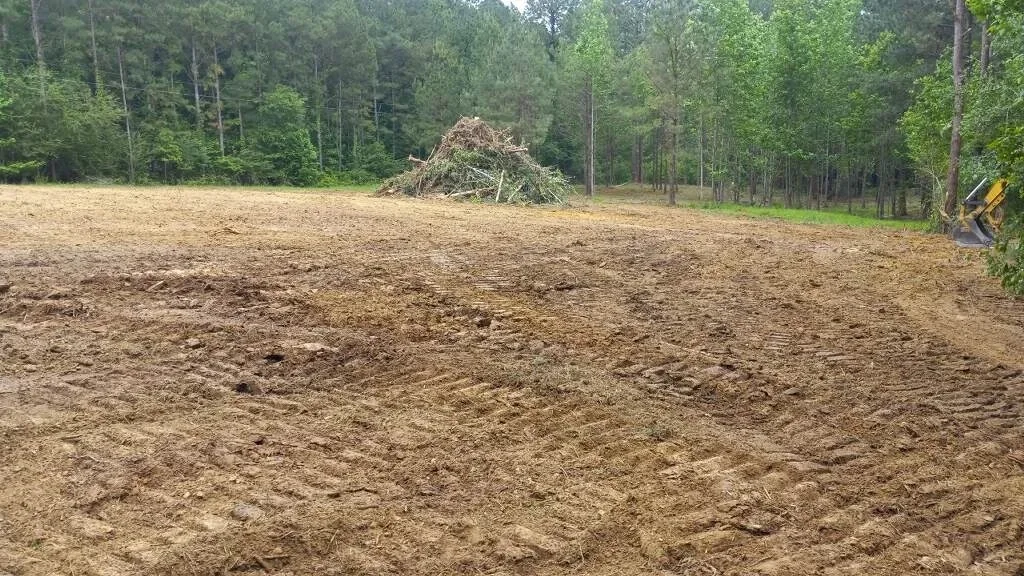
Debris is the second half of the equation. Chipping on site reduces haul volume dramatically, but only if the chips can legally stay. On a Junaluska-area lot, leaving a mulch layer near the homesite pad can save thousands in dump fees and truck time, provided the chips are placed where they will not wash into the lake or a neighbor's drainage. Burning is sometimes allowed in rural Haywood County but is rarely practical on these tight lots, where smoke and fire risk draw immediate attention.
What clearing actually costs on a Junaluska-area lot
Ranges below reflect typical residential scopes in Haywood County. Steep or tight-access parcels land at the top of each band or above it. See the full Haywood County grading cost breakdown for the line-item view behind these numbers.
| Scope | Typical range | What moves the price |
|---|---|---|
| Lot clearing for a homesite pad (quarter to half acre) | $3,200–$7,500 | Tree size and density, access width, whether roots are grubbed or cut flush |
| Full-lot clearing with stump removal and debris haul-off | $6,000–$11,500 | Haul distance, dump fees, whether chips can stay on site as mulch |
| Driveway cut-in and gravel base | $4,500–$12,000 | Quarry haul distance, culvert needs, whether the lane can take a loaded truck |
| Grading, drainage and erosion control after clearing | $2,500–$8,000 | Slope, retaining needs, sediment basin or silt fence requirements |
| Selective thinning and view-window clearing | $1,800–$5,500 | How many stems come out, whether debris is chipped on site |
Anyone who quotes a bare per-acre number before walking the access is guessing. The land clearing overview covers what a proper site visit should include.
Two lots the same size on the same ridge can land thousands apart, and the difference is almost never the trees. It is whether the excavator can track straight to the pad or has to work from the lane and reach. It is whether stumps get ground or pulled. It is whether the spoils pile stays on site as fill or every load rolls down the mountain to a disposal site. Those three decisions, made before the first cut, set the floor and ceiling of the job.
For homeowners planning a build, the clearing line and the driveway line are often quoted separately but priced together in reality. A driveway that can take a loaded tandem truck costs more up front and saves money on every load that follows, all the way through the build. A cheap lane that only handles a pickup forces every material delivery into smaller trucks, and that surcharge repeats for months.
Water, slopes and the erosion rules that shape the job
This end of Haywood County drains toward the Pigeon River watershed, and the federal disaster record shows why that matters: 19 declared events touch this county across 1973-2026, overwhelmingly storm and flood family. Cleared ground on a slope sheds water fast. Without silt fence, a stabilized entry, and a plan for where runoff goes, a spring thunderstorm can undo a week of work and put mud on a neighbor's lane.
State sediment and erosion control requirements apply to most land-disturbing activity above a modest threshold, and the NC Building Code Council and NCDOI Engineering Division publish the standards inspectors work from. The EPA maintains the stormwater guidance that most local plans echo. On a Lake Junaluska slope, the practical takeaway is simple: plan the erosion control before the first machine arrives, not after the first rain.
The lake itself raises the stakes. Anything that leaves a Junaluska-area lot during a storm eventually has a path toward the water, and neighbors, HOAs, and the county all pay attention. Silt fence, a rock construction entrance, and a stabilized outlet are not optional extras on these slopes; they are the difference between a job that finishes and a job that gets stopped.
National Weather Service guidance at weather.gov is worth checking before scheduling work in the spring and early summer, when afternoon storms build fast over the Smokies. A crew that watches the forecast and stages erosion control ahead of a front avoids the most common and most expensive failure mode on mountain lots.
Who can legally take the job, and where the line sits
Land clearing feels like unskilled work until it involves more than a few thousand dollars of grading, drainage, or anything attached to a structure. North Carolina sets thresholds for who may bid and contract general work, and the NC Licensing Board for General Contractors is the authority that draws them. A clearing-only job may sit below that line; clearing plus a driveway plus drainage often crosses it. Ask any contractor which side of the threshold your project falls on, and get the answer before you sign, not after.
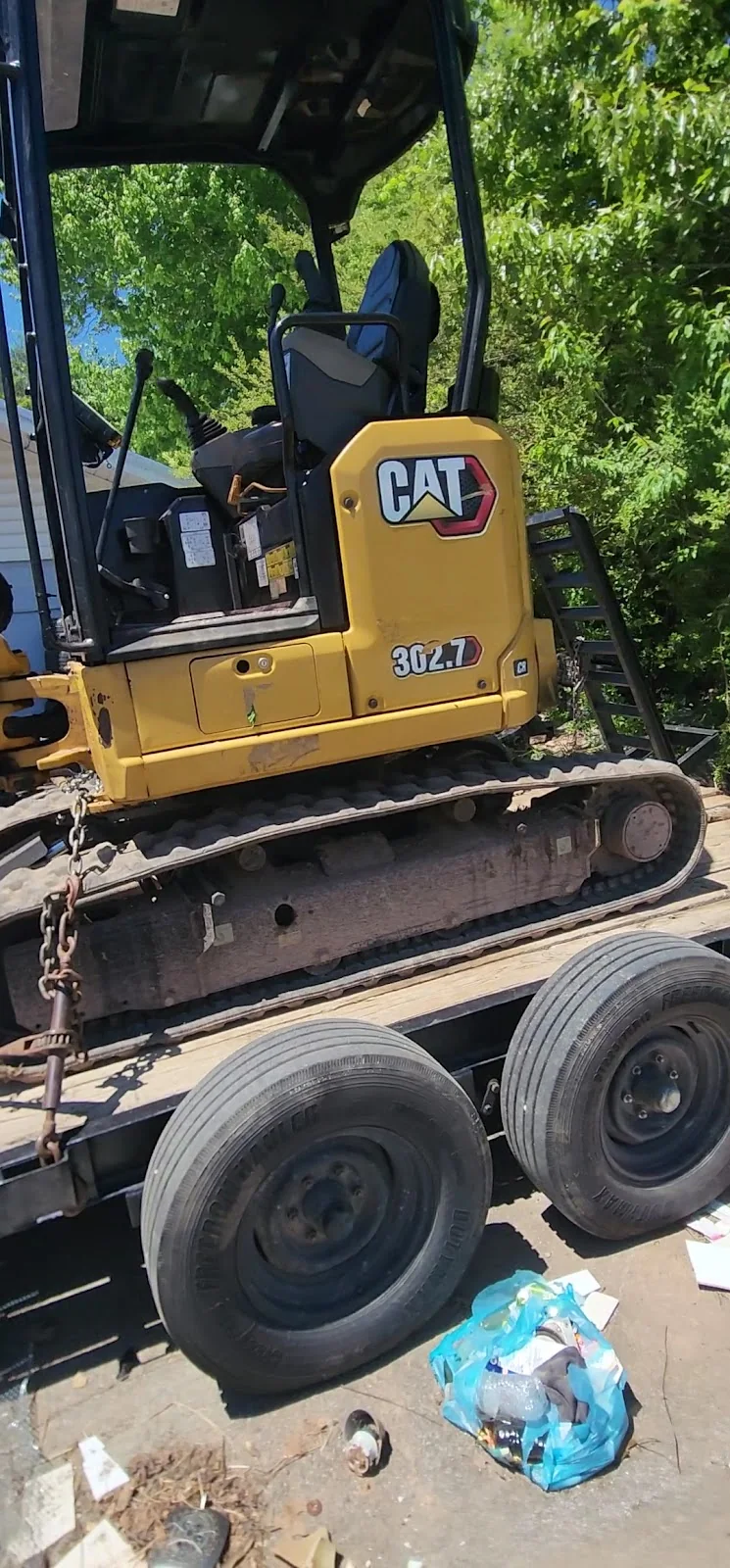
Equipment matters too. A crew that owns its own excavator and dump truck controls the schedule; a crew that rents by the day passes rental risk straight into your quote. That difference is one reason two bids on the same Junaluska lot can differ by thousands.
Insurance is the other quiet line. A tree that lands on the wrong side of a property line, a machine that slides on wet clay, or a stump that rolls into a culvert all become claims. A legitimate Haywood County clearing contractor carries liability coverage sized for the equipment on site, and asking for a certificate is normal, not rude. It is also a fast way to separate a real outfit from someone with a borrowed machine and a pickup.
None of this means the lowest bid is wrong. It means the lowest bid should be compared line for line against the others: mobilization, haul distance, dump fees, erosion control, and whether cleanup and final grade are included. A quote that omits erosion control is not cheaper; it has just moved that cost to you.
Local crews versus out-of-county machines
Haywood County has a working base of excavators and grading crews, and the grading contractors serving Lake Junaluska know which lanes a tandem truck can back down and which will swallow a trailer axle. A crew hauling in from Waynesville or Clyde is usually cheaper per hour than one mobilizing from outside the county, because mobilization is a real cost. When you compare quotes, put the mobilization and haul line items side by side. That is where the honest differences show up, and where a low bid often stops being low once the machines actually arrive.
There is also a knowledge advantage that does not show up as a line item. A local operator has cleared on these ridges before and knows which soils hold water, where rock shows up a few feet down, and which driveways the county has already flagged for maintenance. That experience shortens the job, and shorter jobs cost less, even at the same hourly rate.
Timing matters as much as crew choice. Spring and early summer bring the wettest ground of the year, and a loaded truck on saturated clay is a stuck truck. Late summer and fall are usually the most efficient windows for hauling on these slopes, which is why quotes for the same scope can vary by season. If the schedule is flexible, the ground conditions, not the calendar, should set the start date.
Whoever takes the job, the sequence is the same: walk the access, plan the erosion control, decide where the debris goes, and only then talk about trees. Get that order right and the quote on a Lake Junaluska lot stops being a mystery.