Read the ground you already have before you spend
Fletcher sits in Henderson County's flatter valley floor, south of Asheville, right where the land between the French Broad and the Blue Ridge starts to lift. That valley position is why so many lots here already have a driveway, a house pad, or a leftover build pad from a previous owner. Nine times out of ten, those existing improvements are handing you free information — if you read them correctly.
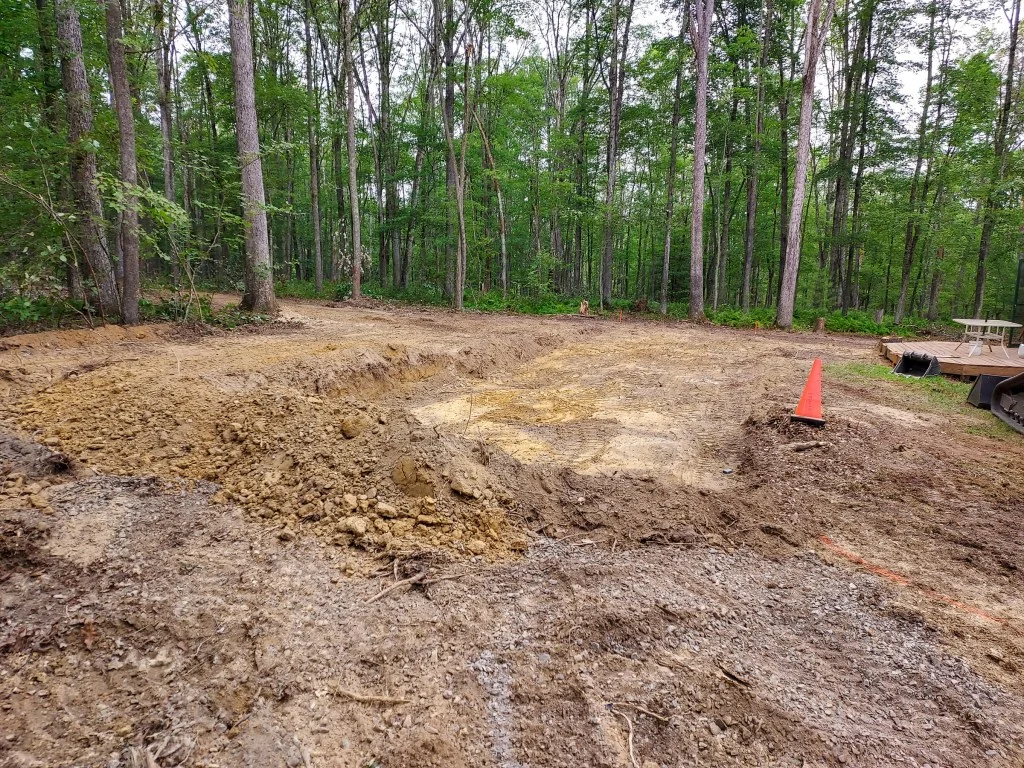
Walk the lot and answer four questions before you call anyone. Where does the water go when it rains hard? Is the existing driveway pitched toward the house or away from it? Does the old pad sit high and dry, or does it show a dark, spongy edge that never dries? And has the uphill neighbor's yard been regraded since the last build? An existing driveway that pools at the garage, or a pad that heaves after a wet winter, is telling you the drainage was wrong from day one. Rebuilding that drainage before you add fill for a new pad is almost always cheaper than pouring a new pad on ground that already fails.
The federal record backs this up. 16 declared events have touched this county across 1978-2026, overwhelmingly storm and flood family — and every one of them pushed water at ground that was built for a drier assumption. On a Fletcher lot, water is not a side issue. It is the whole job.
What a Fletcher pad actually involves
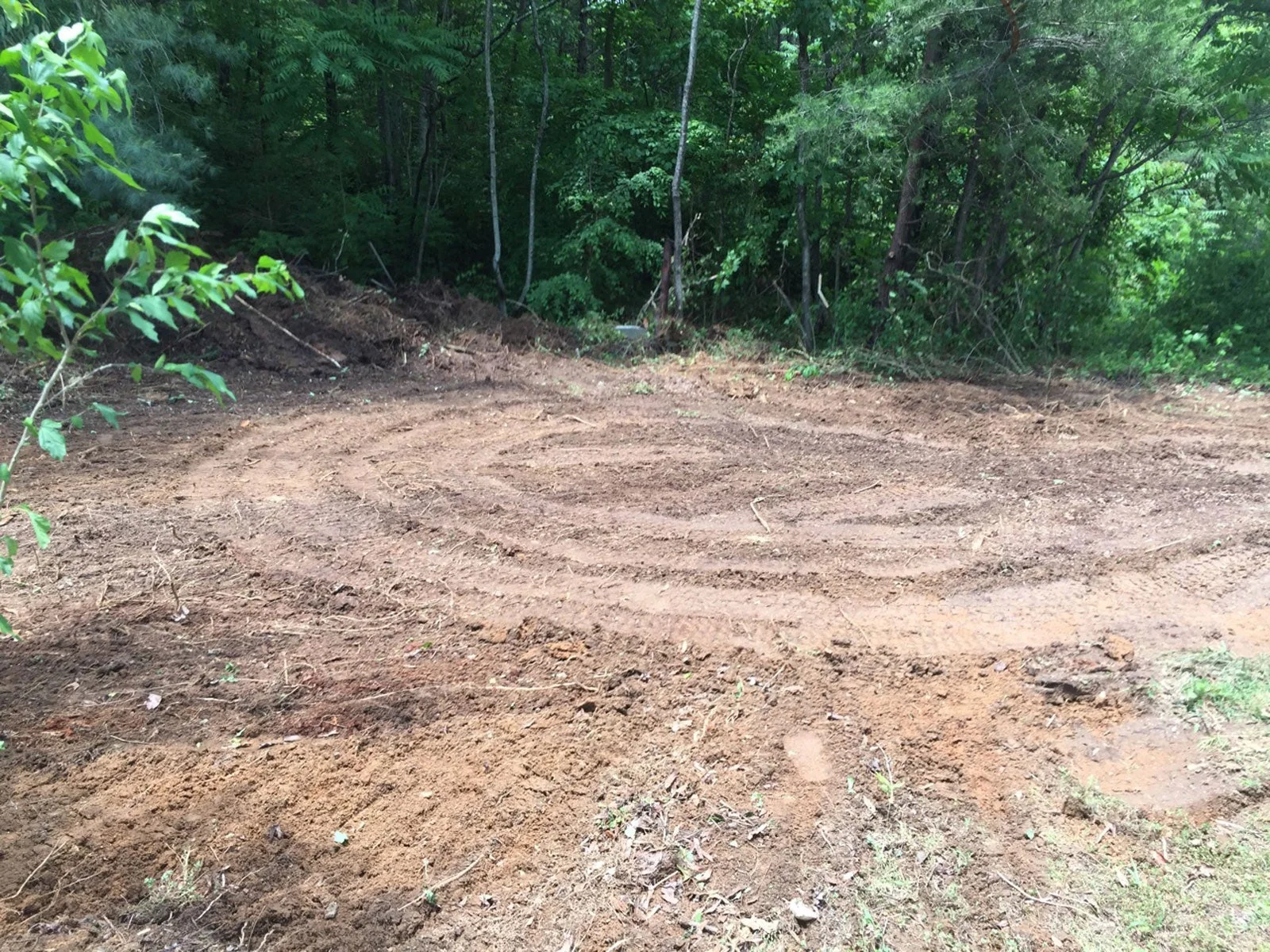
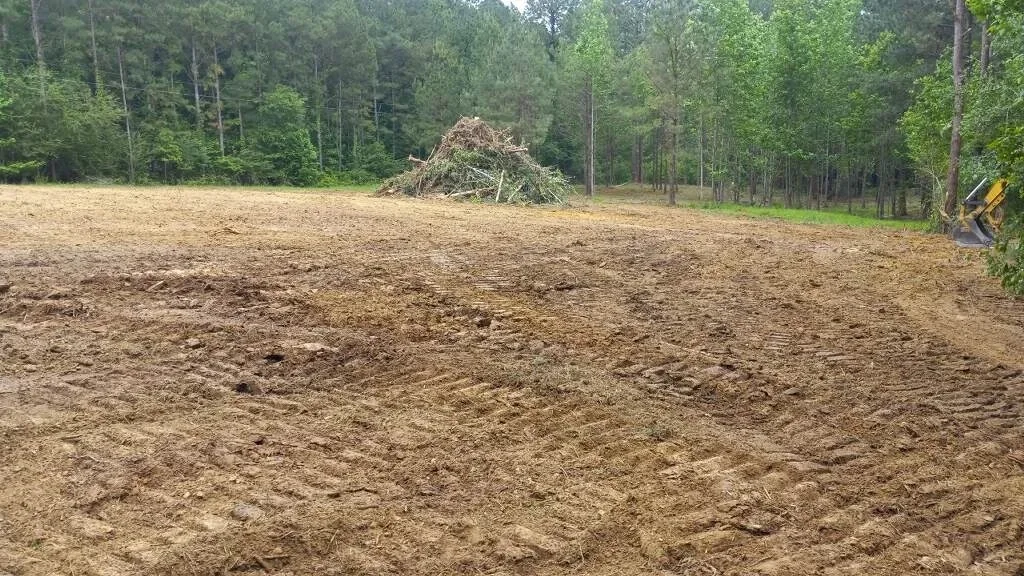
A building pad is a level, compacted platform for a house, garage, or shop. Doing it right in Henderson County means strip the topsoil, cut and fill to a graded elevation, then compact in lifts with a moisture-controlled compactor so the soil reaches the density the foundation expects. The International Code Council codes that most North Carolina jurisdictions adopt treat soil compaction and drainage as structural requirements, not cosmetic ones — soil under a slab has to hold, and water has to leave the footprint.
Fletcher-specific wrinkles: valley clay holds water, and a lot with a seasonal high water table needs the pad cut, crowned, and drained, not just filled. A wooded lot carries stumps and root mass that have to come out, not be buried. And sloped lots on the valley's edges need a cut-and-fill balance that keeps the fill side compacted enough to build on. Skip any of that and the failure shows up two years later in the slab, not in the dirt.
Fletcher price picture
Pads, grading, and drainage on Fletcher-area lots each carry their own line items, and the working numbers are in the Henderson County cost breakdown. The short version sits in the table below. Treat any quote that skips compaction, topsoil stripping, or a drainage plan as incomplete rather than cheap.
| Scope | Typical range | What drives it |
|---|---|---|
| Rough grade for a small shop or detached garage pad | $3,500 – $7,500 | Clearing, tree stumps, haul-off, access |
| Full house pad, cleared wooded lot | $7,000 – $15,000 | Cut-and-fill balance, compaction, drainage |
| Pad plus reworked driveway and swales | $12,000 – $22,000 | Existing drainage repairs, culvert, gravel |
| Steep, heavily wooded, or rocky lot | $20,000 – $30,000 | Blasting, engineered fill, retaining |
Anything past $30,000 means the lot has a problem the numbers alone won't solve — usually access, slope, or rock. That's an engineering conversation, not a bigger quote.
Permits, licensing, and who signs what
Land disturbing permits for grading, erosion control, and drainage are handled at the county level, and the scope of the work determines how much paperwork applies. Concrete guidance is on the state's side: North Carolina has licensing thresholds that apply once the job crosses certain dollar figures or involves structures. If your build pad fronts a house, check the general contractor's license via the NC Licensing Board for General Contractors before work begins. Erosion and sediment control obligations track the NC code that most counties adopt from the International Code Council.
Two more federal anchors worth knowing in Fletcher: the EPA regulates stormwater discharges from construction sites above certain acreage, and HUD standards apply to any pad that ties into federally backed financing — worth checking before you commit to a scope your lender will later inspect.
Choosing a grading contractor in this valley
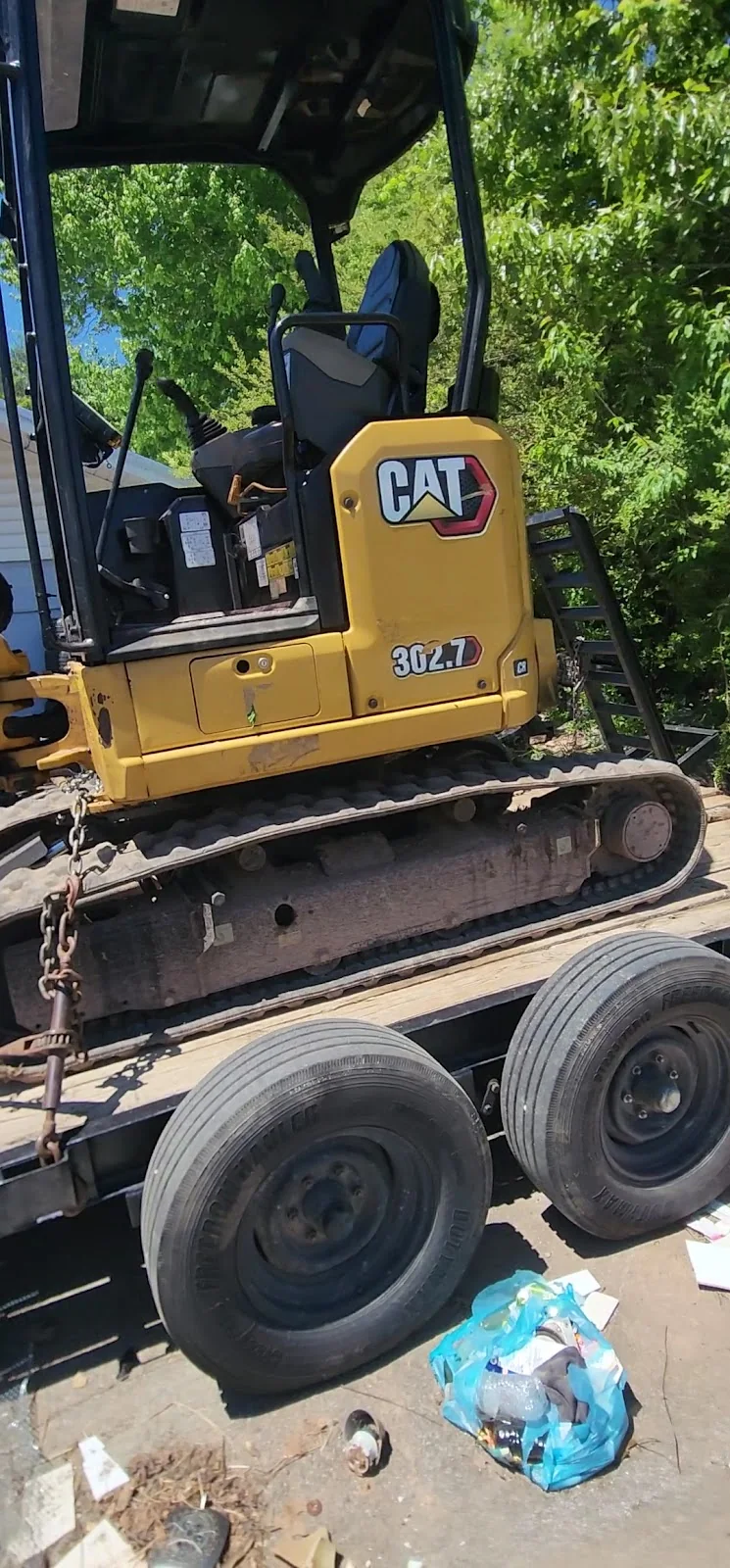
The Fletcher-area work is tighter than it looks on a map. Three checks that matter: ask whether the crew has graded on valley clay before, and how they handle a pad that has to be crowned and drained rather than simply pushed flat. Ask how they sequence water versus dirt — the crews who fix drainage first are the ones who fix pads, and the crews who push dirt first are the ones who sell you a fix two years later. And ask what a compaction test looks like on the finished pad, because on a Henderson County build, that document is the difference between a house and a trouble call.
If you haven't hired anyone yet, the Fletcher grading contractor guide breaks down the local market, and the site prep overview covers what a proper first visit should include. Get two or three quotes, walk the site with each contractor, and let the drainage answer decide it.