What the work actually looks like, start to finish
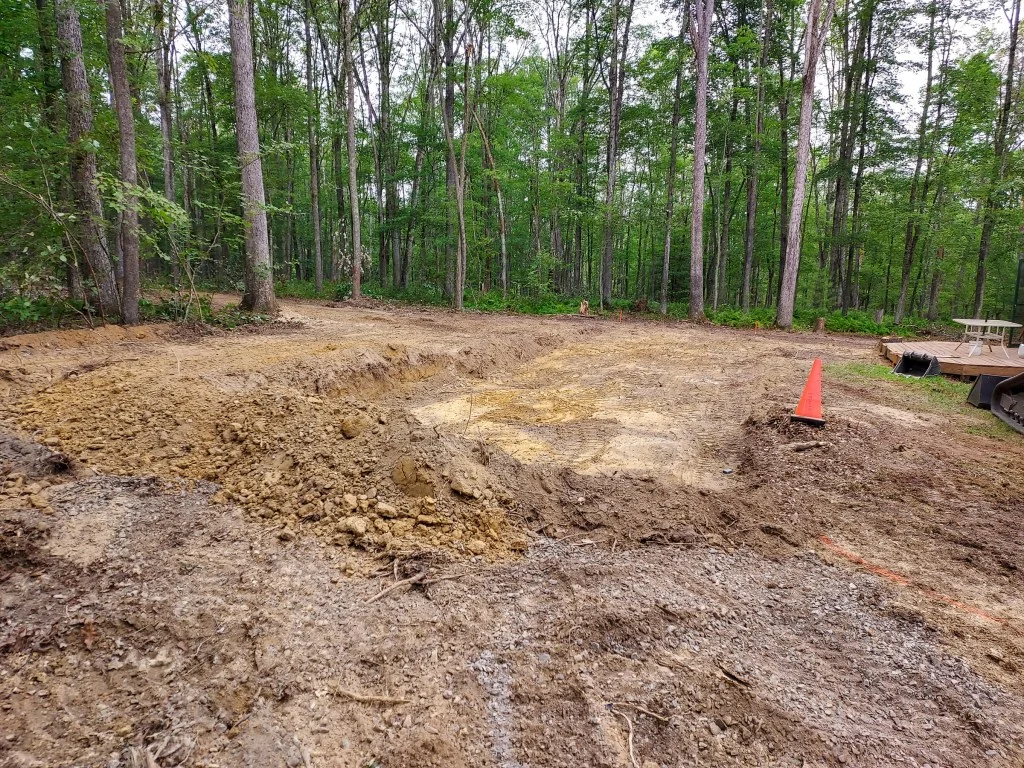
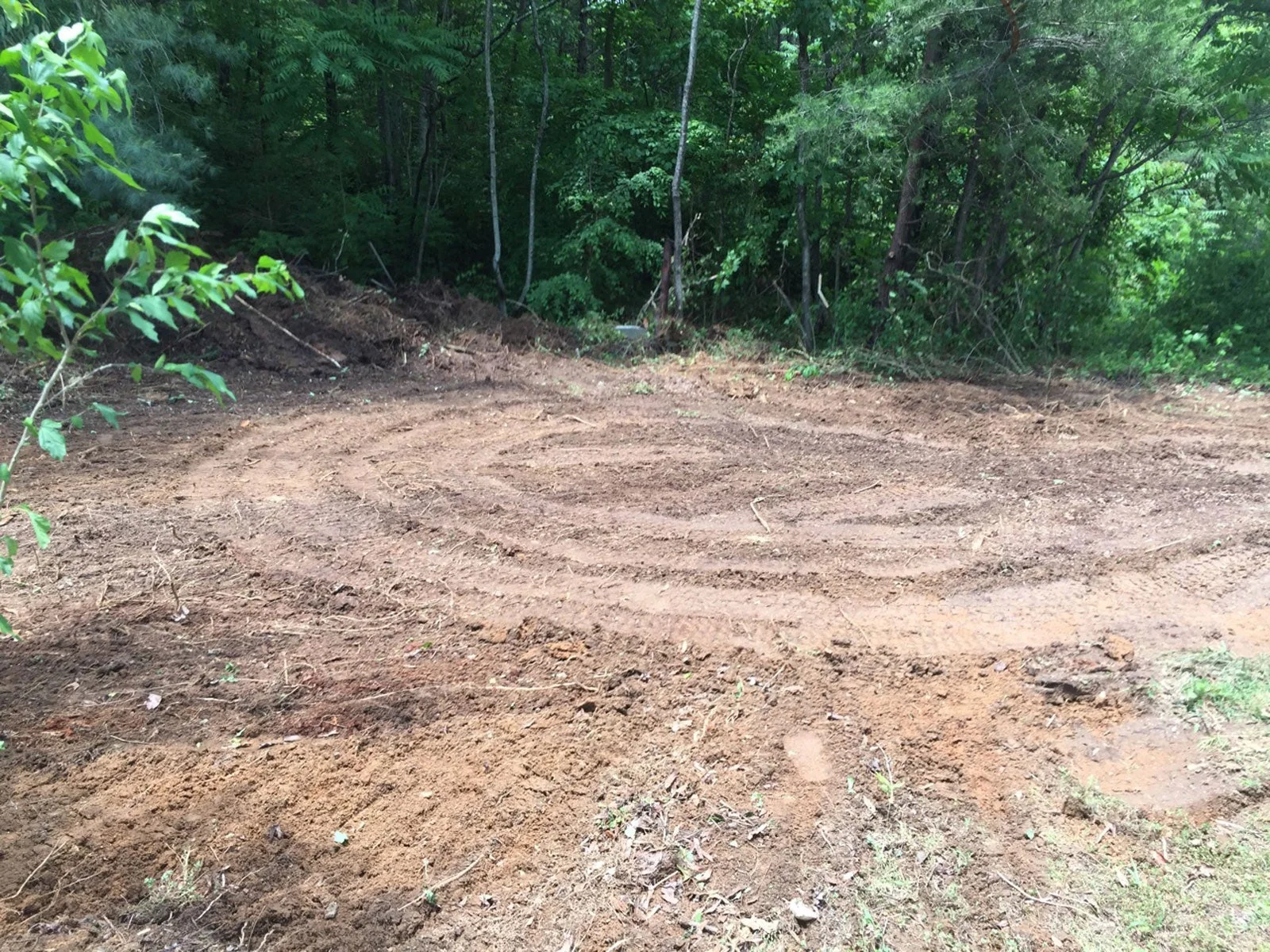
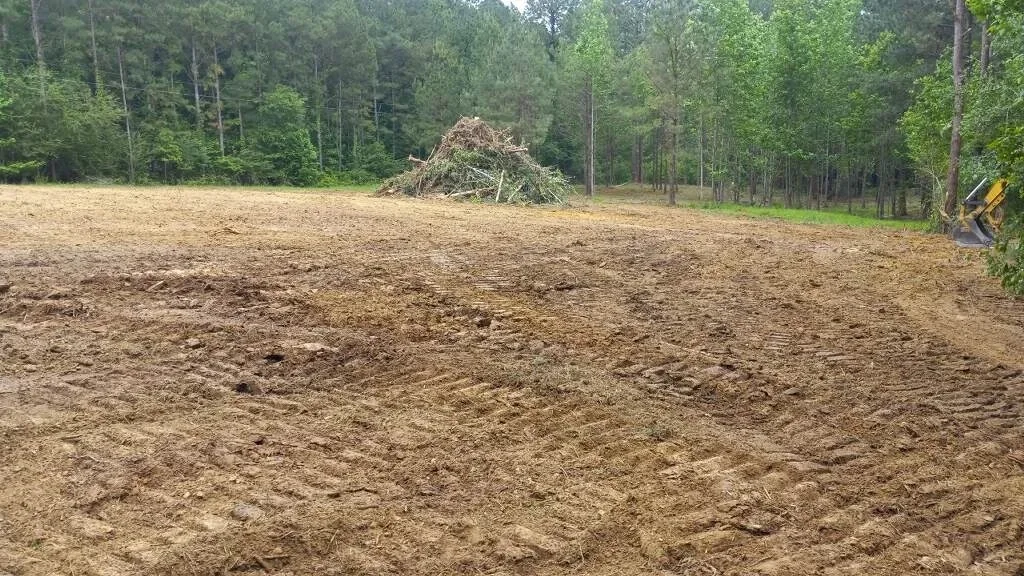
Black Mountain driveways fail on a schedule, and the schedule starts with a rain. A typical repair runs like this: walk the drive on a dry day and mark every place water is currently leaving the road prism; cut the flow off uphill first, usually with a shallow swale or a regraded crown; pull the loose stone and silt out of the ruts and wash channels; re-shape the subgrade with a box blade or mini excavator so the water has somewhere to go that isn't straight down; compact in lifts; then lay fresh crushed stone and crown it so the surface sheds. Ditching and a culvert, when the water has to go under the drive instead of around it, add most of a day. Engineered drainage on a steep grade adds a site visit and a design before anyone touches the ground.
Time budget honestly: a small regrade is a half day to a day. A washout with new stone is one to two days. A ditching-and-culvert job is two to three days. A steep-grade engineered fix is three to five days plus the gap for the design. In the Black Mountain area, the biggest schedule variable isn't labor, it's ground condition — mountain clay under a drive can be too soft to compact days after rain, and rushing that step is why the same ruts come back next spring.
Why so many drives here fail in the first place
Black Mountain is a town built on grades. Drives climb off the street at angles flatland contractors never see, cut through clay and weathered rock, and drain onto downhill neighbors who notice. Add the county's storm record — 19 declared federal events touch this area (1973-2026), overwhelmingly storm and flood family — and you have drives that take a disproportionate amount of water in a short window. That's why a fix that ignores the drainage path uphill fails by the next wet season regardless of how much stone was dumped on it.
The tells worth acting on: a channel cut along one edge of the drive after every storm, stone pushed into a fan at the bottom of the slope, a low spot that holds water days after rain stops, ruts that a car bottom scrapes on, and soft spots over a culvert. Any of those turning up once is weather; turning up every storm is the drive telling you its shape is wrong, not its stone. The National Weather Service keeping this region's flash-flood history on record is not academic here — it is the design load.
The Black Mountain price picture, by scope
Driveway work prices off scope and slope, not square footage, which is why two drives of the same length can land a thousand dollars apart. Buncombe County sits on the working regional numbers — see the Buncombe County grading cost table for the full line-item breakdown, and treat any bid that doesn't separate water control from aggregate as incomplete rather than cheap.
| Scope | Typical range | What drives the number |
|---|---|---|
| Regrade an existing gravel drive | $350 – $1,200 | Length, how badly the crown is gone, whether new stone is needed |
| Washout repair, regrade + fresh stone | $400 – $1,500 | Volume of stone lost, depth of ruts, compaction time |
| Washout repair with ditching and culvert | $800 – $2,800 | Culvert diameter and length, ditch run, inlet and outlet protection |
| Engineered drainage on a steep grade | $2,500 – $6,500 | Grade percentage, design and inspection, structural drainage detail |
Notice what is not on that list: a number for "driveway repair" as such. There isn't one. Any phone quote that lands before the slope and the water path are understood is a guess wearing a price tag.
Water first, stone second — the order that keeps a repair repaired
The single most common expensive mistake in this trade is buying stone to fix a drainage problem. Stone raises the roadbed; it does not change where water goes. On a Black Mountain drive, the first money spent should go to cutting the uphill flow off the road prism, then getting the water that lands on the drive into a defined channel, then getting it under or around the drive without scouring anything out. Only after that does new aggregate do what it is supposed to do.
Two reference points worth knowing before you hire: any project that alters drainage or does substantial grading may cross permitting lines, and North Carolina's rules for who may take on a job live with the NC Licensing Board for General Contractors. Separately, the EPA publishes stormwater guidance that matters on any job where runoff crosses a property line or reaches a creek — common on these hillsides. Ask a contractor how they plan to keep sediment out of the neighbor's yard and out of the creek, and you will learn a lot about how the rest of the job will go.
Hiring a crew that has actually worked a grade
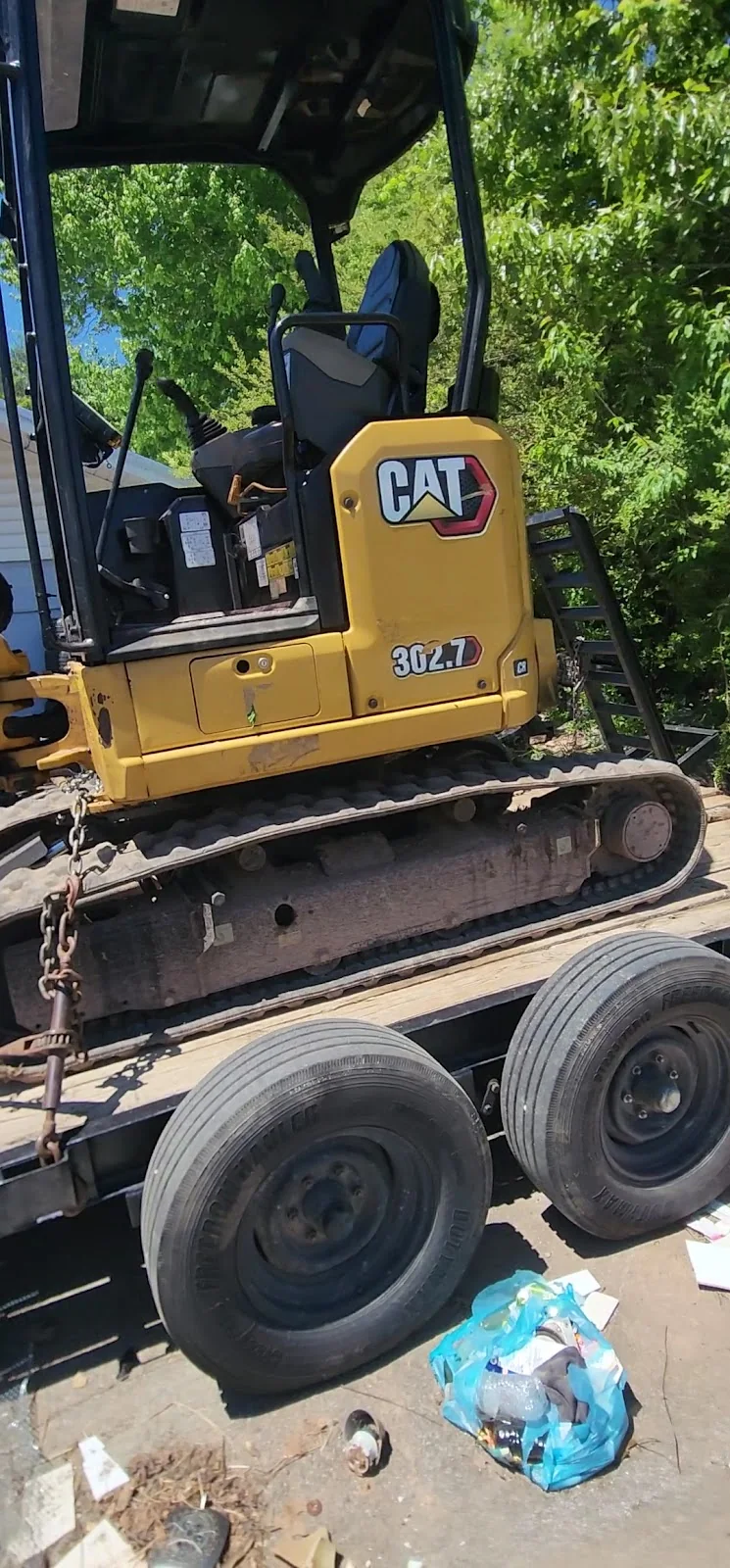
Three checks that separate local crews from drive-by operators. First, ask how they sequence water control versus stone, and expect the answer to put water first. Second, ask what equipment shows up — a box blade alone will not compact a mountain-clay subgrade, and a skip loader alone will not cut a proper swale. Third, ask what happens if the drive ruts again in the first wet season, and get the answer in writing. The Black Mountain grading contractor guide walks through the vetting line by line, and the driveway grading and gravel overview explains what a proper gravel section looks like from subgrade up so you can judge what you're being sold. When you're ready for someone to walk it in person, use the form on this page and flag whether the drive is currently passable — assessment scheduling is easier with that answered up front.