How a Hendersonville leveling job actually runs, day by day
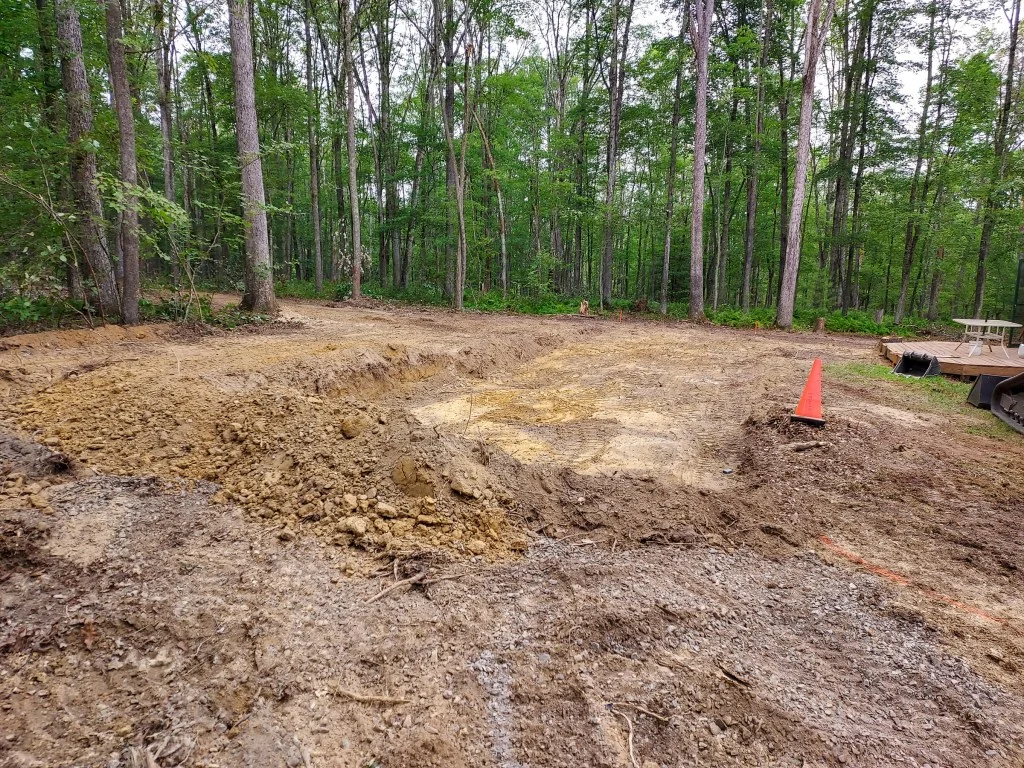
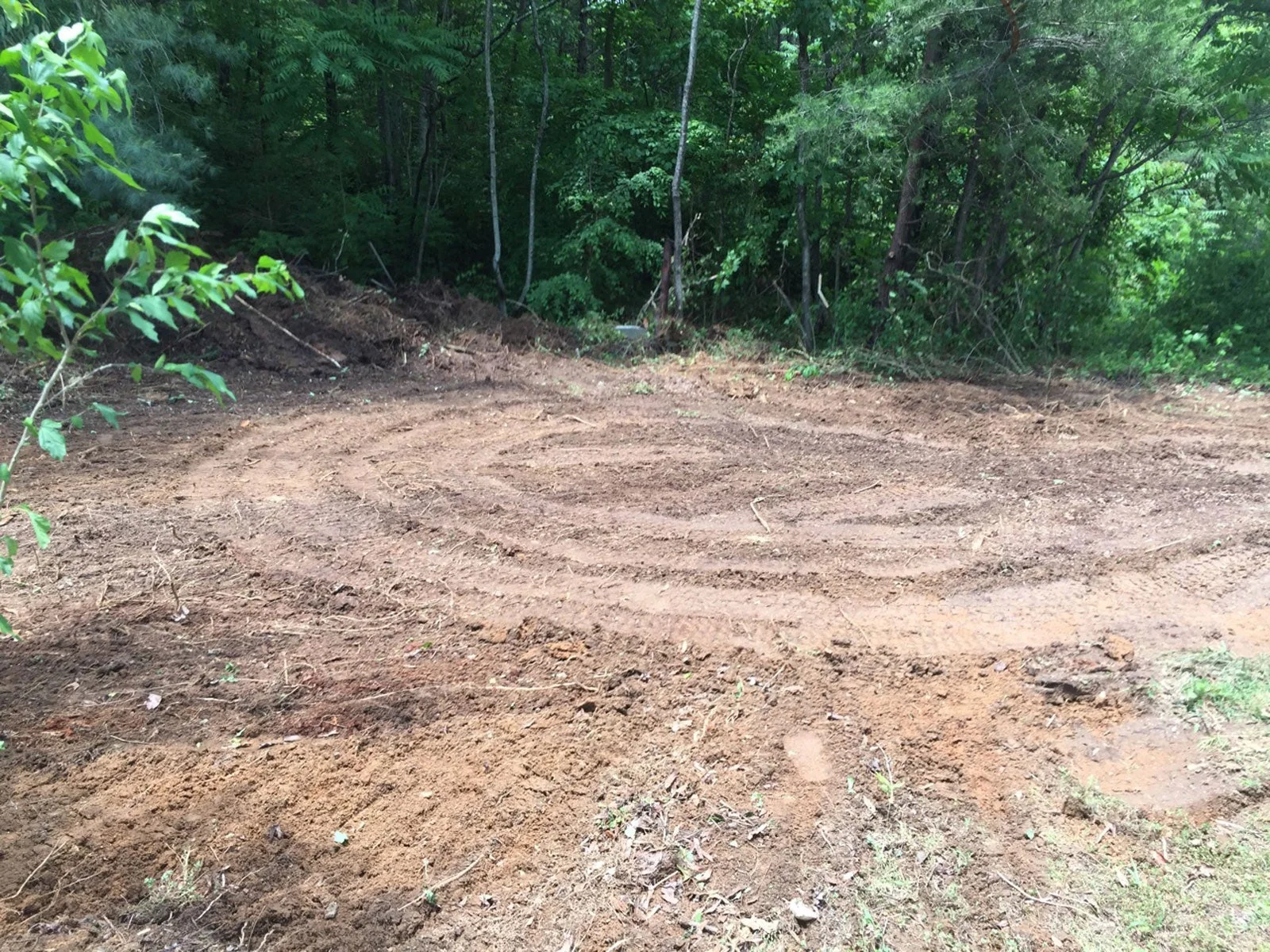
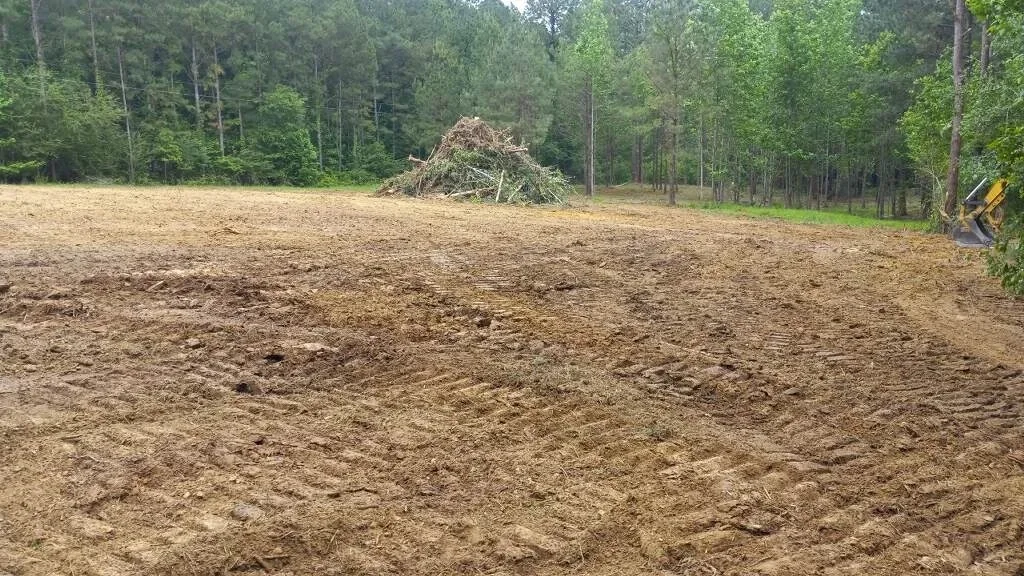
On most Hendersonville lots the work is not one operation but a short sequence, and the sequence is what determines the price more than the square footage does. Day one is markings and protection: utility locate requests, stakes at the target finish grade, silt fence and plywood over anything the machine will cross. Day two is the cut, where the high side comes down and the low side gets fill in lifts. If drainage is in scope, day three is trench and pipe, then compaction passes with a plate or roller until the grade holds underfoot. Day four is topsoil and seed, and a firm answer about how the surface will settle after the first hard rain.
Understanding that order matters before you compare bids, because a quote that skips drainage or compaction is not a cheaper version of the same job — it is a shorter one, and Henderson County ground will finish it for you. A yard in a neighborhood like Druid Hills, graded decades ago against a different drainage pattern, usually needs the drainage line item that flatland quotes never show. Skip it and the low corner refills within two seasons.
The sequence also tells you what to watch. If a crew starts cutting before the stakes are set, the finish grade is being made up as they go. If the fill goes in one thick pass instead of lifts, it will settle unevenly and the low spot returns. If the trench is dug after the final grade is raked, the pipe is an afterthought rather than part of the plan. The order of operations is the quality control, and it costs nothing to ask a bidder to walk you through theirs.
What moves a Hendersonville yard from the middle of the band to the top
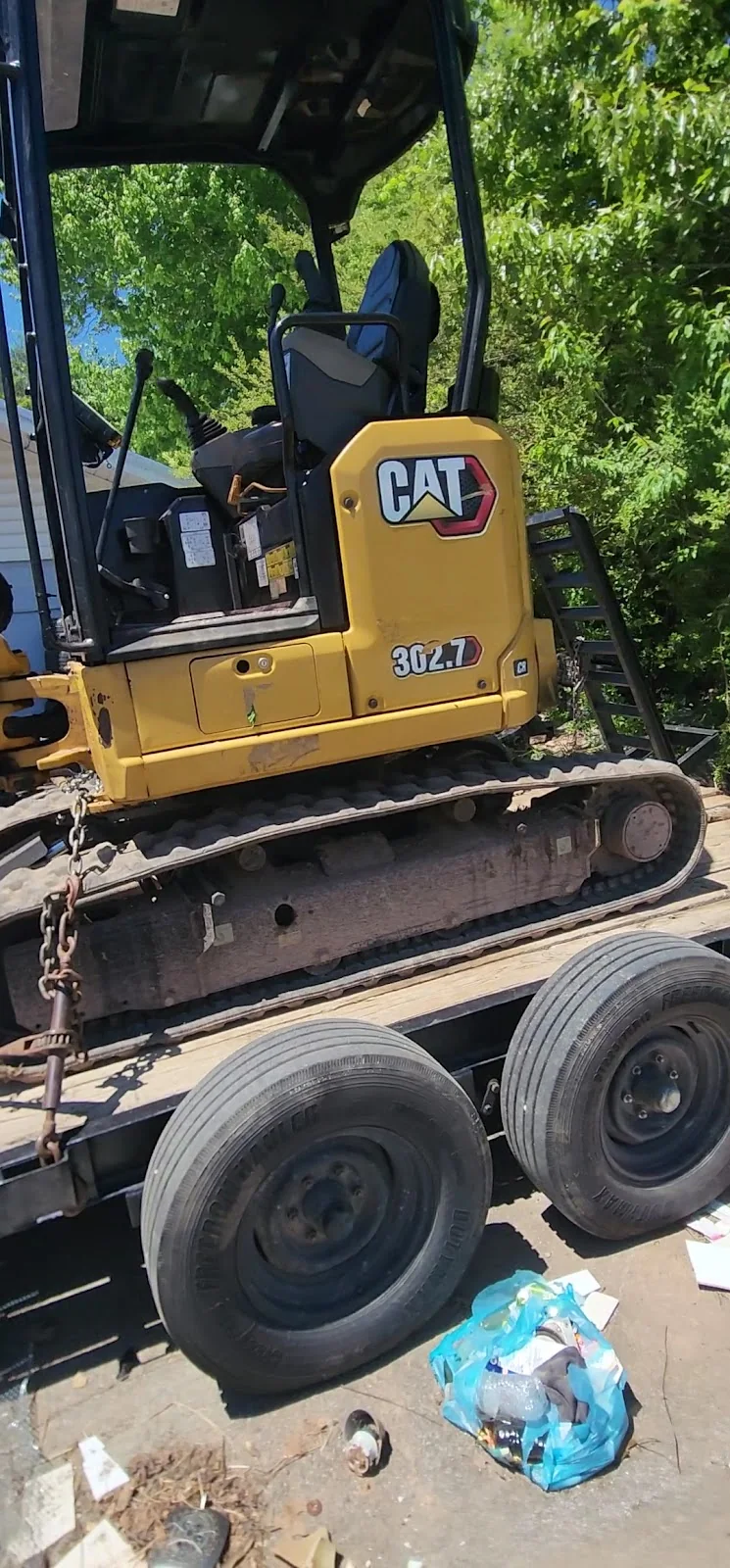
Terrain and access. A level lot with a gate wide enough for a compact track loader lands near the bottom. A back yard on a grade that climbs away from the house, reachable only through a fence gap or across a driveway the owner cares about, pushes the job toward the top of what leveling costs, because every load has to be carried farther and slower. Slope itself is the other driver: cutting a usable flat pad into a hillside means moving enough dirt that the material balance stops working and fill has to be imported.
| Scope | Typical range |
|---|---|
| Touch-up leveling, small flat yard, no drainage | $1,800–$2,500 |
| Standard regrade with topsoil and seed | $2,500–$4,000 |
| Regrade plus surface drainage and swale | $4,000–$6,000 |
| Sloped or tight-access lot, fill imported | $6,000–$9,500 |
Drainage inclusion is the single line that splits those rows. Federal disaster records show 16 declared events touching this county across 1978-2026, and the overwhelming share of them were water events. That history is why a graded yard here that ignores where the water goes tends to come back as a foundation conversation.
Two more local factors nudge the number. Hendersonville sits in a transition zone where red clay meets rock, and a cut that hits shallow bedrock can stall a machine for an afternoon while the operator works around it. And the older in-town neighborhoods were platted when lots were smaller and driveways were narrower, so a machine that fits through a modern subdivision gate may not fit through a 1970s carport opening. Measure your narrowest access point before you ask for a quote; it is the question every good estimator asks first, and having the answer ready moves the conversation straight to price instead of a return visit.
Why the finish grade has to point somewhere specific
Yard leveling and regrading is only half the job; the other half is deciding where the water exits. The general rule is a fall of roughly six inches in the first ten feet away from the structure, then a positive path to a daylight point or a storm inlet. Anything less leaves the soil against the wall saturated, and saturated soil against a foundation is how basements and crawl spaces get wet.
The relevant standard is grading and drainage around the foundation, treated as a requirement rather than an upgrade; the International Code Council publishes the residential provisions most local enforcement adopts. Site drainage work also stirs up dirt and sediment, and the EPA maintains the stormwater guidance behind the silt-fence-and-straw rules most municipalities enforce on exactly this kind of excavation.
If the project involves reshaping a stream-adjacent or steep-slope area, the scope may cross into work that needs a licensed general contractor; the NC Licensing Board for General Contractors sets the dollar threshold and the rules. Ask any bidder how they handle the permit question on a project this size. A vague answer is a warning.
On the ground, pointing the grade somewhere specific is harder than it sounds in Hendersonville because so many lots slope toward the house rather than away from it. On a lot that falls from the street to the back door, the 'away from the structure' rule and the natural slope fight each other, and the honest answer is a combination: a shallow swale on the uphill side to intercept surface flow, a positive fall on the downhill side, and a daylight point that actually has somewhere to go. A crew that only pushes dirt around without answering the question of where the water ends up has not finished the job, no matter how flat the yard looks.
The site visit, the flags, and the two-hour window
Precision is the part of the job homeowners remember. Nine times out of ten, a crew that stakes the finish grade first and flags the utilities, the irrigation heads, and the septic field before the machine rolls saves a landscape. Confirm three things in writing before work starts: what the target finished grade is expressed as a number and not as "level," what happens to any existing plantings inside the work area, and whether compaction testing is included.
The site visit is also where access gets proven rather than assumed. A walk-through should include the gate width, the turning radius into the work area, and whether the machine can dump spoil where a truck can reach it or has to stockpile on site. On a tight Hendersonville back yard, the difference between hauling spoils out and leaving them in a graded berm can be several thousand dollars, and it is decided at the walk-through, not on the day the machine arrives.
Schedule matters too. Cut bare soil in the fall and seed, and you usually get germination before winter; cut in the middle of a dry July and you are watering twice a day just to hold what you graded. If your timeline is flexible, ask the contractor which window gives the finish the best odds. A good crew will have an opinion. Local weather swings between wet springs and dry late summers, and the National Weather Service forecast for the week of the cut is worth checking before you lock a date, because a rain event on freshly cut clay turns the finish grade into a mud wallow that has to dry before it can be worked again.
Matching scope to what you actually need
Not every yard needs the full sequence, and paying for a four-day job when a two-day one solves the problem is a common mistake. A single low spot that holds water after rain is a scalping and fill job, not a regrade. A yard that sheds water toward the foundation but is otherwise level needs the drainage work more than it needs dirt moved. A yard being prepared for a shed, a patio, or a play structure needs the grade right for that specific use, which may mean a smaller flat pad rather than leveling the whole lot.
The yard leveling overview walks through how those scopes differ, and the Henderson County grading cost table breaks the price ranges down by line item so you can see what each addition actually adds. If you would rather start with who does the work, the Hendersonville grading contractors guide covers what to look for and what to ask. Whichever way you come at it, get the scope stated in writing before the machine shows up, because a verbal 'we'll fix the low corner too' has a way of becoming a change order once the dirt is already moving.