Red clay, shallow rock, old fill: the three soils of Biltmore Forest
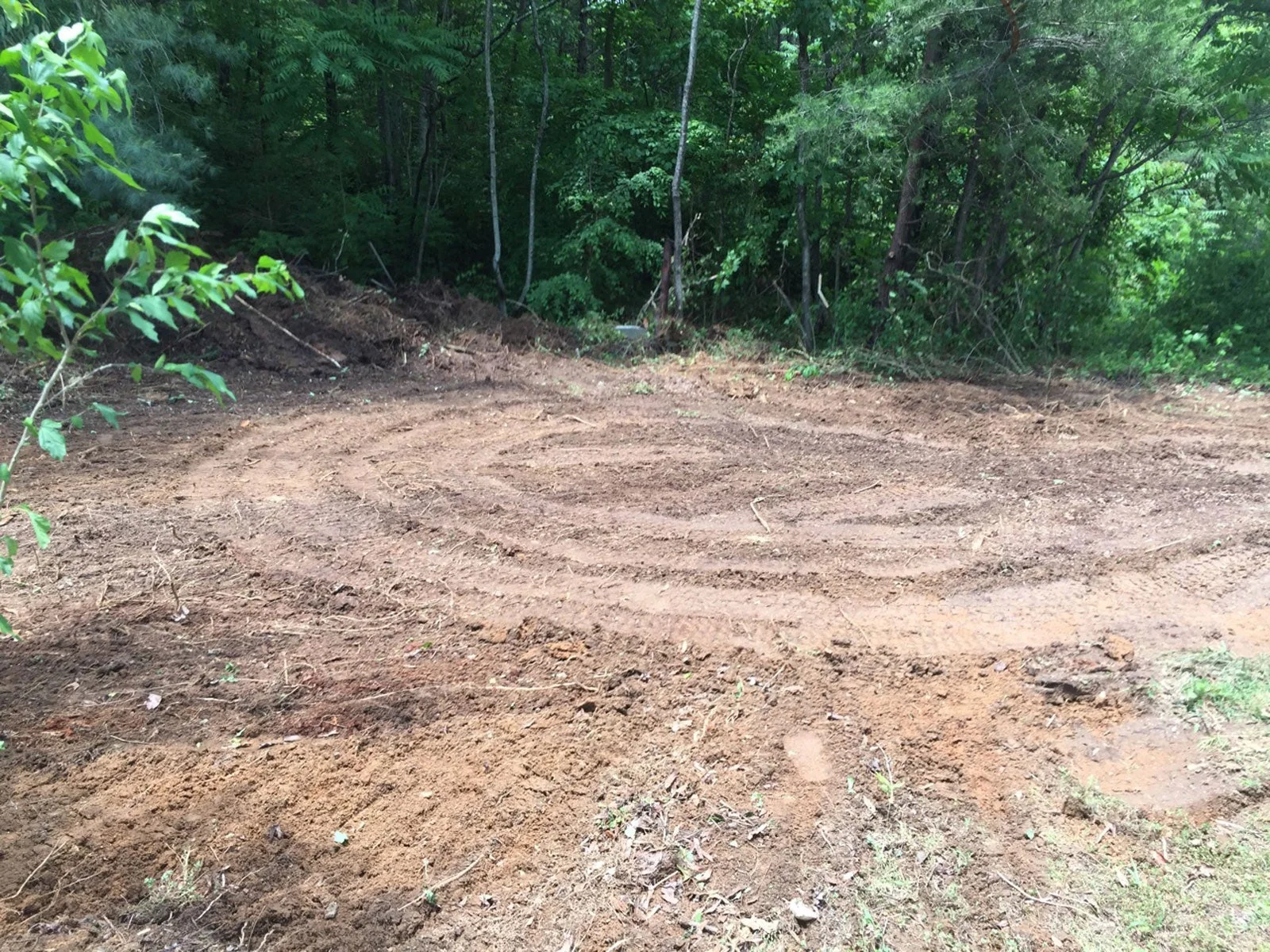
The Village of Biltmore Forest sits on ground that was never ordinary — estate lots cut into the ridges south of Asheville, some graded a century ago, most of them layered with the same red clay that runs across Buncombe County. That clay is the first thing any honest drainage contractor has to talk about. It absorbs water slowly, holds it long after the rain stops, and pushes it sideways into the nearest low spot, which is usually somebody's foundation.
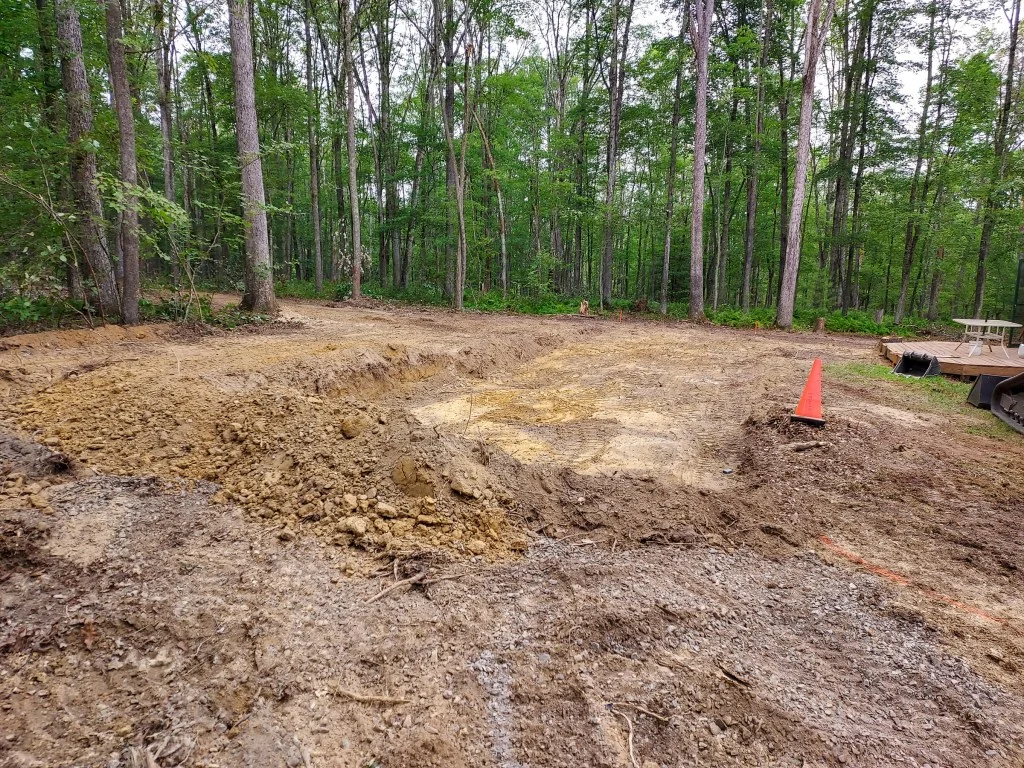
Under the clay, it gets more local. Many lots here hit rock shallow enough that a trencher won't cut a straight line — crews either chase the seam or bench the trench and bring the pipe up earlier than the grade book says. And the oldest estate sections sit on fill that was placed before modern compaction standards existed. Fill doesn't drain like native soil. It perches water, settles unevenly, and turns a simple French drain layout into a question about where the water is actually going versus where the slope says it should.
The practical result: a drainage contractor in Biltmore Forest NC spends the first visit reading soil, not quoting pipe. Any bid that arrives before that reading is a guess.
What water actually does on a Biltmore Forest lot
The village's storm record is Buncombe County's storm record — 19 federally declared events touch this county across 1973-2026, and the overwhelming majority fall in the storm and flood family. Every one of those events put water against ground that was graded for a drier assumption.
On these lots, the failure pattern repeats. A downspout discharges six feet from the foundation and the clay carries it back. A driveway cut into the ridge acts as a chute for the uphill acre. A retaining wall that was fine for thirty years starts weeping at the base after a wet spring. None of that is exotic. It's just what shallow rock and slow-draining clay do when runoff has nowhere to sheet.
Before selling pipe, the right question is where the water originates. Gutters, grade, and the neighbor uphill usually matter more than the trench itself. The NC Office of State Fire Marshal code enforcement side of things treats site drainage as a plan-review item for a reason — it's structural, not cosmetic.
Scope and price ranges for Biltmore Forest drainage work
Ranges below reflect typical Buncombe County pricing for lots with clay, shallow rock, or old fill — all three common here. The Buncombe County grading cost table covers the earthwork side in more line-item detail.
| Scope | Typical price range | What drives it |
|---|---|---|
| Surface grading and swale correction | $1,800-$5,500 | Yard size, haul-off, how much rock is in the cut |
| Downspout and gutter extensions | $400-$1,800 | Run length, discharge point, whether a drywell is needed |
| French drain, single run | $3,200-$8,500 | Trench length, depth to rock, outlet or drywell |
| French drain, multi-run with collection | $7,500-$14,500 | Number of laterals, catch basins, discharge grade |
| Drywell or infiltration bed | $2,400-$6,800 | Storage volume, excavation through clay or rock |
| Retaining wall drainage retrofit | $1,500-$5,200 | Wall height, footing access, weep system design |
| Full-lot water management plan with engineered outlet | $12,000-$28,000+ | Engineering, rock excavation, permits, outlet to storm system |
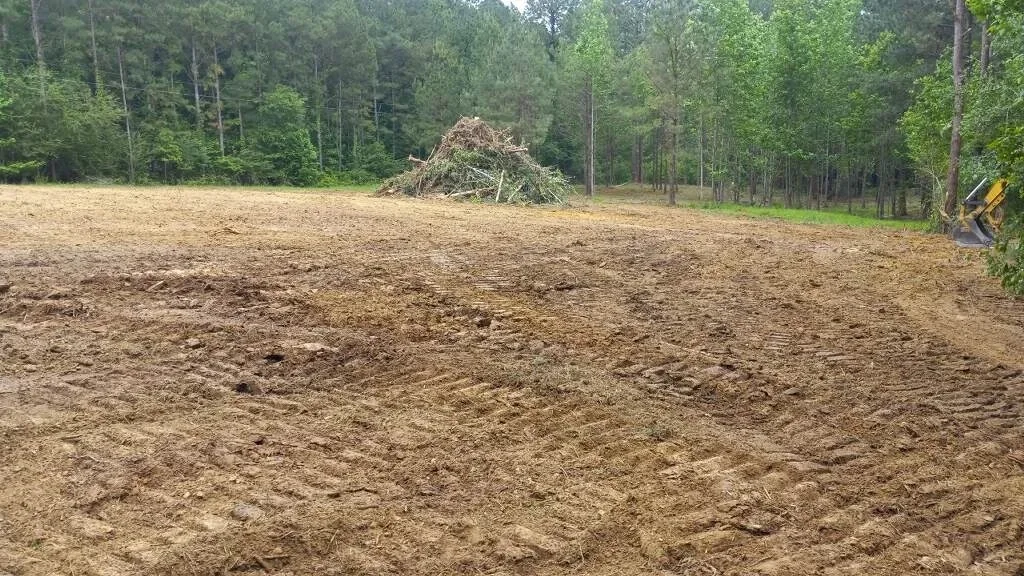
Rock changes everything. A trench that cuts clean through clay in a day can take three when the tooth hits shallow rock, and that's before haul-off. Treat any bid without a rock clause as incomplete rather than cheap.
When the job crosses into permits and licensing
Most yard drainage on a single residential lot in Buncombe County is maintenance work. But once a project changes grade, moves enough earth, touches a retaining structure over a height threshold, or discharges to a storm system, it crosses into permit territory. The NC Licensing Board for General Contractors sets the threshold where a contractor must hold a license — and in a village of estate lots where retaining walls and regrading are common, projects cross it more often than homeowners expect.
Runoff that leaves your property and enters a stream or wetland can also pull in state and federal rules. The U.S. Environmental Protection Agency maintains the stormwater and discharge framework that state and local programs build on, so if your outlet discharges off-site, expect a conversation about it. The drainage and erosion control guide walks through what each project type typically triggers.
Choosing a crew for this terrain
Three checks specific to Biltmore Forest. First, ask what they do when the trencher hits rock — a crew that only quotes clay work will either change-order you or cut corners. Second, ask whether they've worked fill lots from the village's early estate sections; the water behavior is different and the fix is different. Third, ask how they sequence grade, gutters, and subsurface pipe, because doing subsurface first and regrading after usually means digging twice.
References matter more here than in flatland markets because the soils are unforgiving. A drain that runs fine in sandy ground can silt in within two seasons in red clay if it's built without the right filter fabric and slope. Our Biltmore Forest grading contractors page covers the earthwork side of the same conversation.