The order a grading job actually runs in Clyde
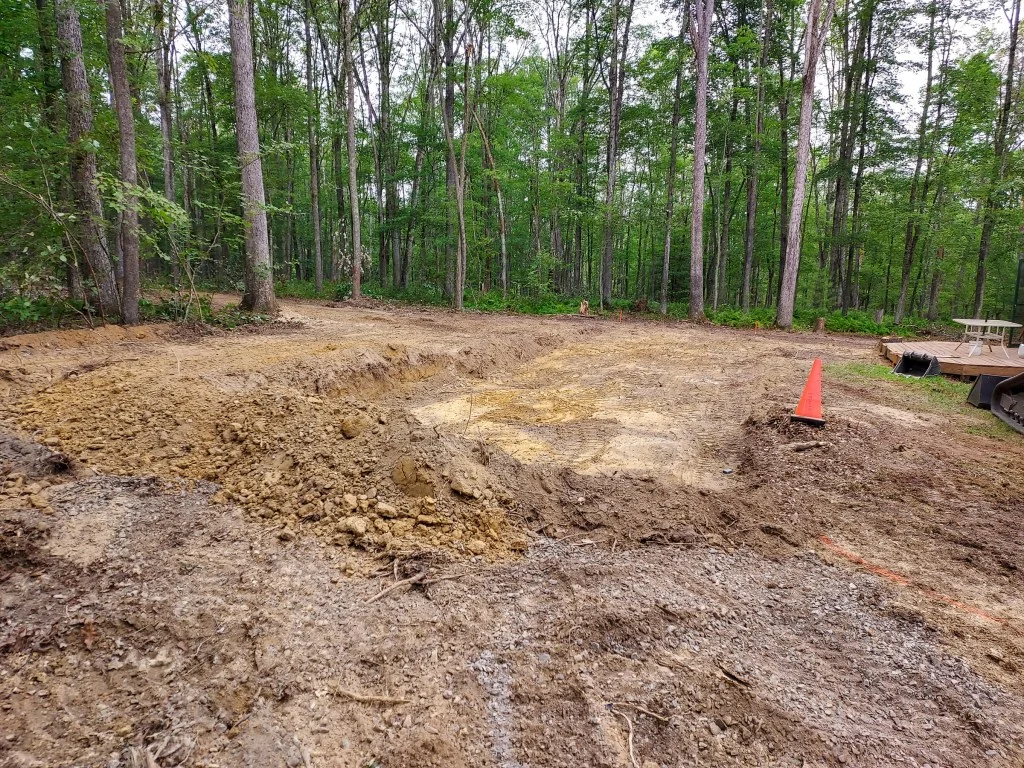
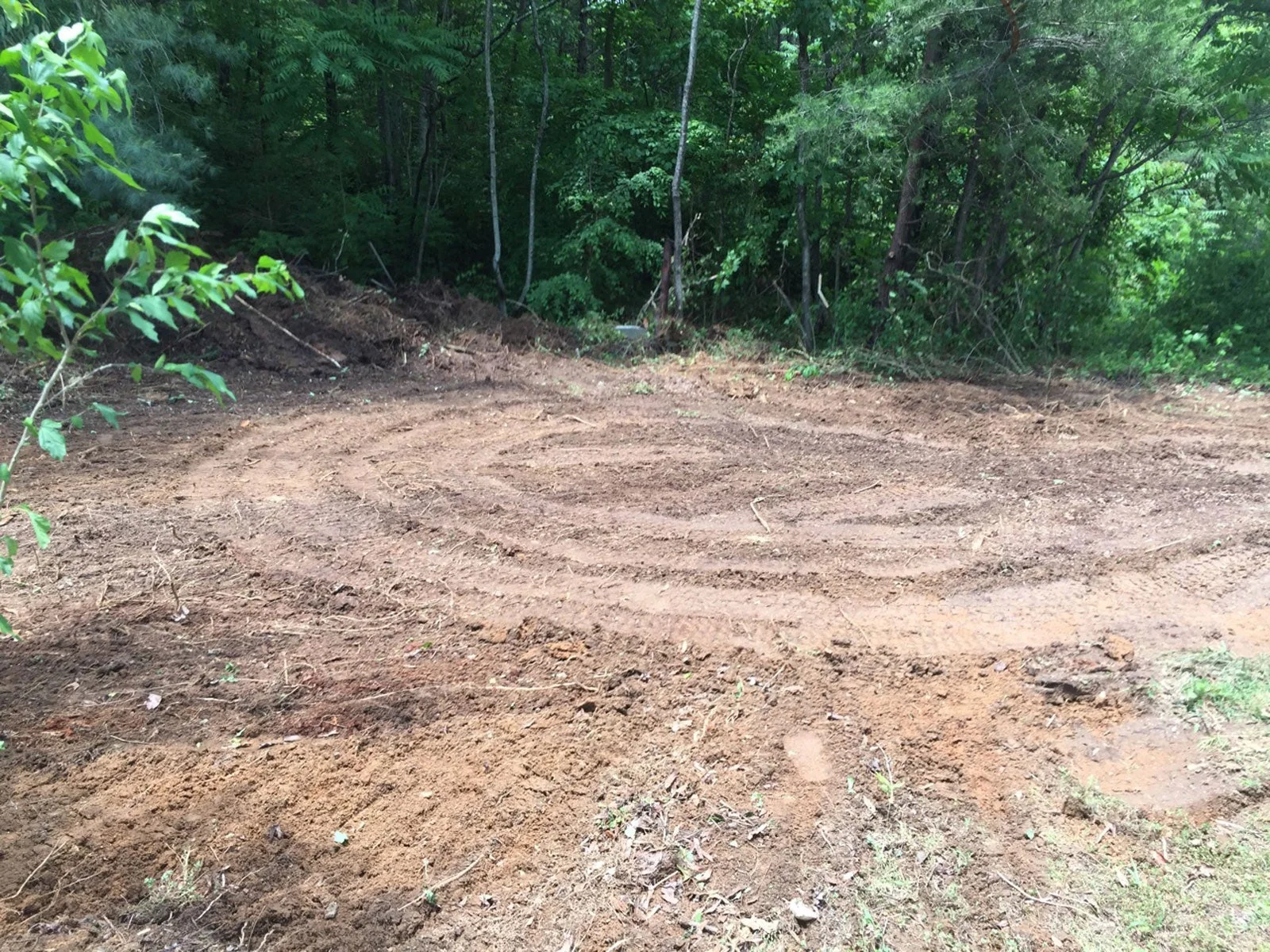
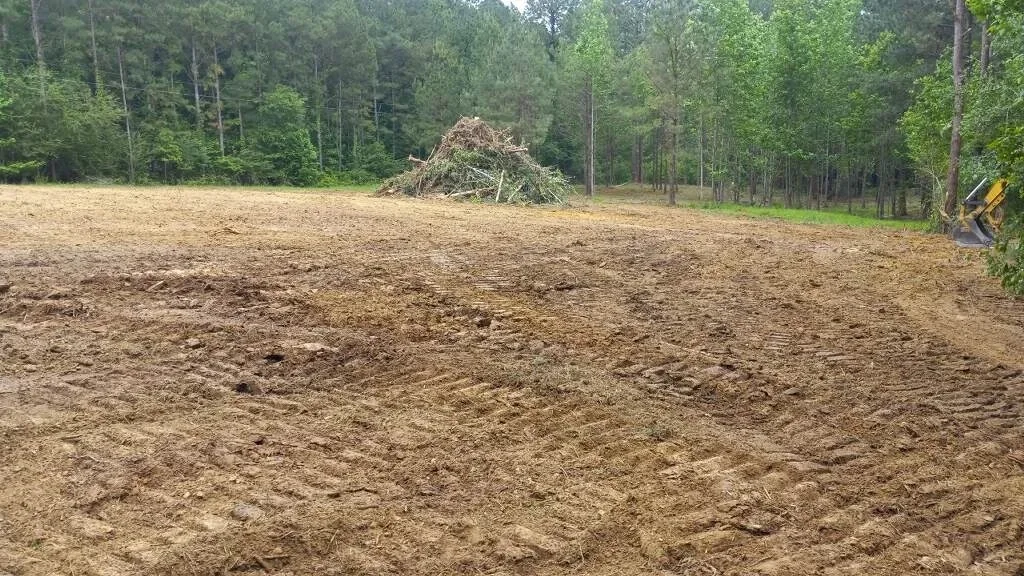
On flat ground, grading looks like one task. On Clyde ground it is five, and they happen in a fixed order or the job goes wrong. First the crew confirms what is underground: utility locates, septic field and well setbacks, any buried line to the house. Second is clearing the working footprint of brush, stumps, and the tops of trees. Third is removing the stumps and grubbing the root mat, because topsoil left on top of a cut will settle for a decade. Fourth is the cut and fill that establishes the pad. Fifth, and the one that determines whether the pad survives a wet spring, is the finish grade that sends water away from the building and toward a legal outfall.
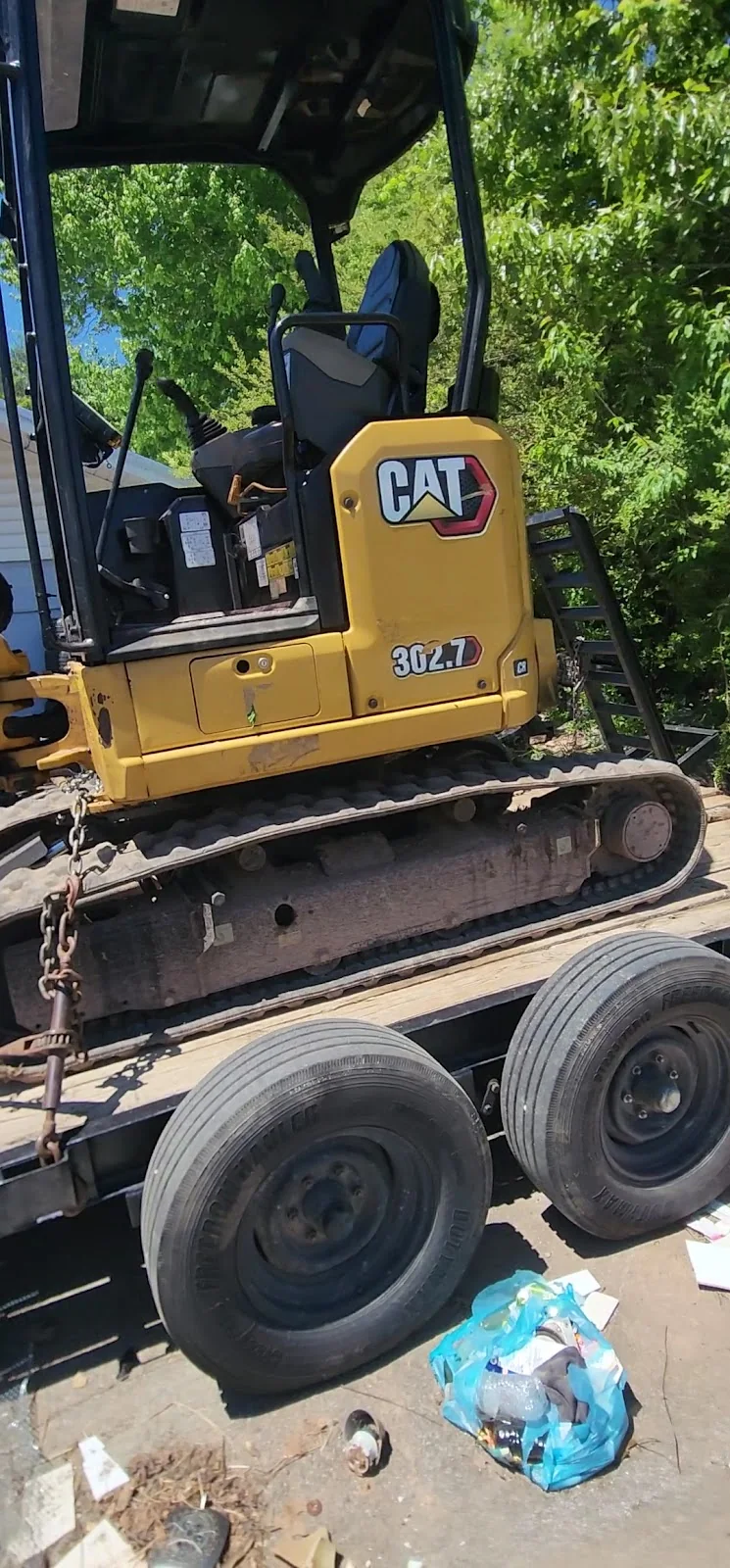
How long that takes in Clyde depends less on square footage than on how much rock the hillside wants to give up. A gentle lot near the valley floor can go from a bare machine to a finished pad in two to four days. A graded site up a side road off the Highway 209 corridor, where the slope is steeper and the cut hits decomposed rock or solid ledge, is a week of machine time or more before any gravel goes down. Anyone quoting you a number without walking the slope first is quoting a lot somewhere else.
What Haywood County dirt does to a schedule
Clyde sits in the Pigeon River valley, with the town itself on gentler ground and everything behind it climbing fast toward the Pisgah ridgelines and the Blue Ridge front. That split drives the pricing and the calendar. A house site on the valley floor is a drainage job — grade to a swale or a daylight, keep water off the foundation, get the lot to shed. A house site on a cut into a hillside is a retaining-and-control job, where an uphill cut bank, a fill slope below the pad, and a driveway that has to hold a loaded truck all need to be planned before the first bucket of dirt moves.
Haywood's wet seasons matter here more than most of the state. The federal disaster record reflects it: 19 declared events reach this county across 1973-2026, heavily weighted toward storm and flood categories. That history is the argument for over-building the drainage on a new grade rather than under-building it — an extra swale and a properly compacted fill cost a fraction of what re-grading a slumped pad costs later. The National Weather Service mountain forecasts and the EPA guidance on stormwater and erosion control are both worth ten minutes if you're grading near a creek or a steep bank.
Grading scope and cost ranges for a Clyde lot
These ranges track the county-wide picture in the full Haywood County grading cost breakdown. Per-job pricing moves with access, haul distance, and how much rock shows up, so treat the table as a starting frame, not a bid.
| Scope | Typical range | What drives it |
|---|---|---|
| Light regrade of an existing yard or driveway | $1,200 – $2,400 | Square footage, spoil removal, whether a machine can reach it |
| House pad cut and fill on a gentle lot | $2,000 – $3,800 | Cut depth, fill volume, compaction passes |
| Full lot grade with drainage and outfall | $3,200 – $5,500 | Swales, culverts, daylight points, haul-off of excess dirt |
| Steep site with rock or deep fill | $5,500 – $8,000+ | Rock breaking or blasting, engineered fill, retaining |
Haul-off is the quiet budget killer in Clyde. If the lot is tight and the only way out is a steep driveway, every load of spoil costs more, and a job that looks like a full grade can price like a steep one for no other reason.
Water is the deliverable, not a nice-to-have
Ask a grading crew what they are actually selling and the honest answer is drainage. The dirt moving is the method. A finished grade that sends roof and surface water toward the wrong corner of the lot will undo itself within two seasons, and in Clyde's rainfall that means a wet crawl space, a settling pad, or a driveway that washes out at the culvert every hard storm. The sequence that prevents it: roof gutters discharging to a splash block or buried line, surface grade falling at least the code minimum away from the foundation, a swale or ditch to carry the water past the building, and a legal, stable outfall that doesn't dump onto a neighbor or into a stream buffer.
If your project touches a creek, a steep slope, or more than a small area of ground, ask about erosion control before work starts. Silt fence, inlet protection, and a stabilized construction entrance are standard on a permitted job in this county, and skipping them is how a simple grade turns into a violation and a cleanup. For any project that crosses into structure work, retaining walls bearing load, or a larger building, check the licensing threshold through the NC Licensing Board for General Contractors before you hire, and see how the full grading and excavation scope fits together on a site like yours.
Reading a Clyde grading bid so it survives the first rain
A useful bid for Clyde ground names the cut and fill volumes, the compaction method, where the spoil goes, and the outfall for the drainage. If it lists only a lump sum and a start date, it is a guess. Three questions worth asking any crew: How do you sequence water versus the pad? What happens if you hit rock — is that an allowance or a change order? And who is inspecting the compaction before the gravel goes down? The answers separate the crews that build a lot that lasts from the ones that leave you a pad and a promise.