Red clay, rock, and old fill: what Clyde yards are actually made of
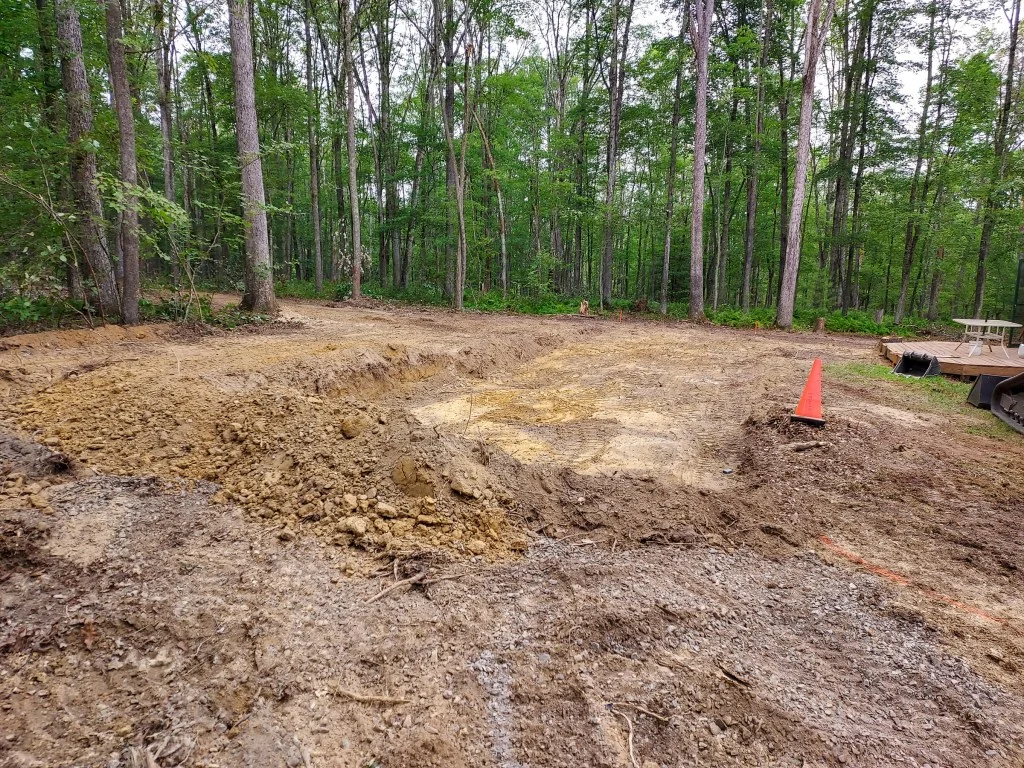
Dig into a yard in Clyde and you rarely find clean topsoil. This side of Haywood County sits on weathered red clay that holds water like a cup, with rock and remnant fill from old house pads, driveways, and farm terraces mixed through it. That mix dictates the entire job. Red clay won't drain until it's crowned and shaped; rock won't let a box blade cut until it's ripped or removed; and old fill settles unevenly for years, which is why the low spot keeps coming back no matter how many times someone dumps a load of dirt on it.
Town lots near the river bottoms off Carolina Boulevard tend to be flatter but wetter, while the roads climbing toward the county line give you slope plus rock plus fill all in one yard. A crew that reads the ground before quoting will price three different yards on the same street differently. A crew that quotes by square footage alone is guessing.
The clay itself is the biggest variable. It swells when wet and shrinks when dry, so a yard that looks flat in August can be a different shape by February. Any leveling that treats the surface as fixed will lose that argument with the soil. The work that lasts shapes the clay to shed water and then builds a stable layer on top instead of chasing the low spot with loose fill every few years.
Rock is the second variable. In Clyde it tends to show up as scattered fieldstone and broken ledge rather than a solid shelf, which means a machine can sometimes peel it back and sometimes has to rip it. That distinction changes machine time and whether rock has to leave the property. Old fill is the third variable, and the quietest one, because it looks like dirt until it moves under a tire.
What gets done, and what each scope costs
"Leveling" is really four different jobs wearing one word. The table below breaks out common scopes and realistic Haywood County pricing. For a fuller line-item view, see the grading cost breakdown for Haywood County.
| Scope | Typical range | What drives the price |
|---|---|---|
| Spot leveling & topsoil dress-up | $1,800–$2,800 | One or two low pockets, no drainage work, easy truck access |
| Full yard regrade with positive slope away from house | $2,500–$6,000 | Yard size, how much dirt has to move, whether topsoil must be brought in |
| Clay-heavy yard with drainage correction | $4,000–$7,500 | Swales, catch basins, downspout extensions, clay that must be removed rather than spread |
| Rock or old-fill lot, tight access | $6,000–$9,500 | Ripping or hauling rock, smaller machines, more hand work against a fence or retaining wall |
Two hard truths about this list. First, the bottom two rows are the most common in Clyde, not the top. Second, every honest quote includes where excess dirt goes — clay and rock often have to leave the property, and hauling is a real line item, not padding.
A spot leveling job is usually the cheapest on paper and the most common source of disappointment, because it fixes the symptom without touching the cause. If the low corner is fed by roof water or a swale that died, it will be low again after the next big rain. The regrade scopes that fall between $2,500 and $6,000 exist because they address the shape of the whole yard rather than one divot.
Clay removal is where budgets surprise people. Some clay can be worked into the grade if it is shaped and capped with better material. Some cannot, especially when it has been compacted by years of parking or has rock mixed through it. On those lots the dirt has to be hauled off, and the cost moves toward the top of the band. That is not upselling; it is what the ground demands.
Why water, not unevenness, is usually the real complaint
Most people call about a lumpy lawn and find out what they actually have is water sitting where it shouldn't. Federal disaster records show 19 declared events touching this county across 1973-2026, and in Haywood County that record is heavily flood- and storm-driven. Ground here gets hit with heavy rain on clay that can't absorb it, and the low corner of the yard becomes a pond that creeps toward the foundation.
That's why a proper regrade is shaped, not just flattened. The National Weather Service's rainfall data for the Southern Appalachians (weather.gov) shows why: this region can take a month of rain in a weekend, and a yard with no fall has nowhere for it to go. The fix is a finish grade that drops steadily away from the house, swales that route water around the structure instead of through the crawl space, and downspouts that discharge well past the footing. Level is not the goal. Falling correctly is the goal.
Clyde sits in the Pigeon River drainage, and yards on the lower side of town can pick up water from uphill neighbors through no fault of their own. That is why a swale placed on the high side of the yard often does more good than raising the low spot. The water has to be intercepted before it spreads across the lot, and on clay it will spread fast once it stops soaking in.
Crawl space moisture is the downstream symptom most people actually care about. When the finish grade tilts back toward the house, roof water and surface water end up against the foundation, and the U.S. Department of Housing and Urban Development guidance on residential drainage exists because that pattern damages foundations and floors. Fixing the grade is cheaper than fixing what the water does to the structure after it gets in.
Reading a bid: dirt, access, and what should be in writing
Three questions separate a real scope from a load of dirt and a promise. Where does the excavated clay and rock go, and is hauling included? What finish grade are you building to, and will you show me the slope before you call it done? And if the low spot is caused by a drainage problem, what's being done about the water so this doesn't repeat next spring?
North Carolina doesn't license landscapers or grading crews the way it licenses general contractors, so verify who you're actually hiring. The NC Licensing Board for General Contractors sets the threshold where a job legally requires a licensed GC, and larger regrades with retaining structures frequently cross it. Our yard leveling overview walks through what a good scope looks like from the first walkthrough to final grade, and if you're deciding between bids, start with the Clyde grading contractors page for how to compare them fairly.
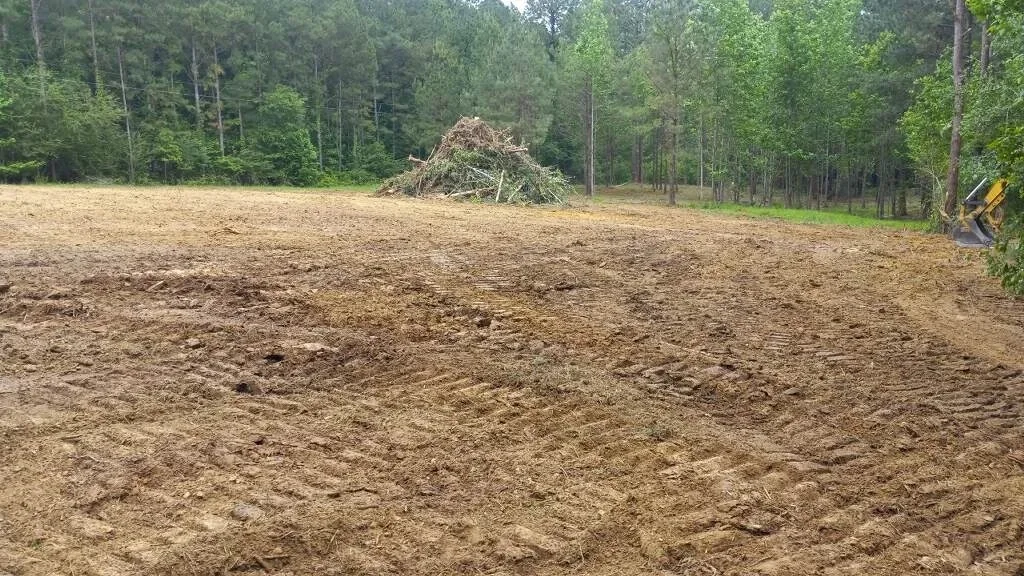
Access is the other half of the bid that homeowners underestimate. A Clyde lot with a wide gravel drive lets a full-size machine work quickly and cheaply. A lot off a narrow lane with a fence at the front, a retaining wall on one side, and a slope at the back means smaller equipment, longer machine time, and more hand work. The scope may be identical on paper and the price very different, so it pays to walk the access with the contractor before the number is written down.
A bid should also say what happens to the yard after the machines leave. Reseeding, straw, and a stabilization plan are part of the finish on clay, because bare graded clay will crust over and shed the next rain instead of absorbing it. If those items are not in the writeup, ask about them before signing.
Timing the work around Clyde's seasons
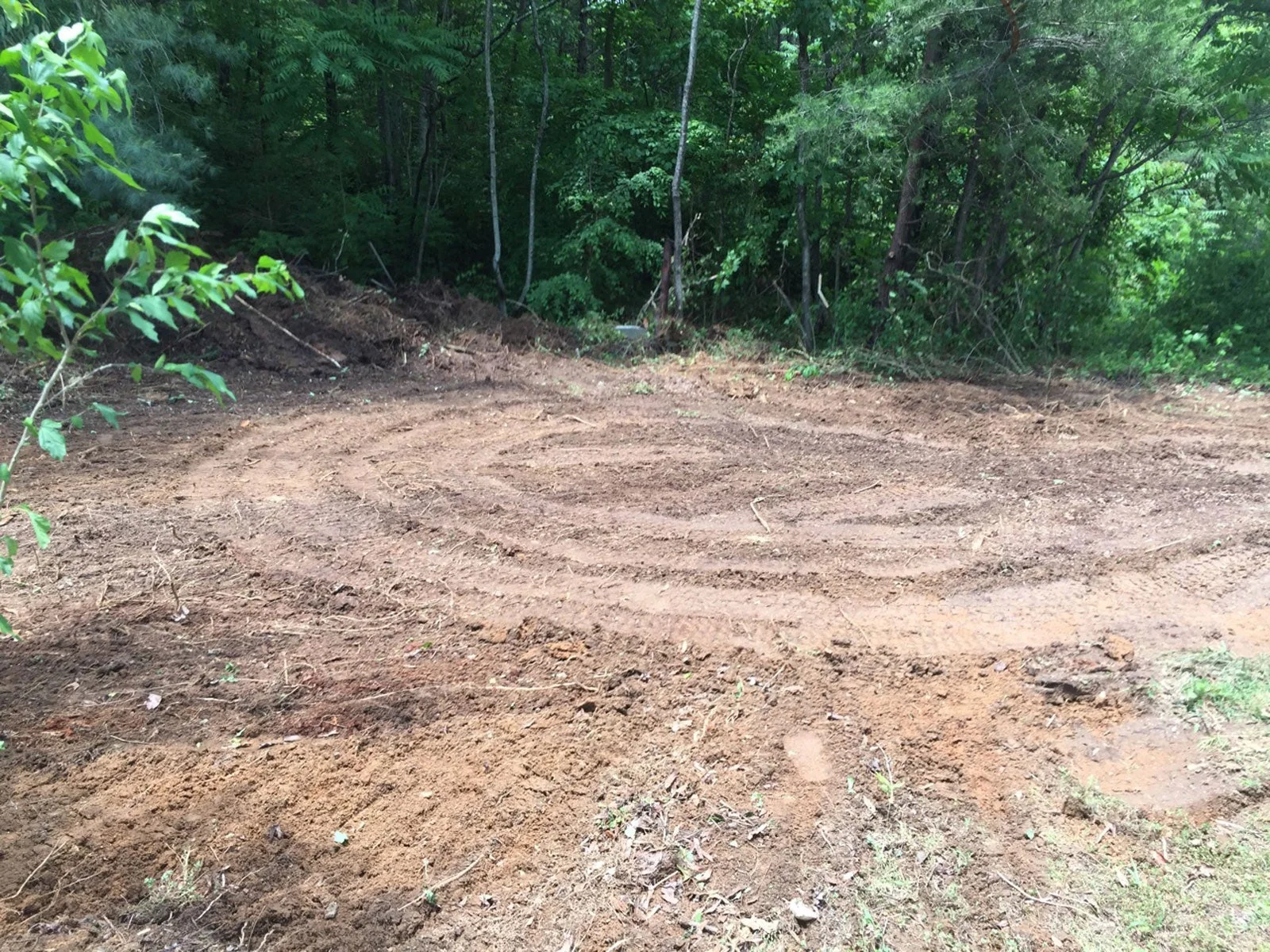
Clay tells you when it wants to be worked. Grade in a wet stretch and you smear the soil into a surface that sheds nothing and grows nothing; wait until it dries hard and you're fighting a brick. Late spring and early fall are the windows when most regrades here actually go well, and a crew that schedules around that is telling you they know the ground.
One more local note: if the yard feeds a septic field, drainage changes need to keep water moving away from it, not toward it. Route the grade with that in mind from the start, because fixing it after the fact means tearing up a finished yard.
Summer in the valley is the other constraint. Clyde can get long dry stretches that harden clay to the point a box blade skips instead of cutting, which is why some crews prefer to do the heavy shaping in spring and early summer while there is still moisture in the ground. Fall is the second window, and it has the advantage of letting seed establish before winter instead of baking through August.
Winter work is possible on the right lot but rarely ideal. The freeze-thaw cycle on clay can undo a grade that was not compacted and shaped correctly, and wet winter weather makes access worse on every unpaved drive in the county. If a job has to happen then, the scope should lean conservative and the reseeding should wait for spring.