Getting machines in and dirt out on Madison County grades
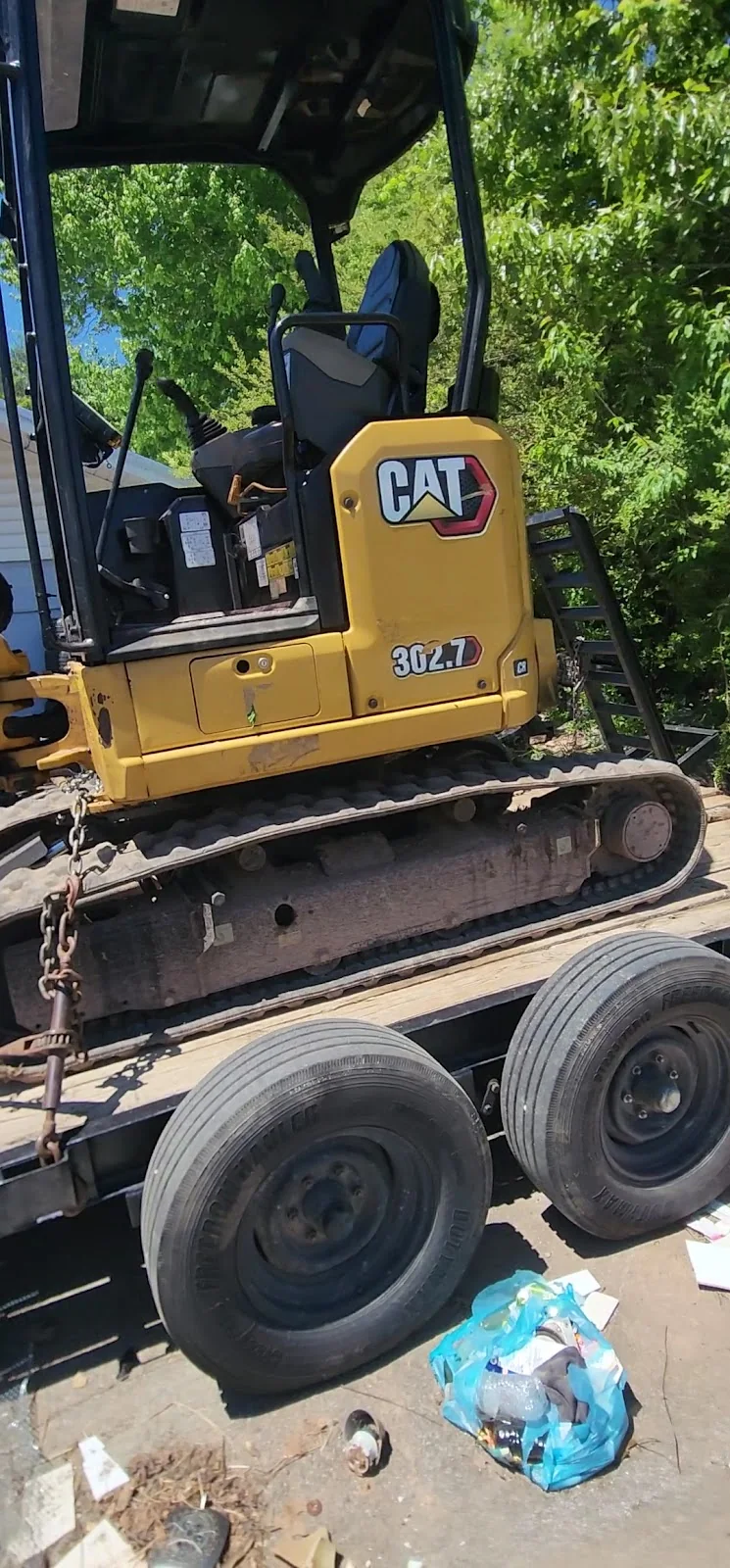
Hot Springs driveways are not access roads to a flat pad. They climb off the river bottoms, cut through hardwood, and often end at a house pad the original builder scraped into the slope. That shape dictates everything: a rubber-tired skid steer can walk a 15 percent grade with traction, but a loaded dump truck cannot climb a wet 20 percent drive without tearing it apart, so hauling is staged in smaller loads and the stone bill climbs with every trip.
Before any quote makes sense, someone needs to stand at the bottom of the drive and answer three questions: where does the machine enter without taking out a culvert, where does spoil go when it piles up, and how far is the nearest quarry. Hot Springs sits a real haul from the aggregate pits that feed this part of Madison County, and trucking is a per-mile cost. A driveway that is short but steep can price higher than a long flat one twenty minutes away.
What a Hot Springs washout actually looks like
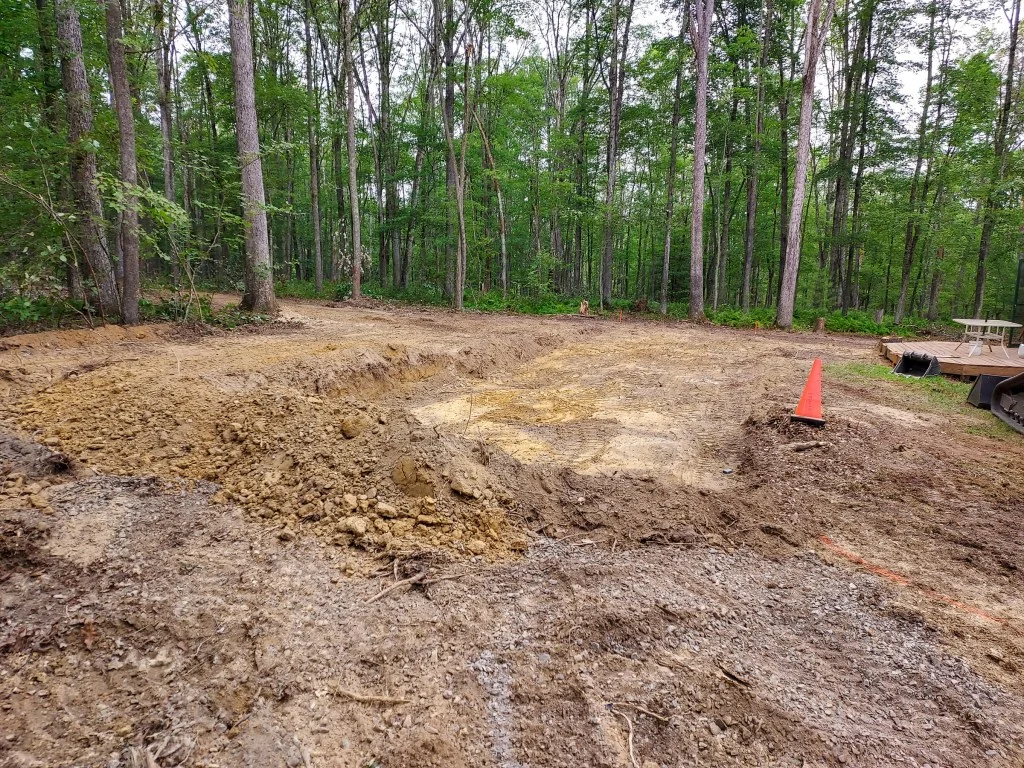
The pattern here is predictable once you have seen it twice. A summer thunderstorm drops two inches in an hour on a burned-over or logged slope above the house. The water sheets down the drive because the uphill neighbor's runoff was never redirected, hits the first soft spot, and cuts a channel. By the time the storm passes, the ditch is a foot deep, the culvert is packed with gravel and leaves, and the steep section has lost its crown and its binder stone.
Two things worth knowing about this county. First, the federal disaster record for Madison County is long — 21 declared events spanning 1978-2026 — and the overwhelming share of them are storm and flood family, which is exactly what destroys driveways here. Second, the fix that lasts is rarely "add more gravel." Water has to be moved off the traveled surface before it can cut, and that means grading, ditching, and often a culvert sized for the flow, not a bigger pile of stone. The National Weather Service flood and flash-flood products are the honest way to plan around the next event rather than react to it.
Scope versus price on a Madison County drive
Every dollar figure below sits inside our published band for this service. Use the local Madison County grading cost breakdown for the line-item version, including haul and disposal.
| Scope of work | Typical range |
|---|---|
| Regrade existing gravel drive, no new stone | $350 – $1,200 |
| Washout repair: regrade plus fresh crushed stone | $400 – $1,500 |
| Washout repair with new ditching and culvert | $800 – $2,800 |
| Engineered drainage on a steep grade | $2,500 – $6,500 |
Two local factors push a job toward the top of its row: a grade steep enough to need a tracked machine and hand work, and a haul distance that adds two or three truck cycles the original bid never priced. Neither is padding; both are real cost, and a bidder who leaves them out is either guessing or planning to ask for more later.
Drainage first, stone second
The instinct after a washout is to call for a load of gravel and be done. It rarely holds. On a Hot Springs hillside, stone laid over a surface that still sheds water downhill will be gone by the next wet season, because the water is still doing what water does. The sequence that works is: shape the crown so the drive sheds to the sides, cut a ditch on the uphill side to intercept runoff before it reaches the traveled surface, install or replace the culvert at the low crossing, then place and compact the stone.
The International Code Council codes that govern site grading and drainage in North Carolina treat surface water management as a design requirement rather than an afterthought, and for good reason on ground like this. When a job is more than a simple regrade, the driveway grading and gravel guide walks through what a proper scope includes, from ditching to compaction.
Choosing and paying for the work
Three things to sort out before you sign anything. First, licensing: North Carolina sets a dollar threshold above which general contracting work requires a license from the NC Licensing Board for General Contractors, and driveway and grading work can cross it once drainage structures and machine time stack up — ask the question, and get an answer in writing.
Second, what happens to spoil and how the drive gets restored if a truck or machine damages it during the job. On a narrow mountain drive, that is a real line item and belongs in the bid.
Third, whether the quote names a stone type and depth. "Gravel" is not a specification. Ask for the size and how many inches, and where it comes from, because on this side of Madison County the quarry distance is baked into the price whether the bid says so or not. When you are ready to compare options, the local Hot Springs grading contractors page covers how to vet a crew for slope work.