How an Arden dig actually runs, start to finish
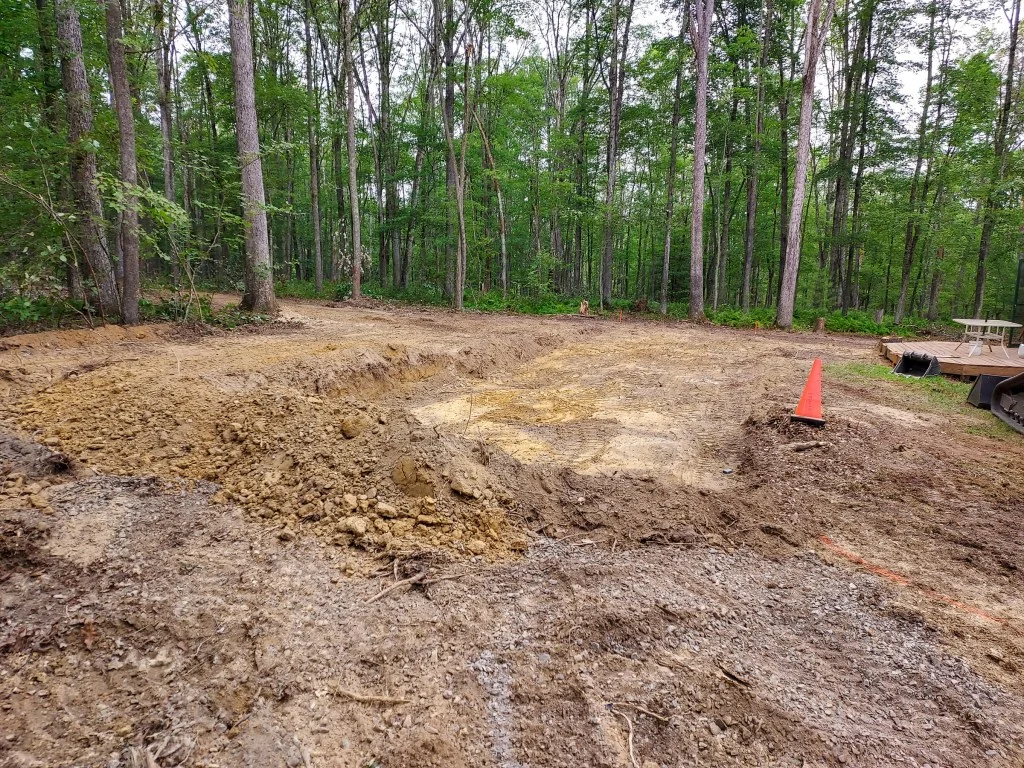
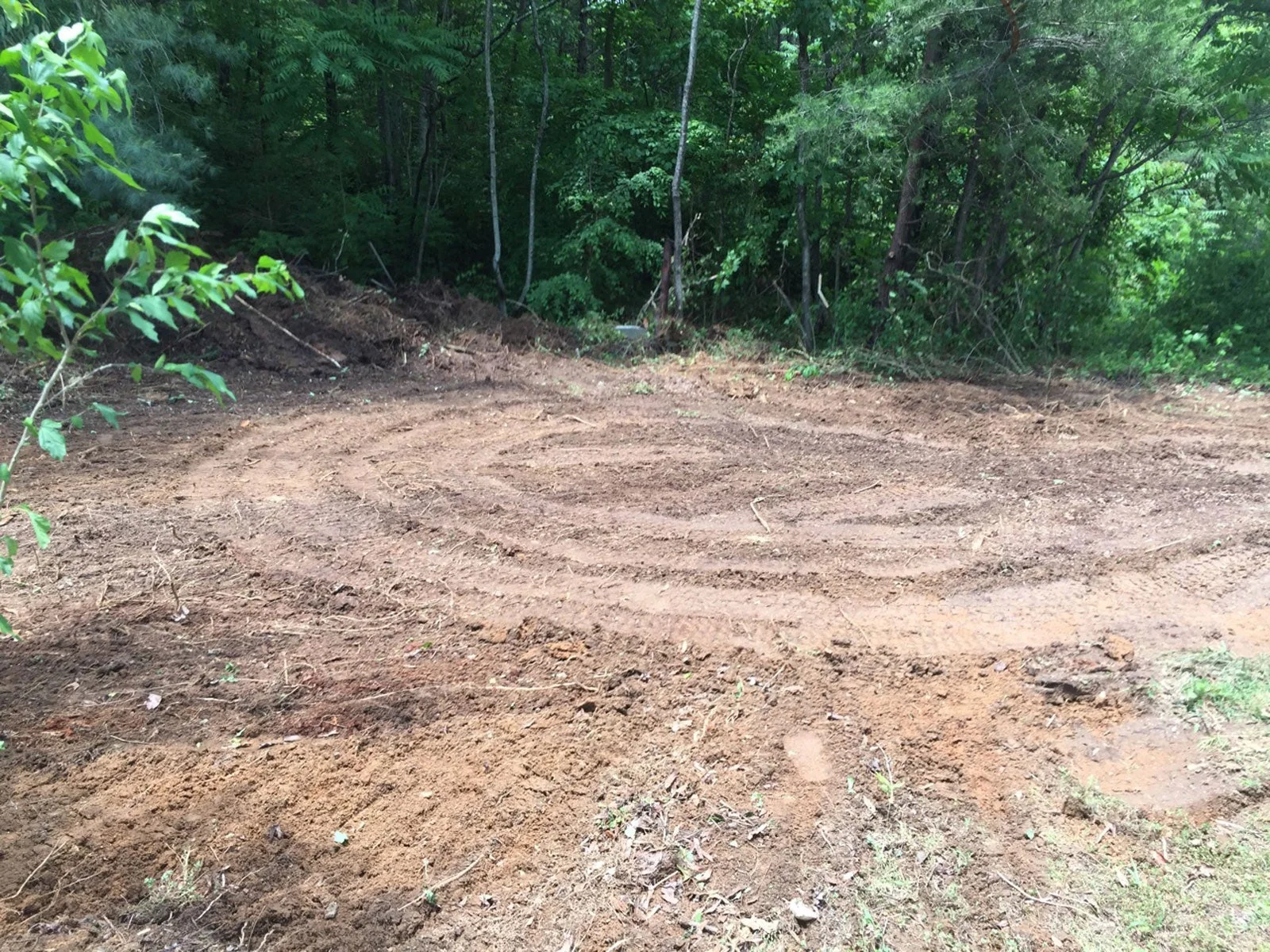
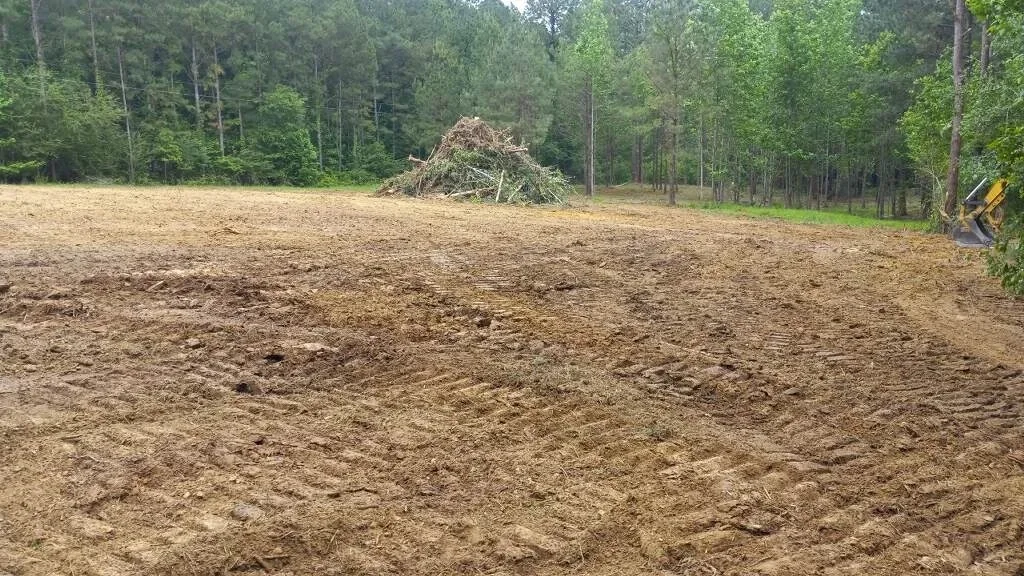
An Arden excavation job moves in a fixed sequence, and knowing it makes the bids you collect comparable. Day one is layout: the contractor pulls the approved plan and marks the footprint, and someone calls in the locate request so utilities are flagged before a tooth touches soil. Day two is usually the machine's first pass — stripping topsoil and stockpiling it, because the material that comes off the first eight or ten inches is the same material you want back on top when the hole is closed. Then the cut: trench or foundation dig, with spoils staged so the truck can reach them without crossing the work. Backfill and compaction come last, and compaction is where a cheap job shows its seams three winters later. A single footing or utility trench in Buncombe County is commonly a one-to-two-day event; a full building pad with drainage and drive prep typically runs two to four weeks site-dependent. Weather is not a footnote here — a wet February can hold a crew off a graded pad for days while they pivot to a site that drains.
What Arden's ground does to the schedule
Arden sits in the French Broad valley south of Asheville, and the real estate here is unusually varied for a small community: flat pasture land along the river bottoms, graded subdivisions climbing toward the Blue Ridge foothills, and original homesteads on ground that was never engineered for anything. That mix is why two Arden estimates for the same square footage can differ by thousands. River-bottom lots bring water — the water table can be close, and a hole that pumps dry in August can hold groundwater in April. Slope lots bring cut and fill, and fill is only as good as its compaction. Before a machine shows up, the practical questions are: which of these two you own, where the water goes when it rains, and how the excavation contractor intends to sequence the dig around the other trades. The state licensing thresholds for general contractors matter once a job crosses into structural work — the NC Licensing Board for General Contractors publishes them — and any contractor proposing drainage changes should be able to speak to them.
Where the money goes: a scope-by-scope table
These are residential working ranges for Buncombe County, and they map to the full grading and excavation cost breakdown. The line items are what actually swing a job: spoil haul-off if the site can't absorb the dirt, rock if the machine hits it, and drainage if the grade has to be re-shaped around the dig. A bid that is thousands below the others usually has one of those items missing, not a magic machine.
| Scope | Typical range | What moves the price |
|---|---|---|
| Single footing or pier dig | $1,800–$3,000 | Access width, depth to stable soil, hand work |
| Utility trench (water, sewer, power) | $1,800–$3,500 | Trench length, depth, crossings and restoration |
| Small pad / driveway prep | $2,500–$4,500 | Cut volume, compaction lifts, stone base |
| Full building pad with drainage | $6,000–$12,000 | Slope, engineered fill, drainage runs, inspection hold points |
| Full site excavation (pad, drive, utilities, grading) | $10,000–$15,000 | Spoil haul-off, rock, storm routing, re-seeding |
Two practical rules: get the drainage line itemized separately from the dig, and ask what happens to the spoils — hauling dirt off site is one of the largest line items on a full site excavation and the one most often buried in a lump number.
Permits, inspections, and the hold points that stretch a timeline
In unincorporated Buncombe County, a building permit typically comes with inspection hold points, and the footing or foundation inspection happens before backfill. That is a hard stop, and it is the single most common reason an Arden excavation schedule slips: the dig finishes, the inspector is scheduled, and the crew waits. A contractor who understands the sequence books the inspection before the hole is ready, not after. Soil disturbance and drainage also run into environmental rules — eroded sediment leaving a graded site is a regulated problem, and the EPA publishes the stormwater guidance that local requirements are built on. On steep ground, retaining structures and engineered fill may need design documentation; that is a design cost, not an excavation cost, and a bid without it is incomplete rather than low. For anyone coordinating trades, the excavation contractor guide covers how the dirt phase hands off to the foundation crew.
Storm history is why Arden sites are graded the way they are
The reason Arden drainage plans look overbuilt compared to other parts of the state is written in the federal record: 19 declared disaster events touch this county (1973-2026), and the pattern is storm and flood. Terrain funnels water downhill toward the valley here, so a pad that sits two feet low is not a cosmetic issue, it is a water-magnet. When a contractor talks about finished grade and positive drainage, they are describing the cheapest insurance you can buy on an excavation job. If the soil is saturated when the crew arrives, the correct answer is often to wait, and a contractor who tells you that is protecting the compaction spec, not padding the schedule. The National Weather Service outlook for the region is worth glancing at before you lock dates, because few things waste money like re-grading a site that was dug wet.