Read the ground you already have before you dig new
Most excavation calls in Leicester start with the same sentence: the driveway is rutted, the pad is soft, the water is pooling by the shop. The instinct is to bring in a machine and start over. The cheaper and usually correct first move is to read what exists — where the grade actually drains, where the culvert dumps, whether the failure is the stone base or the water that never left. Cutting a fresh driveway into a yard whose runoff has nowhere to go just relocates the same problem thirty feet uphill.
Leicester sits west of Asheville in Buncombe County on rolling ground that transitions fast from valley floor to steep wooded slope. A gravel drive off a county road here can be flat at the mailbox and climbing a 15-degree grade by the second switchback. The soil tells you which one you own: reddish clay holds water and pumps under tires; sandy loam drains but washes; rock is close to the surface in pockets. That reading, done on foot before a machine shows up, is what separates a repair that lasts from a repeat call in eighteen months.
Walk the property after a hard rain and you learn more than any bid sheet will tell you. Watch where the sheet flow crosses the drive, where it stalls and soaks in, and where the gravel has been pushed into a fan at the bottom of a slope. On the Leicester side of the county, creeks like Sandymush and the feeder branches that drop off the surrounding ridges mean runoff shows up fast and concentrated. A driveway that looks fine in dry July can be a streambed in a February thaw, and the fix is almost never more gravel on top.
When you already know the scope is bigger than a regrade, the excavation contractor overview covers the full service picture, and the Buncombe County grading cost breakdown gives the line-item ranges to expect.
What Leicester excavation work actually costs
Prices in this part of Buncombe County track access and slope more than they track square footage. A flat pad near the road prices very differently from the same pad at the end of a steep 300-foot drive where the machine has to be walked in and the spoils hauled out. The table below reflects working regional bands for residential work, not bid-day specials.
| Scope | Typical range | What moves the price |
|---|---|---|
| New gravel driveway (300–500 ft) | $4,500–$9,500 | Slope, culverts, base depth, haul distance |
| Driveway regrade and re-crown | $1,500–$4,000 | Length, whether new stone is added |
| Building pad (garage, shop, home) | $3,000–$8,000 | Cut-and-fill volume, compaction, drainage |
| Drainage correction (French drain, swale, culvert) | $1,800–$6,000 | Run length, outlet, rock availability on site |
| Site clearing and grubbing | $2,000–$7,500 | Acreage, tree size, disposal method |
| Foundation excavation for a new build | $3,500–$12,000+ | Footprint, basement vs. crawl, soil, spoils |
Treat any bid without a defined spoils plan and a stated drainage solution as incomplete rather than cheap. On Leicester's slopes, dirt has to go somewhere, and "we'll figure it out" becomes a change order.
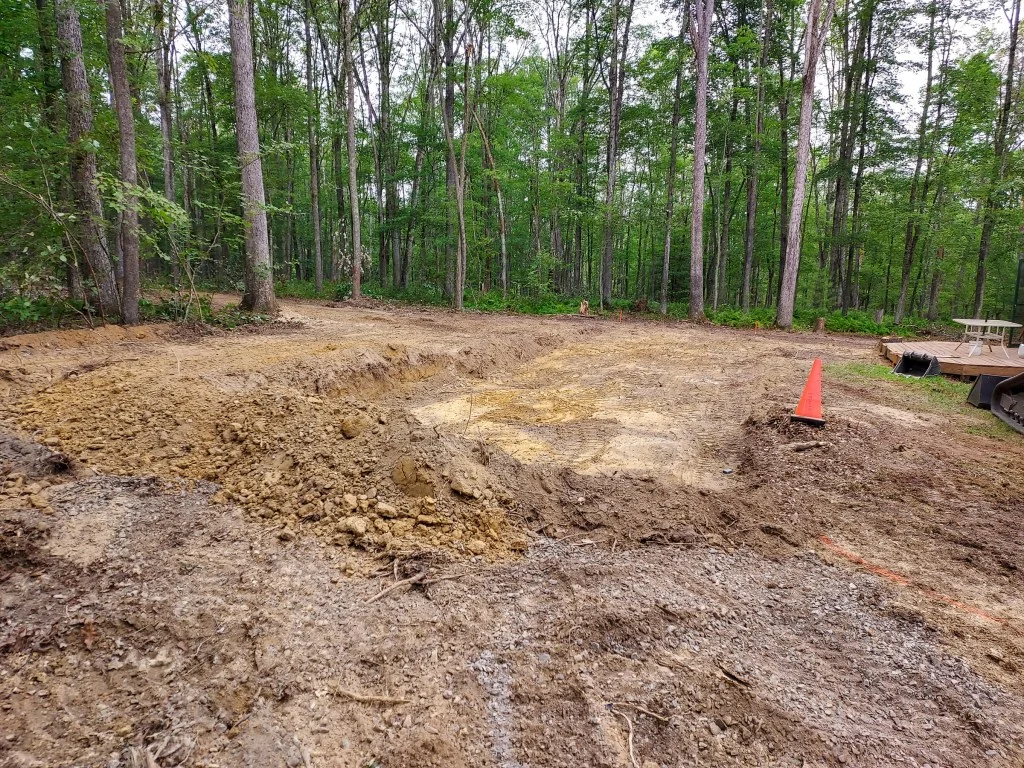
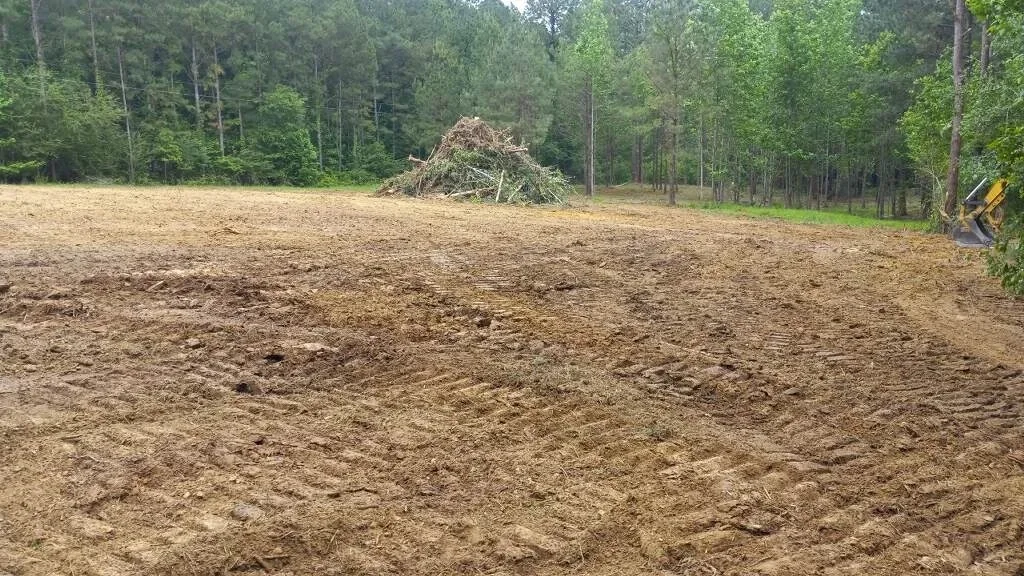
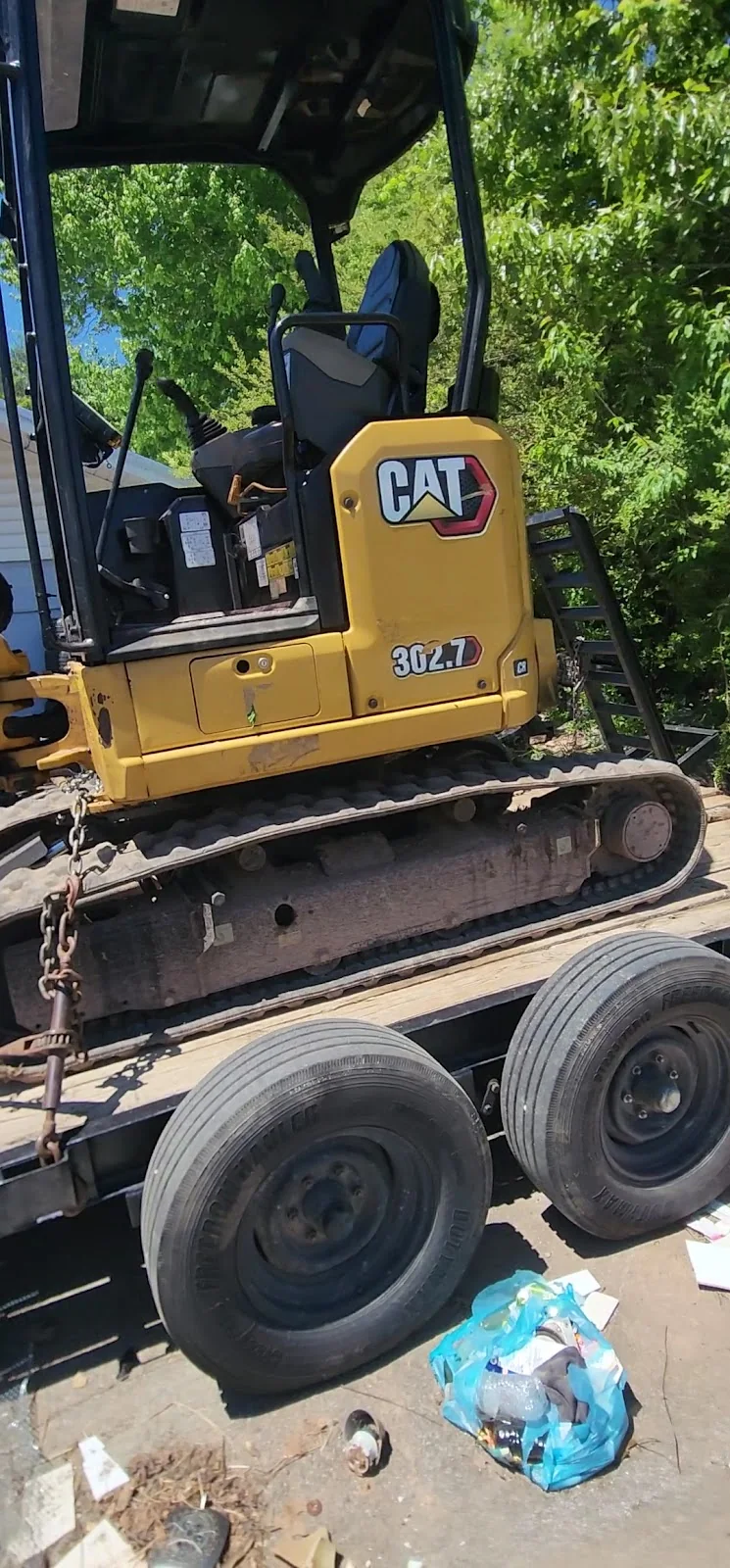
Two local realities shape the numbers. First, much of the land west of Asheville is wooded, so the clearing line is often the swing factor on a pad or drive — mature hardwoods mean stumps to pull, roots to grub, and volume to dispose of, and that can move a job by thousands before a single yard of stone is placed. Second, access width matters. A machine that fits a wide county-road approach and a machine that can thread a narrow gravel lane between a fence and a power pole are not the same rental, and the smaller one takes longer. Ask up front which machine the crew intends to bring and whether that choice is built into the quote.
Water, slope, and the county's storm record
Buncombe County's federal disaster record is dominated by storm and flood events — 19 declarations spanning 1973-2026 — and Leicester's hillsides show it. Water that sheets off an unprotected cut slope carries topsoil, undermines driveways, and finds the low corner of every pad. The excavation fix is almost always about controlling where water goes before it goes there on its own: crowning the drive, cutting a proper swale on the uphill side, sizing a culvert for the actual watershed rather than the pipe that was on sale.
That matters for code and for safety. Grading and drainage around structures are treated as first-class requirements in the state's residential code — reference material lives at the NC Office of State Fire Marshal — and any excavation near a public road, utility, or stream can trigger permitting questions. On steep ground, the difference between a swale that works and one that just looks like it works is whether it has a defined outlet that isn't your neighbor's yard.
Erosion control is the other half of the water story. Bare disturbed soil on a Leicester slope will move in the first real storm, and if there's a creek or a neighbor downhill, that sediment is a problem for someone. Silt fence, straw, check dams, and keeping disturbed area small and staged — these aren't extras on hillside work, they're how the job holds together between phases. The U.S. Environmental Protection Agency publishes plain-language guidance on stormwater and construction runoff that's worth a look if your project touches a drainageway.
How to hire an excavation contractor here without getting burned
Three checks that matter in Leicester specifically. First, licensing: North Carolina requires a general contractor's license above certain project thresholds, and the rules are posted by the NC Licensing Board for General Contractors — if a job crosses that line, ask for the license and verify it. Second, machine and access plan: on a steep wooded lot, which machine, how wide is it, and where does it enter? A crew that hasn't asked about your access has not thought about your job. Third, references on ground like yours — a contractor whose portfolio is flat commercial pads is not automatically the right fit for a rutted 15-degree driveway.
Ask directly whether they handle the drainage as part of the excavation scope or hand it off, and get the spoils disposition in writing (hauled off site, spread on site, stockpiled). For work near septic systems, wells, or utility easements, expect a conversation about setbacks and locate calls before anyone digs. If your job is mostly about reshaping and finishing grade rather than moving volume, the Leicester grading contractors page is the closer match.
A few honest questions cut through a lot of noise. Ask what could go wrong on a lot like yours, and listen for a specific answer about water or rock rather than a shrug. Ask how they'll know the pad is compacted to spec, and whether they'll bring a moisture-conditioning plan or lift thickness limits. Ask who's responsible if a spring shows up mid-cut, or if the spoil pile turns out to be mostly rock that can't be spread on the lawn. The right contractor has thought about these; the wrong one will tell you they never come up.
Timing the work around Leicester's ground and seasons
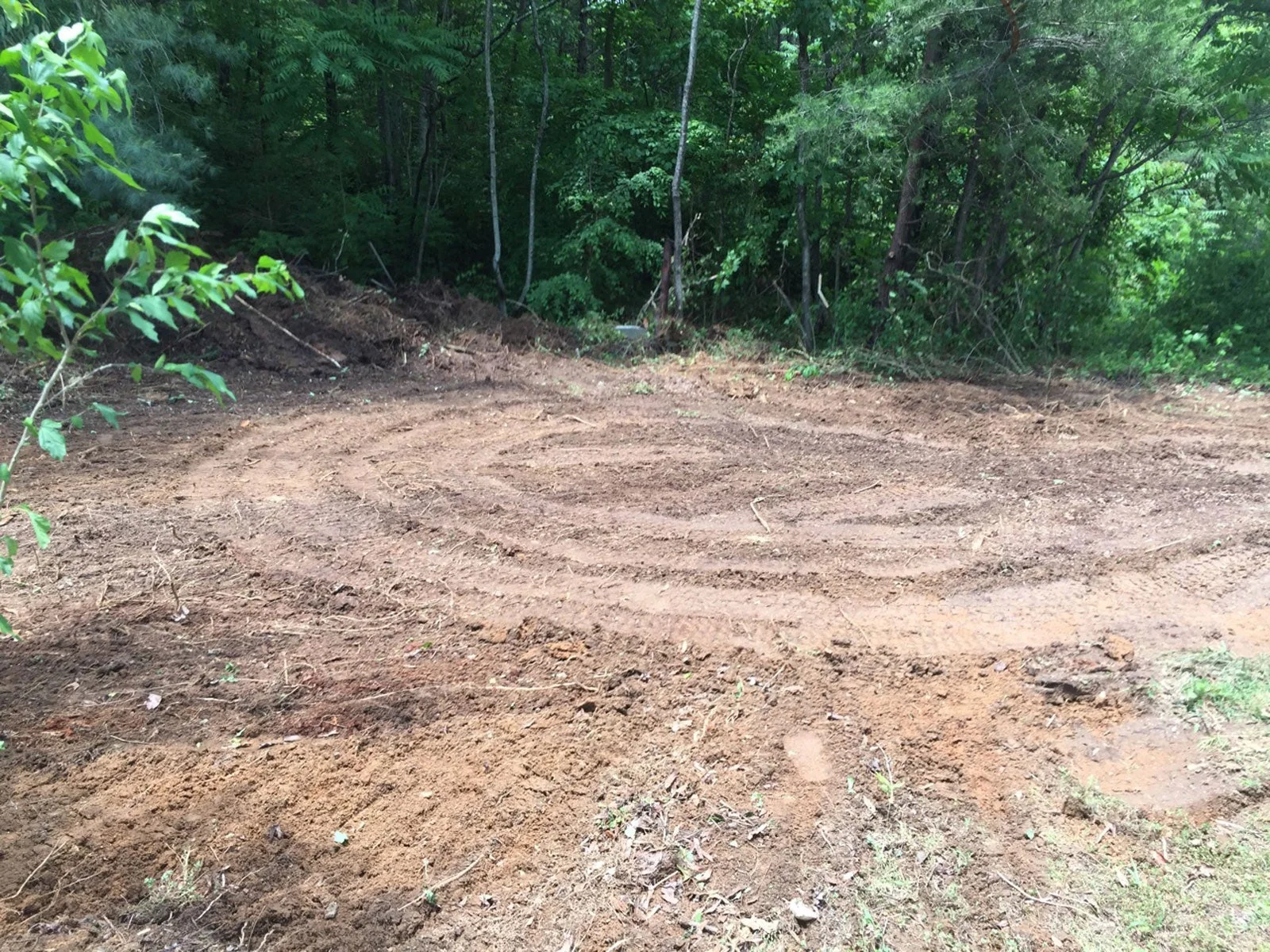
Excavation is weather-dependent, and in this corner of Buncombe County the workable window is narrower than people expect. Winter ground often stays saturated, and a machine on wet clay makes ruts and compaction problems faster than it makes progress. Late spring through early fall is the practical stretch for most residential jobs, though summer thunderstorms can shut a site down mid-afternoon as fast as they roll through the French Broad valley. That's not an excuse for delay — it's a reason to plan a regrade or new drive before the wet season, not after the first ruts appear.
Frost is less of a factor here than in the mountains further north, but freeze-thaw cycles still work on exposed subgrade and unpaved drives, heaving and loosening what compacted fine in the fall. If your schedule is flexible, aim for dry ground. If it isn't, expect the contractor to build in drying time and to stage work so the subgrade isn't left open when a front moves through. The National Weather Service outlooks for the Asheville area are a reasonable place to start checking before you commit to a start date.