Access and haul decide most Fletcher excavation prices
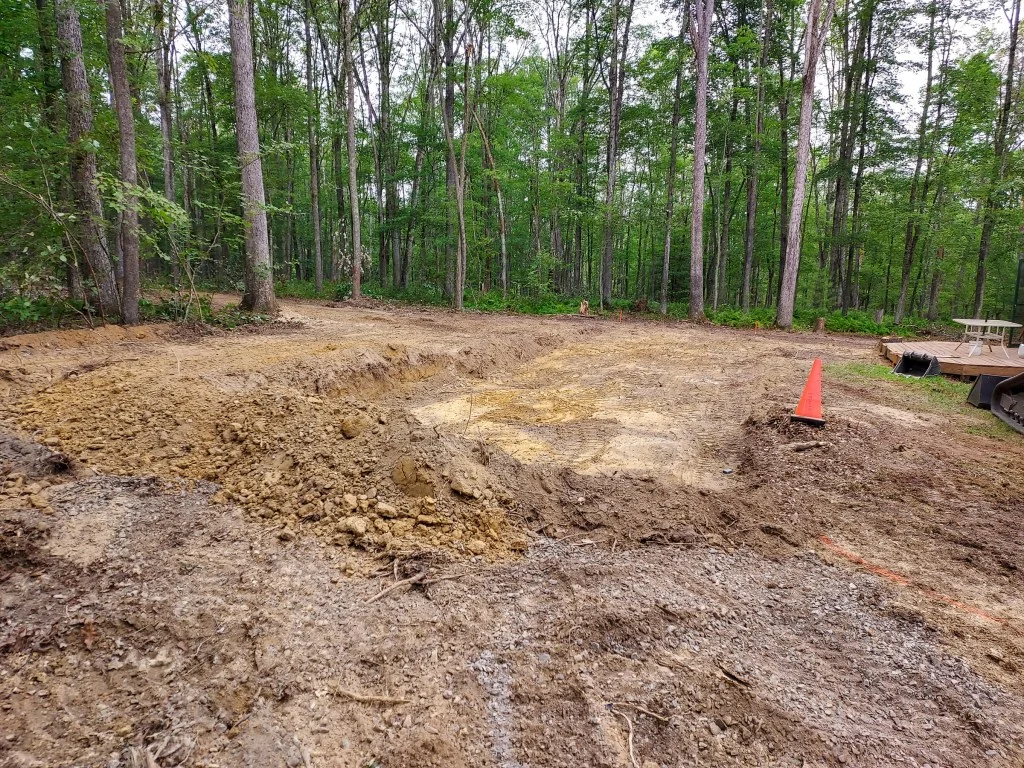
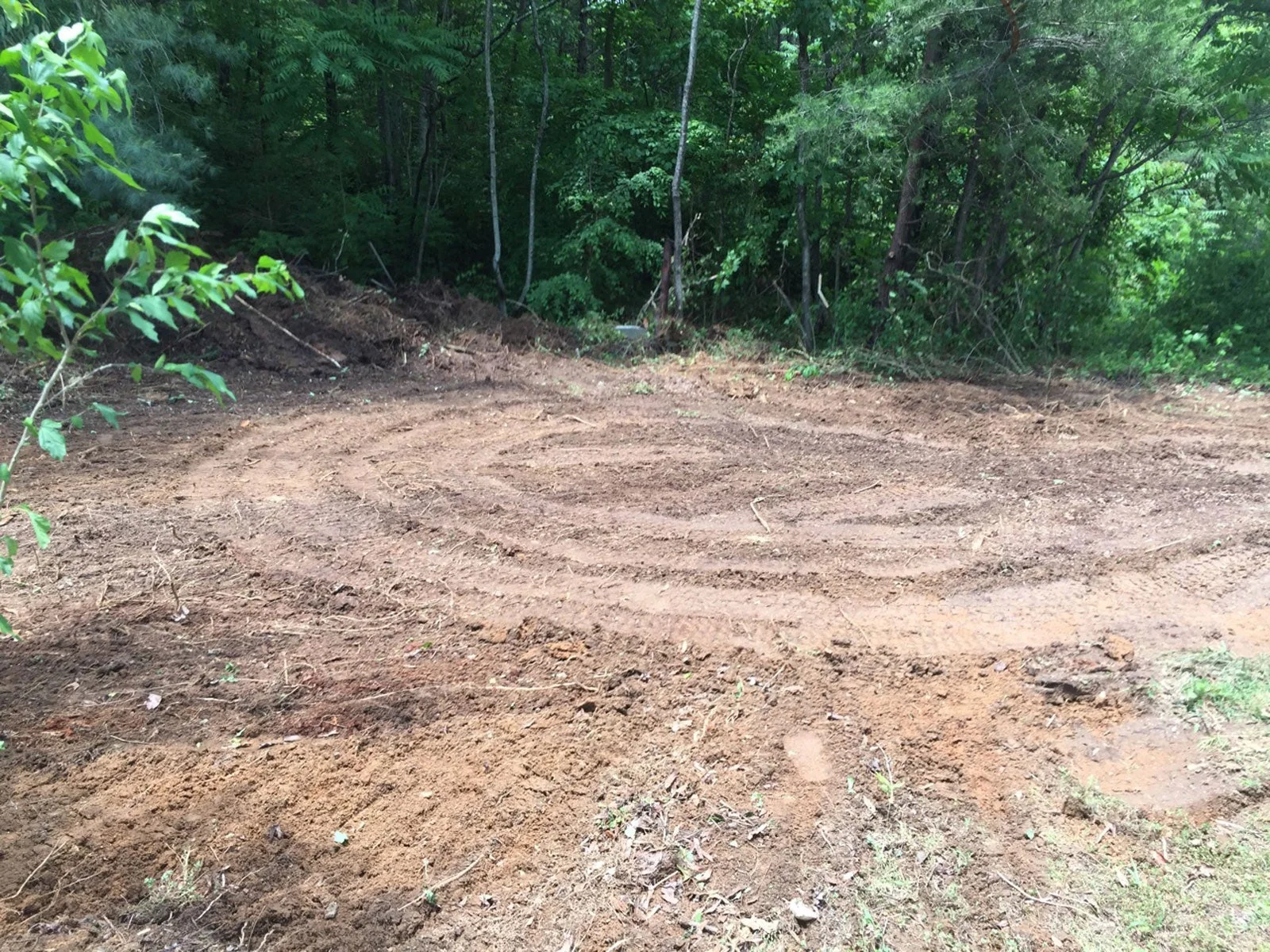
The first thing a good excavator asks in Fletcher is not how big the hole is. It is how the machine gets to the hole and where the dirt goes when it comes out. This is a valley town stitched between US 25, I-26, and the French Broad River, and the housing splits into two honest halves: older mill-era lots near the highway with mature trees, tight side yards, and fence lines, and newer subdivision pads on graded ground off Howard Gap or Butler Bridge where the drive is easy but the cut is deep.
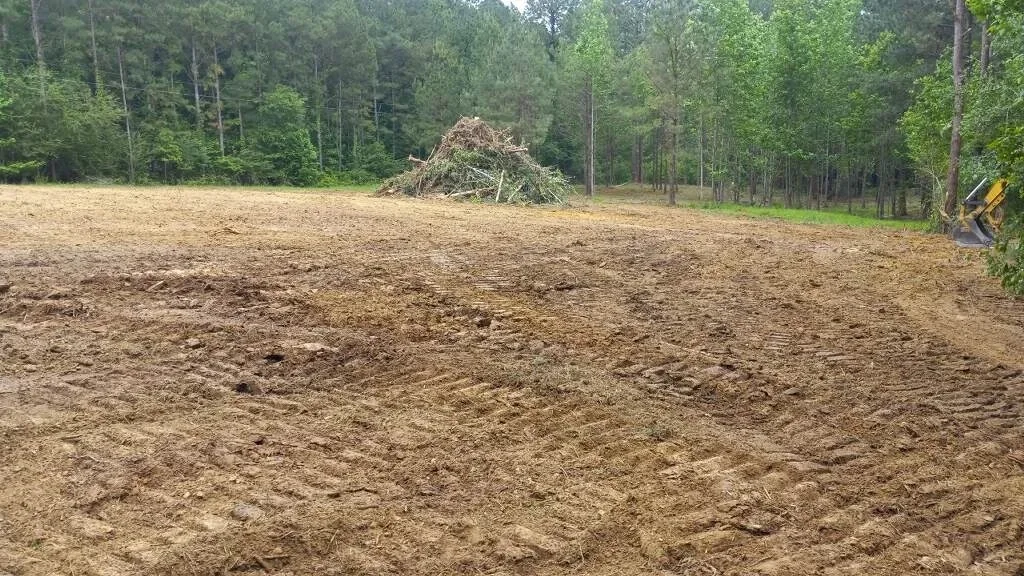
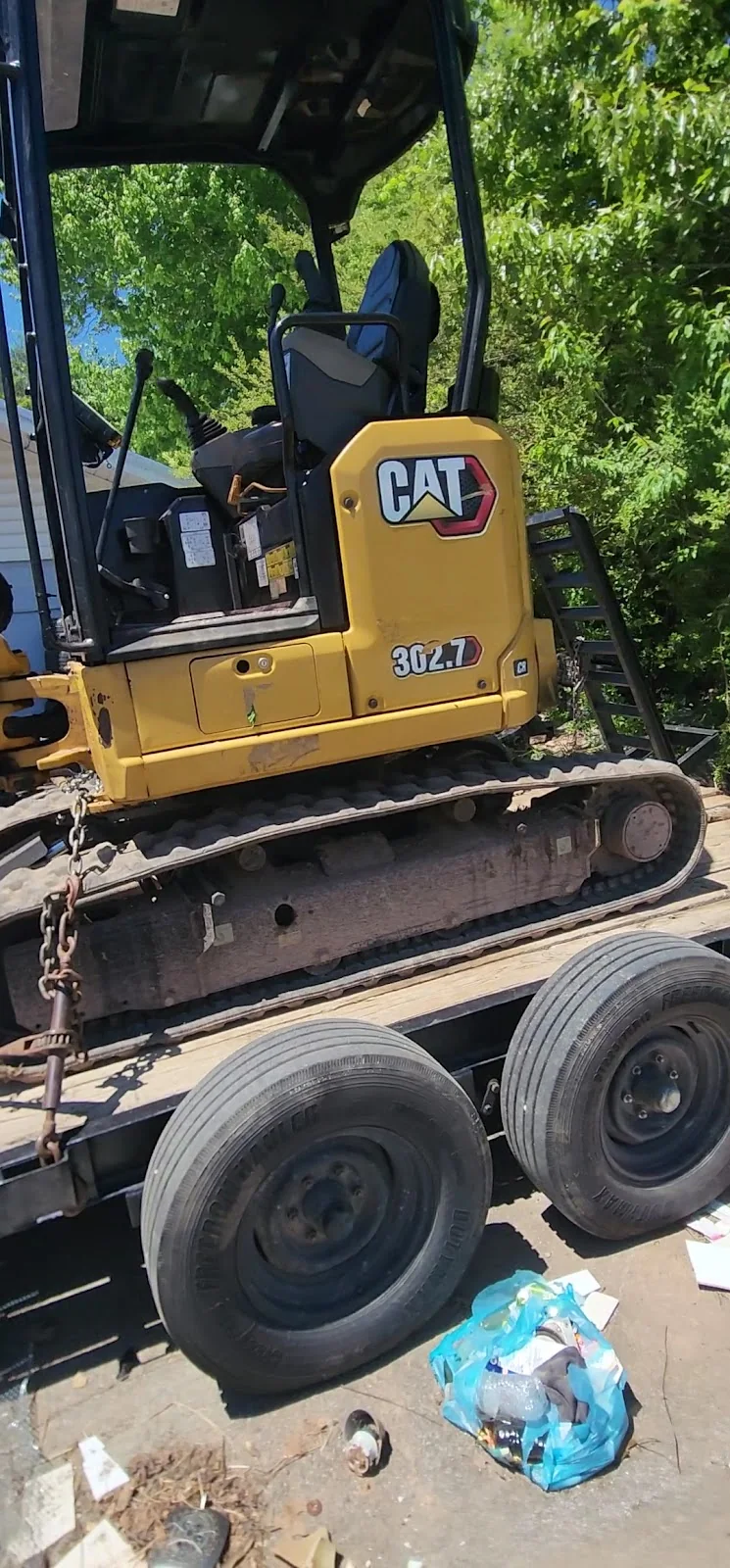
On the tight lots, a full-size trackhoe may never enter. The work runs on a mini excavator, sometimes a walk-behind, and spoil has to be carried out by hand or wheeled to a dump point the truck can reach. That access problem, not the trench, is what moves a number. On the graded pads, access is simple but export is real — clay that will not compact as fill has to leave the site, and Henderson County's quarry and fill locations are far enough that every load adds truck time. A haul that runs 20 minutes each way across town doubles the dirt-handling line versus a site five minutes from the pit.
What the ground here actually is
Fletcher sits on residual clay over weathered bedrock, with river-bottom soils along the French Broad and its feeder creeks. That matters for three reasons. Clay holds water and swells, so footings need to reach stable, undisturbed material, not the softened top layer. Rock shows up shallower on the ridge sides than homeowners expect, which can turn a clean trench into rock-breaking and a change order. And the river corridor ground is often looser and wetter than the uplands, so dewatering and shoring questions arrive early.
The practical read: any quote that does not mention soil type, rock risk, and where the spoil is going is a quote built for a different county. Ask what happens if the machine hits rock at footing depth. The answer tells you whether the bid is real. National Weather Service records for this part of the mountains are worth watching too — heavy rain events recharge that clay fast, which is exactly why footing and drainage sequencing has to be planned rather than improvised (NWS).
Scope versus cost, line by line
The table below reflects the site-wide residential band for excavation work. Fletcher-specific factors — machine access, haul distance to the quarry, rock, and export volume — narrow or push each row toward the top of its range, never past it. Nothing here is a flat bid; it is what the work runs before your lot's particular constraints are priced in. If you want the grading side broken out separately, the county figures live in our Henderson County grading cost table.
| Scope | Typical range | Fletcher price movers |
|---|---|---|
| Single footing dig or short utility trench | $1,800 – $2,600 | Tight side-yard access, hand-carry spoil |
| Small pad (shed, garage slab, addition) | $2,200 – $3,400 | Cut depth, whether spoils stay on site |
| Multiple footings plus trenching | $3,000 – $4,500 | Rock hit at depth, dewatering in bottoms |
| Full site excavation with export | $6,000 – $11,000 | Haul distance to quarry or fill site |
| Full site, deep cut, import plus export | $11,000 – $15,000 | Volume moved, rock, both directions of haul |
Getting machines in without wrecking the yard
Two Fletcher realities sit outside the price table. First, driveways: many lots here were paved for cars, not for a loaded dump truck, and a cracked drive is a repair nobody bid. Say so up front and ask how the contractor protects it or where the truck stages. Second, buried lines. Before any digging, utilities get marked, and in a town this tight to the highway the easements and old service runs are not always where the plat says. The Occupational Safety and Health side of trench work is real too — protective systems and safe depths are not optional, and the International Code Council standards that local inspectors work from expect them.
On drainage-adjacent work, EPA guidance on sediment and stormwater control applies once soil is exposed near a waterway, which the French Broad corridor makes more likely than most homeowners assume (EPA). Ask whether the job touches that boundary. A crew that knows the answer is a crew that has worked this side of the county.
Hiring, thresholds, and what to ask before you sign
North Carolina sets a licensing threshold for general contractors, and site work that crosses it should be handled by a licensed outfit — the state board at NC Licensing Board for General Contractors is where that rule lives, and it is worth checking. Beyond the license, the questions that separate a Fletcher crew from a drive-by are these: How do they get the machine in? Where does the dirt go and who pays the tipping or haul? What is the plan if they hit rock at footing depth? And do they sequence drainage before backfill, or leave it for the landscaper?
The last one matters here specifically. Grading and drainage are not an afterthought in a valley where water runs off ridge lots fast; they are the reason the foundation stays dry. If you are working the grading and excavation parts of a project together, the Fletcher grading page covers that side, and the broader excavation contractor guide walks through what a proper first site visit includes. When you are ready for a real number, use the form on this page and flag whether your lot is a tight in-town parcel or an open graded pad — that single detail changes the quote more than anything else.