Read the driveway before you spend on it
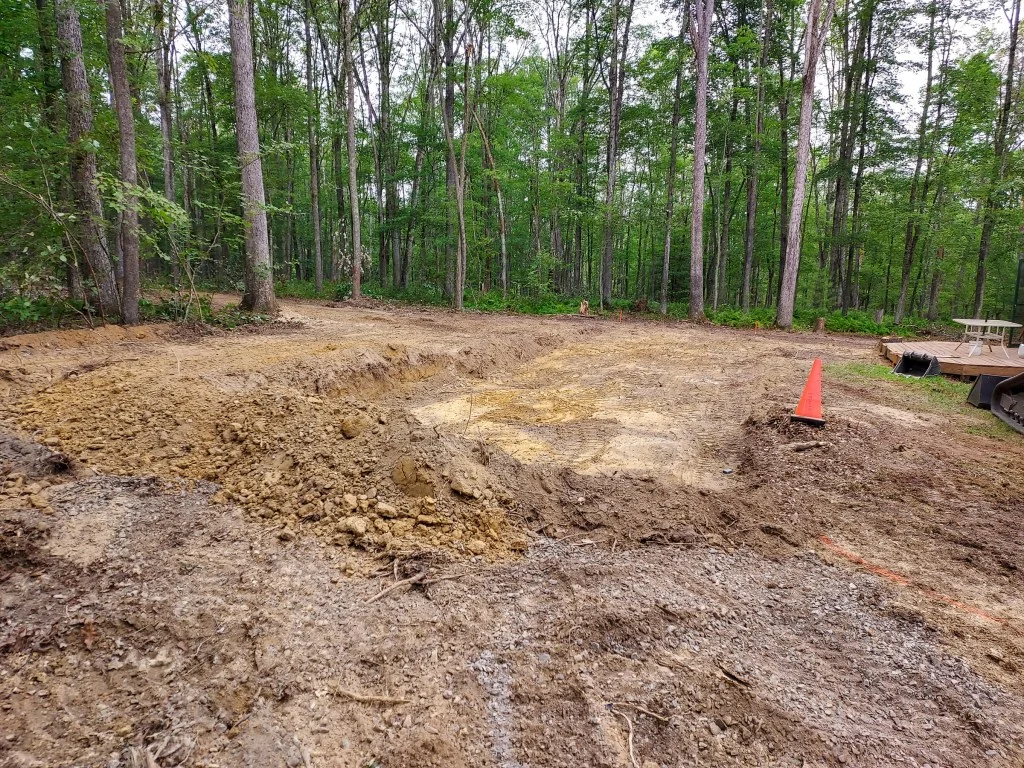
Stand at the bottom of a Fairview drive after a hard rain and you learn more than any quote will tell you. The gravel pushed into a fan at the culvert mouth, the rut running down the center of the slope, the lip of stone at the garage apron — each one points at where the water went and why. That order matters here, because Fairview sits up in the eastern Buncombe County hills toward the Blue Ridge escarpment, where a quarter mile of road can climb several hundred feet and driveways inherit every bit of that grade. If you regrade and lay fresh stone without fixing where the runoff goes, the first summer thunderstorm moves the same rock back down the hill. The fix-and-redo question is always the same: what is the water doing, and will it do it again next storm?
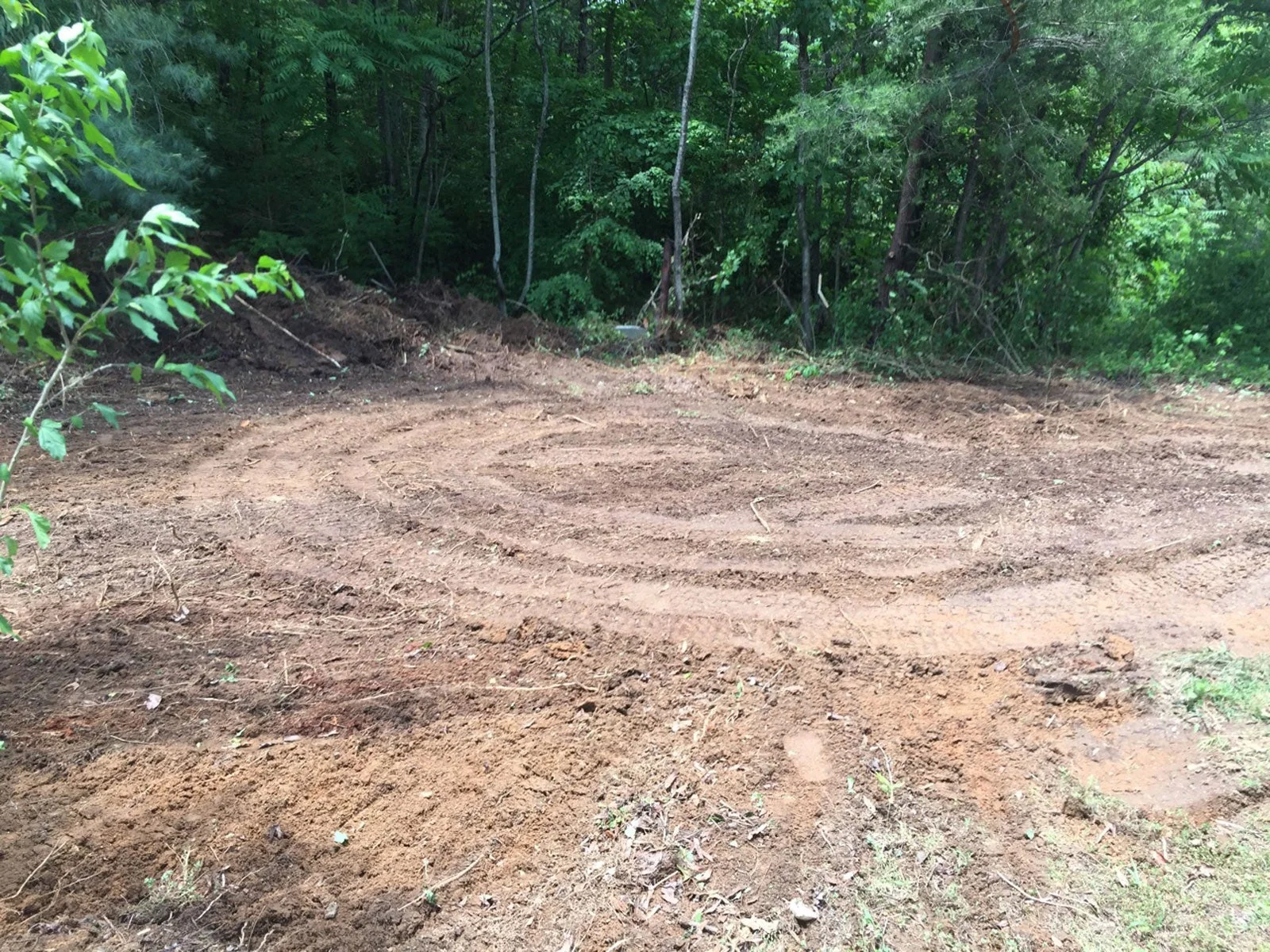
Fairview's housing character shapes those answers. Lots off the main corridors are often carved into the hillside and terraced, so a drive off a switchback county road tends to be steeper and narrower than the same square footage in the flat section of Buncombe. That means the road crown, the cross-slope of the drive, and the shoulder on the uphill side all matter, and a repair scope that ignores them usually shows up in the same trouble spot the next wet spring. In these hills, water is not an afterthought. It is the whole design brief.
The Fairview price picture, scope by scope
Costs across this part of the county track the terrain, and the Buncombe County grading cost breakdown is the working table for longer driveways and cut-in pads. Broadly: regrading an existing gravel drive runs $350 to $1,200; a washout repair is $400 to $1,500 for regrading and fresh stone, $800 to $2,800 once you add ditching and a culvert, and $2,500 to $6,500 if the driveway needs engineered drainage on a steep grade. On a Fairview hillside, culvert and ditch line items are the whole ballgame. If a bid arrives without them on a drive that climbs, it is incomplete, not cheap.
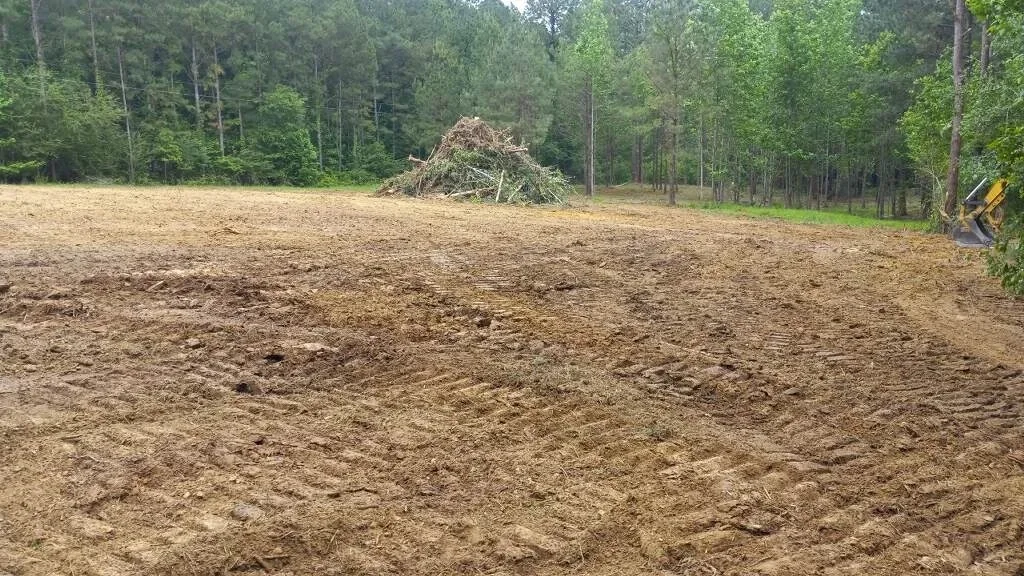
The spread inside each band is real, and it tracks the same variables: how much of the drive the water crosses on its way down, how far the culvert has to carry runoff before it can discharge, whether the apron and garage approach need to be re-cut, and how much fresh stone is actually being placed versus just spread around. A short, well-drained pull-off at the top of a drive is not the same job as 200 feet of continuous climb toward a house pad with a downhill neighbor. That difference is what moves a Fairview project from the bottom of the regrade band toward the top of the drainage band, and it is why line-item bidding is the only way to compare crews here.
The scope-to-price table
| Scope of work | Typical range |
|---|---|
| Regrade existing gravel driveway | $350–$1,200 |
| Washout repair — regrade and fresh stone | $400–$1,500 |
| Washout repair plus ditching and a culvert | $800–$2,800 |
| Engineered drainage on a steep grade | $2,500–$6,500 |
The jump between rows two and three is the one Fairview homeowners feel most. Adding a properly set culvert and roadside ditch is what keeps the $700 repair from becoming the $700 repair every spring. For gravel-specific rebuilds, the driveway grading and gravel guide covers materials and base prep in more detail.
One more line worth asking about before you sign: where does the ditch spoil go? On a steep Fairview lot, the wrong answer is to mound it on the downhill shoulder, where the first heavy rain pushes it back across the drive. The right answer is to shape it into the uphill side or haul it off, and that decision often separates a bid in the middle of a band from one at the bottom.
Why the western North Carolina storms keep rewriting this list
Federal disaster records show 19 declared events touching Buncombe County across 1973-2026, and the pattern is heavy on storm, flood, and the mudslide family that follows saturated ground. That history lands directly on mountain driveways: a storm that drops several inches on a Fairview hillside does not just wet the gravel, it strips the fines out of it and cuts a channel down to the subgrade. This is also why the National Weather Service keeps a standing eye on flash flood risk in the Southern Appalachians — NWS watches here are not background noise. Rebuilding with a ditch and culvert that can pass the next big rain is structure work, not decoration, and reading the hillside before you buy stone is the difference between a driveway that lasts and one that does not.
There is a seasonal rhythm to it too. Summer thunderstorms drop heavy rain in short windows on ground that has baked all week, so less of it soaks in and more of it runs off across the drive. Late-winter and spring rains hit ground that is already saturated from the wet season, so the discharge is slow, deep, and steady, which is what widens a rut into a full cut. Two different storms, two different kinds of failure, and a repair scope that only addresses one of them tends to leave the other one waiting.
Matching the crew to a mountain drive
A driveway cut into a grade is a small drainage project with gravel on top, and the crew you hire should talk about it that way. Three checks: ask how they read the slope and where they plan to put the water; ask whether the job needs a grading or drainage plan across the 30-inch-depth or measured-project lines that bring the NC Licensing Board for General Contractors rules into play; and ask for line-item scopes, not one lump number. Weighing whether it is time to call somebody out? A Fairview grading contractor can read the drive, the pad, and the uphill neighbor's runoff before any machine shows up. Drainage catch basins and culvert discharge also exist under state water-quality rules and, in the wider region, EPA stormwater guidance, so the water has somewhere legal and useful to go.
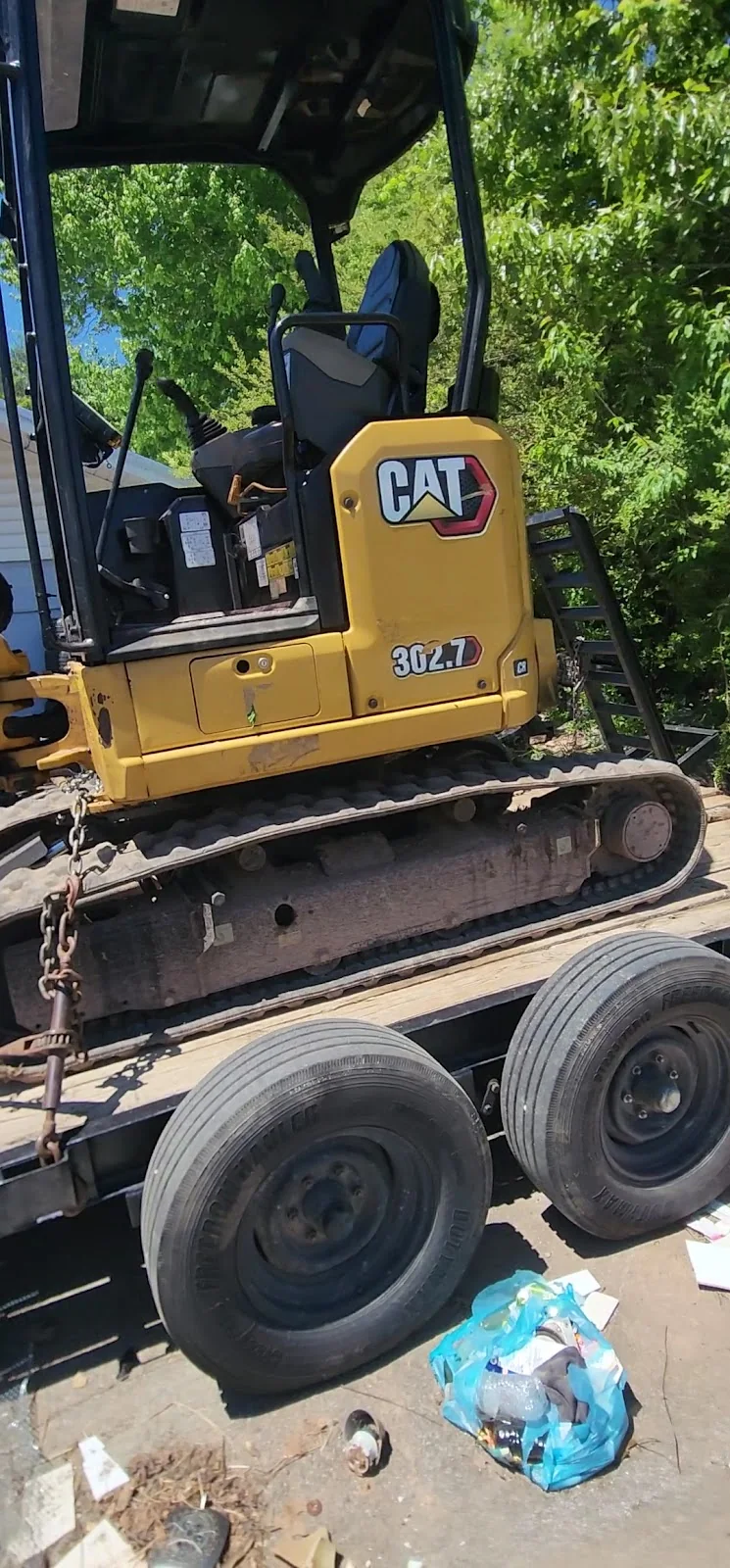
Equipment matters less than the operator's eye, but it still matters. A compact track loader with a laser or slope-controlled blade can hold a cross-slope across a Fairview drive in a way a box blade on a farm tractor cannot, and that difference shows up after the first real rain. Ask what the crew plans to use on your drive and how they will keep the crown consistent from the road to the apron. Also worth asking: whether the culvert will be set at the ditch grade or the drive grade, because burying a pipe below the inlet elevation is one of the most common mistakes on a mountain drive and one of the most expensive to undo.
Fix, or redo? Reading the signals
Three honest signals now, before you spend a dollar. Fine gravel that looks washed clean means the binder is gone, and regrading alone will not bring it back. A rut that returns in the same spot after every heavy rain means the water is being aimed at that spot by the slope, not by the stone. And a low spot that keeps a puddle days after a storm is telling you the pad's grade is wrong, not the gravel. Fix the aim before you fix the surface. The rule up here: ditch first, culvert second, gravel last. Reversed, you are paying twice.
Two more signals are worth knowing in Fairview specifically. If the ditch along the uphill shoulder has flattened out or filled with leaves and silt, the drive is one storm away from a washout even if it looks fine today, and cleaning that ditch is the cheapest insurance on the property. And if the culvert mouth shows a fan of stone on the downstream side, that pipe is not passing what it is being asked to pass, so the fix is a bigger or better-set culvert, not another load of gravel. Reading those signs early is what separates a $700 repair from a $2,800 rebuild.