Reading your Hendersonville quote like a site plan
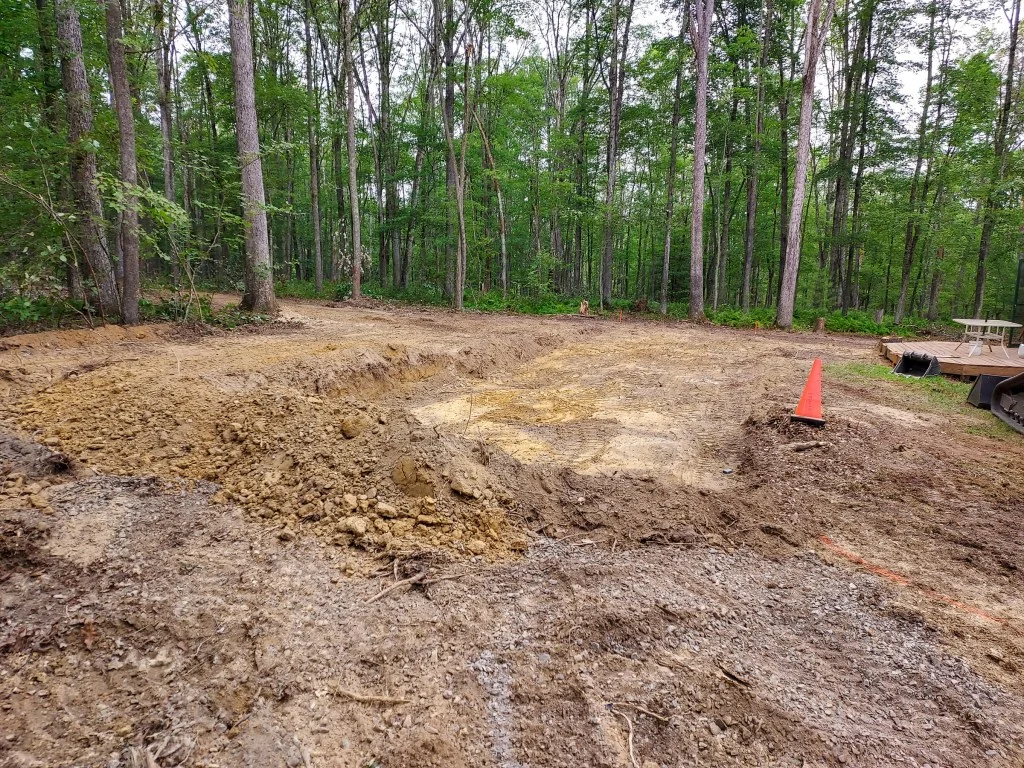
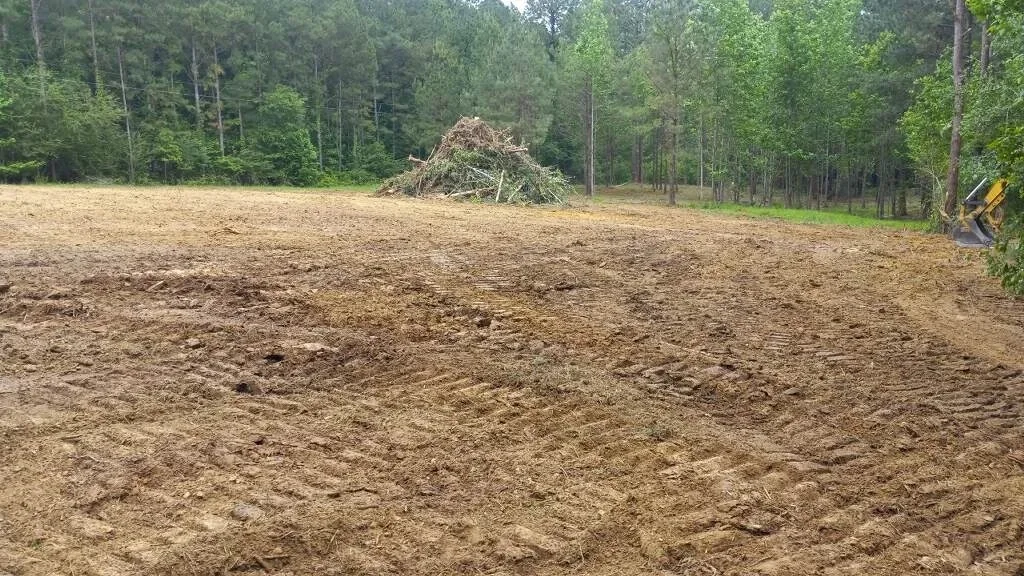
Start with the shape of the land, because in Henderson County that is the invoice. A flat apron off a county road in Edneyville or Apple Valley prices close to the low end of the target band. A switchbacked driveway up a wooded ridge off Chimney Rock Road or a grade dropping to a creek bottom on the Dana side is not the same job with more gravel — it is a different job, with cut-and-fill, a culvert, and often a retaining shoulder before a single load arrives.
Then count the loads. Gravel is sold by the ton, and tonnage is where a steep Hendersonville drive quietly doubles its quote: a long run eats base stone and surfacing stone fast, and loaded trucks that cannot climb a wet grade get split into smaller, costlier deliveries. Drainage is the third mover. Our ground sits on clay and weathered rock that sheds water slowly, so without a crown, a turnout, and a culvert where it counts, the stone simply disappears into the mud. A driveway quote that lists only gravel is a partial quote.
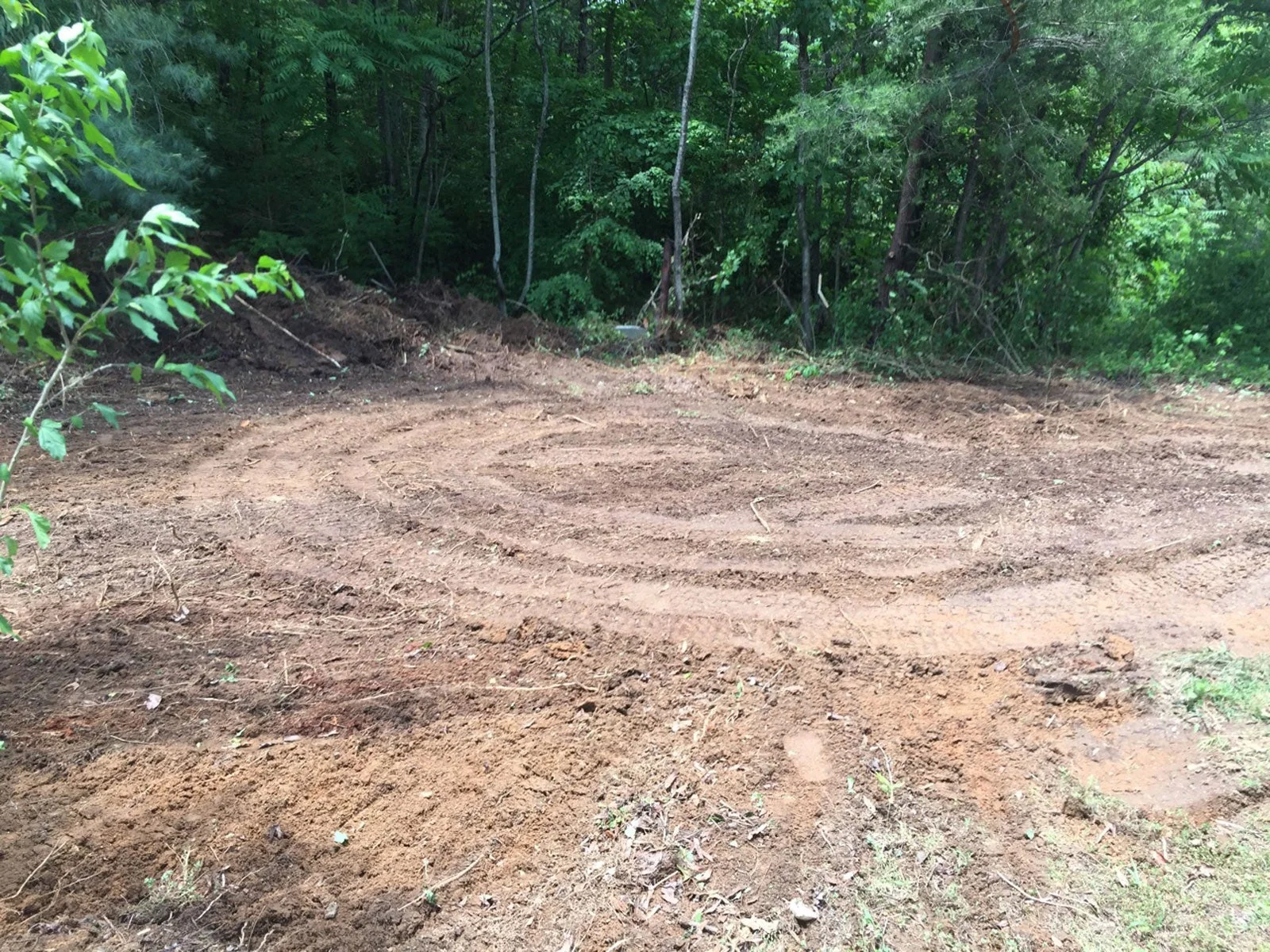
What separates two bids on the same lot is usually what happens before the stone. One crew walks the slope, spots where water will pool against the cut bank, and prices a ditch, a pipe, and fabric. Another prices a number of loads and a morning of spreading. Both look fine on paper, and only one survives a February thaw. This is the same anatomy behind every grading job here, and it is why the working numbers in the Henderson County cost breakdown read differently from flatland tables.
Ask for the scope in writing and read it the way you would read a mechanic's estimate: parts, labor, and the things they will find once they open it up. Earthwork surprises are normal on these ridges, but they should be described in advance, not added as change orders after the equipment is already parked on your lawn.
The line items, with honest local ranges
The table below is what a real scope includes, so you can compare bids line to line instead of lump sum to lump sum. Figures sit inside the site-wide band; long or steep mountain drives land at its top.
| Scope | Typical installed range |
|---|---|
| Short flat drive, existing grade, no drainage work | $1,800–$2,600 |
| Average county drive with light grading plus gravel | $2,600–$4,000 |
| Longer drive, deeper base, culvert and crowning | $4,000–$5,500 |
| Steep or switchbacked mountain drive, cut, drainage, small retaining shoulder | $8,000–$12,000 |
Read the line items, not the total. Grading and cut. Culverts and ditch work. Geotextile under the base. Base stone. Surfacing stone. Compaction. A bid that lumps all six into one figure rarely survives the first storm, and a bid that itemizes them tends to come from a crew that has worked Henderson County clay before.
Two lines deserve a closer look because they are where local bids diverge most. The first is cut. A driveway that has to notch into a slope produces spoil, and spoil has to go somewhere on your property or off it, and that hauling shows up in the price. The second is compaction. Stone dumped and smoothed with a bucket is not compacted stone; it needs to be worked in lifts with the right equipment so the base locks together instead of staying loose under the surface course. A crew that skips compaction saves a day and hands you a drive that ruts the first time a loaded truck turns around on it.
If a bid includes a culvert, ask the size and where the outlet daylights. A pipe that still dumps water onto the same slope, twenty feet downhill, has moved the problem rather than solved it. The best local crews walk the outlet before they ever quote the pipe. That is the kind of detail covered in the driveway grading and gravel guide.
Clay ground, mountain water, and why stone vanishes
Henderson County sits in one of the wettest, most storm-exposed corners of the state. Federal records count 16 disaster declarations touching this county across 1978-2026, and they lean heavily toward storm and flood events. Each one delivered water to driveways that were graded for a drier assumption. That is the local fact behind the gravel failures people call about: not bad stone, but stone with nowhere to shed the runoff. The National Weather Service's outlooks for the southern Appalachians are the same guidance local crews watch when a system is forecast to stall against the Blue Ridge and dump inches in an afternoon.
The fix is unglamorous and correct. Crown the road so water leaves the surface. Cutch the uphill side and keep a path for it to reach a culvert or the natural drainage below. Lay separation fabric so base stone stops sinking into the clay. Then compact in lifts. None of it is optional on a slope, and the graders who install it are the same crews covered in the driverway grading and gravel guide.
There is a seasonal rhythm to this too. Late winter and early spring, the ground is saturated and every rut you drive through widens. Late summer, the clay can bake hard enough that a grader struggles to cut a clean crown without scarifying first. A crew that works here year round knows which months favor which part of the job, and that knowledge is worth more than a low bid from a hauler who mostly does flat commercial pads.
Runoff leaving your property is the part that trips people up. Water you redirect is water your neighbor may not want, and in a county this steep, that conversation is easier to have before the work than after. That is a design question as much as a construction one, and the code baseline for grading and drainage expectations sits with the International Code Council.
Hiring and code reality in Henderson County
General contracting rules apply once work crosses the state threshold — verify any contractor's license status through the North Carolina Licensing Board for General Contractors. For anything that changes how stormwater leaves your property, the county's stormwater and soil-erosion rules can apply. Because so much of this county drains toward the French Broad and its tributaries, sediment running off a disturbed slope is treated as a real concern rather than a paperwork formality. Good crews keep silt fence, a stabilized entrance, and a plan for disturbed ground before they start moving dirt.
Ask two questions before signing: who handles the pipe and drainage design, and what happens to the runoff leaving my property. The second question separates real local contractors from haulers with a dump truck. A third worth adding: what does the driveway look like in five years if I do nothing to it. A properly built drive on this ground needs occasional top-dressing, not annual rescue.
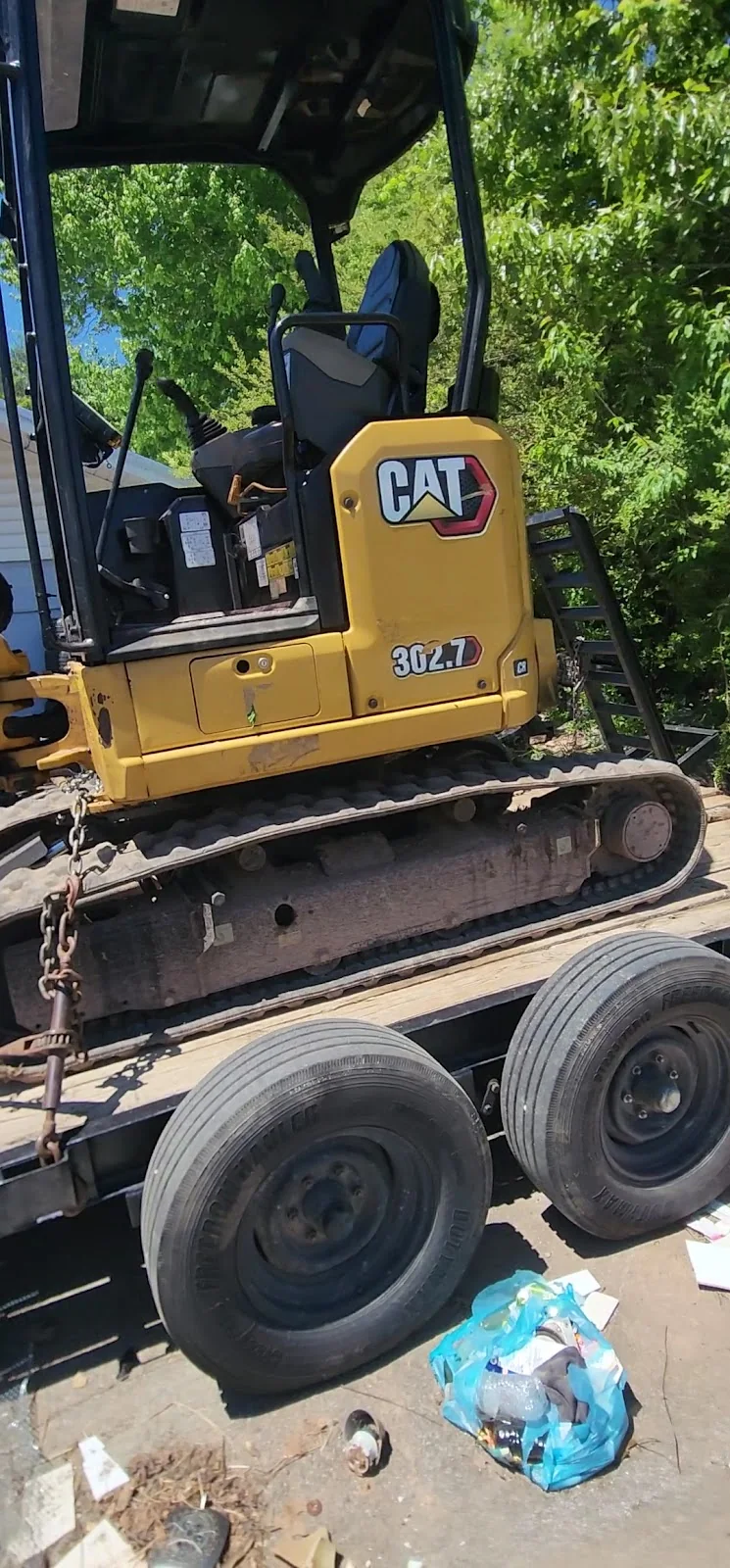
Also ask how they protect the surfaces you are not rebuilding. A driveway job means a tracked machine crossing your lawn, your septic field's edge, or a county right-of-way. The right answer mentions mats, a defined route, and restoring what got chewed up. That is not a cost item on most quotes, and it is one of the clearest tells about how the crew treats a property.
When you are ready to get scoped, start with the crews profiled in grading contractors in Hendersonville.