The acre line that sets Black Mountain pad budgets
Black Mountain sits at the foot of the Blue Ridge in Buncombe County, and the ground here tells the truth fast. A homesite off a valley road might have three feet of clay over rock; a lot a few switchbacks up the mountain may be all rock and root, with cut slopes that need to hold for decades. The single most underquoted item on disturbed ground over one acre is the state erosion control permit. Above that threshold, North Carolina treats the project as a regulated land-disturbing activity: you need a plan approved before clearing, phased ground cover through construction, and inspections that hold the job to a schedule nobody controls. That is why two pads of the same size a quarter mile apart can differ by five figures here. Below the acre line, most single-home pads avoid the state program, but town and county review, plus stormwater rules, still apply. The real cost driver is not the acreage number itself, it is whether the slope drains toward a creek, a neighbor, or a road, because that is what the plan has to account for.
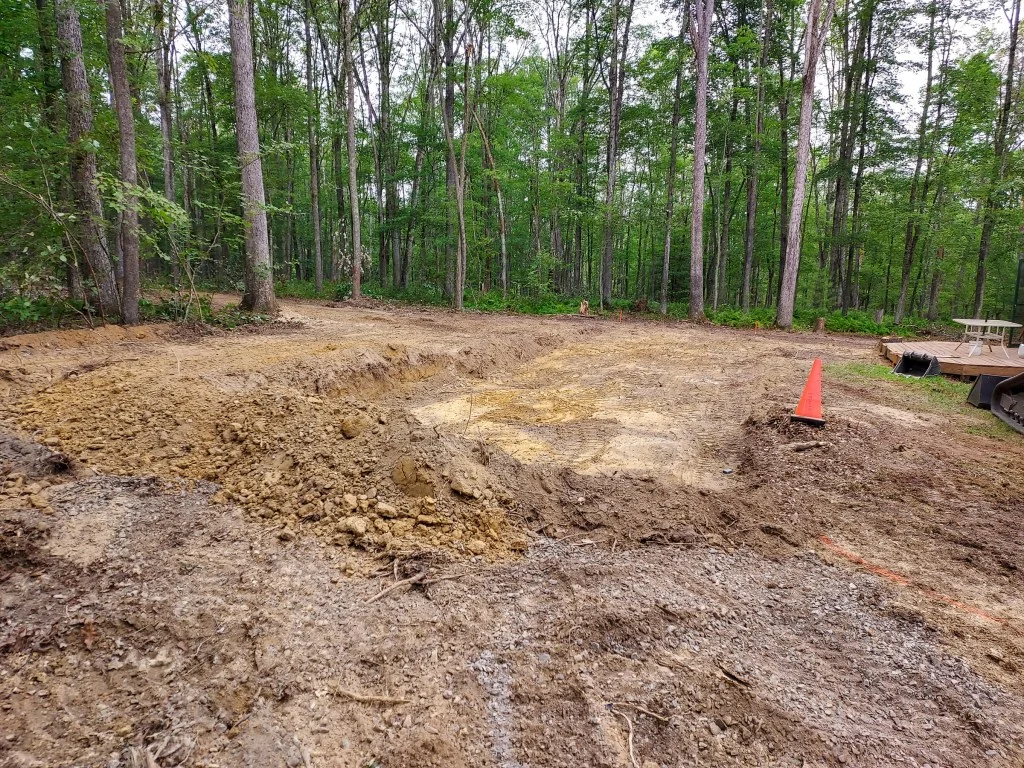
Consider two lots that sit within sight of each other off a Black Mountain ridge road. The first is a gently rolling half acre with a natural bench near the front, where a dozer can push a pad in a day and a half and the driveway barely needs a culvert. The second is an acre and a half of hardwoods on a twenty-percent pitch, where the pad has to be cut into the hillside on the uphill side and built up on the downhill side, and the fill has to be keyed into undisturbed soil or it will creep. The first job may never touch the state program. The second crosses the one-acre disturbance threshold the moment the driveway, pad, and septic bench are combined, and suddenly there is a design fee, a phased stabilization schedule, and inspections that gate the next step. Same view, same zip code, very different budgets. That is the honest reality of grading in this terrain, and it is why a quote built from satellite imagery alone is worth almost nothing here.
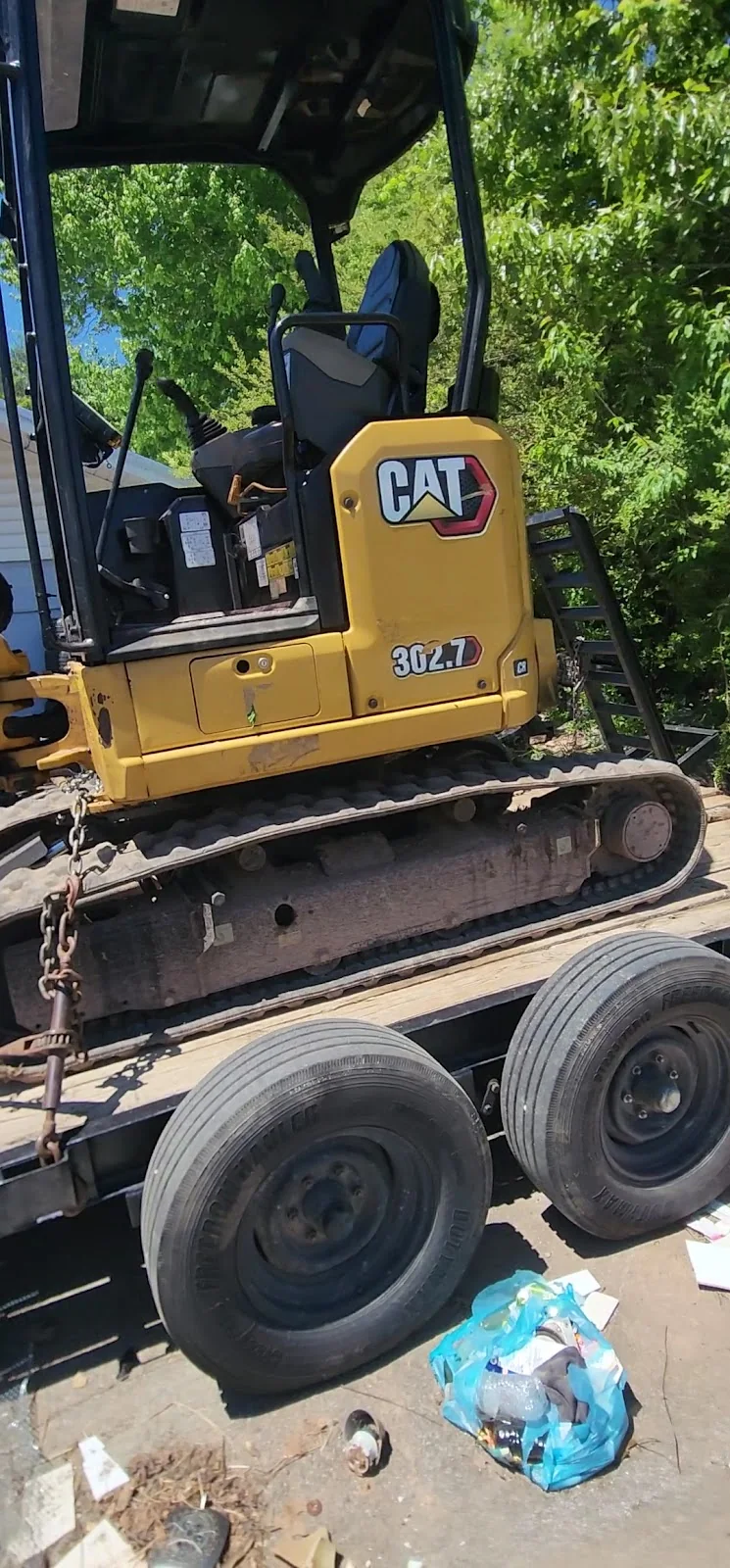
Terrain also decides what equipment shows up. Valley-floor lots along the Swannanoa corridor often take a compact track loader and a small excavator, with topsoil that strips clean and a water table close enough that a dry pad needs underdrain. Ridge lots need a full-size dozer, sometimes a rock hammer or hoe ram, and a truck count that climbs fast if suitable fill has to be imported because the native material is too rocky or too wet to compact. The grading contractor's first walk of the lot is where those answers come from. Any bidder who skips that walk is guessing, and on Black Mountain ground, guessing is how budgets break.
What a Black Mountain pad actually costs
Locally, a standard residential building pad lands between $3,500 and $15,000 once you account for clearing, stripping topsoil, cut and fill, compaction, and a workable driveway grade. Steep, wooded, or rocky ground can reach $30,000 when blasting, rock removal, or engineered retaining walls enter the scope. The working table below, and the deeper breakdown in the Buncombe County grading cost table, show where the money is actually spent. Treat any quote that omits drainage, topsoil handling, or a compaction method as incomplete rather than cheap.
| Scope item | Typical local range | What moves the number |
|---|---|---|
| Clear, grub, strip topsoil | $1,200–$4,500 | Tree size and count, haul-off distance |
| Cut, fill, and rough grade | $2,500–$9,000 | Slope, haul volume, soil type |
| Compaction and lift testing | $600–$2,800 | Engineer's spec, fill depth |
| Drainage and diversion swales | $900–$5,500 | Uphill water, outlet location |
| Driveway cut and base | $2,000–$8,000+ | Length, grade, culvert, rock |
| State erosion permit (over one acre) | Design, inspection, and stabilization line items | Acreage, slope, waterbody proximity |
Two line items deserve a closer look because they are where budget surprises hide. First is haul-off. On a tight Black Mountain lot with no room to stockpile, every yard of surplus dirt and every stump has to leave on a truck, and the round trip over mountain roads adds up faster than most homeowners expect. If the lot has room to balance cut and fill on site, that cost mostly disappears; if it does not, it shows up in the bid whether or not the contractor calls it out. Second is the driveway. A short, gentle drive on a valley lot is a straightforward cut and gravel base. A long drive climbing a ridge may need a culvert at the road, a turnout for emergency vehicles, and a grade steep enough that the base has to be built heavier to survive a loaded concrete truck. That single item can outrun the pad itself on the right lot.
It also helps to know what the middle of the range actually buys. A $7,000 to $9,000 pad here is usually a half-acre to acre of moderate slope, some mature trees to work around, a driveway in the two-hundred-foot range, and a drainage plan that keeps uphill water moving without an engineered structure. That is the honest center of the market. Jobs at the low end are small, open, and close to the road. Jobs at the high end involve rock, engineering, or permit obligations, and there is no way to know which one a lot is without looking at it on the ground.
Where water decides the shape of the pad
Black Mountain's federal disaster record explains why grading plans here lead with water: 19 declared events touch this county across 1973-2026, overwhelmingly flood and storm family. Every one of those events pushed runoff at ground that was shaped for a drier assumption. A pad cut into a hillside is a dam until it is drained correctly, so the grading plan has to route upland water around or through the site before the first load of fill goes down. Slope, soil, and outlet elevation decide whether that is a cheap diversion swale or a full engineered system. The NC Licensing Board for General Contractors threshold matters here too: larger grading and site work can cross into licensed general contracting, so it is worth confirming who is actually responsible for the dirt. For storm timing and rainfall expectations, the National Weather Service is the honest local reference.
The mountains around Black Mountain also shape how water arrives. A storm that drops modest rain over the valley can dump far more on the ridge above, and that water reaches the pad as concentrated flow rather than sheet runoff. Creeks and branches that drain the Blue Ridge escarpment respond quickly to rain and carry debris with the water, which is why outlet locations matter as much as the swales themselves. A swale is only as good as where it discharges. If it dumps onto a neighbor's slope, a road, or into a stream without the right treatment, the fix after the fact costs far more than building it correctly the first time. That is also a large part of what the erosion control plan exists to force onto paper before a machine moves.
Topsoil handling is the quieter half of the water story. Stripped topsoil piled in the wrong place becomes a sediment source the moment it rains, and in a permitted job, sediment leaving the site is exactly what inspections look for. Stockpiling it above the disturbance, with a silt fence or a berm below, keeps it out of the drainage and keeps the good material available to dress the finished slopes. On lots where the finished cut slope is too steep for topsoil to stay put, the plan may call for matting, hydroseed, or another stabilization method. None of that is glamorous work, and none of it is optional on a slope that drains toward water.
Sequencing a buildable pad, start to finish
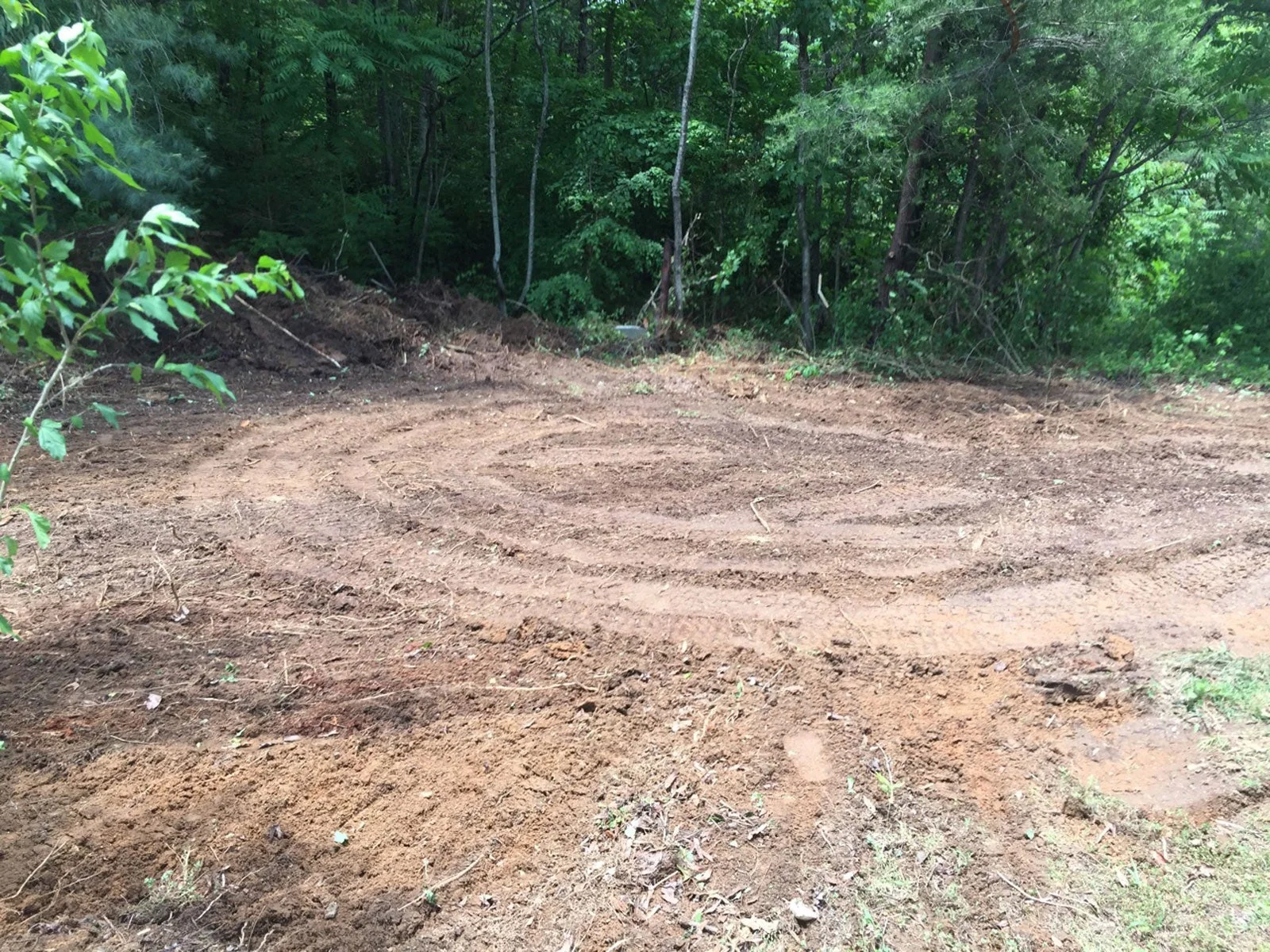
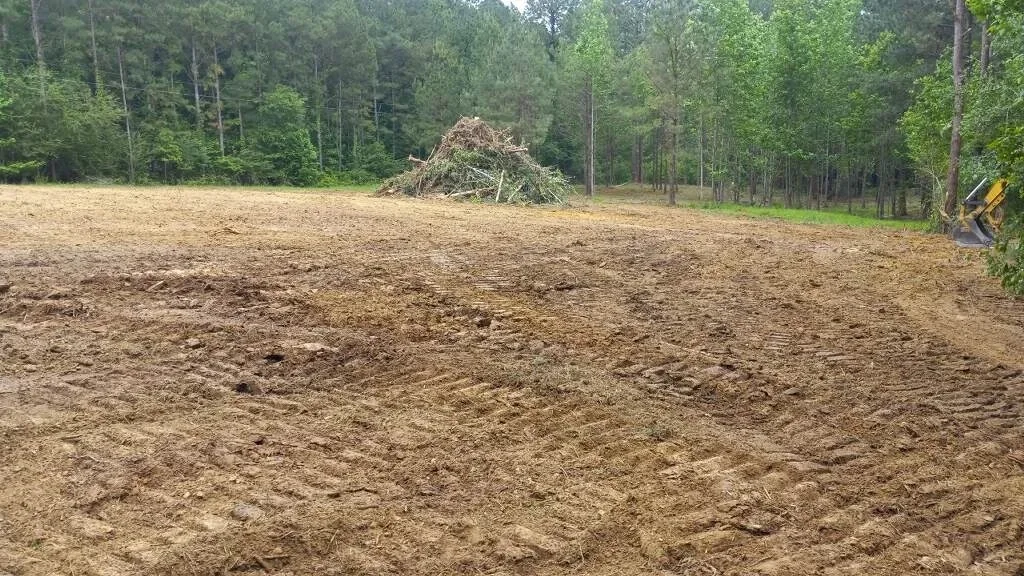
The crews that produce flat, dry, load-bearing pads in this terrain follow a deliberate order: survey and limits flagged, trees cleared with stumps ground, topsoil stripped and stockpiled separately, cut balanced against fill on site where possible, fill placed in lifts and compacted to spec, then rough grade and drainage installed before anything is built. Skipping the topsoil separation or the lift compaction is the costliest shortcut a homeowner can accept, because the failure shows up years later as a cracked slab or a settling foundation. When you compare bids, ask each contractor to describe that order and to name the compaction method. If you want the full scope checklist first, our site prep and building pads guide walks through each step. If you are ready to talk to local operators, the Black Mountain grading contractors page explains what to ask and what to expect from the first visit.
Two habits separate strong local crews from weak ones. The first is protecting what stays. On wooded Black Mountain lots, the trees a homeowner wants to keep are often within reach of the equipment, and a good operator fences the root zones and works around them rather than clearing everything and apologizing later. The second is testing. Lift thickness and compaction are not opinions, and on any pad that carries engineered fill, a third-party test confirms the dirt is ready before the foundation crew arrives. That test is cheap relative to a foundation repair, and it is one of the clearest signals that a bid was written by someone who has done this work in Buncombe County before.
Timing deserves an honest word too. A straightforward pad can take a few days to a couple of weeks of machine time, but Black Mountain weather, permit review, and rock removal all stretch that schedule, and spring and fall rain can idle a site for days at a stretch. Homeowners planning a build should build that slack into the calendar rather than treating the grading window as fixed. The pad is the first real construction milestone on the lot, and rushing it to make up time elsewhere is how it ends up being the one that fails.
Permits, inspections, and the fine print
Above the one-acre disturbance threshold, the state erosion control program applies, and the plan, inspections, and stabilization measures are not optional. Below it, Black Mountain and Buncombe County still review grading and stormwater on most homesites, and any pad that changes drainage toward a stream or a neighbor can trigger additional review. The International Code Council codes, as adopted by the state, set the erosion and sediment control standard the plan must satisfy. The practical upshot: build the permit path into the schedule and the bid, and let a contractor who has done it in this county tell you which items apply to your lot. The most expensive pad is the one that gets stopped mid-grading for a missing plan.
Permit scope also creeps in ways homeowners do not expect. A septic area, a utility trench, and a driveway can all count toward disturbed acreage on the same lot, and adding them together is often what pushes a job over the one-acre line even when the pad itself is small. That is a conversation worth having before the first tree comes down, because the plan has to be approved before clearing on a permitted site, not after. On smaller jobs, the town and county reviews still cover stormwater and drainage, and those paths have their own paperwork and timelines that belong in the schedule from day one.
Finally, plan for the close-out. Stabilization is not done when the dirt stops moving; on permitted jobs it is done when the ground cover is established and the final inspection clears. That means seed, matting, or another approved method on every exposed slope, and it means keeping sediment controls in place until the site is stable. Budget both the money and the calendar time for that phase. It is the last line item most bids forget, and it is the one that decides whether the project actually closes out clean.