Getting the equipment in is half the job in Canton
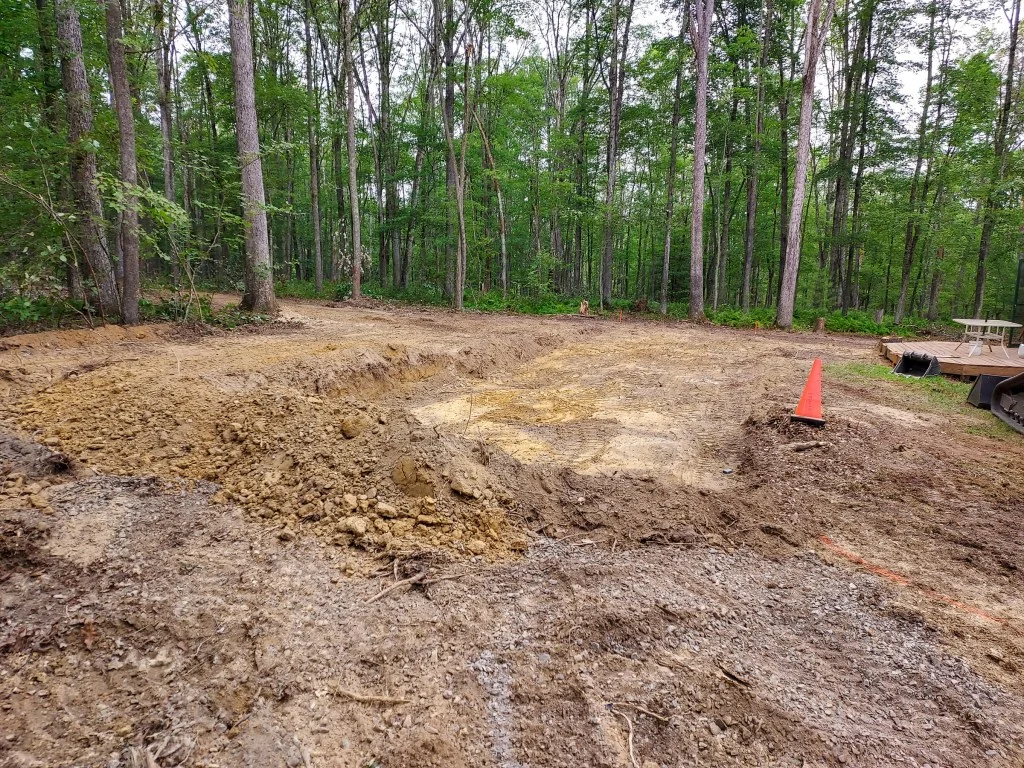
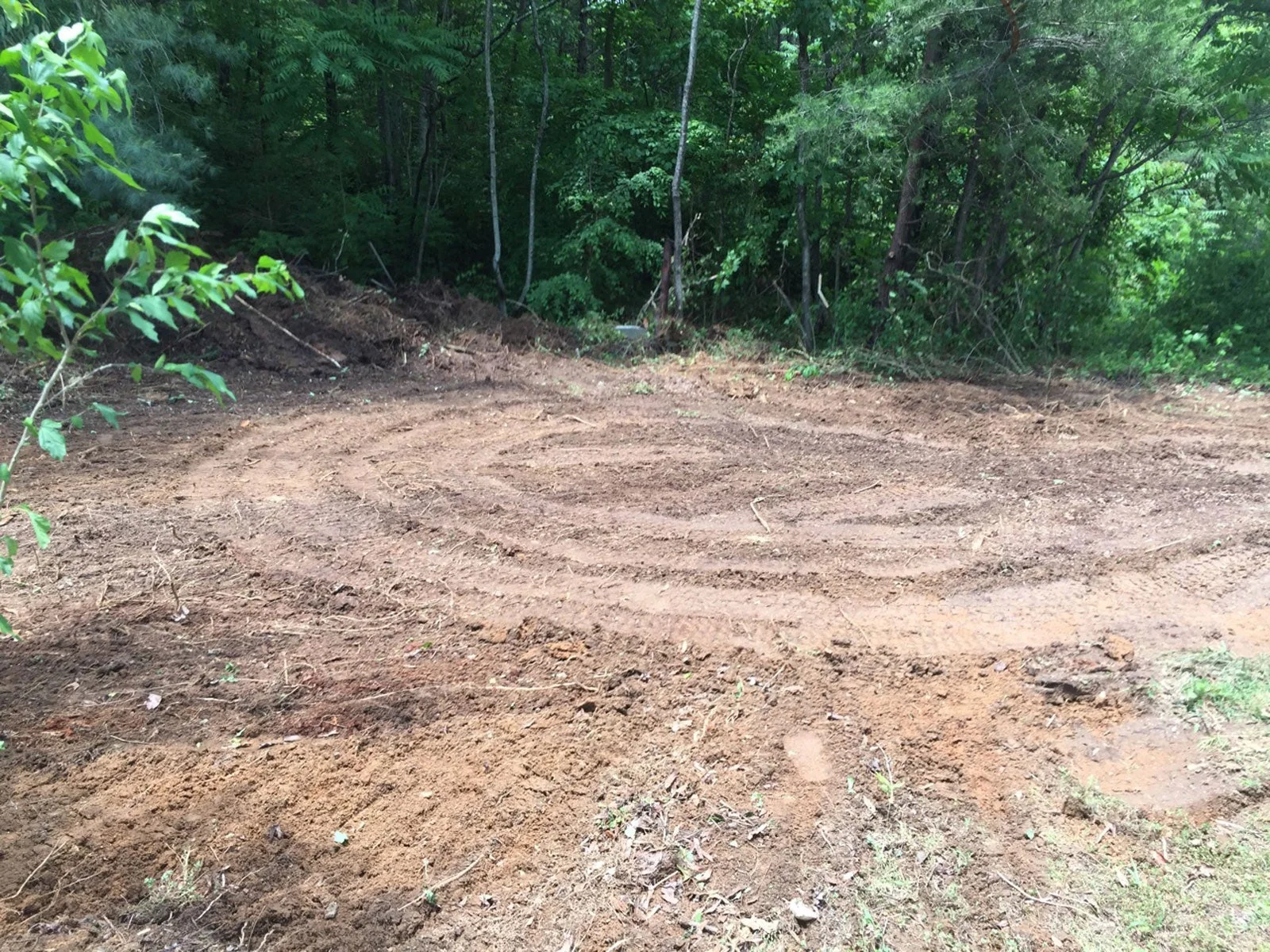
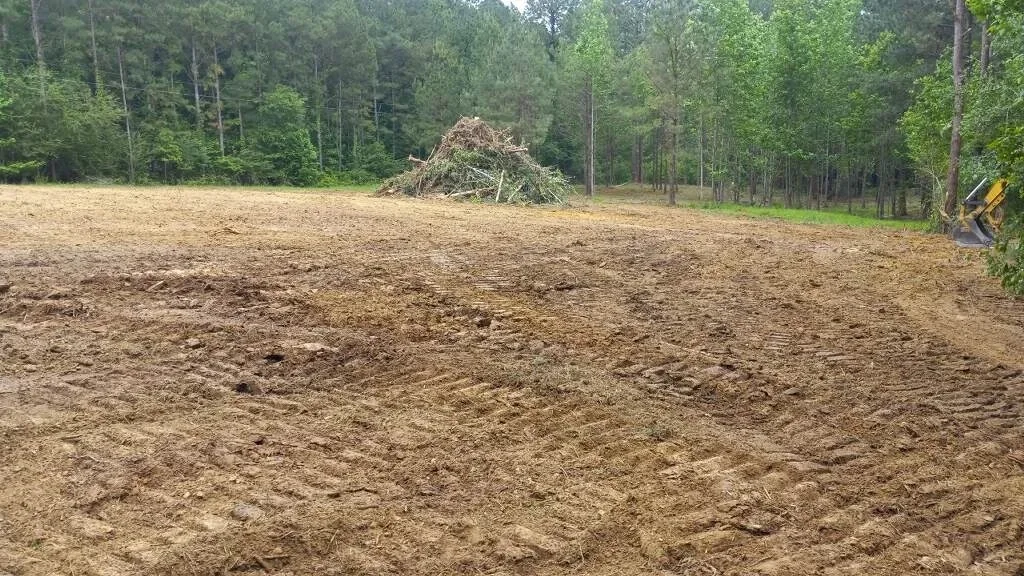
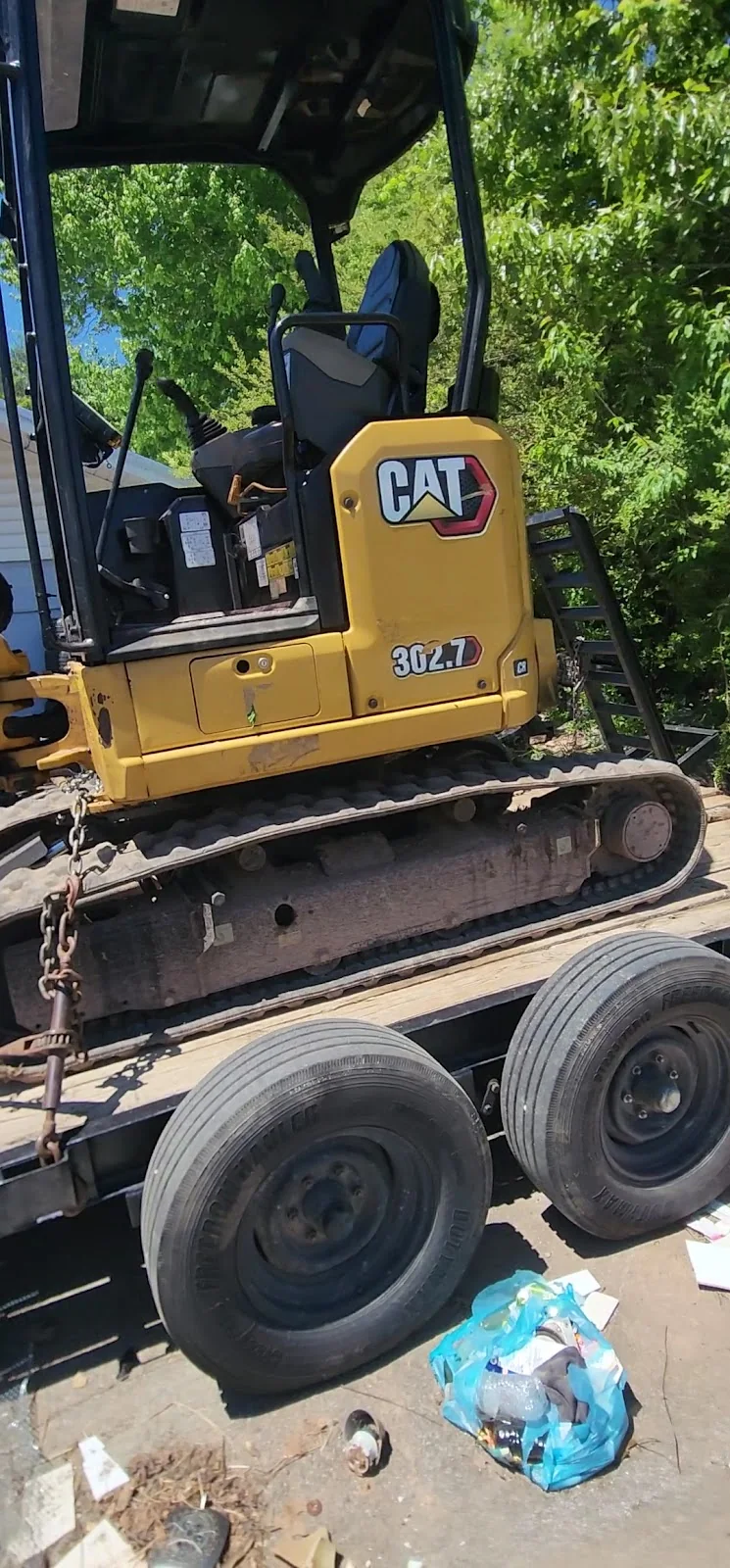
Drive the back roads off NC-110 toward the Pigeon River valley and you will see the problem before anyone quotes it. Lots here are cut into hillsides, hemmed by hedgerows, or reachable only over a culvert that has been there since the mill days. A skid steer is one thing; a track loader, dump truck, and excavator need a path that actually holds them. The first honest question a Canton clearing job answers is not how many trees come down. It is whether the machines can get in, work, and get out without tearing up a driveway or a neighbor's bank.
That access math drives the price more than acreage does. A flat half-acre off a paved road clears fast. The same half-acre behind a steep gravel drive with a tight turn takes twice as long, and the clock is what you are paying for. When we scope a job, we walk the entry first. The full service picture lives on the land clearing guide, and it is worth reading before you compare bids, because a quote that never mentions access is a quote built on a guess.
The dirt out and the gravel in — quarry distance sets the floor
Clearing produces two streams you have to move: the trees and brush, and the stumps and root balls. In steep Haywood County ground, root balls come out heavy and dirty, and hauling them off-site costs by the load. That is one reason stump removal carries its own line item instead of hiding in a per-acre number. Grinding stumps in place is cheaper; hauling them out is cleaner for a build pad. Both are legitimate, and a good bid says which one you are buying.
The other half of the equation runs the opposite direction. Grading and drainage after clearing need fill and crushed stone, and that material comes off a quarry truck. Canton sits a real haul from the closest aggregate sources, so gravel price here carries freight that a flatland job never sees. On a page like this, that freight is not a conspiracy. It is just distance, and it is why a grading quote in Canton can sit meaningfully above the same scope elsewhere in the state. The Haywood County grading cost breakdown lays out the line items so you can see where the freight lands.
What Canton clearing actually costs
Residential work in this county stays inside a predictable band. The table below is the working picture; anything at the top of a range reflects steep ground, tight access, or heavy haul.
| Scope | Typical range |
|---|---|
| Light brush and sapling clearing, accessible flat lot under half an acre | $750 – $2,000 |
| Mature tree removal and clearing, average residential lot | $2,000 – $5,000 |
| Clearing with stump removal and rough grading | $1,500 – $8,000 |
| Steep or heavily wooded acreage with haul-off | $8,000 – past $10,000 |
Two things bend these numbers upward: hillside grade, which slows every machine, and off-site disposal, which bills by the truckload. Neither is negotiable if the lot demands it. Both should be visible in writing before you sign anything. If a bid for a steep Canton lot comes in far under the rest, ask what it left out. The answer is usually stumps or hauling.
Storm and water history shape what you clear and how
Haywood County has seen 19 federally declared disaster events across 1973-2026, and the pattern is familiar mountain weather: heavy rain, swollen creeks, downed timber. That history matters twice for a clearing job. First, it means the ground you are working on has already been shaped by water, and drainage has to be planned into the clearing, not bolted on afterward. Second, it means debris and erosion control are not optional. Loose soil on a cleared slope heads downhill in the first hard rain, and it takes your neighbor's driveway with it.
Federal and state rules on stormwater and erosion apply once earth moves, and the EPA publishes the guidance that local inspectors lean on. The National Weather Service is the source for the flood and rain outlook that tells you when a cleared slope needs its silt fence up before the next front arrives. A crew that plans around that calendar is a crew that has worked here before.
Licensing, safety, and picking the right crew
North Carolina draws a line between a handyman with a saw and a contractor running heavy equipment on your property. Once a job crosses the state threshold, the crew needs to hold a license with the NC Licensing Board for General Contractors, and you can verify it in a minute rather than taking anyone's word. Tree work near power lines belongs to a different trade entirely, and utility clearance is not a detail to wave off.
Ask three questions before you hire. Can you walk me through the access plan and where the equipment will sit? What happens to the stumps and the dirt? And who handles the grading and drainage so the cleared pad does not wash out? The answers separate crews that clear land from crews that prepare it. If you are ready to compare local bids, start with the Canton grading contractors page to see how to vet them side by side.