Why Asheville-area lots pond differently than most of North Carolina
Drive out through the county seats and it becomes obvious: lots here were carved into ridges, not laid out on a grid. A Weaverville yard can slope 8 feet from the street to the back fence; a lot in Black Mountain may sit in a hollow that collects every neighbor's runoff. Even inside Asheville city limits, older neighborhoods like Montford and West Asheville have lots shaped by hundred-year-old property lines and clay-heavy subsoil that sheds almost nothing. That combination — slope above, clay below, and a house sitting in the middle — is why the puddle at the low corner is rarely about the low corner.
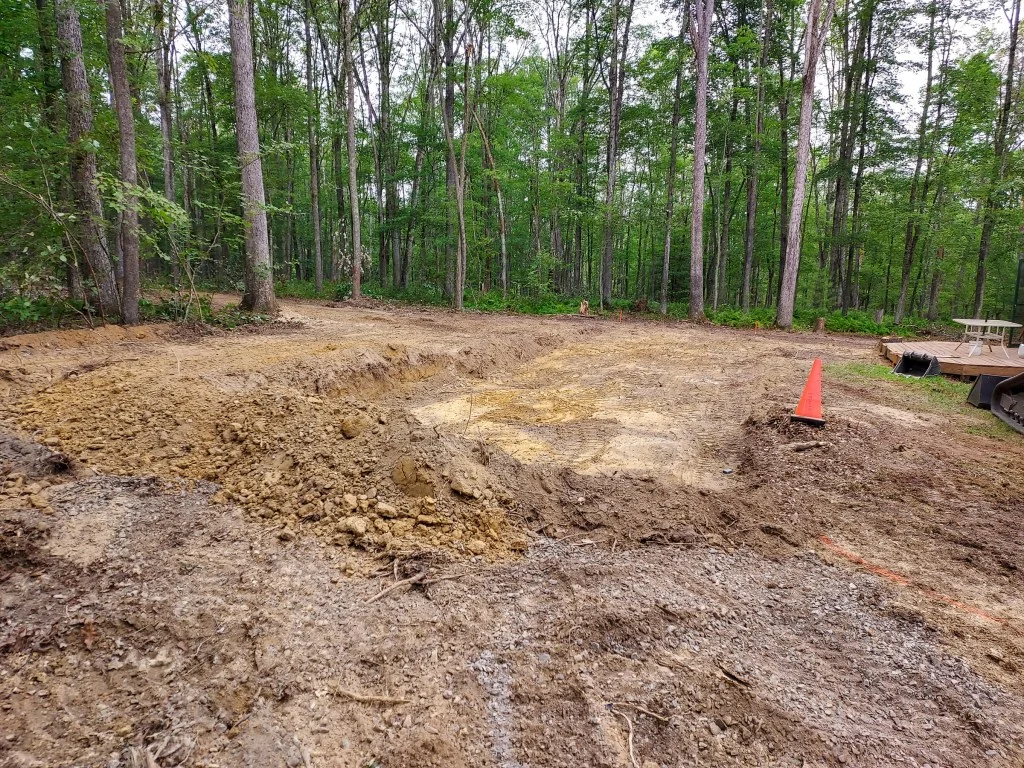
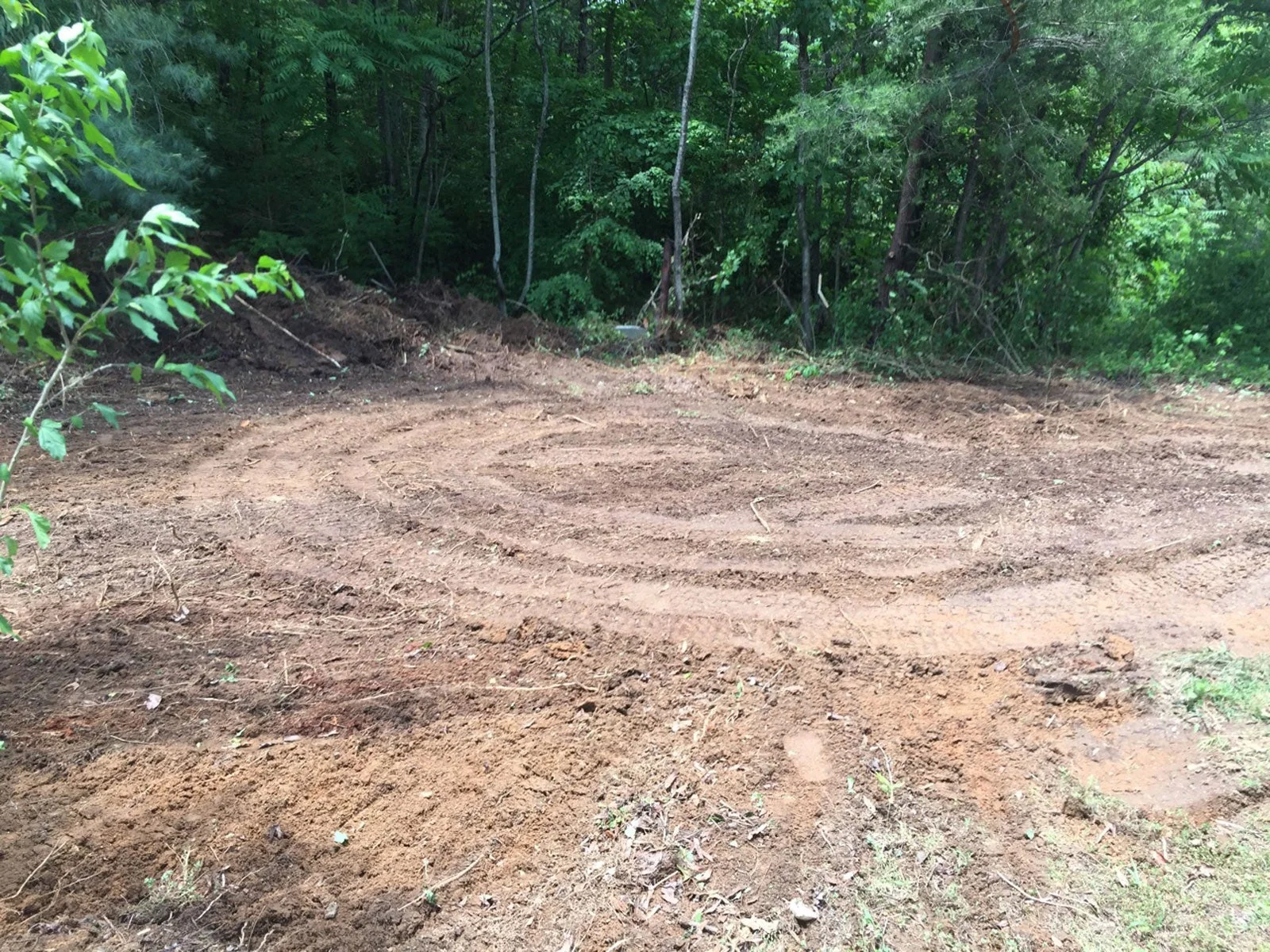
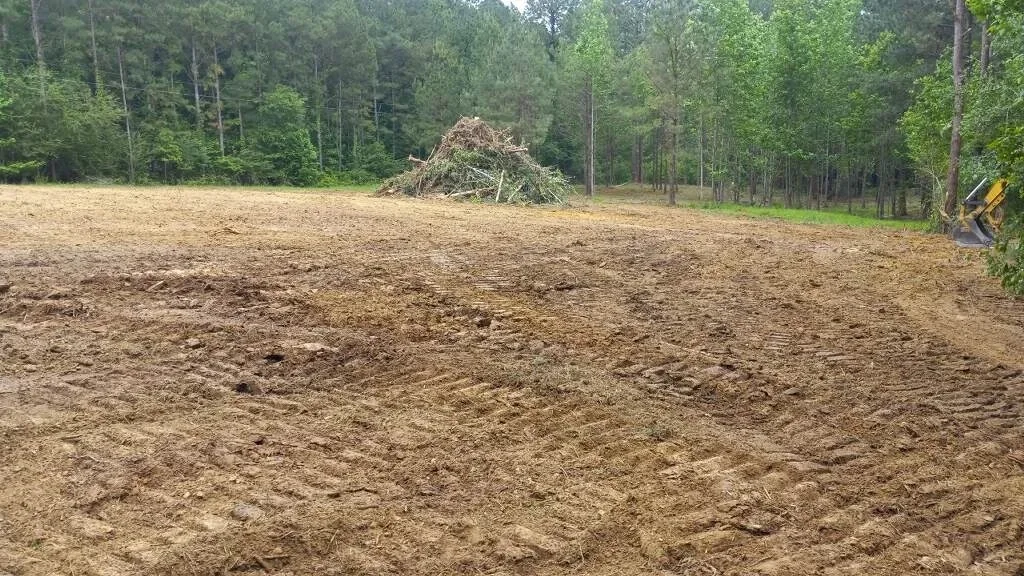
The usual culprits in this county: gutter downspouts that dump a few feet from the foundation, a yard that was regraded during an addition or a driveway pour and now tilts the wrong way, and natural swales that were filled in decades ago and never restored. The standing water in your yard after rain is usually water that used to go somewhere else.
Reading the water before you call anybody
Before you accept a bid, walk the property after the next hard rain and answer three questions. First, where does the water enter the lot — uphill neighbor, street, or roof? Second, where does it stop? A puddle that drains within an hour is a grading nuisance; one that sits for a day or more is a soil and slope problem. Third, is the low spot near the foundation? If water is ponding within a few feet of the house, that moves from a yard issue to a waterproofing and foundation-moisture issue, and the priority changes.
Buncombe County's storm record makes this concrete: 19 declared federal events touch this area going back 1973-2026, overwhelmingly storm and flood related. Yards that handled normal rain for years are now handling storm bursts they were never graded for. If your drainage problem started after a recent wet season, you are not imagining it.
What actually fixes standing water, ranked by scope
There are four honest tiers of fix, and the right one depends on how the water arrives and where it needs to go. Nobody reputable quotes a single number before seeing the lot. These are the regional ranges we see across Buncombe County:
| Scope | What it involves | Typical range |
|---|---|---|
| Targeted regrading | Reshaping low spots and restoring positive slope away from the structure | $1,200-$3,500 |
| Downspout and surface redirection | Extending discharges, surface drains, splash blocks, swale restoration | $800-$2,800 |
| French drain installation | Trench, perforated pipe, gravel, filter fabric, discharge point | $2,500-$8,500 |
| Full lot drainage plan | Engineering, multiple drains, dry well or daylight outlet, regrade | $6,000-$18,000+ |
Two rules of thumb. First, water always needs a legal place to go — draining onto a neighbor's lot or into a storm system without permission creates a new problem you will own. Second, the cheapest fix that actually works beats the most elaborate system every time. A $1,400 regrade that solves the problem is a better job than a $9,000 drain field that treats a symptom.
When the fix belongs in the yard and when it belongs at the house
It helps to separate yard drainage from foundation drainage, because they get sold together and often should not. If water is ponding in the middle of the lawn and the crawl space is dry, you have a yard problem, and yard leveling or a targeted regrade is usually the whole answer. If water is sitting against the foundation, wicking up the block, or the crawl stays damp after the puddle is gone, you have a house problem disguised as a yard problem, and no amount of surface draining will fix it alone.
The middle case is the most common in this county: the yard slopes toward the house. That is a grading question first. The guide to yards that slope toward the house walks through how that gets corrected without tearing up the whole lot, and when a drain is genuinely the right tool rather than the expensive tool. Where a drain is the answer, French drain installation covers the trench, pipe, and discharge details so you can tell a real scope from a vague one.
Permits, rules, and picking a crew in Buncombe County
Most residential yard grading and drainage work does not require a building permit, but two situations flip that. Work that changes drainage onto a neighboring property, or that touches a stream buffer or floodplain, can trigger county review — and the NC Building Code Council and NCDOI Engineering Division set the standards your contractor should be building to. Any crew relocating a sewer or water line as part of the dig needs the right licensed trade under the NC State Board of Examiners of Plumbing, Heating and Fire Sprinkler Contractors; general contracting over the state threshold requires a license through the NC Licensing Board for General Contractors. Ask, and get the answer in writing.
Three checks before you sign: ask how they determined the discharge point for the water, not just where the drain goes; ask for a before-and-after grade plan on any job over a few thousand dollars; and ask what happens if the storm that caused the problem is bigger than the drain was sized for. A crew that answers all three without hedging is the one you want.