Where the money actually goes on a Haywood County slope
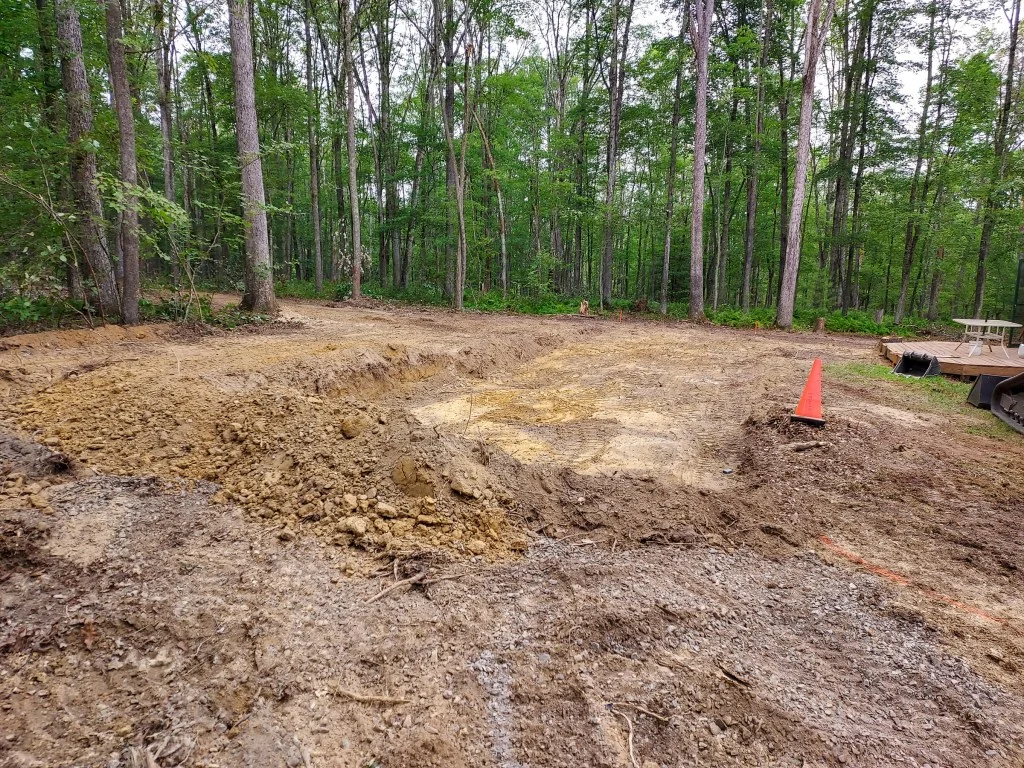
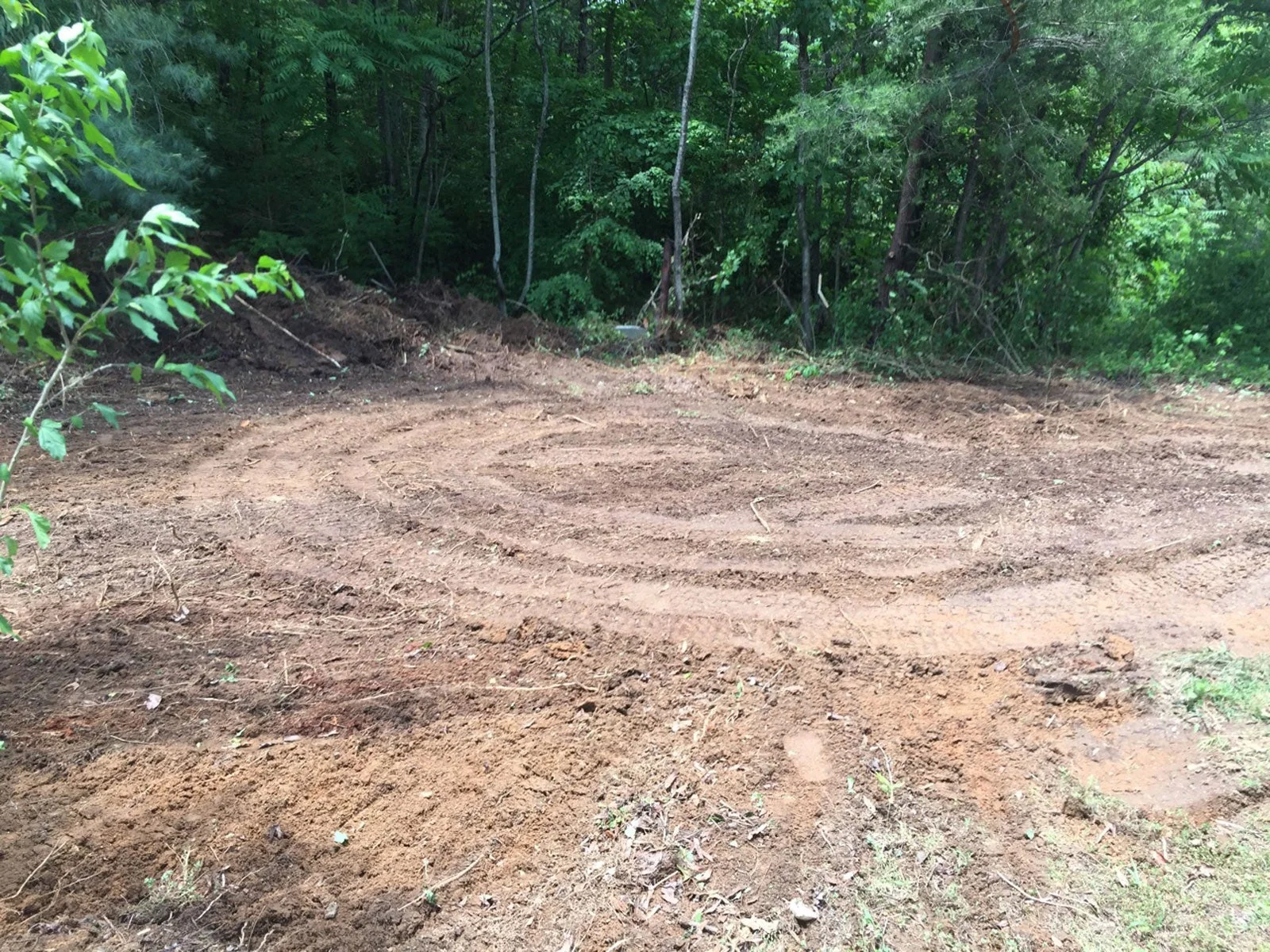
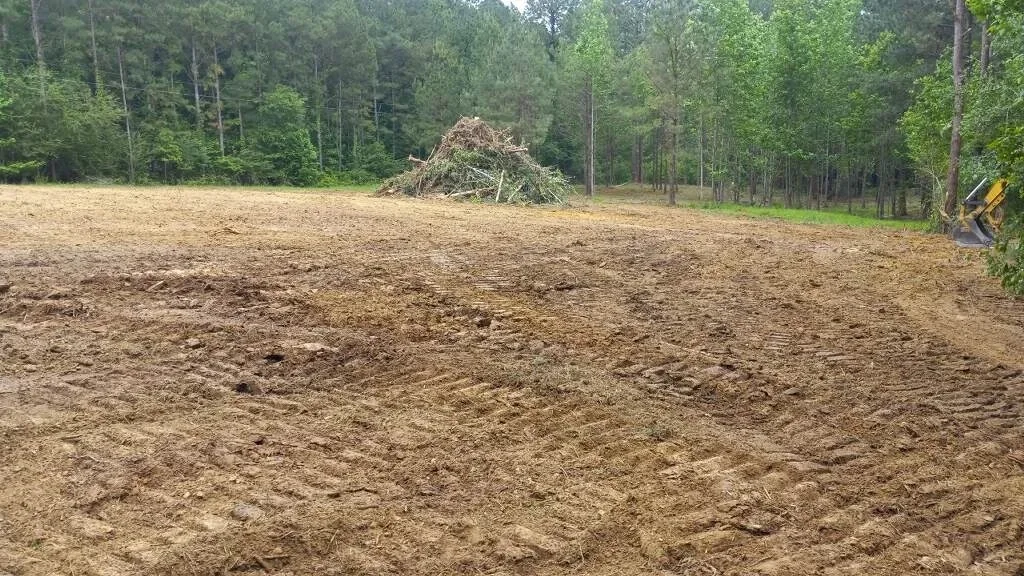
Maggie Valley driveways are rarely flat and rarely short. Most lots step up off the valley floor toward the ridges, which means the number you get is less about gravel and more about everything that has to happen before gravel looks like a driveway. Four line items move the price here more than any other: haul distance from the pit to a road that may not take a loaded tandem, the drainage package (culvert, ditch, and where stormwater leaves the property), base depth where the subgrade is soft or springy, and the cut-and-fill required to make a 12 to 15 percent grade hold a vehicle in winter. A half-mile drive off a state-maintained road is a different job than a 120-foot apron in town, and it should price like one.
That is why two neighbors with similar-looking lots can see quotes thousands apart. One has a culvert already set at the right elevation and a graveled turnaround; the other needs a new crossing, a swale, and three inches of #3 stone before a single inch of surface course is placed.
Consider the difference between a lot off Soco Road near the valley floor and a ridge lot up toward Waterrock Knob or along the Plott Creek drainage. The valley lot might have 30 feet of flat apron and a county-maintained pull-off. The ridge lot might have 600 feet of drive climbing 80 vertical feet, with a switchback that a tandem dump truck cannot navigate without backing down and losing time. That switchback alone can add hours of labor and a smaller truck, which costs more per ton delivered. The gravel itself is often the cheapest line item on the page; the access is what you are really paying for.
Another local factor: many Maggie Valley lots were cut in the 1960s and 1970s when grading standards were looser, and the existing drive may follow a fall line straight down the hill rather than contouring. Fixing that geometry means re-cutting the grade, which is earthwork, not gravel. A contractor who bids only stone on one of those drives is bidding an incomplete job.
Scope vs. installed price, line by line
The table below reflects typical Maggie Valley-area scopes. Treat it as a planning tool, not a bid. Slope, access, and how far the truck has to back up are the variables no table can settle.
| Scope | Typical installed range |
|---|---|
| Short residential apron, 10–12 ft wide, 4 in base + 2 in surface | $1,800–$2,900 |
| Standard drive, 12 ft wide, 100–200 ft, with fabric and ditch | $2,900–$5,500 |
| Long mountain drive with culvert, swale, and turnaround | $5,500–$8,000 |
| Steep or extended drive needing cut-and-fill and deep base | $8,000–$12,000 |
| Regrade and re-gravel existing drive (base in place) | $900–$2,800 |
If a quote comes in well under the first row, ask what base depth and what stone spec it assumes. The cheapest bid in this trade is usually the one that skips the layer that keeps the drive from rutting in March.
Read the table as a stack of decisions, not a menu. A 150-foot drive on a gentle grade with good native soil and an existing culvert lands in the second row. Add a stream crossing, a 20 percent pitch at the top, or a subgrade that pumps when wet and you move down a row or two. The stone quantity may only change by a few loads, but the equipment time and the drainage work change by days.
One more local note: in Maggie Valley the frost depth and the spring thaw matter as much as the slope. A drive that is fine in August can turn to pudding in March if the base is too thin and the ditch does not daylight. That is why experienced local crews build deeper than the minimum code or guidebook suggests. It costs more up front and less over the next decade.
Stone choice is a Haywood County decision, not a preference
Surface gravel gets sold as a look. On these grades it is a traction decision. A washed #57 or #67 surface rolls under a loaded truck on a 15 percent pitch; a crusher-run or #3 base locks up and stays put. The rule of thumb here: build the base with a stone that compacts into a mat, then cap with a smaller stone that knits into it. On drives that shade out all winter, skip the round river rock entirely — it will not bind, and you will be re-grading every spring.
Drainage is the other non-negotiable. The EPA treats stormwater runoff as a leading cause of stream impairment, and Haywood County's creeks are no exception; a driveway that sheet-flows silt into the ditch is a liability as well as a maintenance problem. Crown it, ditch it, and get the water to a legal outlet.
What does that look like on the ground? A crowned drive sheds water to both shoulders, a ditch on the uphill side intercepts sheet flow before it reaches the driving surface, and a culvert or turn-out moves that water to a stabilized outlet instead of dumping it on the neighbor's bank. In Maggie Valley, where lots often sit below a steep wooded slope, that uphill interception ditch is frequently the difference between a drive that lasts and one that washes out every time a summer storm parks over the valley.
Stone sizing is also a hauling question. Local pits produce different gradations, and a contractor who knows which pit is running clean #3 versus dirty crusher-run will spec the right material for your base. Ask where the stone is coming from. A pit 20 minutes away versus an hour away changes the delivered price per ton, and on a long drive that adds up across dozens of loads.
Water, disaster history, and the drive you actually get to keep
The federal record explains why driveway calls spike after weather here: 19 declared disaster events touch this county across 1973-2026, and the pattern is overwhelmingly storm and flood family. Each one pushed water at drives that were graded for a drier assumption. That history matters at the bid stage, because it means a driveway built without a drainage plan is a driveway with a clock on it. The National Weather Service tracks the rainfall that triggers these events, and the pattern is the same one you're designing against in your own yard.
In practice that means sizing the culvert for the storm that actually happens, not the average storm. It means armoring the outlet so the water does not dig a crater at the end of the pipe. It means building the crown steep enough that a heavy rain sheet-flows off instead of soaking in and softening the base. None of that is exotic; it is just the difference between a driveway built for a postcard and one built for Haywood County weather.
Homeowners who have lived through a washout here tend to ask better questions the second time: where does the water go when the ditch fills, what happens if the culvert plugs with leaves, and can a plow truck push snow without catching the edge of the drive. Those are the right questions, and a good local contractor will have answers before you ask.
This is also where the scoping conversation with a grading contractor pays for itself — see the local grading contractors page for what a proper site visit should cover before any stone is quoted.
The licensing line and who should be doing the work
North Carolina draws a clear line at the NC Licensing Board for General Contractors: once a grading or driveway project crosses the statutory dollar threshold, the person taking your money needs to be licensed for that work. Ask for the license and verify it — that is the whole check. For anything involving drainage that ties into a septic system or a well, separate licensing rules apply through the NC State Board of Examiners of Plumbing, Heating and Fire Sprinkler Contractors, so a driveway crossing those improvements needs a crew that knows where the line is.
Before you sign anything, get the scope in writing. What stone, what depth, what drainage, what happens to the spoils. The driveway grading and gravel guide walks through the line items a real quote should itemize, and the Haywood County grading cost breakdown puts local ranges on the earthwork side of the job.
Ask too about insurance and about who pulls any needed right-of-way or driveway permit. In Maggie Valley, where many drives meet a state-maintained road, the permit and the culvert at the connection point are often the first things an inspector looks at. A contractor who handles that paperwork as a matter of course is telling you something about how the rest of the job will go.
Finally, get a written start date and a written payment schedule tied to milestones, not to a handshake. The best local crews are busy after storms, and a clear schedule protects both sides when the weather turns.