Getting machines onto a Fairview lot is half the estimate
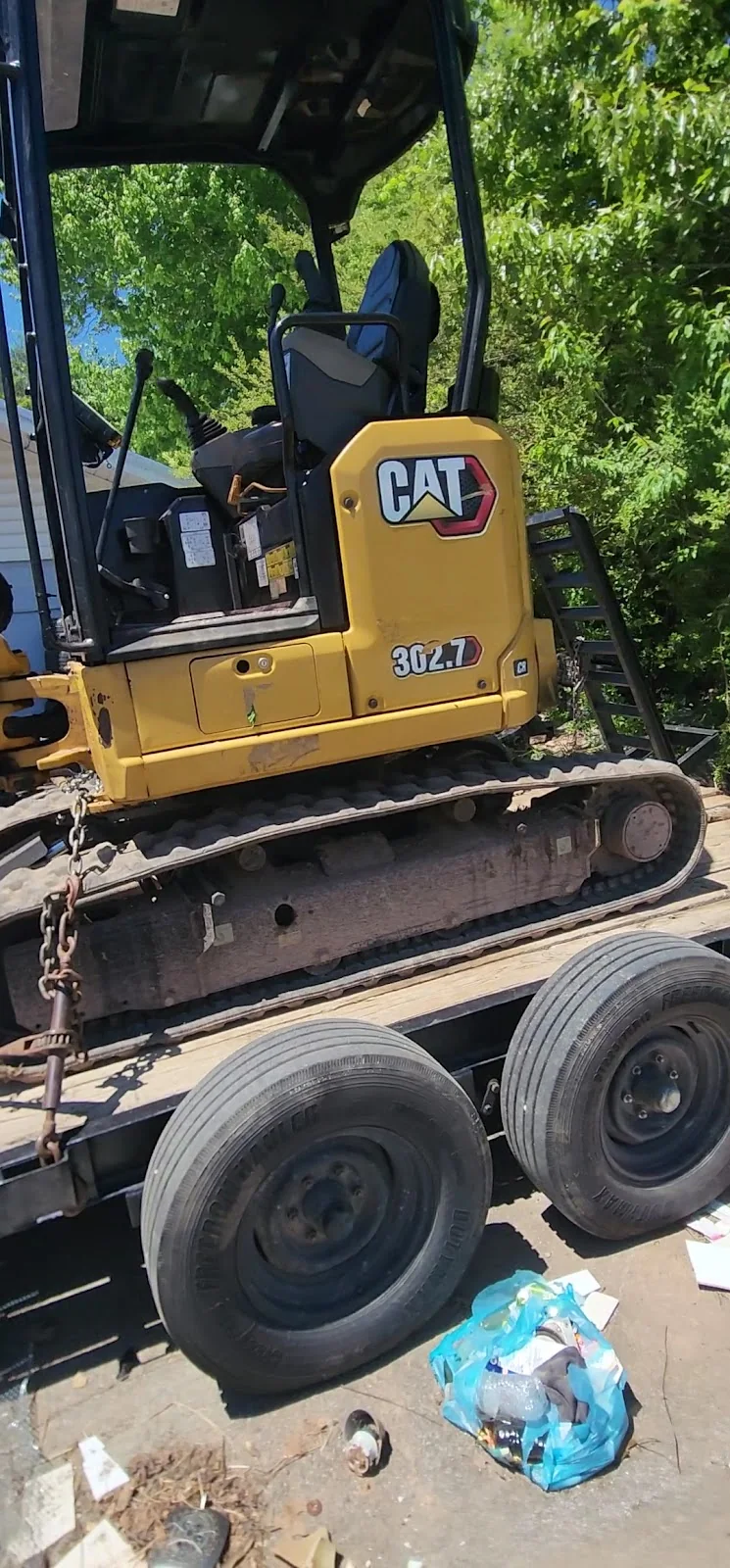
Fairview is not a grid town. It is a scatter of hollows and ridge roads southeast of Asheville, where a driveway can drop twelve feet off the pavement before it reaches a homesite, or climb a grade that a loaded dump truck will not touch after rain. A crew can clear the same half-acre here for two very different numbers depending on whether a skid steer walks in or an excavator has to be winched down a switchback. That access question is the first thing a real estimator looks at, not the tree count.
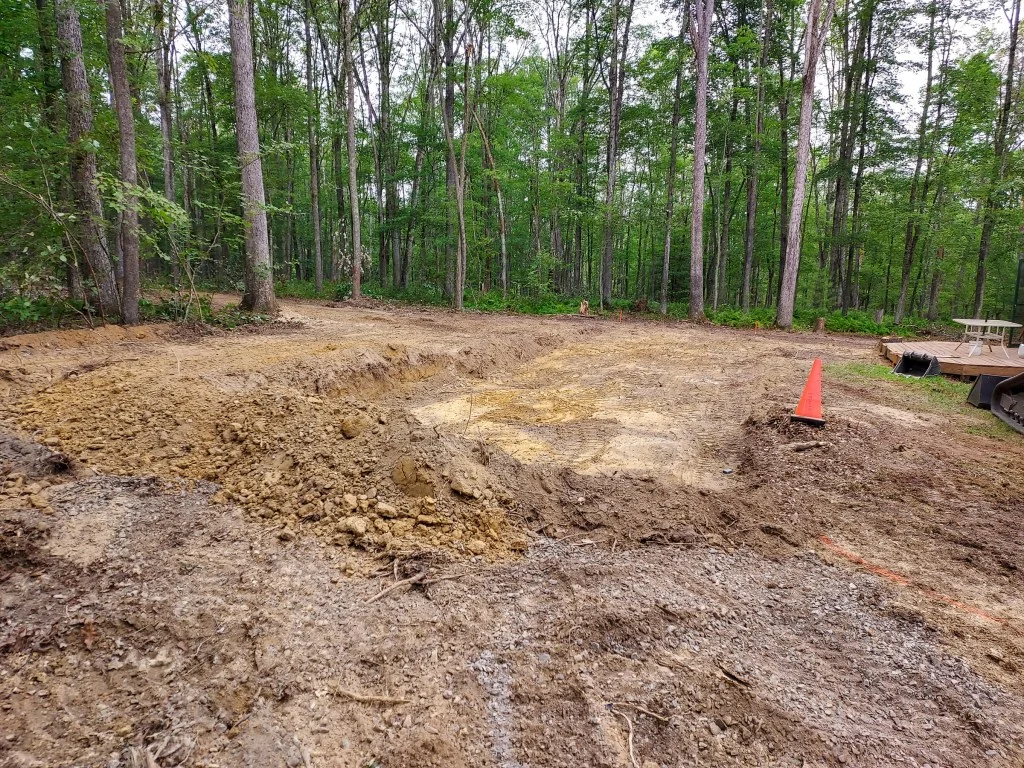
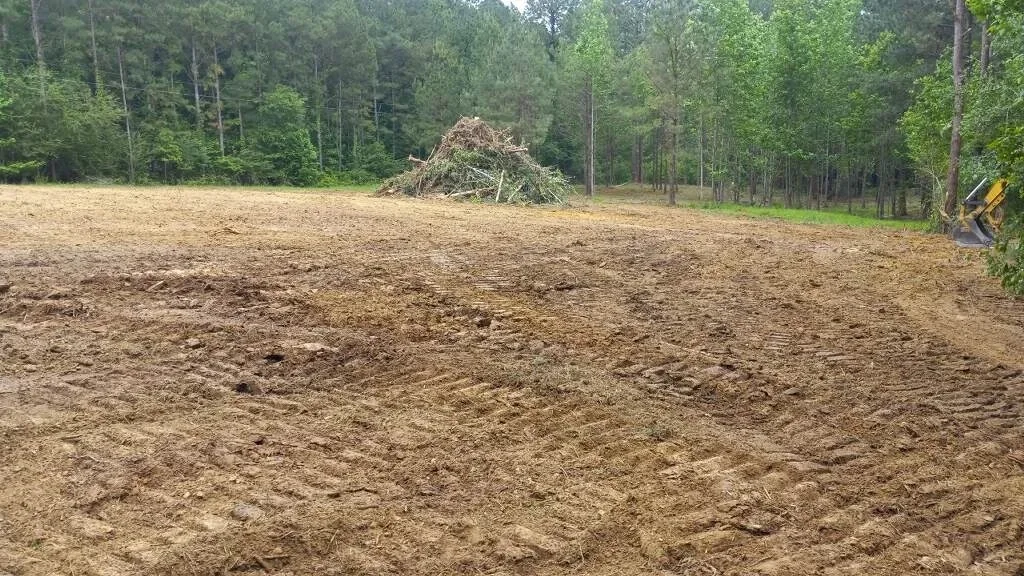
Then comes the dirt. Clearing generates debris, and debris has to go somewhere. Brush and logs can often be chipped or burned on site with the right permits; stumps and rocky spoil usually cannot. On a lot with a tight gate or a culvert that will not carry a tandem axle, haul-out cost rises fast. Nearby quarry distance sets the gravel price when the job ends in a graded pad or driveway, and Fairview's quarry runs are short enough to help, but only if the trucks can actually reach the site. The full land clearing services overview covers how access planning fits the whole scope.
What the ground here actually holds
Buncombe County terrain is not uniform, and Fairview sits in some of its steeper folds. Expect a mix of hardwood and pine with dense understory, and a lot of rock just under the leaf litter. That rock matters: ripping roots out of shale-ledged ground takes more machine time than the same acreage on bottomland, and stump grinding hits a ceiling fast when the grinder keeps finding stone. Lots that were pasture a generation ago clear cheaply; lots that have grown up since the last timber cut do not.
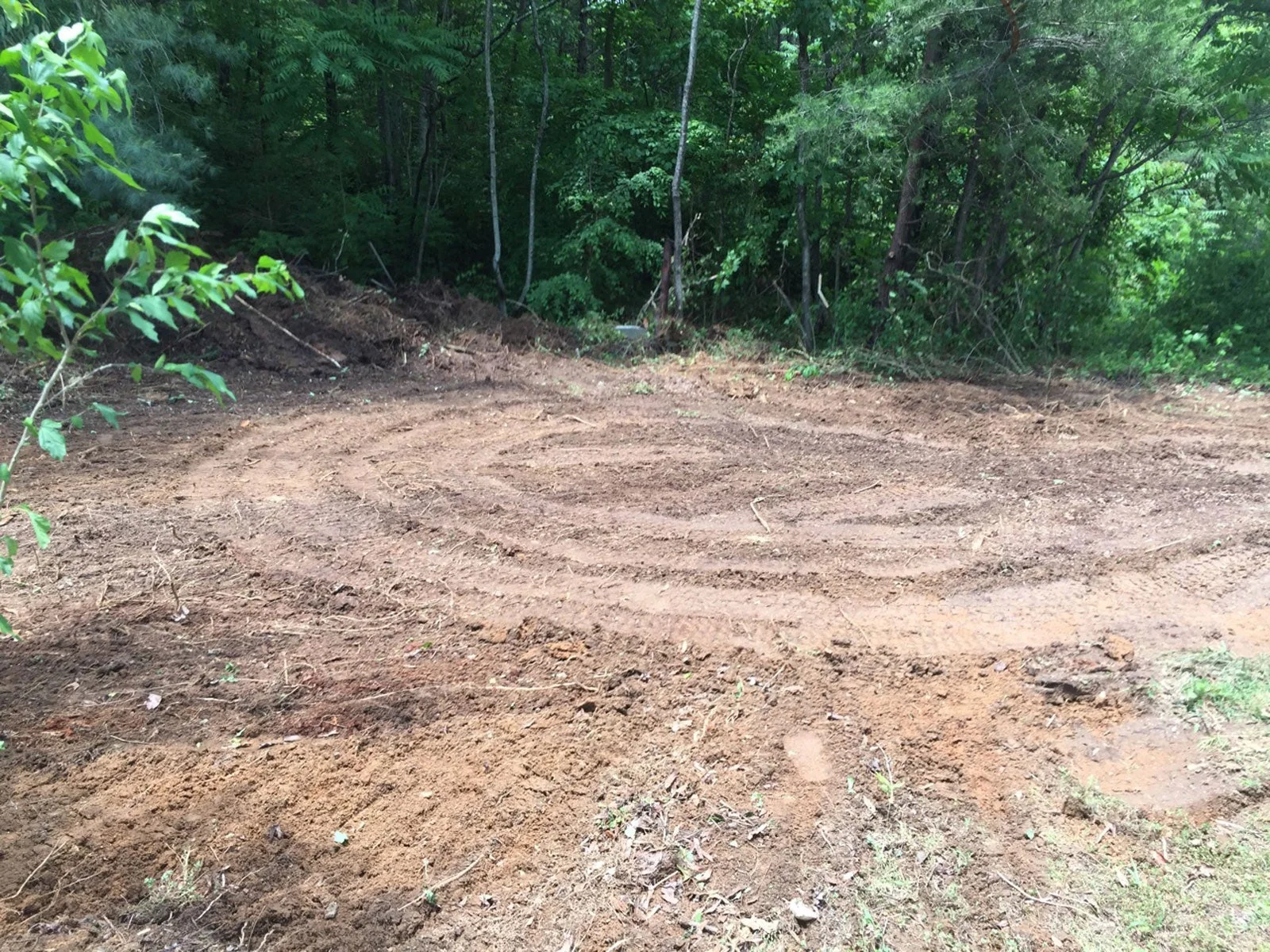
The honest rule is that density, slope and ground hardness set the hours, and hours set the price. A quarter-acre building envelope on gentle ground is a one or two day job. An acre of hillside the owner wants opened for a homesite, driveway and septic field is a different project wearing the same name.
Storm history reshapes what needs clearing
Western North Carolina's storm record is not background noise. 19 federal disaster declarations touch this county (1973-2026), and the pattern is wind and flood family events. After a serious wind event, Fairview lots fill with leaners, widow-makers and root-pulled trees that a homeowner should not cut alone. The National Weather Service tracks the systems; the cleanup falls to whoever owns the ground, and hazard-tree removal is priced by risk, not by board foot.
Water is the second legacy. Ground that flooded or washed out carries silt, debris and undermined root plates, and clearing for a build on that ground should start by reading where the water went. A cleared pad without drainage thought behind it just moves the problem downhill.
Scope-to-price rows, so a bid can be checked
| Scope | Typical range | What moves it |
|---|---|---|
| Brush and understory only, keep trees, chip on site | $750–$2,000 | Density, gate width, chipper access |
| Lot clearing, trees felled, logs left for owner | $1,500–$3,500 | Tree size, slope, drop zones near structures |
| Clearing with stump removal | $2,500–$6,000 | Stump count, rock in root zone, grind vs. pull |
| Clearing, stumps and rough grading to pad | $4,000–$8,000 | Cut-and-fill volume, spoil haul distance |
| Steep or heavily wooded acreage, access work included | Over $10,000 | Switchback building, winching, off-site haul |
Line-item grading and haul ranges live in the Buncombe County grading cost breakdown; the table above is the clearing side of the same job. A bid that shows one lump number with no access, spoil or drainage line is not cheaper, it is less complete.
Site work over the contractor threshold is regulated work
Clearing itself is not licensed contracting in North Carolina, but the grading, drainage and structure work that usually follows it can cross the line. The NC Licensing Board for General Contractors sets when a project needs a licensed general contractor, and a Fairview job that runs from clearing to a finished pad to a foundation is one project, not three favors. Ask early which parts of your scope pull a licensed contractor and which do not.
Two more rules worth knowing before machines arrive: burning brush requires attention to state and local burning rules, and any stream, wetland or buffer on the property changes what can be disturbed at all. The EPA publishes the federal framework for wetlands and stormwater that county rules build on. A crew that asks about streams before quoting has done this before; one that does not has not.
Sequencing the job so the money is not spent twice
The cheapest clearing is the one that leaves the ground ready for the next step. That means deciding the building envelope, driveway centerline and septic area before any tree comes down, so the clearing crew leaves the right trees and grinds the right stumps. It means planning where spoil goes, because hauling it twice costs like hauling it once times two. And it means grading and drainage in the same work order as clearing, not a season later when the pad has already settled wrong.
Crews that live in this part of Buncombe County can usually be found through the local Fairview grading contractors list, and the ones worth calling will walk the access before they talk price.