Red clay, shallow rock, and old fill: what Arden ground does to a grading bid
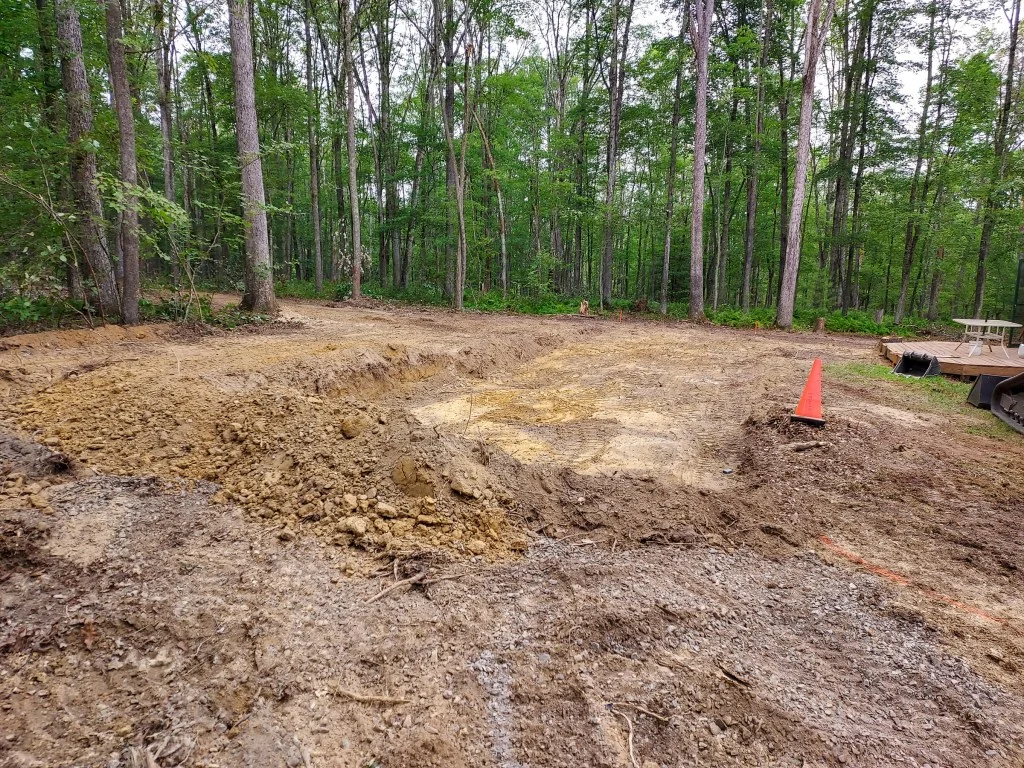
Drive ten minutes in any direction from the Fletcher-Arden corridor and you cross three different digging problems. On the flatter ground near Long Shoals Road, the topsoil gives way to red clay that swells when wet and shrinks when dry — a soil that grades easily but refuses to drain on its own. Up toward the Blue Ridge escarpment, that same clay sits on shallow saprolite and rock, so what looks like a simple cut turns into a rock job the moment the bucket bites. And under a surprising number of mid-century lots, there's old fill — pushed dirt from an earlier build, never compacted to anything resembling modern standards — that has to be undercut and re-laid before anything structural can sit on it.
That's why the honest first step on any Arden lot isn't a price, it's a look: where the rock is, how deep the clay goes, and whether what you're standing on is native ground or somebody's 1960s fill. A quote that skips that question is guessing.
What the work actually breaks into, and what each piece costs
Grading isn't one line item. It's clearing, cutting, moving, compacting, draining, and re-covering — and the cost story lives in how those pieces stack up on your specific ground. The [[/grading-cost-buncombe-county-nc/]] table breaks the whole county down; the working ranges below reflect what Arden's soils and terrain do to those numbers.
| Scope | Typical Range | What drives it |
|---|---|---|
| Rough grade, small flat lot (under 1/4 acre) | $1,800–$3,500 | Clay-only cuts, minimal haul-off |
| Grading with drainage correction (swale, french drain) | $3,000–$6,500 | Where uphill runoff has to go; clay won't perc |
| Cut-and-fill on sloped ground (rock likely) | $5,000–$9,000+ | Rock removal, engineered fill, compaction testing |
| Excavation for foundation or driveway prep | $2,500–$7,000 | Depth, access, spoil haul distance |
| Old-fill remediation (undercut, re-compact, re-grade) | $4,000–$10,000 | How deep the bad material goes |
Rock is the single biggest swing. In the escarpment-adjacent neighborhoods, a cut that would be a half-day of clay work can turn into days of breaking and hauling — and hauling is priced by the load, not the hour. Ask any Arden contractor how they handle unexpected rock before you sign, not after.
Water is a grading problem before it's a foundation problem
Arden sits in a county with a long storm and flood record: 19 federally declared events touch this area across 1973-2026. Each one pushed water across ground that was graded for a drier assumption — and red clay doesn't forgive that. Water that can't soak in has to be sent somewhere deliberately, which is why grading and drainage are the same conversation here, not two.
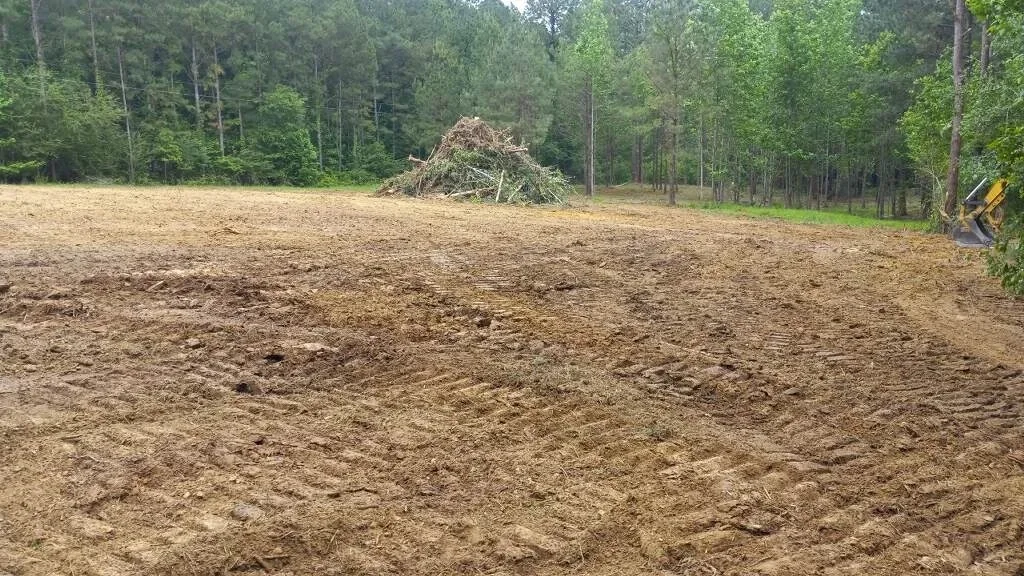
The state's residential code treats site drainage as a structural requirement, not an aesthetic one: NC Office of State Fire Marshal code enforcement enforces the provisions that govern how grade has to slope away from a structure and how foundation drainage must be handled. The International Code Council publishes the model code those provisions are built on, if you want to read the actual language on site drainage and fill compaction. If a grading bid doesn't mention where the water goes, it's half a bid. If you're starting from raw ground, [[/land-clearing/]] usually has to happen first — you can't grade what you can't see.
Reading a bid like someone who's dug in this dirt
Three things separate an Arden-capable grading contractor from a crew that mostly works flat ground. First, they ask about rock — not as an upcharge disclaimer, but as a real question about your address and what's under it. Second, they talk about compaction in numbers, not adjectives: fill placed in lifts and tested, because old fill in this county is exactly what causes the settling cracks homeowners call about years later. Third, on anything structural, they know where the licensing line sits — the NC Licensing Board for General Contractors sets the threshold at which a project requires a licensed general contractor, and a grading outfit that can't tell you which side of that line your job is on is one to pass on.
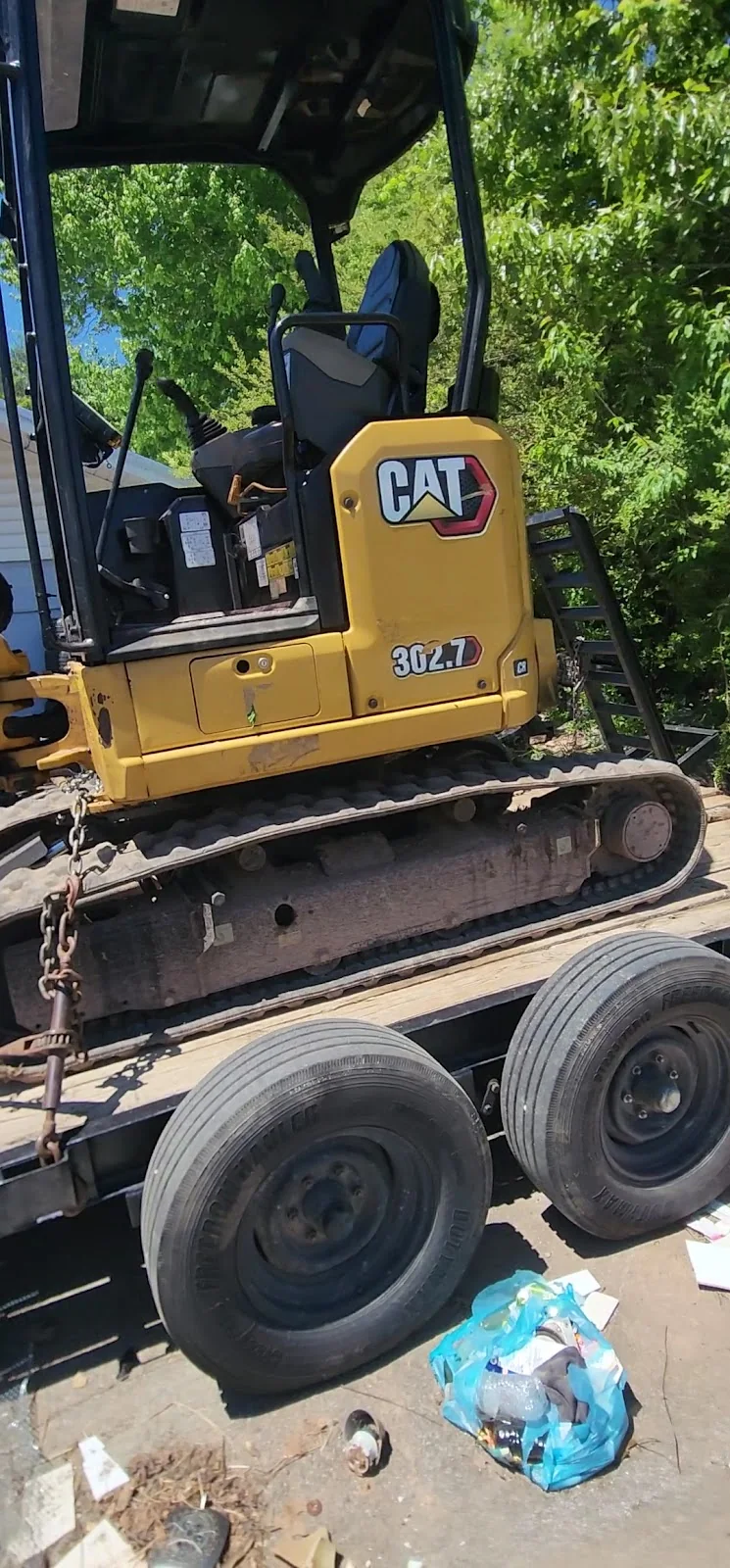
When the job is bigger than a simple regrade — a homesite pad, a long driveway cut, a lot that needs real excavation — the [[/grading-and-excavation/]] overview walks through how the scopes fit together. Most homeowners in Arden need two or three of these pieces, rarely all of them.
How to sequence the job so you don't pay twice
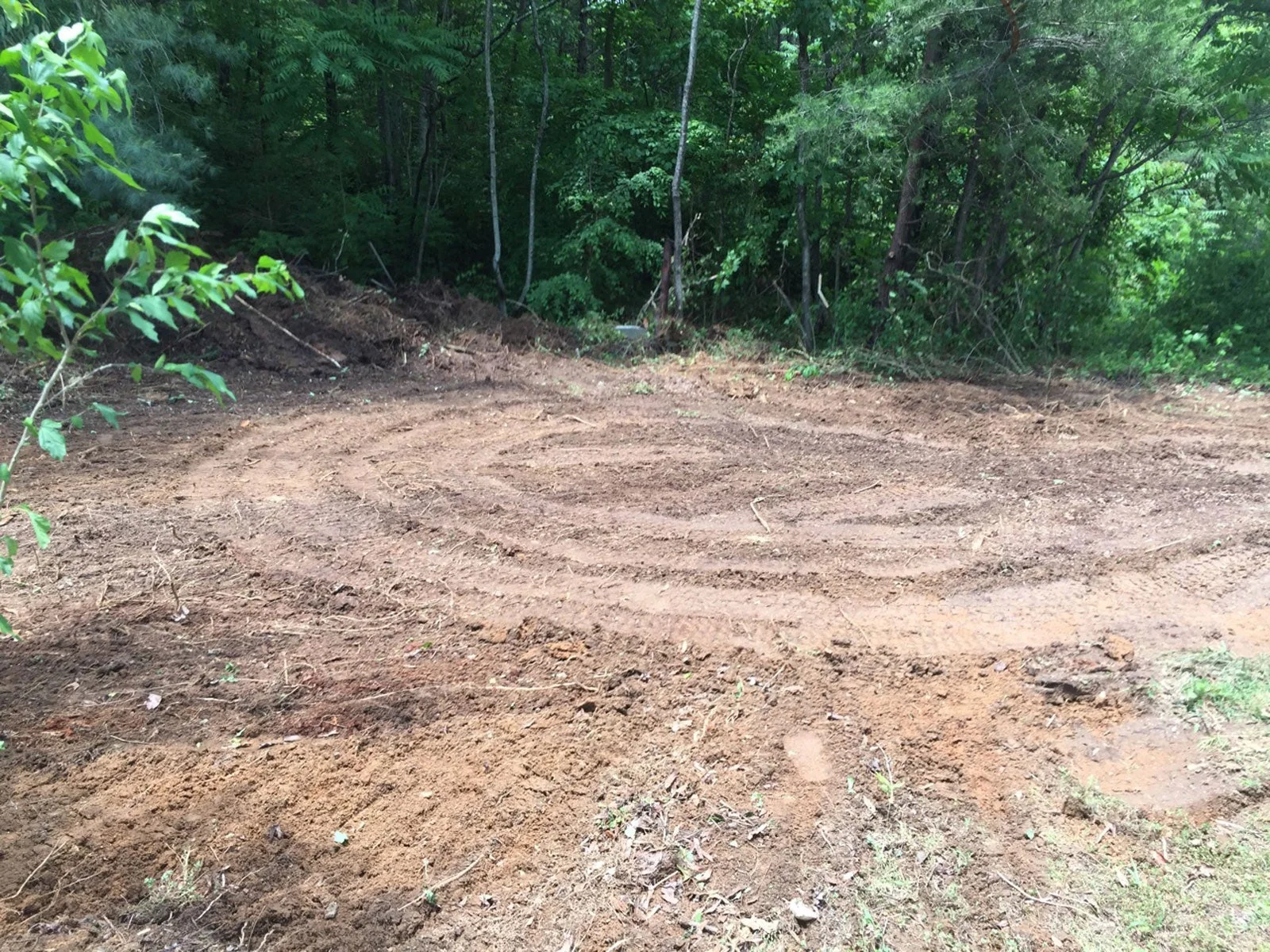
Grading done in the wrong order is money lit on fire. Clearing before you know where the pad goes means clearing twice. Grading before drainage is planned means re-grading after the first big rain. And laying fill before you've confirmed the native ground underneath is competent means paying to fix settling later — a bill several times larger than the compaction testing that would have prevented it. The right sequence on almost every Arden lot: clear, probe and confirm what's actually there, plan where water exits the site, cut and fill in tested lifts, then finish grade and stabilize. Contractors who frame the job in that order are usually the ones who've been burned by skipping a step.