The access problem is the Arden job
Arden sits south of Asheville between the French Broad River bottoms and the Blue Ridge escarpment, and the housing falls into two excavation worlds. River-bottom lots off Long Shoals Road are flat and open, but they drain poorly and the water table is close. Slope lots up off Sweeten Creek, Averys Creek, and the ridges toward Elk Mountain are the opposite problem: plenty of fall, almost no room to swing a machine. In Arden, the excavator that can fit through your driveway gate matters more than the one with the biggest bucket. That constraint shapes every number below, so it's worth saying plainly before anything gets priced.
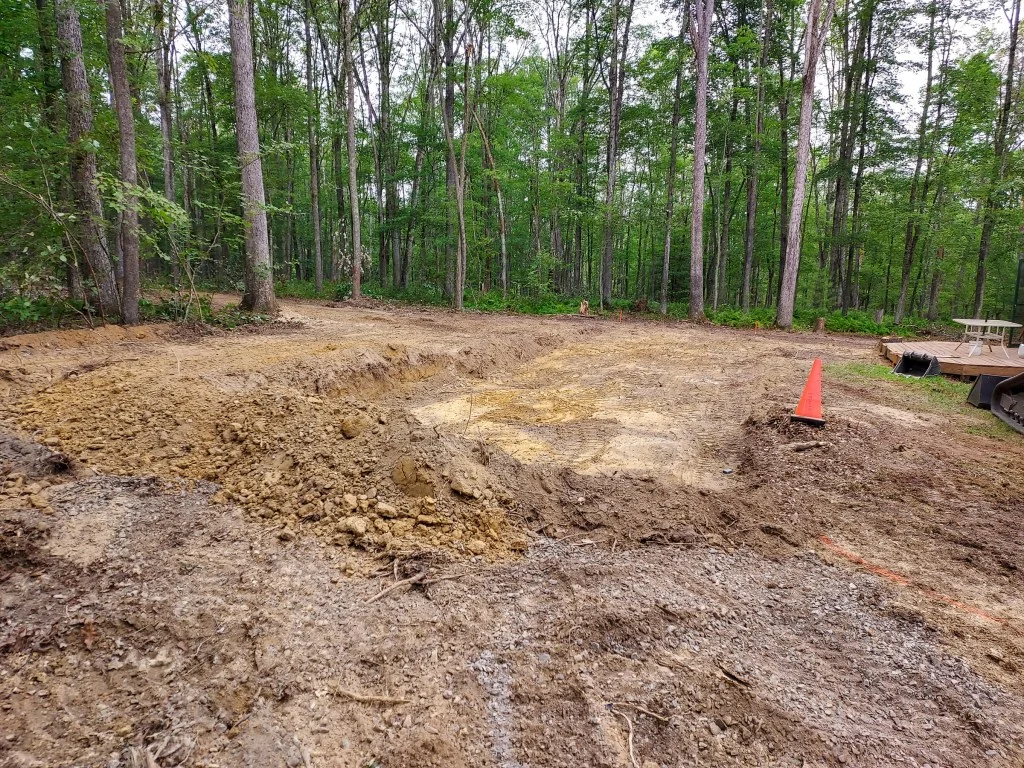
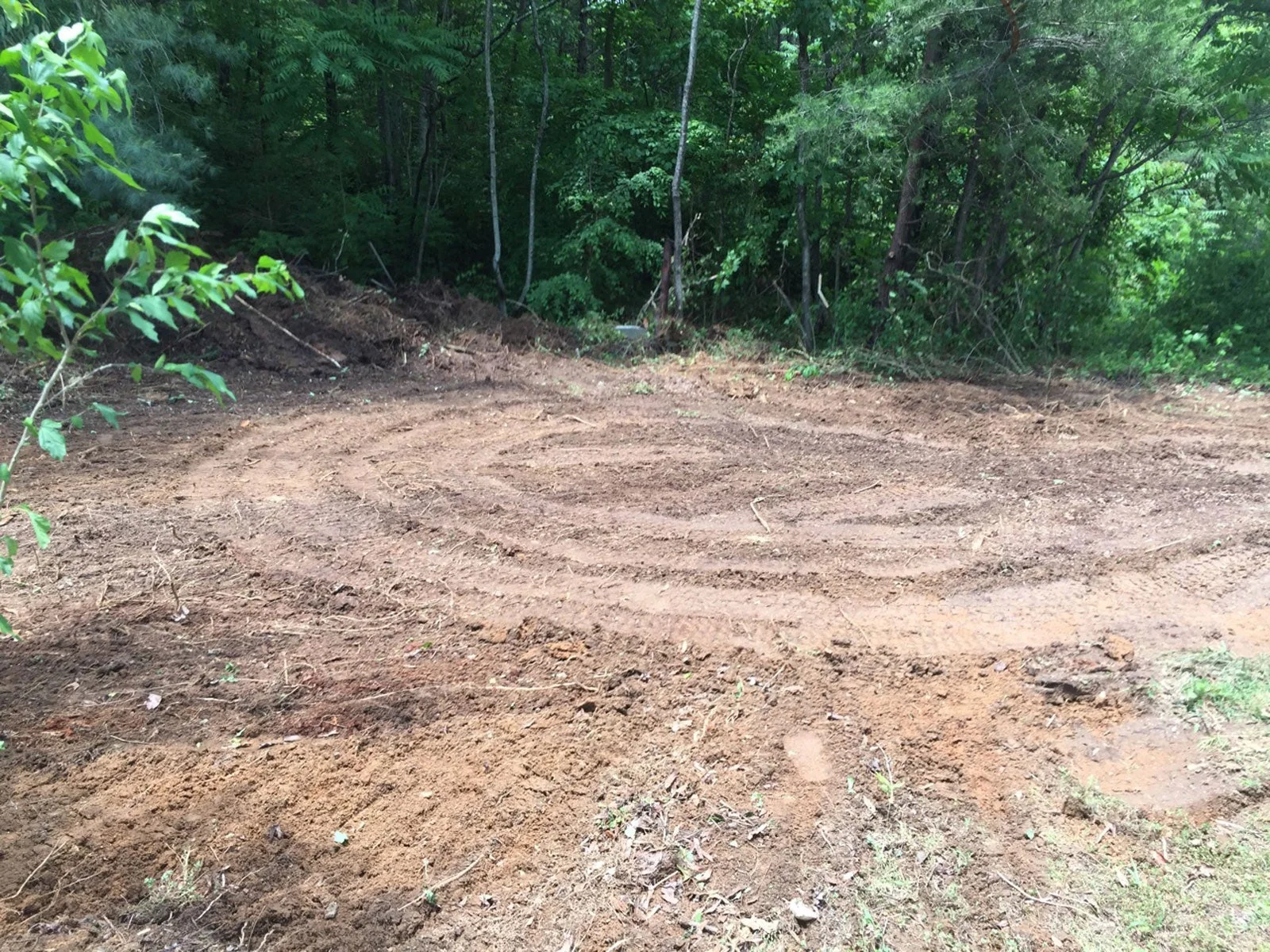
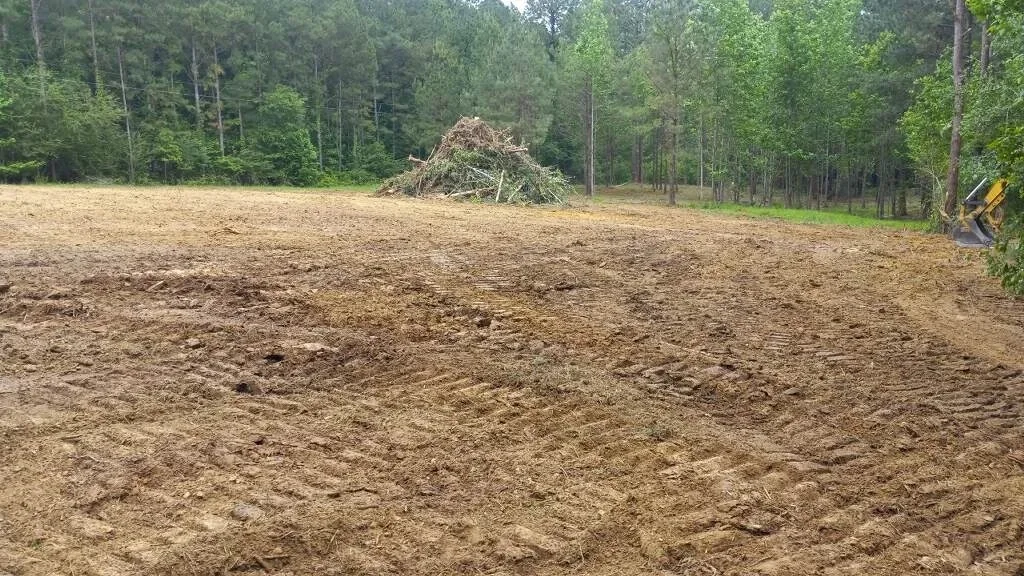
Three things drive cost here more than depth: how far the machine has to reach, where the spoils can legally sit, and how many truckloads have to leave. A dig on a flat Long Shoals lot with driveway space can often side-cast dirt and pull it back. A cut into a 20-degree slope off Averys Creek usually means every yard goes out and new gravel comes in — and that trucking is what moves a mid-range job toward the top of the range.
Getting machines in: driveway width, grade, and gate clearance
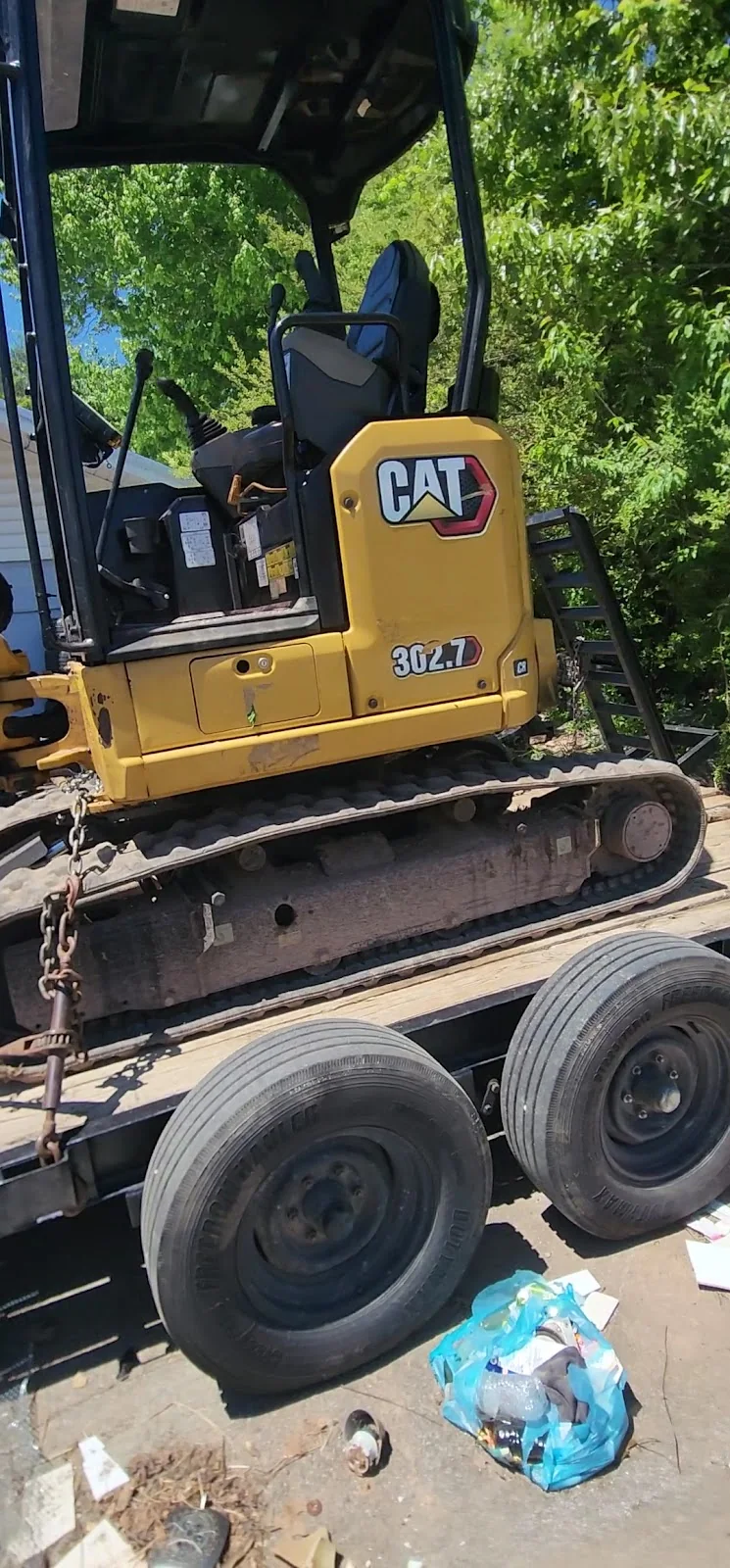
Standard trackhoes on a lowboy are roughly what a rural two-lane can handle. Arden's older subdivisions were platted when the expectation was a pickup, not a 30,000-pound machine. If your driveway is under about 10 feet wide, has a switchback, or crosses a culvert not rated for equipment, the crew has to stage on the road and reach — slower, more careful, and usually a smaller machine. That can add a line item. Silt fence and inlet protection are also on the excavator, not optional. The EPA stormwater rules and the state's erosion-control permit conditions are what make that line item real rather than padding.
For anything structurally unusual — underpinning next to an existing foundation or digging within a slope's influence zone — the work crosses into general contracting territory. The NC Licensing Board for General Contractors sets the dollar threshold at which a licensed GC has to be on the job; a foundation dig with structural implications often crosses it.
The haul that sets your gravel price
There is no quarry inside Arden. Every yard of compacted structural fill, every load of 57 stone, every footer mix that comes in dry has to be trucked in from outside the immediate area, and the driver time is priced into your bid. That is the honest reason a footing excavation in Arden carries a higher number than the same hole in a town sitting next to a pit. If your job is a re-dig with removed spoils, you pay twice: once to haul dirt out, once to bring stone back.
The practical move is to ask the bidder where the material is sourced and whether reclaiming on-site is possible. On roomy lots, keeping clean spoils on-site for reuse as backfill can knock a meaningful chunk off the trucking line. On tight slope lots it usually can't, and the bid should say so up front instead of surprising you at the gravel line.
What Arden foundation excavation actually costs
Line-item ranges for the dig itself, not the foundation pour or framing that follows. Every number sits inside the site-wide band; Arden's access and haul conditions are what push a given job up or down inside it.
| Scope | Typical range | What moves it in Arden |
|---|---|---|
| Footing trenches only (shallow, flat lot) | $1,200–$4,500 | Run length, soil type, how wet the river-bottom ground is |
| Crawl-space or stem-wall dig, flat lot | $3,500–$7,500 | Depth, spoils staying on-site, driveway width |
| Full basement dig, sloped lot | $9,000–$18,000 | Excavator size, haul distance, erosion controls, slope shoring |
| Re-dig / removal of failed foundation | Top of band | Concrete removal, off-site disposal, double trucking |
| Gravel and structural fill, installed | Priced per load | Quarry distance from Arden, load count, compaction |
The Buncombe County grading cost breakdown covers the combined grading-plus-excavation picture if your project also needs pad prep or drainage. If you're pricing the whole site package, start with the foundation excavation service overview to see how the dig fits with grading, footings, and drainage.
Wet ground, season, and why a cheap bid can get expensive
Arden's weather record is the reason so many excavation calls start with water. 19 federally declared events touch Buncombe County across 1973-2026, and the pattern is storm and flood family — the same events that soften footer soil and collapse open trenches. The National Weather Service forecast is a working tool on this job, not a formality. A trench open overnight in a summer storm is a schedule reset, and a bidder who plans to dig and pour the same dry window is worth more in Arden than one who quotes fastest.
Two hiring checks specific to this terrain: ask whether the crew will shore or bench any cut deeper than four feet in unsupported soil (it's a safety requirement, not an upsell), and ask for their plan for the spoils. Bids that skip those two lines are incomplete, not bargain. When you're ready to bring someone out, the Arden grading and excavation contractors page is the place to start the conversation.